Division of Radiation Biomedical Research, Korea Institute of Radiological & Medical Sciences, Nowon-gu, Seoul, The Republic of Korea.
Department of Biochemistry and Molecular Biology, College of Medicine, Korea University, Seongbuk-gu, The Republic of Korea.
J Immunother Cancer. 2022 Mar;10(3). doi: 10.1136/jitc-2021-003762.
Radiotherapy enhances antitumor immunity. However, it also induces immunosuppressive responses, which are major hurdles for an effective treatment. Thus, targeting the immunosuppressive tumor microenvironment is essential for enhancing the antitumor immunity after radiotherapy. Retrospective studies show that a blockade of PI3Kδ and/or γ, which are abundant in leukocytes, exhibits antitumor immune response by attenuating activity of immune suppressive cells, however, the single blockade of PI3Kδ or γ is not sufficient to completely eliminate solid tumor.
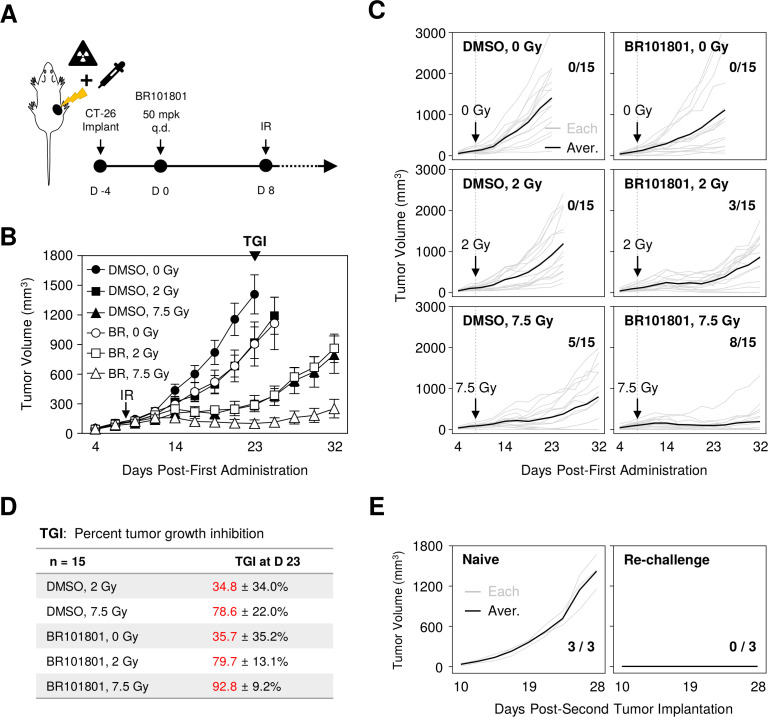
We used BR101801, PI3Kδ/γ inhibitor in the CT-26 syngeneic mouse model with a subcutaneously implanted tumor. BR101801 was administered daily, and the target tumor site was locally irradiated. We monitored the tumor growth regularly and evaluated the immunological changes using flow cytometry, ELISpot, and transcriptional analysis.
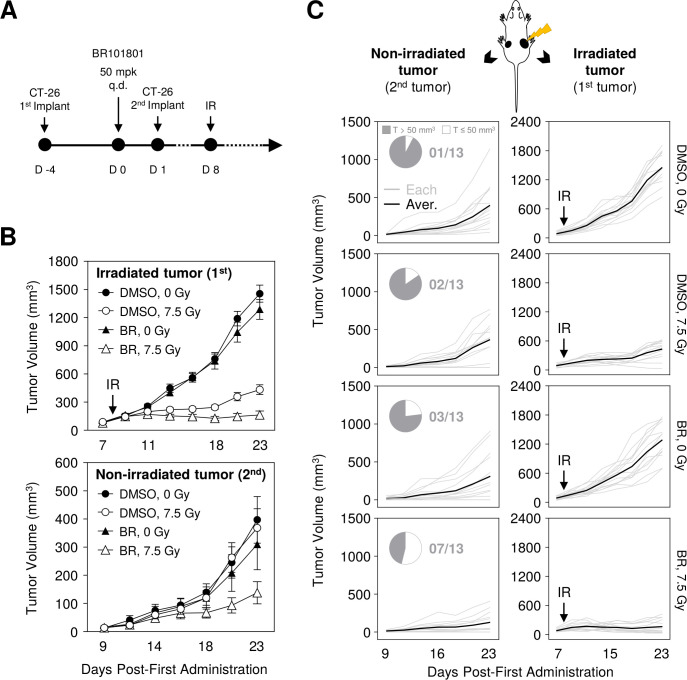
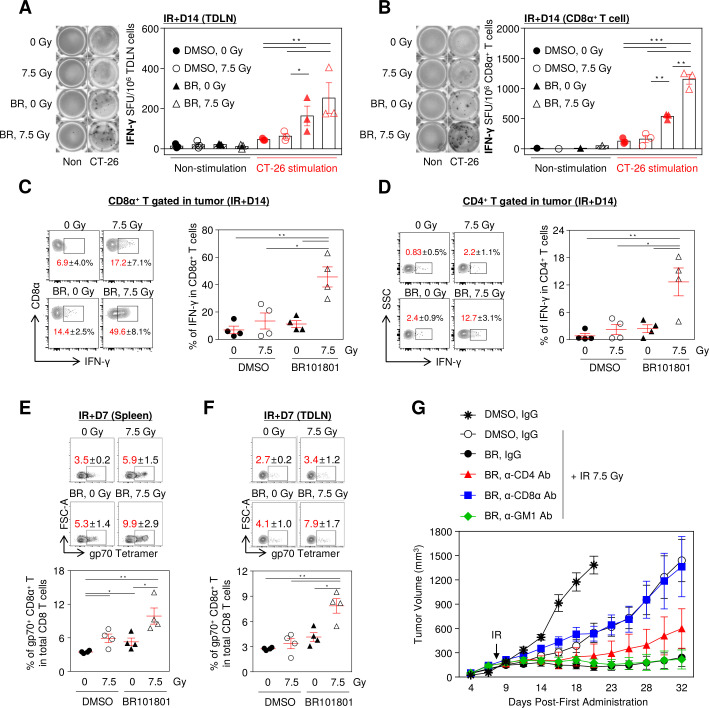
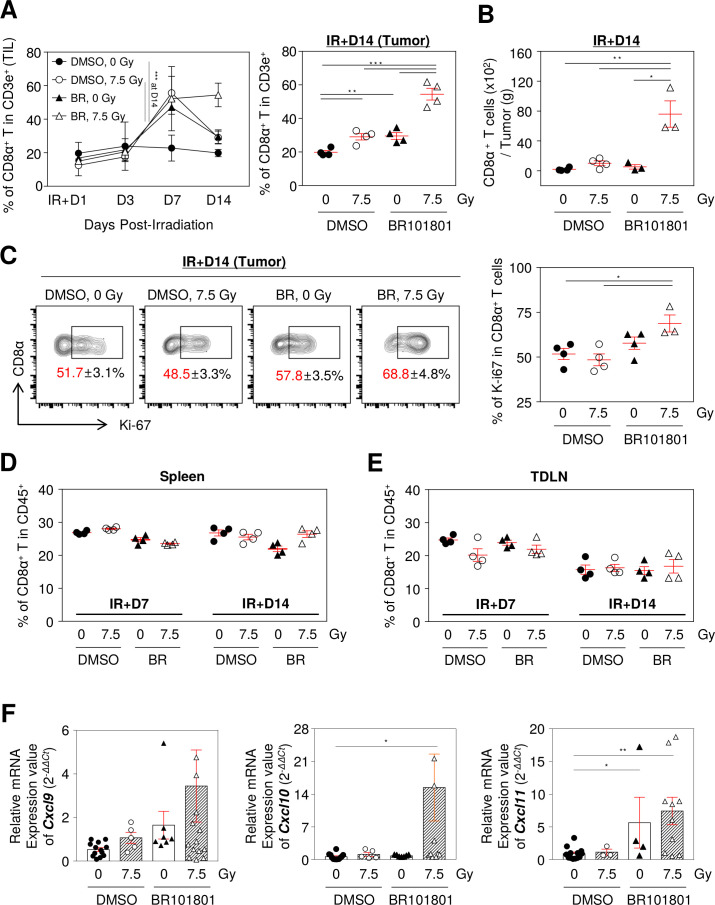
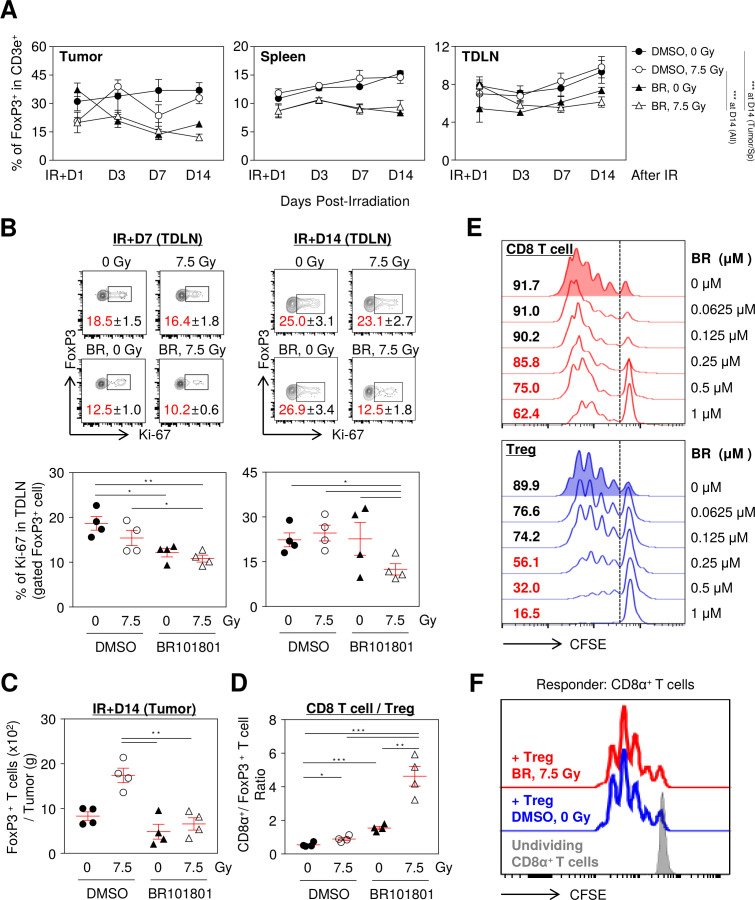
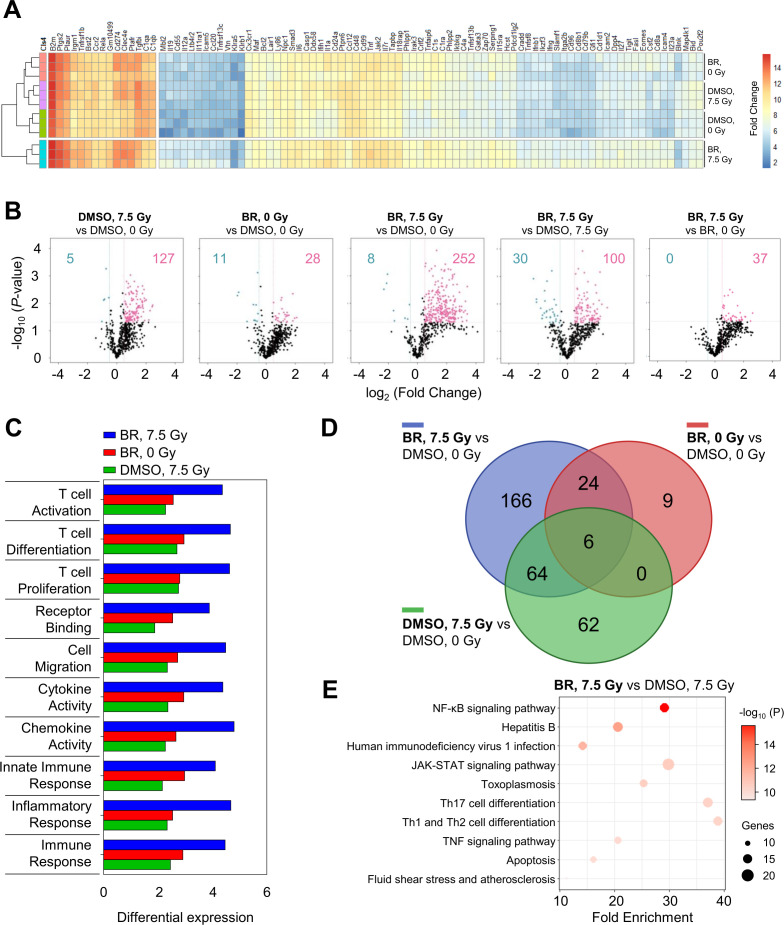
This study showed that BR101801 combined with irradiation promotes systemic antitumor immunity and abscopal response by attenuating the activity of immune suppressive cells in the CT-26 tumor model. BR101801 combined with irradiation systemically reduced the proliferation of regulatory T cells (Tregs) and enhanced the number of tumor-specific CD8α T cells in the tumor microenvironment, thereby leading to tumor regression. Furthermore, the high ratio of CD8α T cells to Tregs was maintained for 14 days after irradiation, resulting in remote tumor regression in metastatic lesions, the so-called abscopal effect. Moreover, our transcriptomic analysis showed that BR101801 combined with irradiation promoted the immune-stimulatory tumor microenvironment, suggesting that the combined therapy converts immunologically cold tumors into hot one.
Our data suggest the first evidence that PI3Kδ/γ inhibition combined with irradiation promotes systemic antitumor immunity against solid tumors, providing the preclinical result of the potential use of PI3Kδ/γ inhibitor as an immune-regulatory radiosensitizer.
放射治疗能增强抗肿瘤免疫。然而,它也会诱导免疫抑制反应,这是治疗有效的主要障碍。因此,靶向抑制免疫抑制性肿瘤微环境对于增强放射治疗后的抗肿瘤免疫至关重要。回顾性研究表明,阻断大量存在于白细胞中的 PI3Kδ 和/或 γ,通过减弱免疫抑制性细胞的活性来发挥抗肿瘤免疫反应,但单独阻断 PI3Kδ 或 γ 不足以完全消除实体瘤。
我们使用 PI3Kδ/γ 抑制剂 BR101801 在皮下植入肿瘤的 CT-26 同基因小鼠模型中进行研究。BR101801 每天给药,目标肿瘤部位进行局部照射。我们定期监测肿瘤生长情况,并通过流式细胞术、ELISpot 和转录分析评估免疫变化。
本研究表明,BR101801 联合照射通过减弱 CT-26 肿瘤模型中免疫抑制细胞的活性,促进全身抗肿瘤免疫和远隔效应。BR101801 联合照射系统地减少了调节性 T 细胞(Tregs)的增殖,并增强了肿瘤微环境中肿瘤特异性 CD8α T 细胞的数量,从而导致肿瘤消退。此外,照射后 14 天内,CD8α T 细胞与 Tregs 的高比值得以维持,导致远处转移病灶的肿瘤消退,即所谓的远隔效应。此外,我们的转录组分析表明,BR101801 联合照射促进了免疫刺激性肿瘤微环境,表明联合治疗将免疫冷肿瘤转化为热肿瘤。
我们的数据首次表明,PI3Kδ/γ 抑制联合照射可促进全身抗肿瘤免疫,针对实体瘤,为 PI3Kδ/γ 抑制剂作为免疫调节放疗增敏剂的潜在应用提供了临床前依据。