Infection and Immunity, Cardiff University Department of Medicine, Cardiff, UK
Infection and Immunity, Cardiff University Department of Medicine, Cardiff, UK.
J Immunother Cancer. 2020 Oct;8(2). doi: 10.1136/jitc-2020-000693.
Despite striking successes, immunotherapies aimed at increasing cancer-specific T cell responses are unsuccessful in most patients with cancer. Inactivating regulatory T cells (Treg) by inhibiting the PI3Kδ signaling enzyme has shown promise in preclinical models of tumor immunity and is currently being tested in early phase clinical trials in solid tumors.
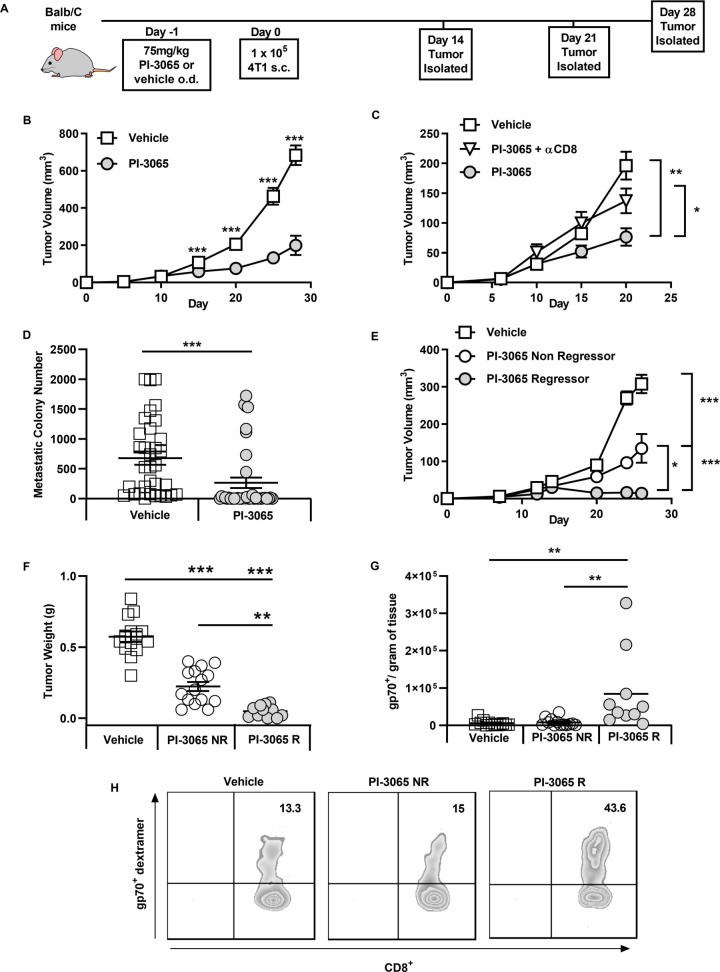
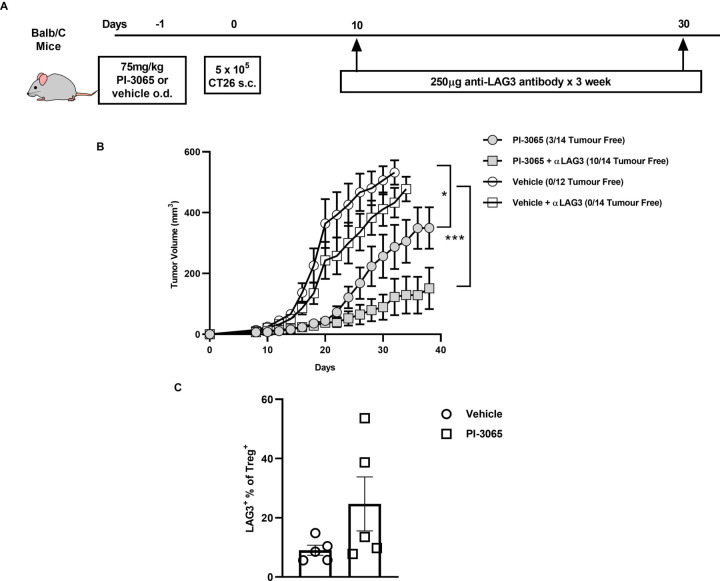
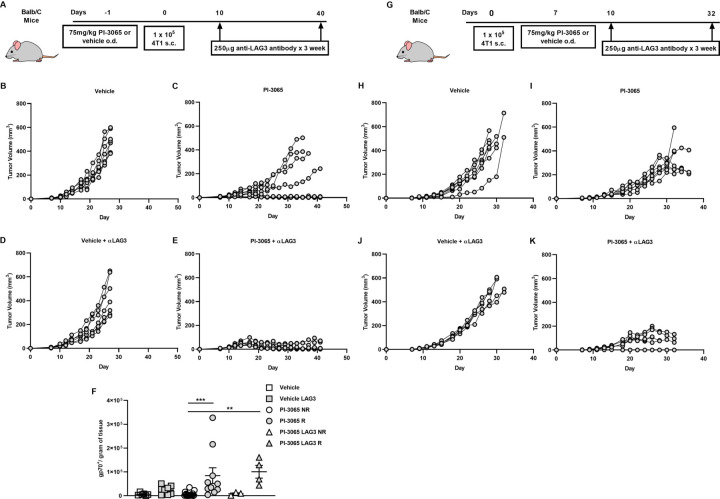
Mice bearing 4T1 mammary tumors were orally administered a PI3Kδ inhibitor (PI-3065) daily and tumor growth, survival and T cell infiltrate were analyzed in the tumor microenvironment. A second treatment schedule comprised PI3Kδ inhibitor with anti-LAG3 antibodies administered sequentially 10 days later.
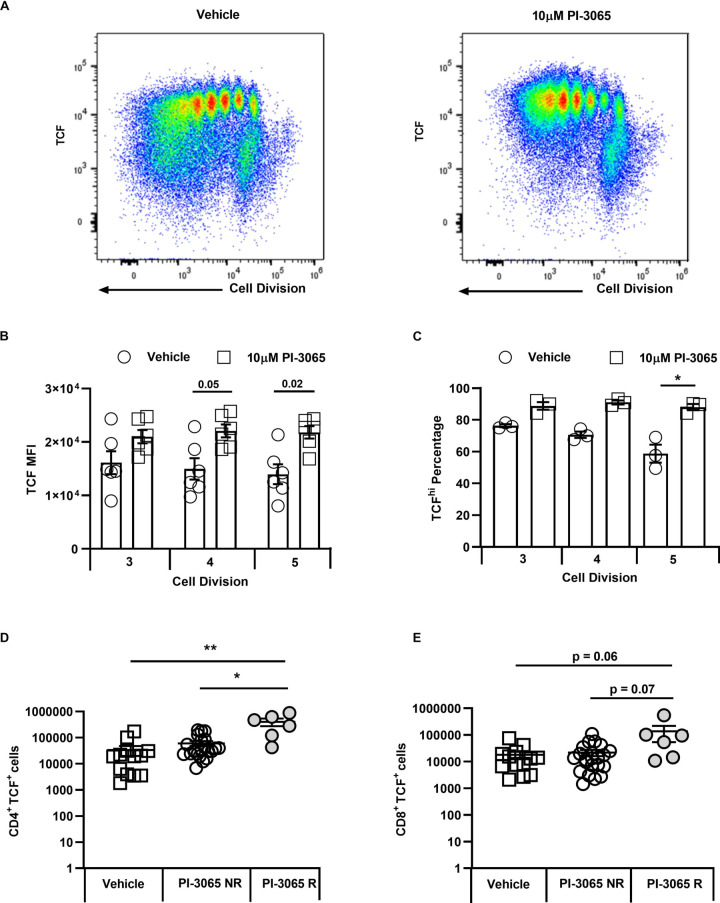
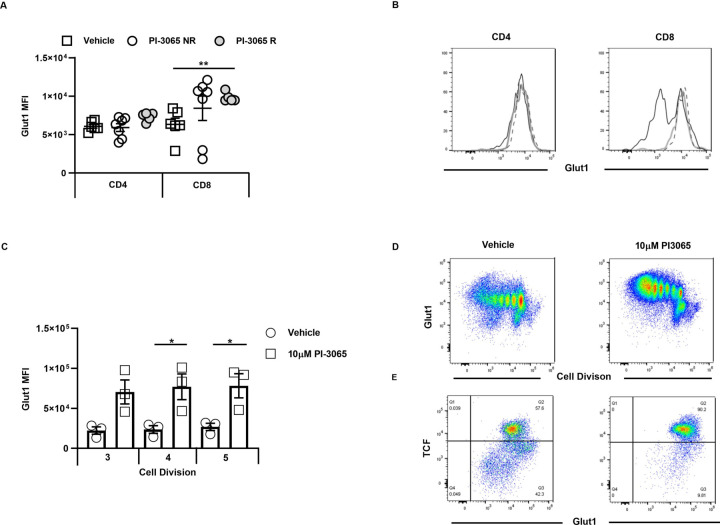
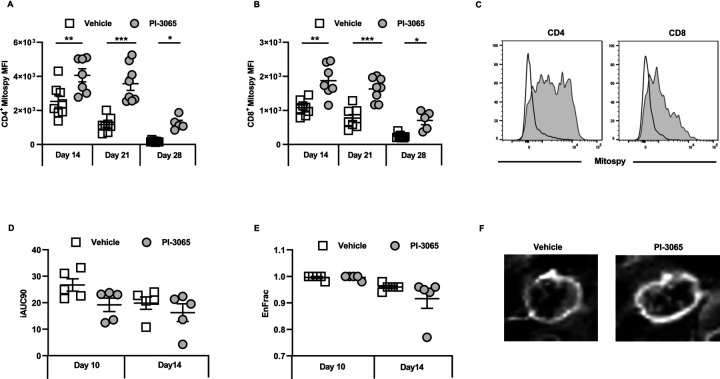
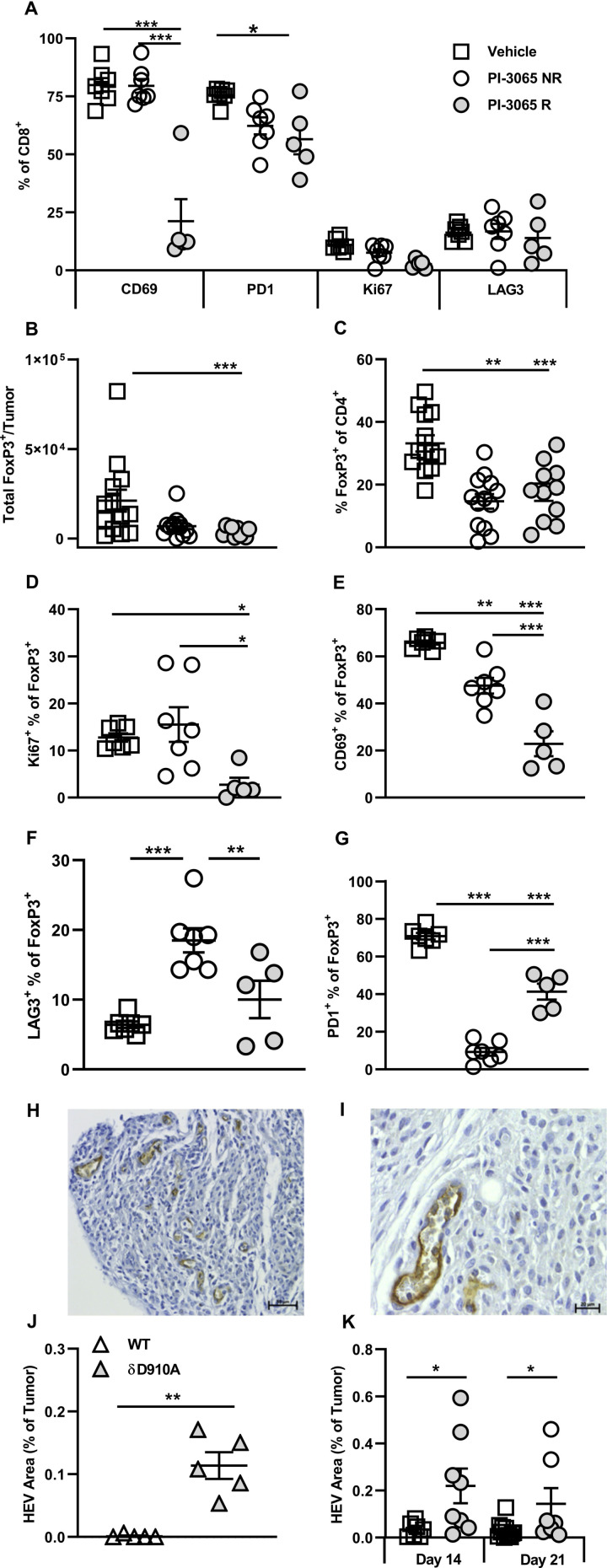
As observed in human immunotherapy trials with other agents, immunomodulation by PI3Kδ-blockade led to 4T1 tumor regressor and non-regressor mice. Tumor infiltrating T cells in regressors were metabolically fitter than those in non-regressors, with significant enrichments of antigen-specific CD8 T cells, T cell factor 1 (TCF1) T cells and CD69 T cells, compatible with induction of a sustained tumor-specific T cell response. Treg numbers were significantly reduced in both regressor and non-regressor tumors compared with untreated tumors. The remaining Treg in non-regressor tumors were however significantly enriched with cells expressing the coinhibitory receptor LAG3, compared with Treg in regressor and untreated tumors. This striking difference prompted us to sequentially block PI3Kδ and LAG3. This combination enabled successful therapy of all mice, demonstrating the functional importance of LAG3 in non-regression of tumors on PI3Kδ inhibition therapy. Follow-up studies, performed using additional cancer cell lines, namely MC38 and CT26, indicated that a partial initial response to PI3Kδ inhibition is an essential prerequisite to a sequential therapeutic benefit of anti-LAG3 antibodies.
These data indicate that LAG3 is a key bottleneck to successful PI3Kδ-targeted immunotherapy and provide a rationale for combining PI3Kδ/LAG3 blockade in future clinical studies.
尽管免疫疗法在提高癌症特异性 T 细胞反应方面取得了显著成功,但在大多数癌症患者中并不成功。通过抑制 PI3Kδ 信号酶来抑制调节性 T 细胞(Treg)在肿瘤免疫的临床前模型中显示出了前景,目前正在实体瘤的早期临床试验中进行测试。
携带 4T1 乳腺肿瘤的小鼠每天口服给予 PI3Kδ 抑制剂(PI-3065),并分析肿瘤微环境中的肿瘤生长、存活和 T 细胞浸润。第二个治疗方案包括 PI3Kδ 抑制剂与抗 LAG3 抗体联合使用,10 天后序贯给药。
与其他药物的人类免疫治疗试验一样,PI3Kδ 阻断的免疫调节导致 4T1 肿瘤消退和非消退小鼠。在消退小鼠中,肿瘤浸润 T 细胞的代谢能力优于非消退小鼠,具有显著丰富的抗原特异性 CD8 T 细胞、T 细胞因子 1(TCF1)T 细胞和 CD69 T 细胞,与诱导持续的肿瘤特异性 T 细胞反应兼容。与未治疗的肿瘤相比,消退和非消退肿瘤中的 Treg 数量均显著减少。然而,与消退和未治疗的肿瘤中的 Treg 相比,非消退肿瘤中的 Treg 细胞中表达共抑制受体 LAG3 的细胞明显丰富。这种明显的差异促使我们先后阻断 PI3Kδ 和 LAG3。这种联合治疗使所有小鼠都成功接受了治疗,证明了 LAG3 在 PI3Kδ 抑制治疗中肿瘤非消退中的功能重要性。使用其他癌细胞系(即 MC38 和 CT26)进行的后续研究表明,PI3Kδ 抑制的初步部分反应是抗 LAG3 抗体序贯治疗获益的必要前提。
这些数据表明,LAG3 是成功的 PI3Kδ 靶向免疫治疗的关键瓶颈,并为未来的临床研究中联合使用 PI3Kδ/LAG3 阻断提供了依据。