Zhao Long-Mei, Wang Long, Zhang Wen-Qian, Wang Rui, Zhang Xiu-Zhen, Lei Xiong-Xin, Liang Yan, Song Yu-Ting, Zhang Qing-Yi, Lin Ke, Xie Hui-Qi
Laboratory of Stem Cell and Tissue Engineering, Orthopedic Research Institute, Med-X Center for Materials, State Key Laboratory of Biotherapy, West China Hospital, Sichuan University, Chengdu, Sichuan, 610041, China.
Department of Cardiovascular Surgery, West China Hospital, Sichuan University, Chengdu, Sichuan, 610041, China.
Bioact Mater. 2021 Nov 30;14:206-218. doi: 10.1016/j.bioactmat.2021.11.021. eCollection 2022 Aug.
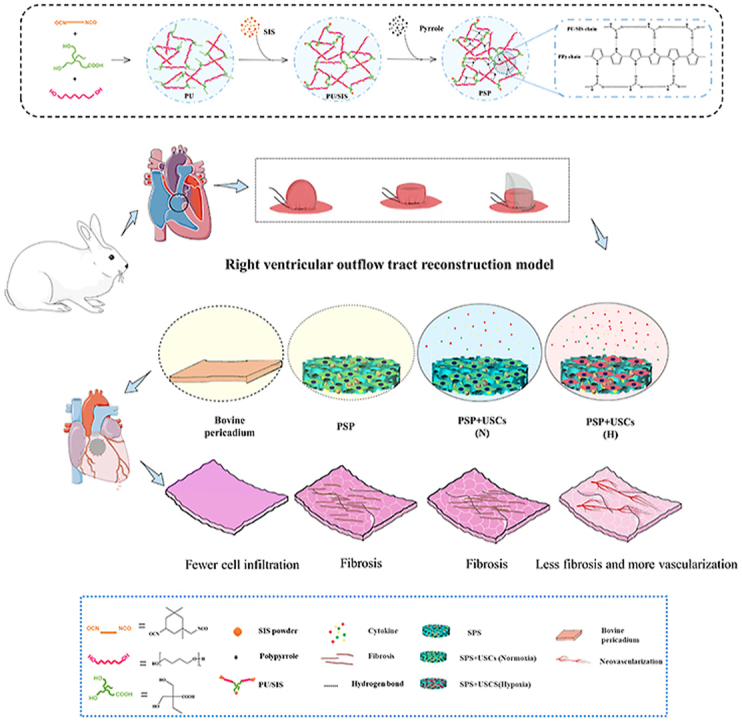
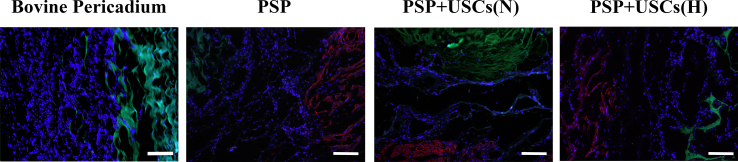
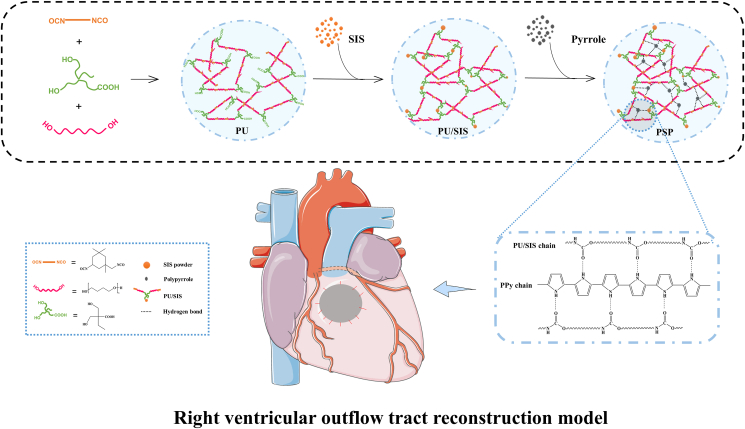
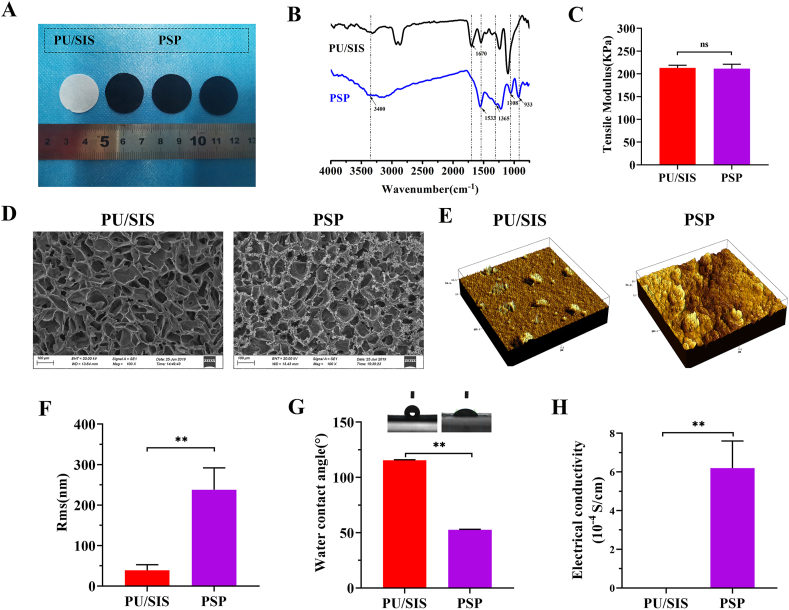
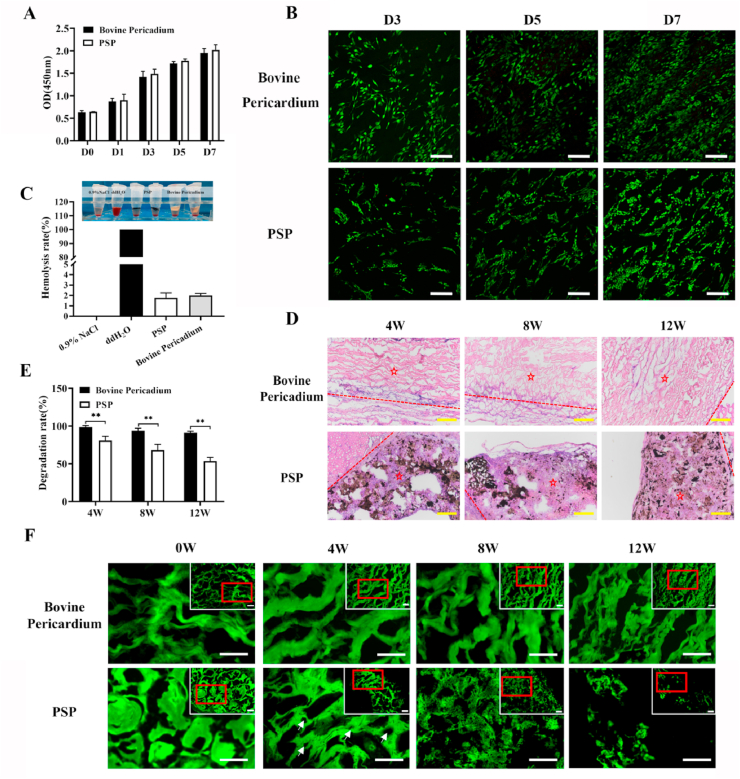
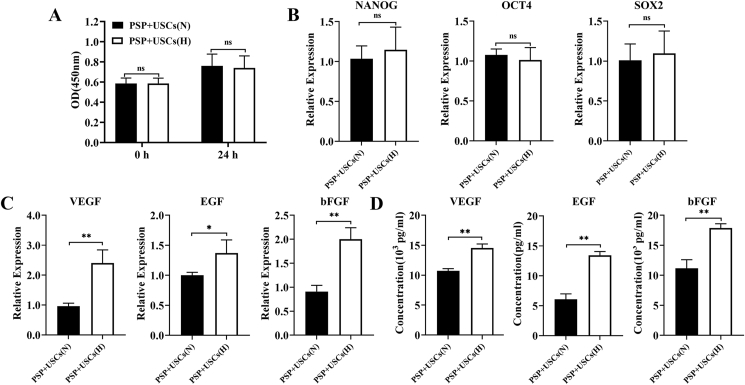
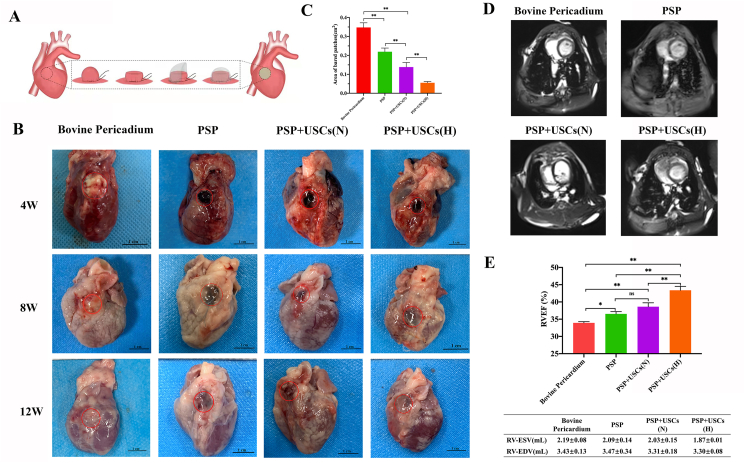
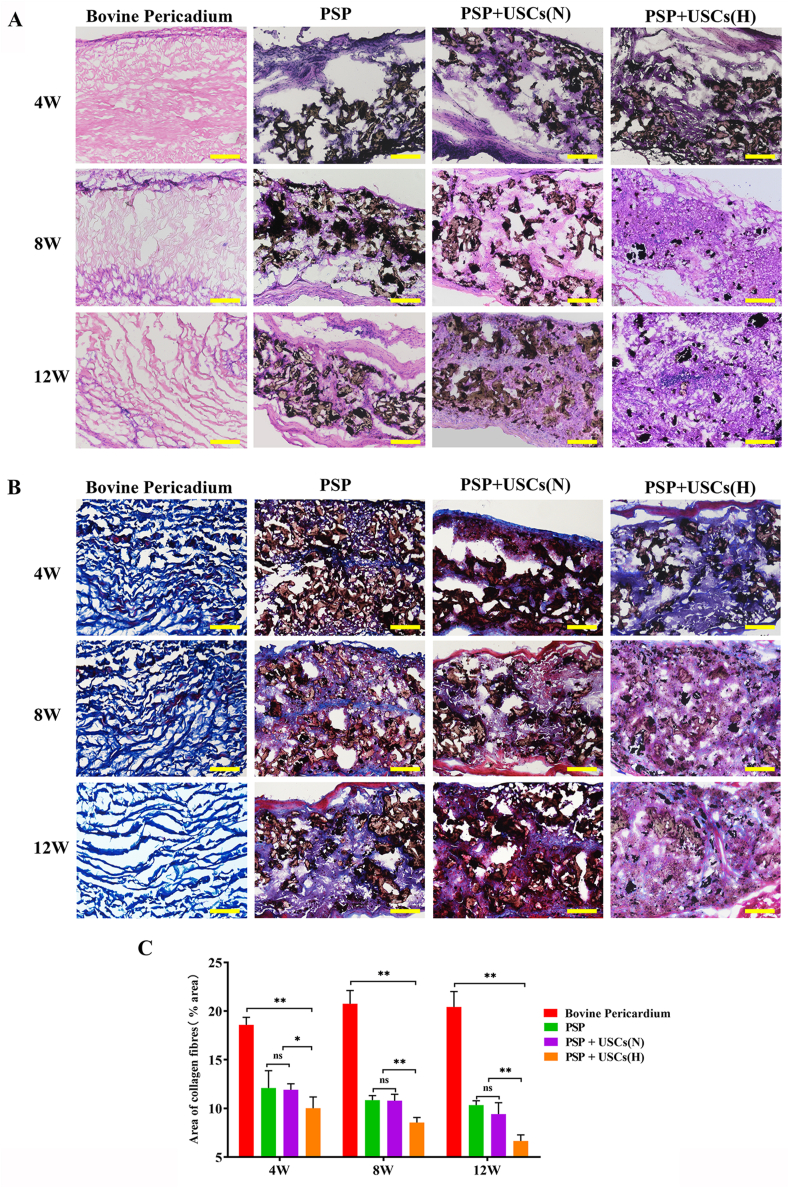
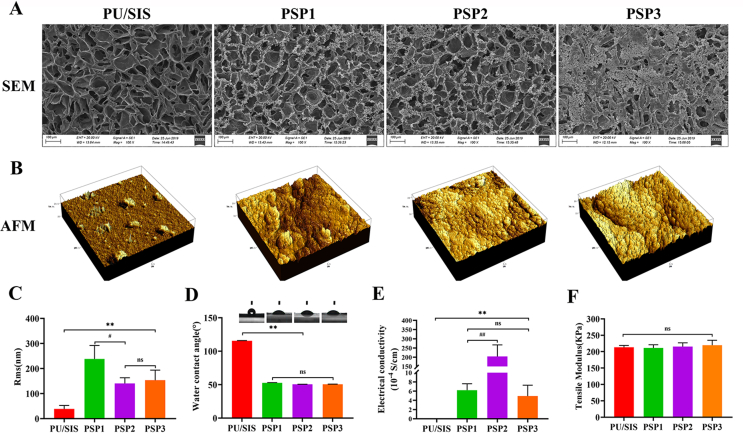
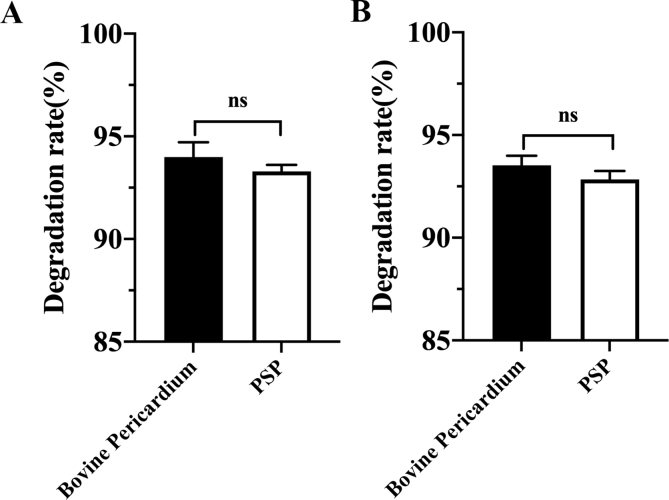
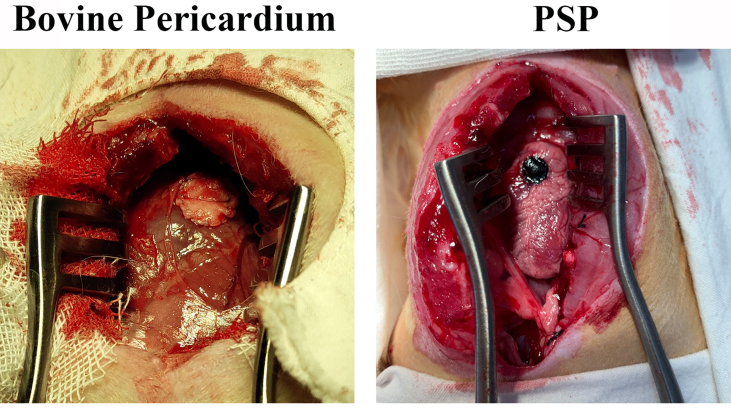
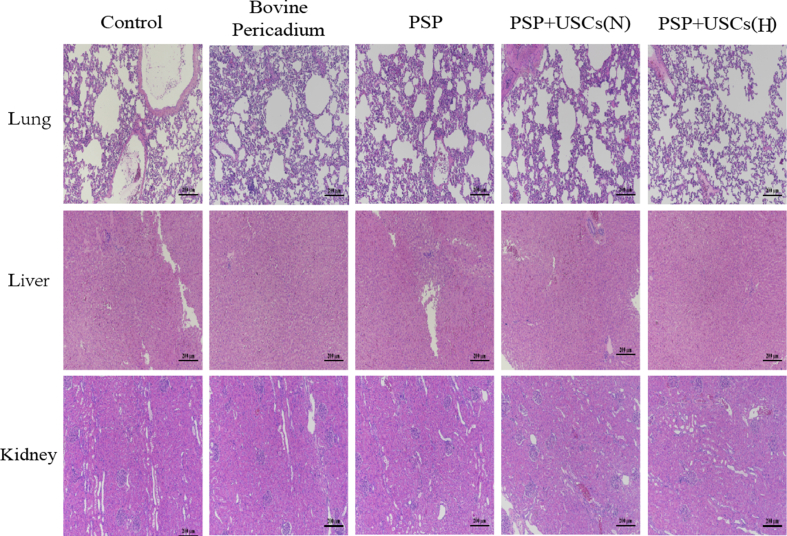
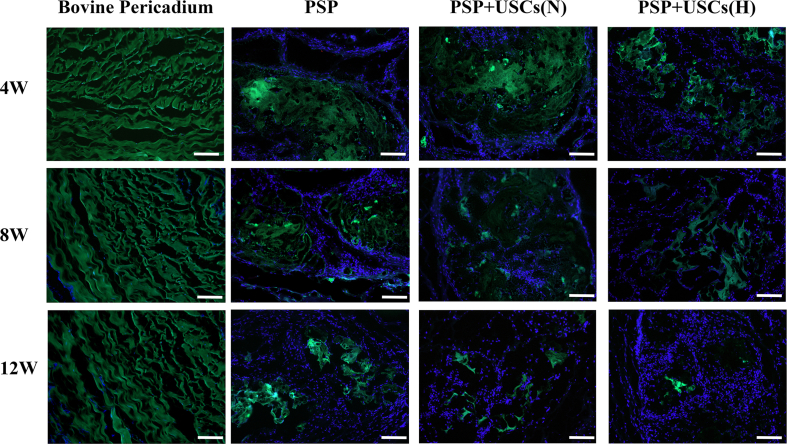
Approximately 25% of patients with congenital heart disease require implantation of patches to repair. However, most of the currently available patches are made of inert materials with unmatched electrical conductivity and mechanical properties, which may lead to an increased risk for arrhythmia and heart failure. In this study, we have developed a novel Polyurethane/Small intestinal submucosa patch (PSP) with mechanical and electrical properties similar to those of the native myocardial tissue, and assessed its feasibility for the reconstruction of right ventricular outflow tract. A right ventricular outflow tract reconstruction model was constructed in 40 rabbits. Compared with commercially available bovine pericardium patch, the PSP patch has shown better histocompatibility and biodegradability, in addition with significantly improved cardiac function. To tackle the significant fibrosis and relatively poor vascularization during tissue remodeling, we have further developed a bioactive patch by incorporating the PSP composites with urine-derived stem cells (USCs) which were pretreated with hypoxia. The results showed that the hypoxia-pretreated bioactive patch could significantly inhibit fibrosis and promote vascularization and muscularization, resulting in better right heart function. Our findings suggested that the PSP patch combined with hypoxia-pretreated USCs may provide a better strategy for the treatment of congenital heart disease.
大约25%的先天性心脏病患者需要植入补片进行修复。然而,目前大多数可用的补片由惰性材料制成,其导电性和机械性能不匹配,这可能会增加心律失常和心力衰竭的风险。在本研究中,我们开发了一种新型的聚氨酯/小肠黏膜下层补片(PSP),其机械性能和电学性能与天然心肌组织相似,并评估了其用于右心室流出道重建的可行性。在40只兔子身上构建了右心室流出道重建模型。与市售牛心包补片相比,PSP补片表现出更好的组织相容性和生物降解性,此外心脏功能也有显著改善。为了解决组织重塑过程中显著的纤维化和相对较差的血管化问题,我们通过将PSP复合材料与经缺氧预处理的尿液来源干细胞(USCs)结合,进一步开发了一种生物活性补片。结果表明,经缺氧预处理的生物活性补片可显著抑制纤维化,促进血管化和肌化,从而改善右心功能。我们的研究结果表明,PSP补片与经缺氧预处理的USCs相结合可能为先天性心脏病的治疗提供更好的策略。