Department of Anesthesiology, Rutgers New Jersey Medical School, Newark, NJ 07103, USA.
Department of Chemical Biology, Ernest Mario School of Pharmacy Rutgers University, Piscataway, NJ 08854, USA.
Int J Mol Sci. 2022 Mar 10;23(6):3010. doi: 10.3390/ijms23063010.
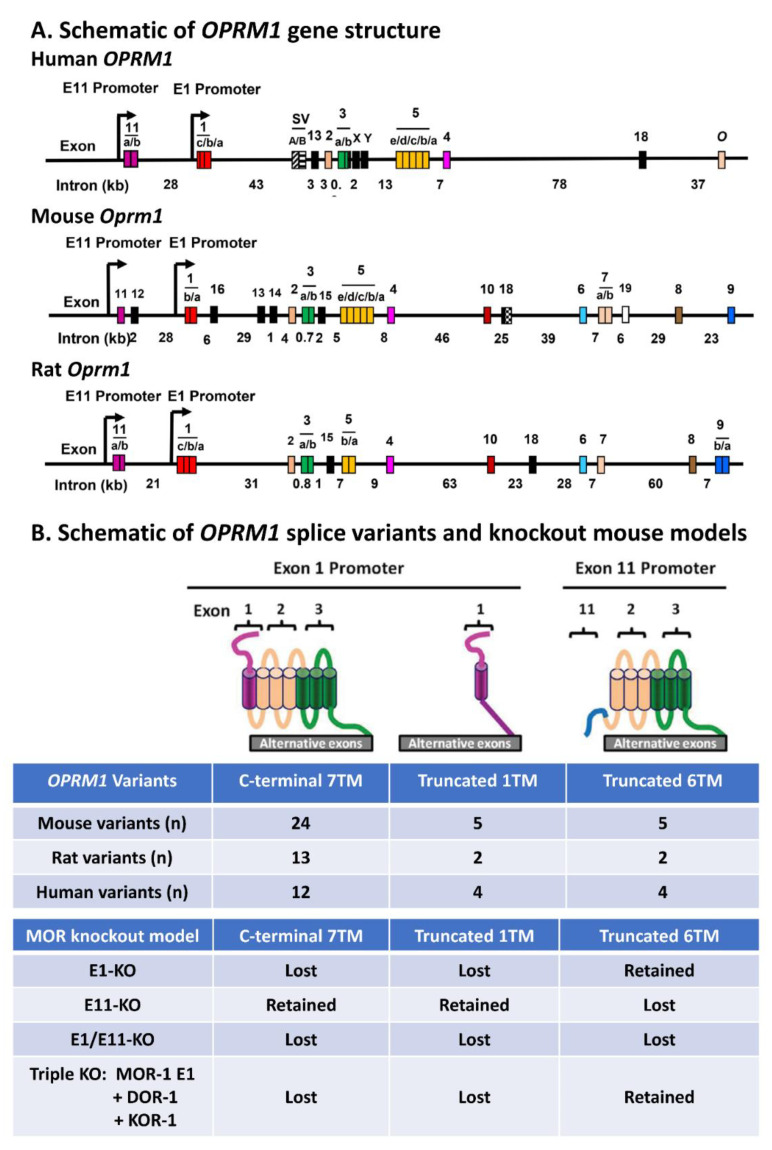
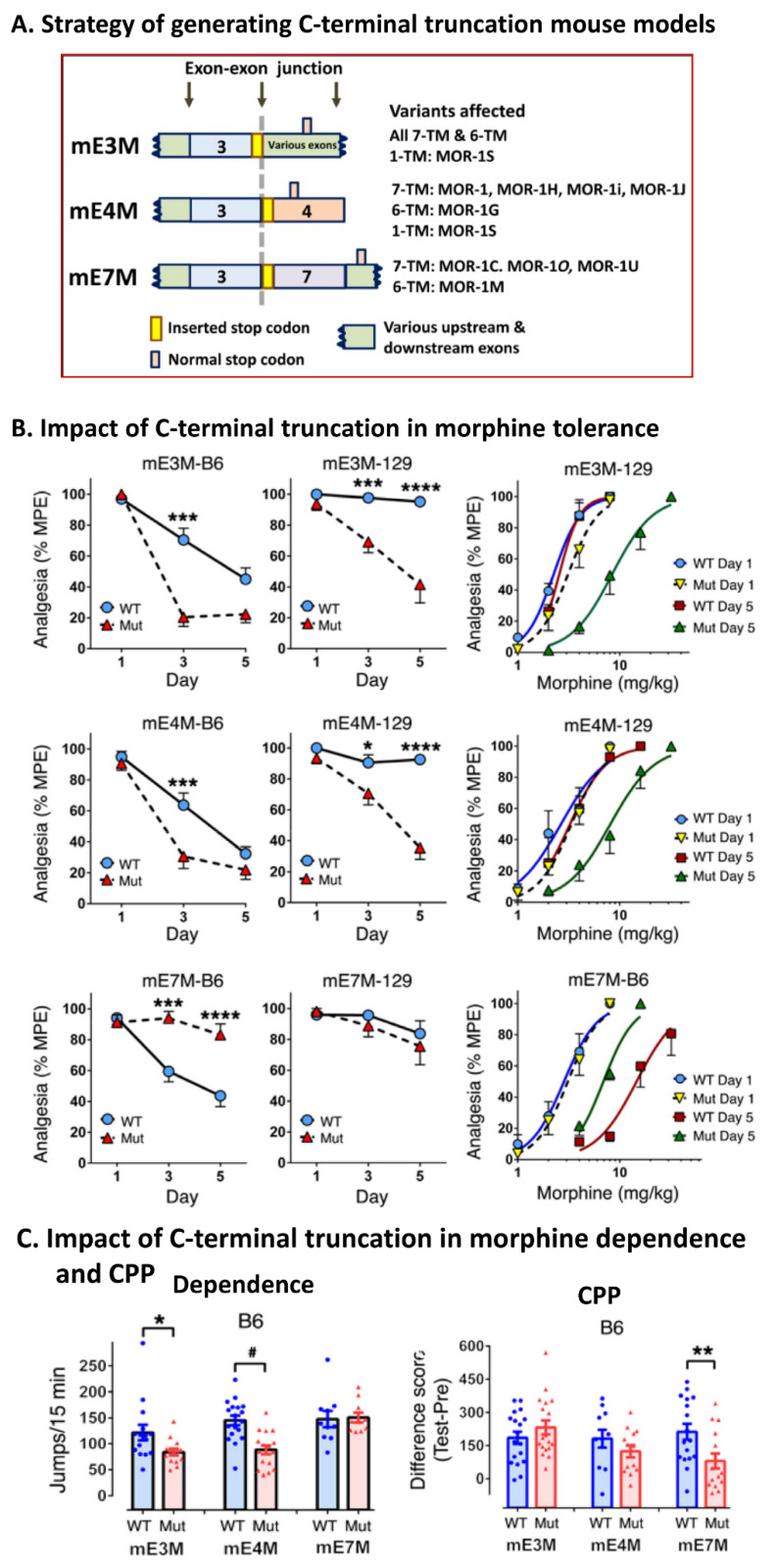
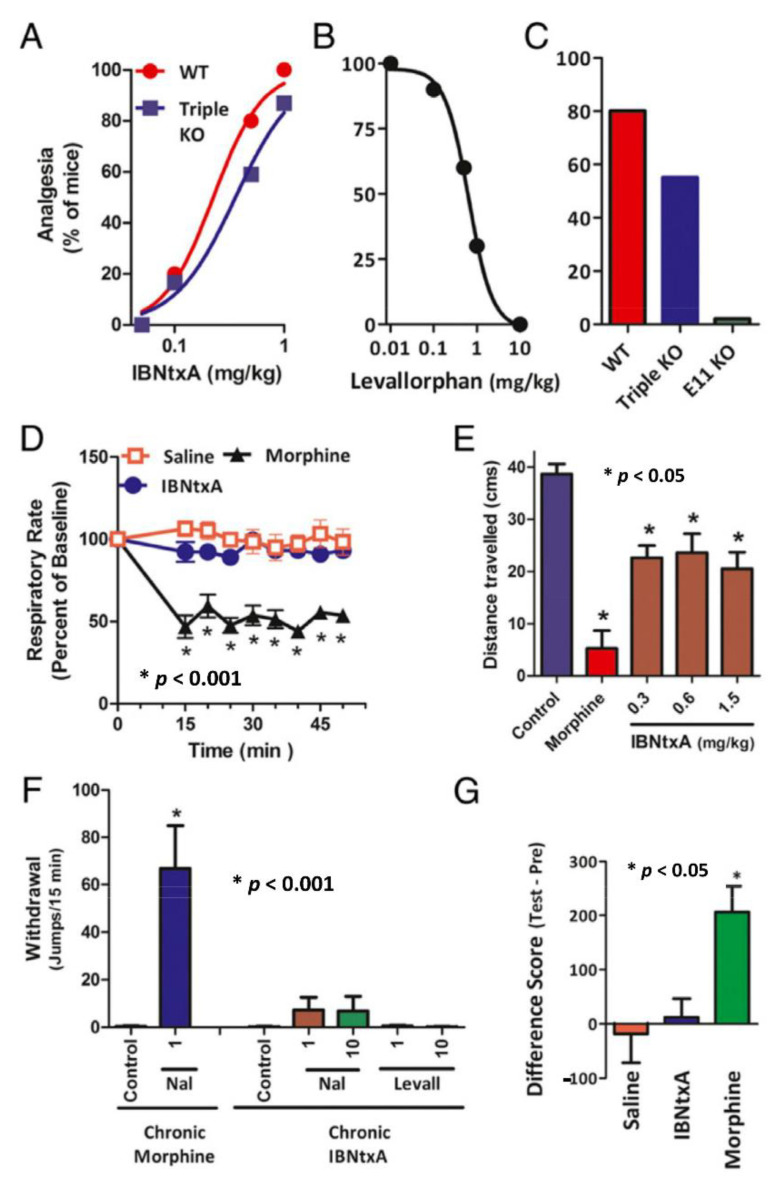
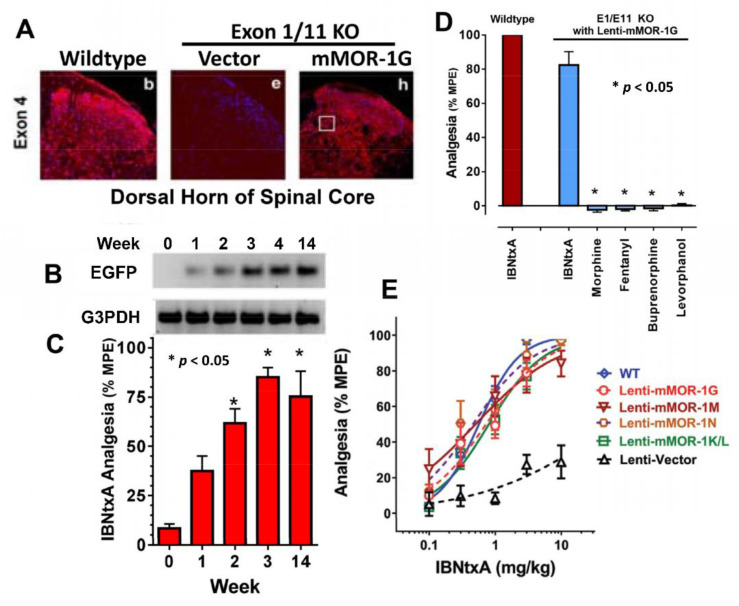
The mu opioid receptor has a distinct place in the opioid receptor family, since it mediates the actions of most opioids used clinically (e.g., morphine and fentanyl), as well as drugs of abuse (e.g., heroin). The single-copy mu opioid receptor gene, , goes through extensive alternative pre-mRNA splicing to generate numerous splice variants that are conserved from rodents to humans. These splice variants can be classified into three structurally distinct types: (1) full-length 7 transmembrane (TM) carboxyl (C)-terminal variants; (2) truncated 6TM variants; and (3) single TM variants. Distinct pharmacological functions of these splice variants have been demonstrated by both in vitro and in vivo studies, particularly by using several unique gene-targeted mouse models. These studies provide new insights into our understanding of the complex actions of mu opioids with regard to alternative splicing. This review provides an overview of the studies that used these gene-targeted mouse models for exploring the functional importance of splice variants.
μ 阿片受体在阿片受体家族中占有独特的地位,因为它介导了临床上使用的大多数阿片类药物(如吗啡和芬太尼)以及滥用药物(如海洛因)的作用。单一拷贝的 μ 阿片受体基因 ,通过广泛的选择性前体 mRNA 剪接产生多种从啮齿动物到人类都保守的剪接变体。这些 剪接变体可以分为三种结构上不同的类型:(1)全长 7 跨膜(TM)羧基(C)端变体;(2)截断的 6TM 变体;和(3)单一 TM 变体。通过体外和体内研究,特别是使用几种独特的基因靶向小鼠模型,已经证明了这些剪接变体具有不同的药理学功能。这些研究为我们理解 μ 阿片类药物的复杂作用提供了新的认识,即选择性剪接。本综述概述了使用这些基因靶向小鼠模型探索 剪接变体功能重要性的研究。