Nofal Muaffaq M, Aziz Shujahadeen B, Ghareeb Hewa O, Hadi Jihad M, Dannoun Elham M A, Al-Saeedi Sameerah I
Department of Mathematics and Science, Prince Sultan University, P.O. Box 66833, Riyadh 11586, Saudi Arabia.
Hameed Majid Advanced Polymeric Materials Research Lab., Physics Department, College of Science, University of Sulaimani, Qlyasan Street, Sulaimani 46001, Kurdistan Regional Government, Iraq.
Materials (Basel). 2022 Mar 15;15(6):2143. doi: 10.3390/ma15062143.
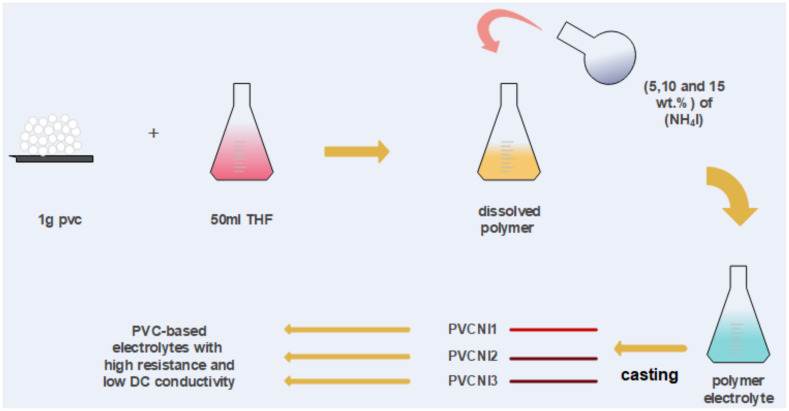
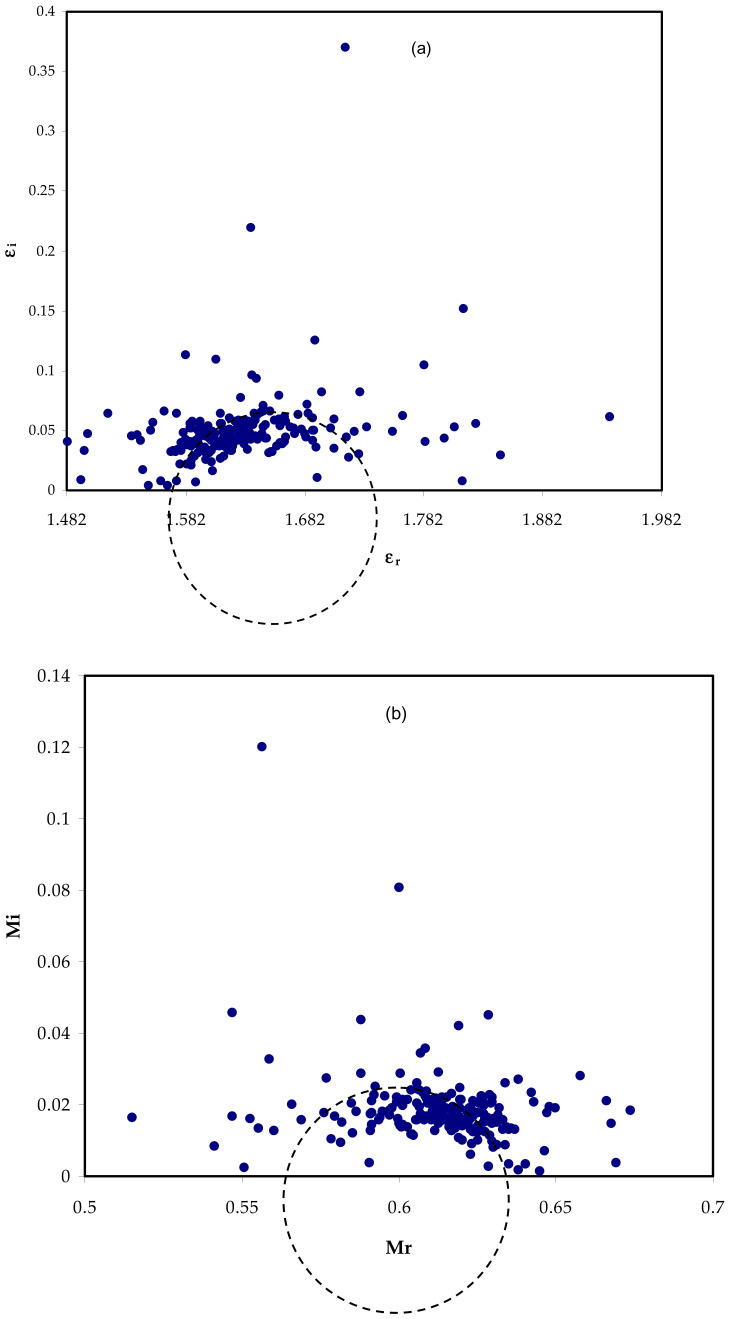
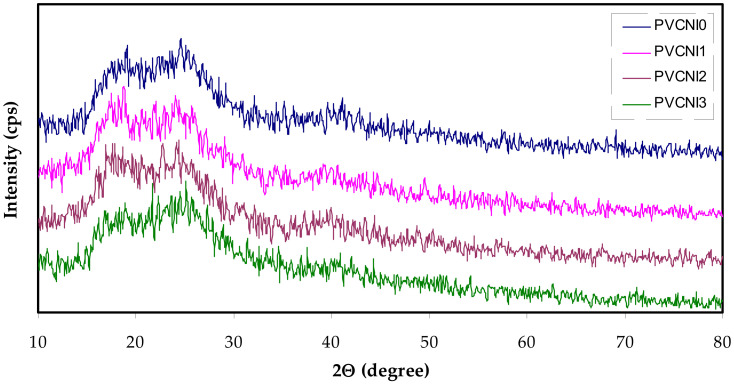
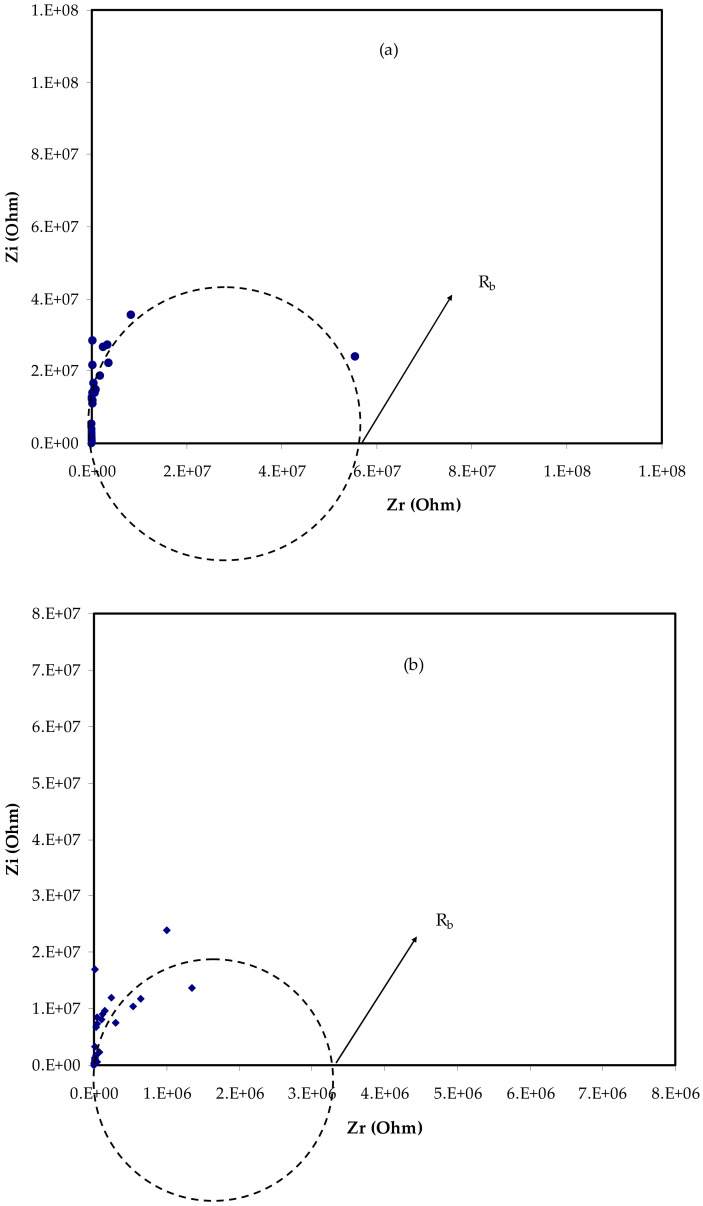
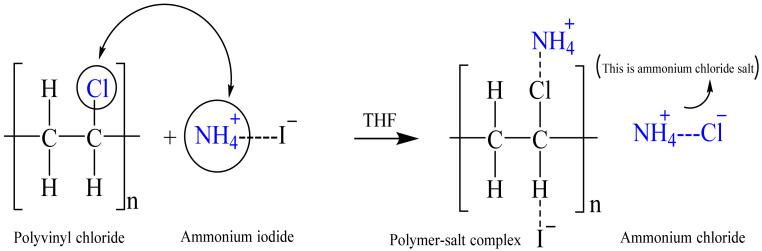
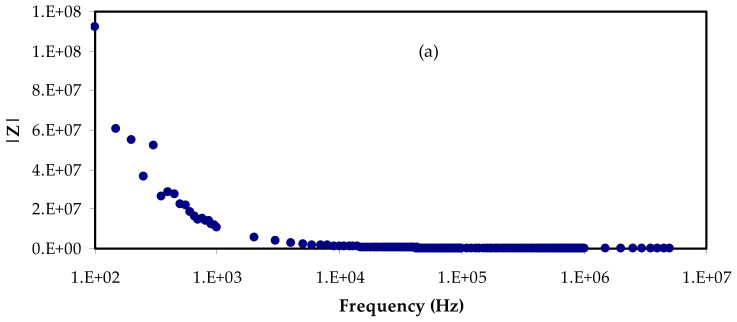
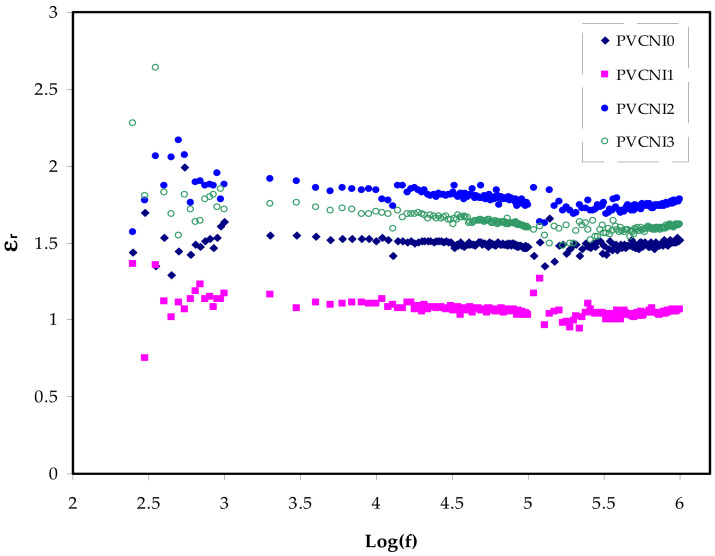
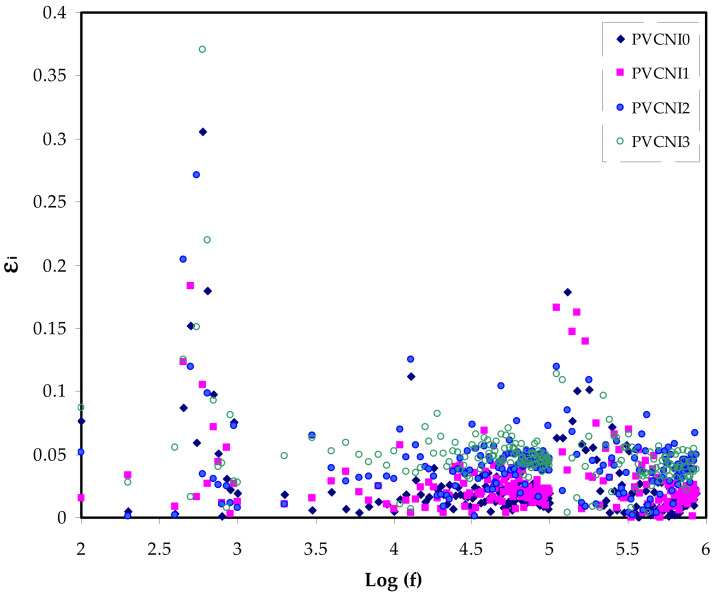
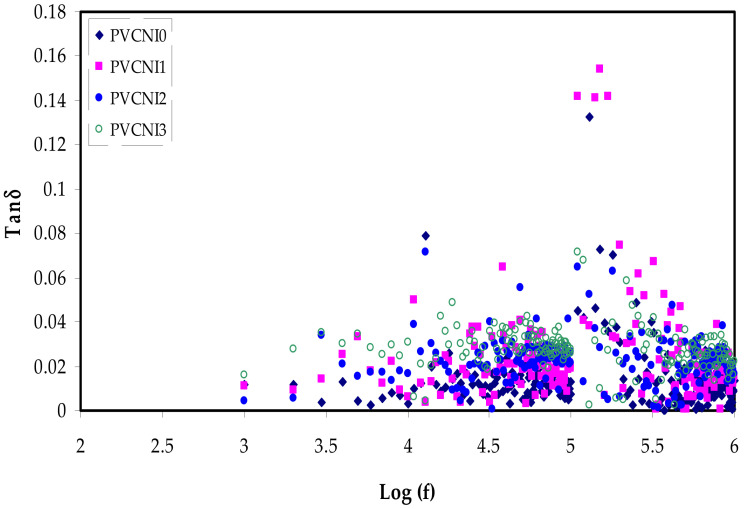
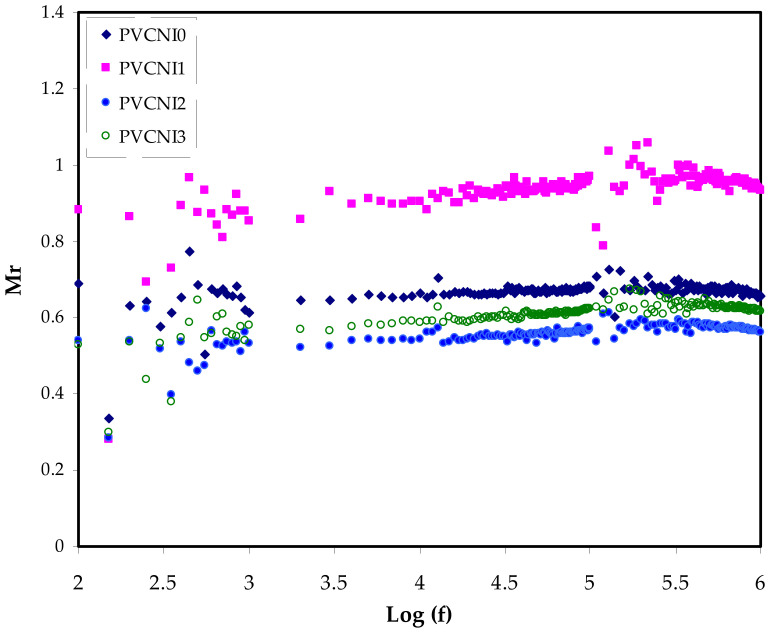
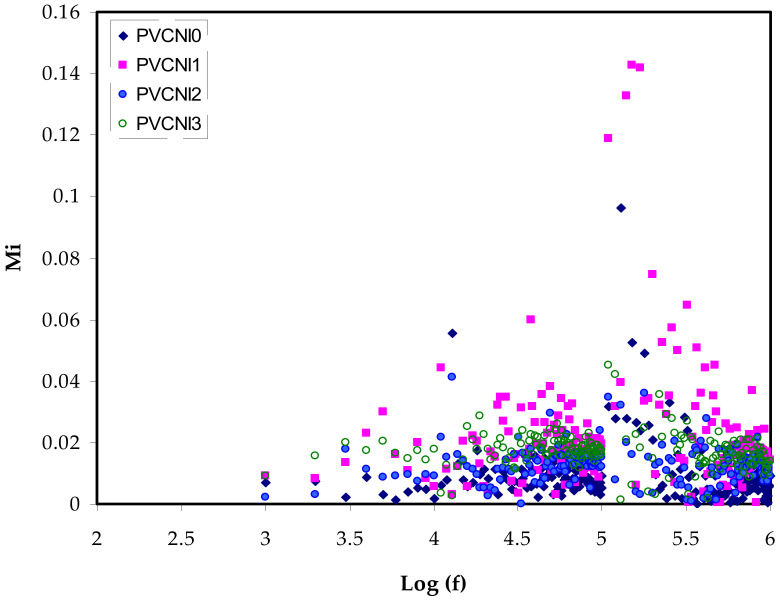
In the present article, a simple technique is provided for the fabrication of a polymer electrolyte system composed of polyvinyl chloride (PVC) and doped with varying content of ammonium iodide (NHI) salt using solution-casting methodology. The influences of NHI on the structural, electrochemical, and electrical properties of PVC have been investigated using X-ray diffraction, electrochemical impedance spectroscopy (EIS), and dielectric properties. The X-ray study reveals the amorphous nature of the polymer-salt complex. The EIS measurement revealed an ionic conductivity of 5.57 × 10 S/cm for the electrolyte containing 10 wt.% of salt. Our hypothesis is provided, which demonstrated the likelihood of designing highly resistive solid electrolytes using the concept of a polymer electrolyte. Here, the results showed that the resistivity of the studied samples is not dramatically decreased with increasing NHI. Bode plots distinguish the decrease in resistance or impedance with increasing salt contents. Dielectric measurements revealed a decrease in the dielectric constant with the increase of NHI content in the PVC polymer. The relaxation time and dielectric properties of the electrolytes confirmed their non-Debye type behavior. This pattern has been validated by the existence of an incomplete semicircle in the Argand plot. Insulation materials with low have found widespread applications in electronic devices due to the reduction in delay, power dissipation, and crosstalk. In addition, an investigation of real and imaginary parts of electric modulus leads to the minimized electrode polarization being reached.
在本文中,提供了一种简单的技术,用于使用溶液浇铸法制备由聚氯乙烯(PVC)组成并掺杂不同含量碘化铵(NH₄I)盐的聚合物电解质体系。使用X射线衍射、电化学阻抗谱(EIS)和介电性能研究了NH₄I对PVC结构、电化学和电学性能的影响。X射线研究揭示了聚合物-盐复合物的非晶态性质。EIS测量表明,对于含10 wt.%盐的电解质,离子电导率为5.57×10⁻⁵ S/cm。我们提出了假设,证明了使用聚合物电解质概念设计高电阻固体电解质的可能性。在此,结果表明,随着NH₄I含量增加,所研究样品的电阻率并未显著降低。波特图区分了电阻或阻抗随盐含量增加而降低的情况。介电测量表明,随着PVC聚合物中NH₄I含量的增加,介电常数降低。电解质的弛豫时间和介电性能证实了它们的非德拜型行为。这种模式已通过阿冈图中存在不完整半圆得到验证。由于延迟、功耗和串扰的降低,低介电常数的绝缘材料在电子设备中得到了广泛应用。此外,对电模量实部和虚部的研究导致电极极化最小化。