Kim Matthew, Rai Mandip, Teshima Christopher
Division of Gastroenterology and Hepatology, Department of Medicine, The Center for Advanced Therapeutic Endoscopy and Endoscopic Oncology, St. Michael's Hospital, Toronto, ON M5B 1W8, Canada.
J Clin Med. 2022 Mar 19;11(6):1712. doi: 10.3390/jcm11061712.
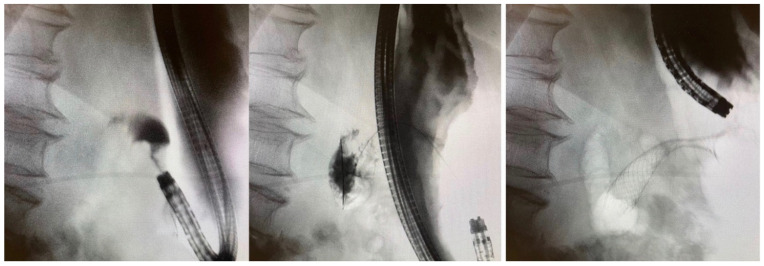
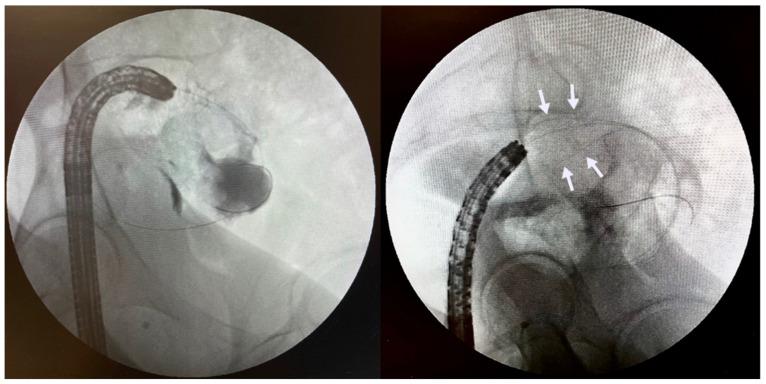
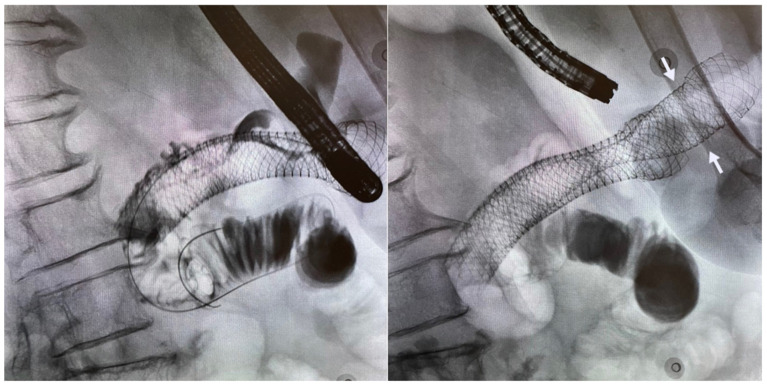
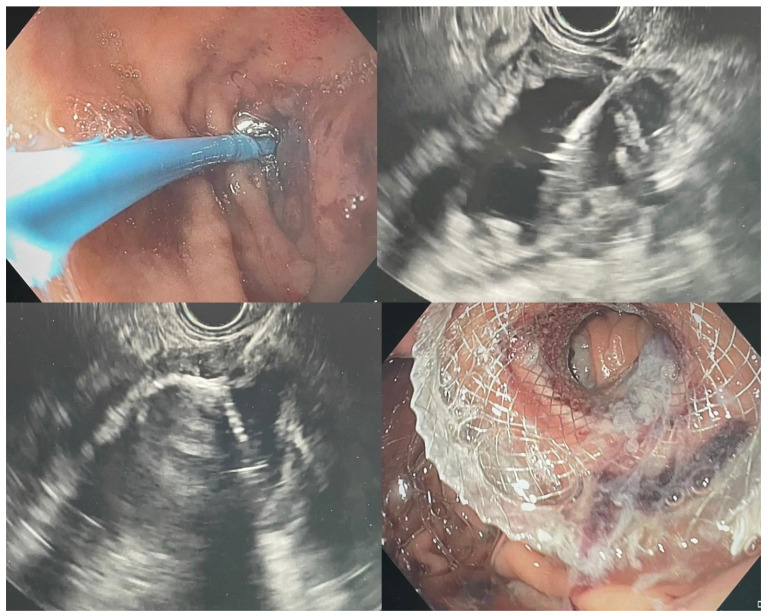
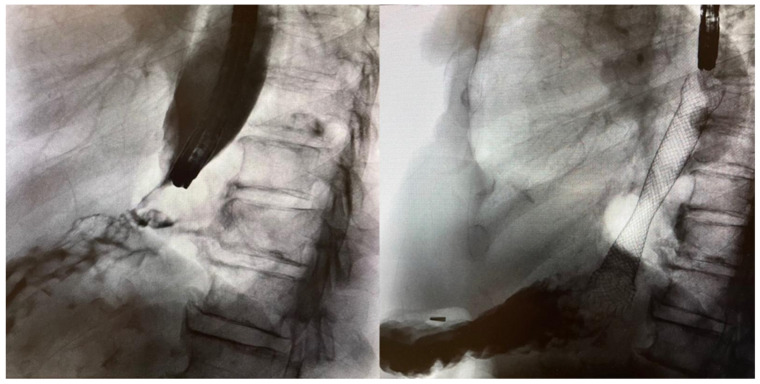
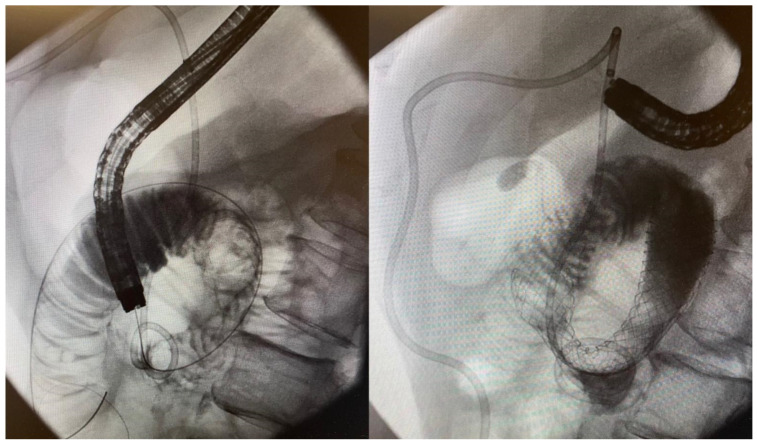
Self-expanding metal stents placed during endoscopy are increasingly the first-line treatment for luminal obstruction caused by esophageal, gastroduodenal, and colorectal malignancies in patients who are not candidates for definitive surgical resection. In this review, we provide a practical guide for clinicians to optimise patient and procedure selection for endoscopic stenting in malignant gastrointestinal obstructions. The role of endoscopic stenting in each of the major anatomical systems (esophageal, gastroduodenal, and colorectal) is presented with regard to pre-procedural patient evaluation, procedural techniques, clinical outcomes, and potential complications, as well as post-procedure aftercare.
对于无法进行根治性手术切除的患者,在内镜检查期间放置的自膨式金属支架越来越成为治疗由食管、胃十二指肠和结肠恶性肿瘤引起的管腔梗阻的一线治疗方法。在本综述中,我们为临床医生提供了一份实用指南,以优化恶性胃肠道梗阻患者的内镜支架置入的患者选择和操作选择。针对术前患者评估、操作技术、临床结果、潜在并发症以及术后护理,介绍了内镜支架置入在每个主要解剖系统(食管、胃十二指肠和结肠)中的作用。