Ludwig Boltzmann Institute for Lung Vascular Research Graz, Graz, Austria.
Otto Loewi Research Center, Division of Physiology, Medical University of Graz, Graz, Austria.
Eur Respir J. 2022 Oct 20;60(4). doi: 10.1183/13993003.02347-2021. Print 2022 Oct.
Systemic sclerosis (SSc) is an autoimmune disease characterised by severe vasculopathy and fibrosis of various organs including the lung. Targeted treatment options for SSc-associated interstitial lung disease (SSc-ILD) are scarce. We assessed the effects of pirfenidone in a mouse model of SSc-ILD.
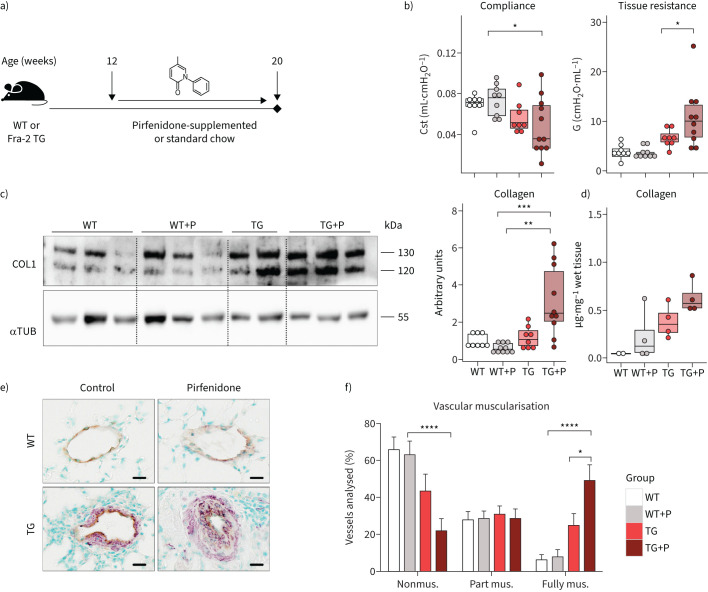
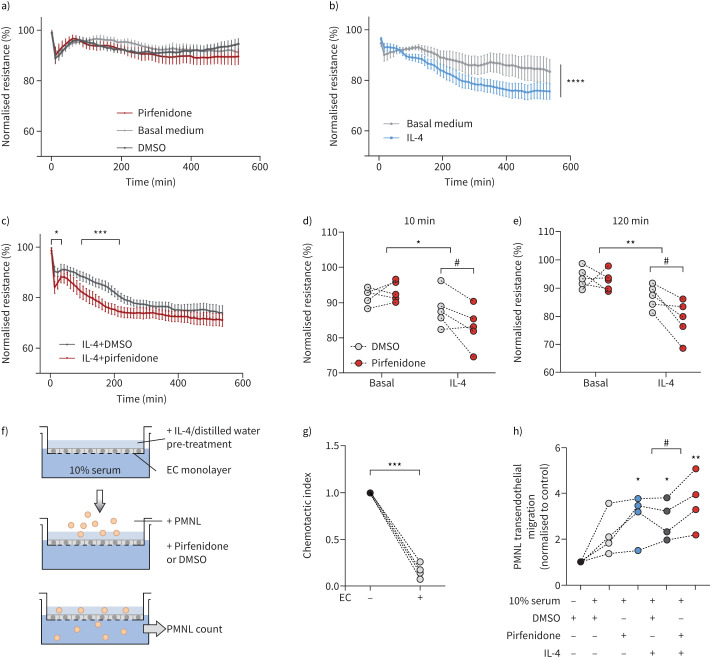
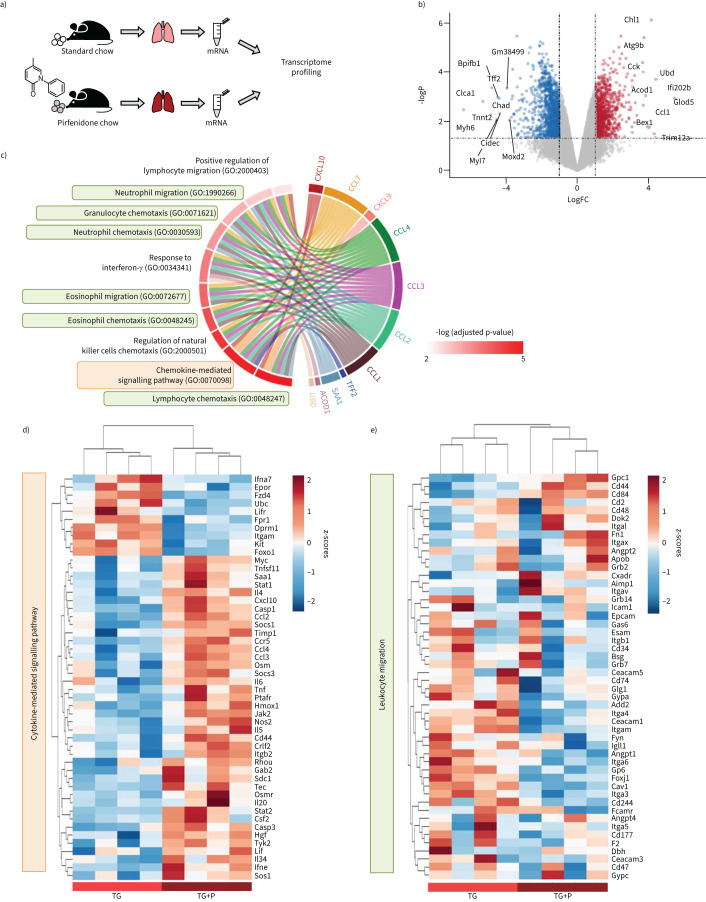
Pulmonary function, inflammation and collagen deposition in response to pirfenidone were assessed in Fra-2-overexpressing transgenic (Fra-2 TG) and bleomycin-treated mice. In Fra-2 TG mice, lung transcriptome was analysed after pirfenidone treatment. , pirfenidone effects on human eosinophil and endothelial cell function were analysed using flow cytometry-based assays and electric cell-substrate impedance measurements, respectively.
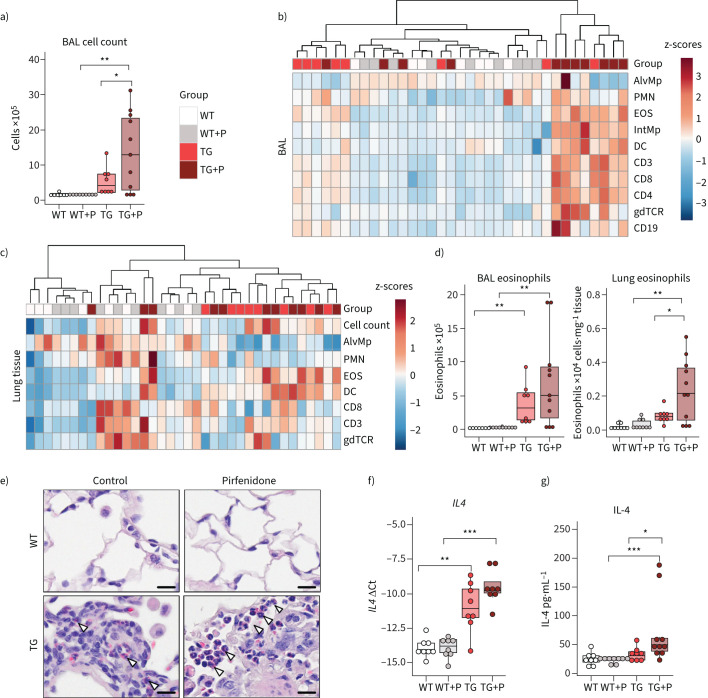
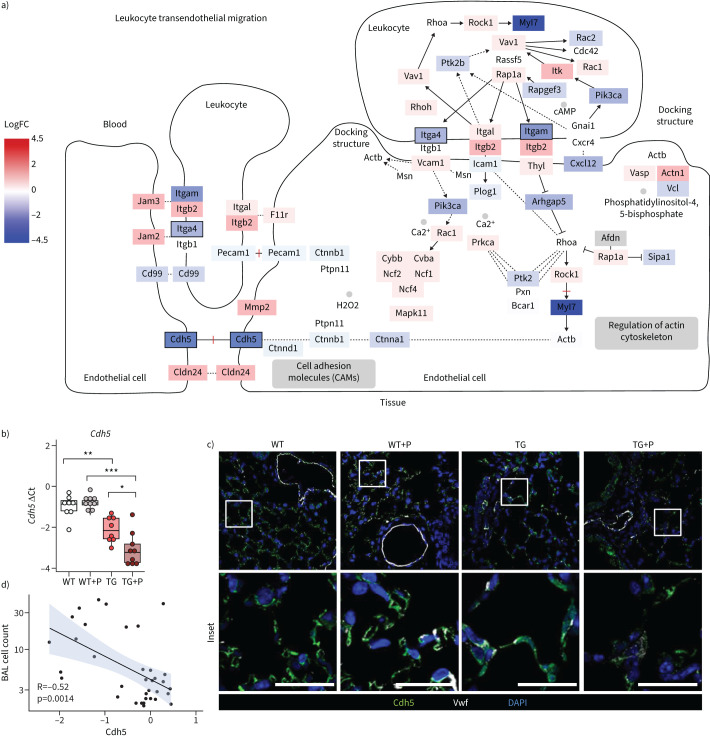
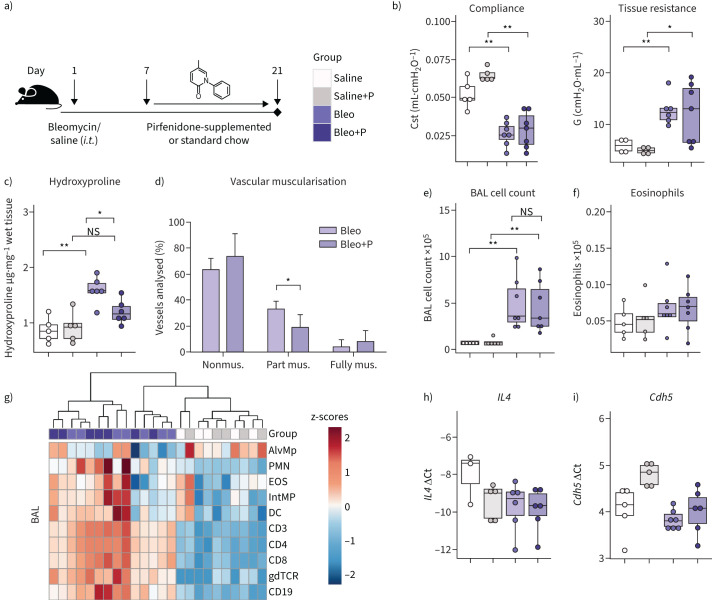
Pirfenidone treatment attenuated pulmonary remodelling in the bleomycin model, but aggravated pulmonary inflammation, fibrosis and vascular remodelling in Fra-2 TG mice. Pirfenidone increased interleukin (IL)-4 levels and eosinophil numbers in lung tissue of Fra-2 TG mice without directly affecting eosinophil activation and migration . A pronounced immune response with high levels of cytokines/chemokines and disturbed endothelial integrity with low vascular endothelial (VE)-cadherin levels was observed in pirfenidone-treated Fra-2 TG mice. In contrast, eosinophil and VE-cadherin levels were unchanged in bleomycin-treated mice and not influenced by pirfenidone. , pirfenidone exacerbated the IL-4 induced reduction of endothelial barrier resistance, leading to higher leukocyte transmigration.
This study shows that antifibrotic properties of pirfenidone may be overruled by unwanted interactions with pre-injured endothelium in a setting of high T-helper type 2 inflammation in a model of SSc-ILD. Careful ILD patient phenotyping may be required to exploit benefits of pirfenidone while avoiding therapy failure and additional lung damage in some patients.
系统性硬化症(SSc)是一种自身免疫性疾病,其特征为严重的血管病变和各种器官的纤维化,包括肺部。针对 SSc 相关间质性肺病(SSc-ILD)的靶向治疗选择有限。我们评估了吡非尼酮在 SSc-ILD 小鼠模型中的作用。
在 Fra-2 过表达转基因(Fra-2 TG)和博来霉素处理的小鼠中评估了吡非尼酮对肺功能、炎症和胶原沉积的影响。在 Fra-2 TG 小鼠中,分析了吡非尼酮治疗后的肺转录组。使用基于流式细胞术的测定法和电细胞-基质阻抗测量法,分别分析了吡非尼酮对人嗜酸性粒细胞和内皮细胞功能的影响。
吡非尼酮治疗减轻了博来霉素模型中的肺重塑,但加重了 Fra-2 TG 小鼠的肺部炎症、纤维化和血管重塑。吡非尼酮增加了 Fra-2 TG 小鼠肺组织中的白细胞介素(IL)-4 水平和嗜酸性粒细胞数量,但不直接影响嗜酸性粒细胞的激活和迁移。在吡非尼酮治疗的 Fra-2 TG 小鼠中观察到明显的免疫反应,细胞因子/趋化因子水平高,内皮完整性受损,血管内皮(VE)-钙黏蛋白水平低。相比之下,在博来霉素处理的小鼠中,嗜酸性粒细胞和 VE-钙黏蛋白水平不变,不受吡非尼酮影响。此外,吡非尼酮加剧了 IL-4 诱导的内皮屏障阻力降低,导致白细胞迁移增加。
本研究表明,在 SSc-ILD 模型中,在高辅助性 T 细胞 2 型炎症的情况下,吡非尼酮的抗纤维化特性可能会被预先受损的内皮与预先受损的内皮的不良相互作用所推翻。在某些患者中,可能需要仔细对ILD 患者进行表型分析,以利用吡非尼酮的益处,同时避免治疗失败和进一步的肺部损伤。