Gayakwad Himanshi, Thiyagarajan Jothi Saravanan
School of Infrastructure, Indian Institute of Technology Bhubaneswar, Argul, Khordha 752050, Odisha, India.
Sensors (Basel). 2022 Mar 16;22(6):2296. doi: 10.3390/s22062296.
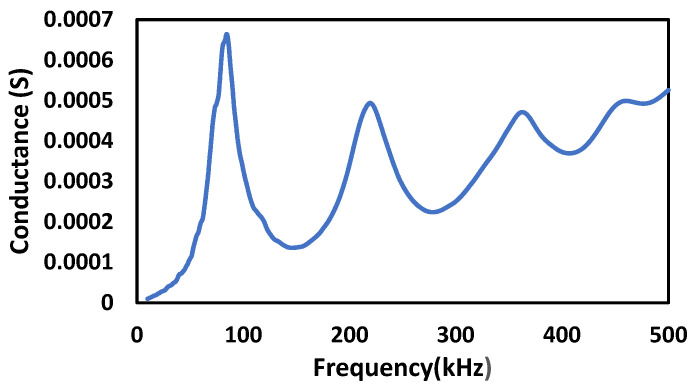
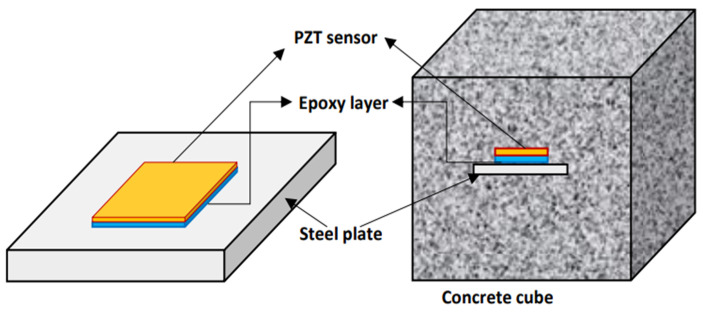
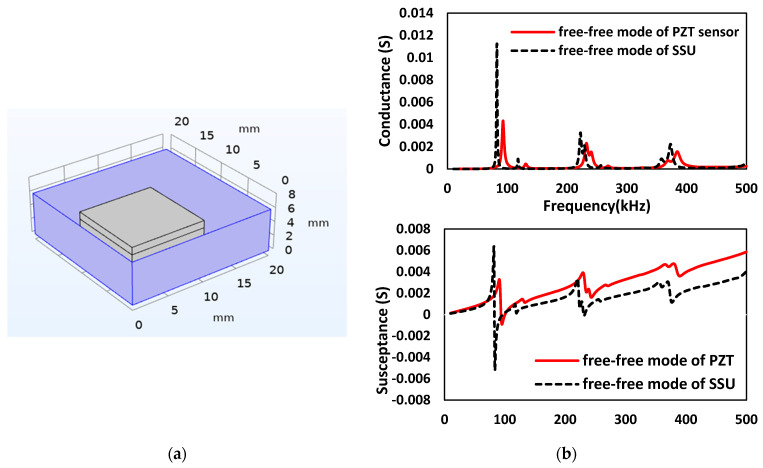
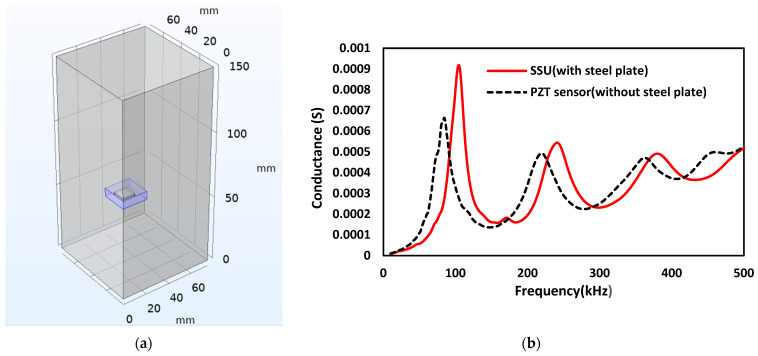
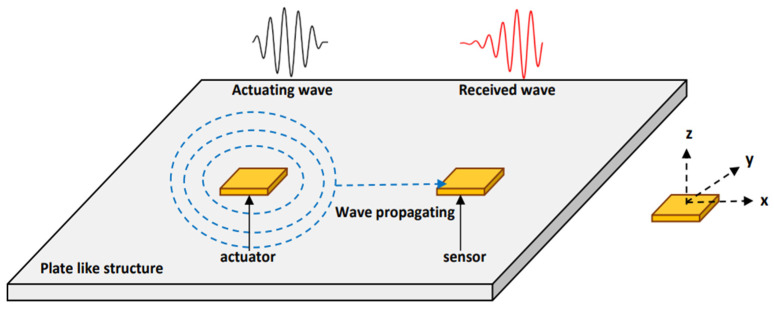
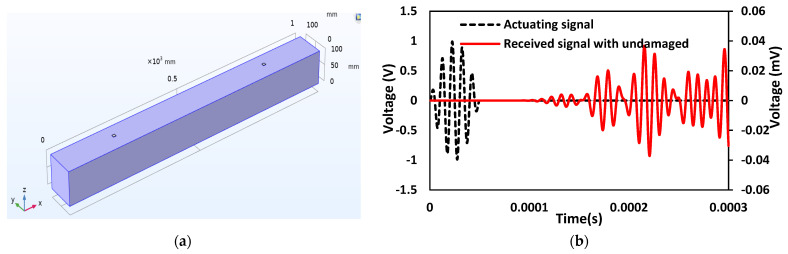
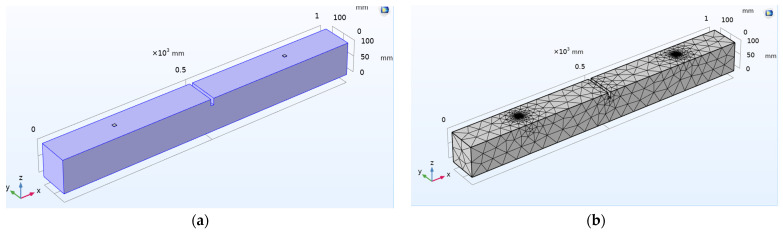
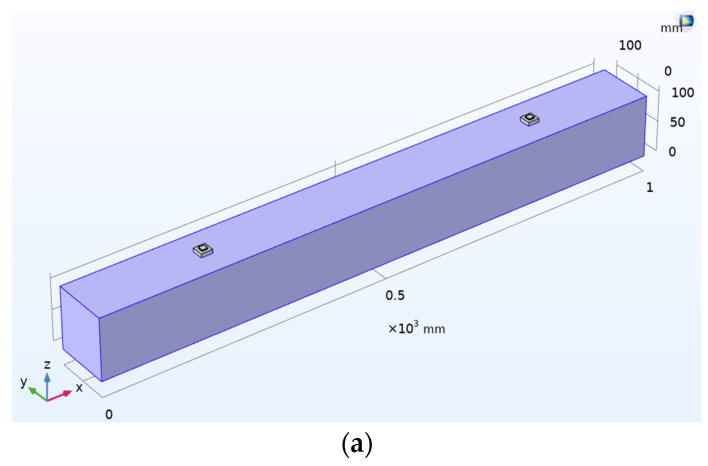
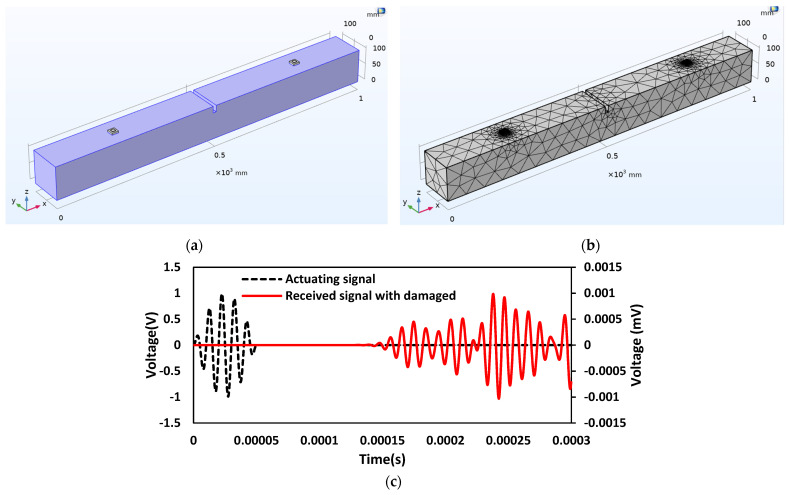
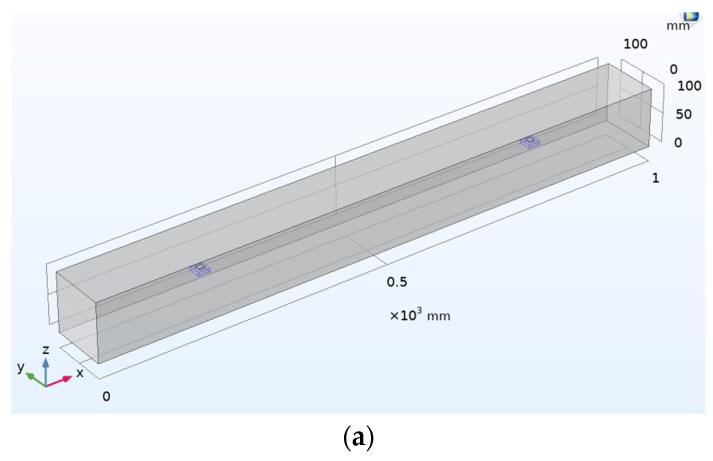
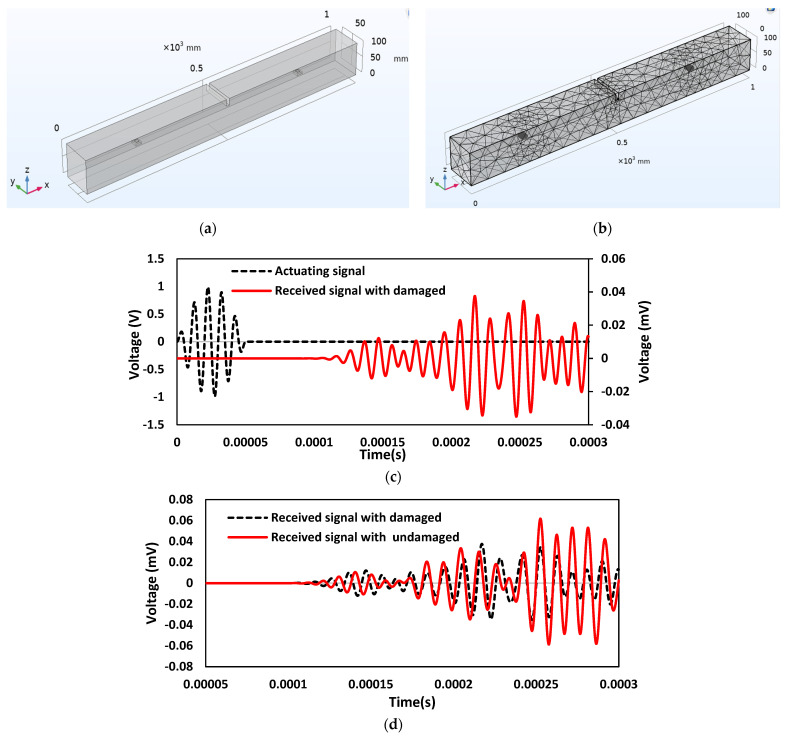
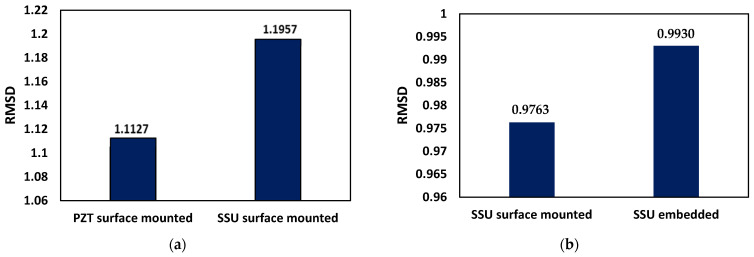
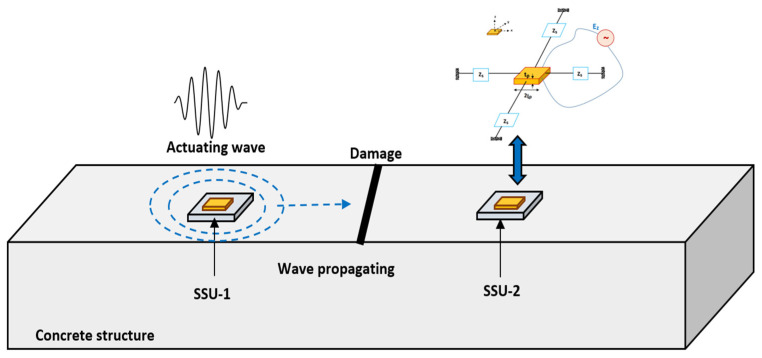
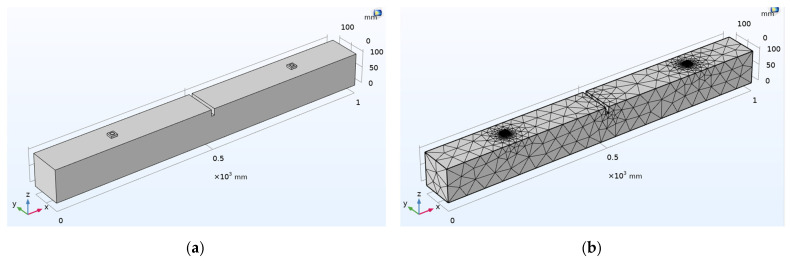
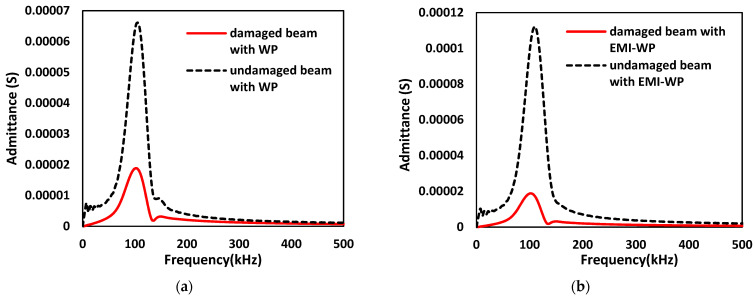
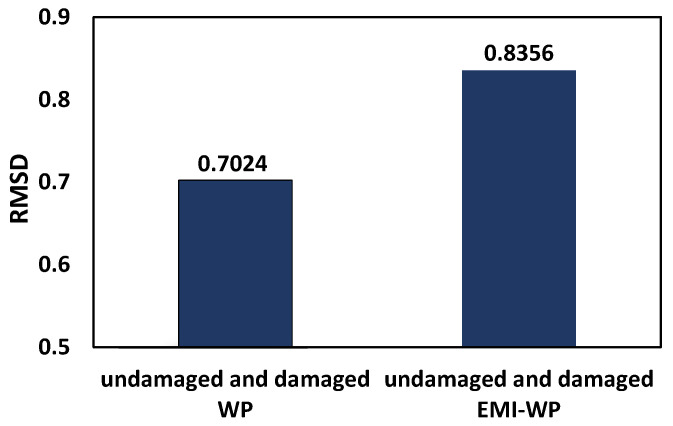
Lead Zirconate Titanate (PZT) sensors have become popular in structural health monitoring (SHM) using the electromechanical impedance (EMI) technique for damage identification. The vibrations generated during the casting process in concrete structures substantially impact the conductance signature's (real part of admittance) magnitude and sensitivity. The concept of smart sensing units (SSU) is presented, composed of a PZT patch, an adhesive layer, and a steel plate. It is embedded in the concrete structure to study the impact of damage since it has high sensitivity to detect any structural changes, resulting in a high electrical conductance signature. The conductance signatures are obtained from the EMI technique at the damage state in the 10-500 kHz high-frequency range. The wave propagation technique proposes implementing the novel embedded SSUs to detect damage in the host structure. The numerical simulation is carried out with COMSOL multiphysics, and the received voltage signal is compared between the damaged and undamaged concrete beam with the applied actuation signal. A five-cycle sine burst modulated by a Hanning window is employed as the transient excitation signal. For numerical investigation, six cases are explored to better understand how the wave travels when a structural discontinuity is accounted for. The changes in the received signal during actuator-receiver mode in the damage state of the host structure are quantified using time of flight (TOF). Furthermore, the numerical studies are carried out by combining the EMI-WP technique, which implies synchronous activation of EMI-based measurements and wave stimulation. The fundamental idea is to implement EMI-WP to improve the effectiveness of SSU patches in detecting both near-field and far-field damage in structures. One SSU is used as an EMI admittance sensor for local damage identification. Meanwhile, the same EMI admittance sensor is used to acquire elastic waves generated by another SSU to monitor damages outside the EMI admittance sensor's sensing area. Finally, the experimental validation is carried out to verify the proposed methodology. The results show that combining both techniques is an effective SHM method for detecting damage in concrete structures.
锆钛酸铅(PZT)传感器在使用机电阻抗(EMI)技术进行损伤识别的结构健康监测(SHM)中已变得很流行。混凝土结构浇筑过程中产生的振动会对电导特征(导纳的实部)的幅度和灵敏度产生重大影响。本文提出了智能传感单元(SSU)的概念,它由一个PZT贴片、一个粘结层和一块钢板组成。由于其对检测任何结构变化具有高灵敏度,从而产生高电导特征,因此将其嵌入混凝土结构中以研究损伤的影响。电导特征是在10 - 500 kHz高频范围内的损伤状态下通过EMI技术获得的。波传播技术建议采用新型嵌入式SSU来检测主体结构中的损伤。使用COMSOL多物理场进行了数值模拟,并将受损和未受损混凝土梁在施加激励信号时接收到的电压信号进行了比较。采用由汉宁窗调制的五周期正弦脉冲串作为瞬态激励信号。为了进行数值研究,探索了六种情况,以更好地理解当考虑结构不连续时波是如何传播的。使用飞行时间(TOF)对主体结构损伤状态下激励器 - 接收器模式期间接收到的信号变化进行量化。此外,通过结合EMI - WP技术进行数值研究,这意味着同步激活基于EMI的测量和波激励。其基本思想是实施EMI - WP以提高SSU贴片在检测结构近场和远场损伤方面的有效性。一个SSU用作EMI导纳传感器用于局部损伤识别。同时,使用同一个EMI导纳传感器获取由另一个SSU产生的弹性波,以监测EMI导纳传感器传感区域之外的损伤。最后,进行了实验验证以验证所提出的方法。结果表明,将这两种技术结合起来是一种检测混凝土结构损伤的有效SHM方法。