Institute of Biomedicine of Seville (IBiS), Hospital Universitario Virgen del Rocío, CSIC, CIBERONC, Seville, Spain.
Department of Medical Biochemistry and Molecular Biology, School of Medicine, University of Seville/Virgen Macarena University Hospital, Seville, Spain.
Oncogene. 2022 Apr;41(18):2638-2650. doi: 10.1038/s41388-022-02279-w. Epub 2022 Mar 30.
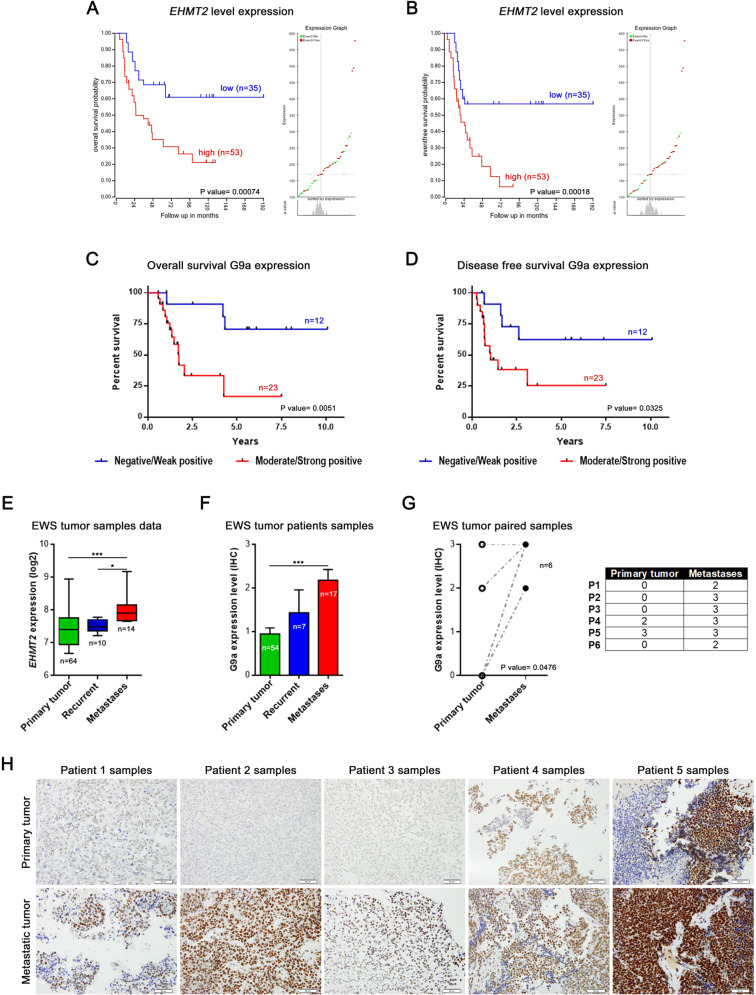
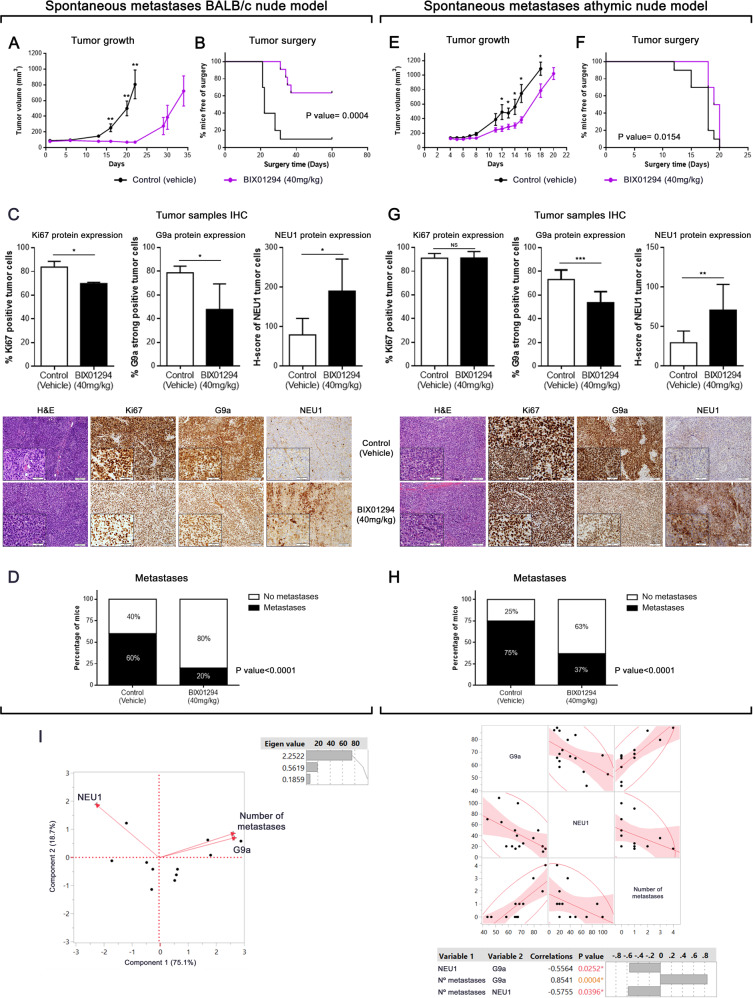
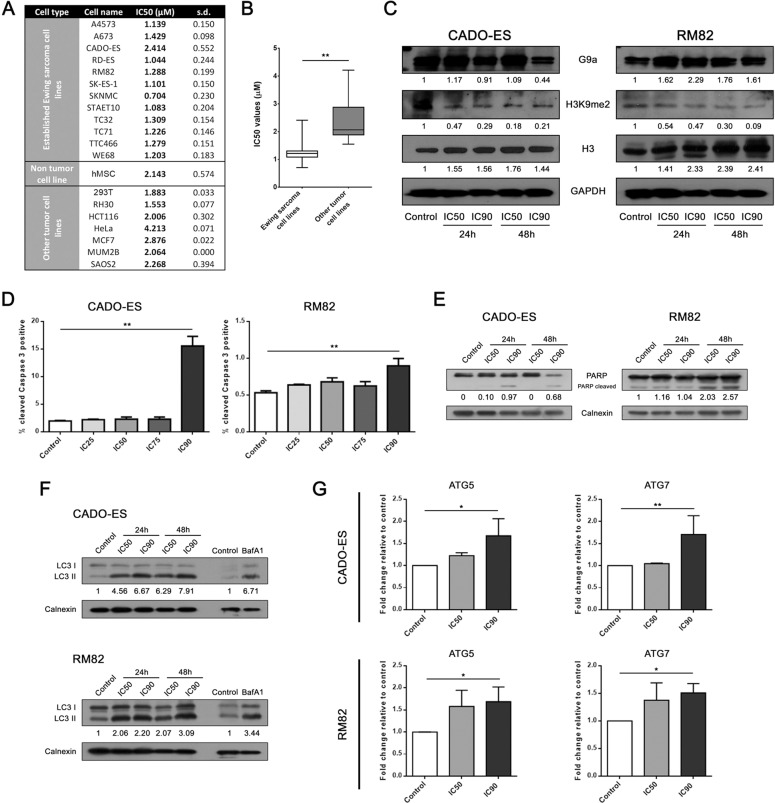
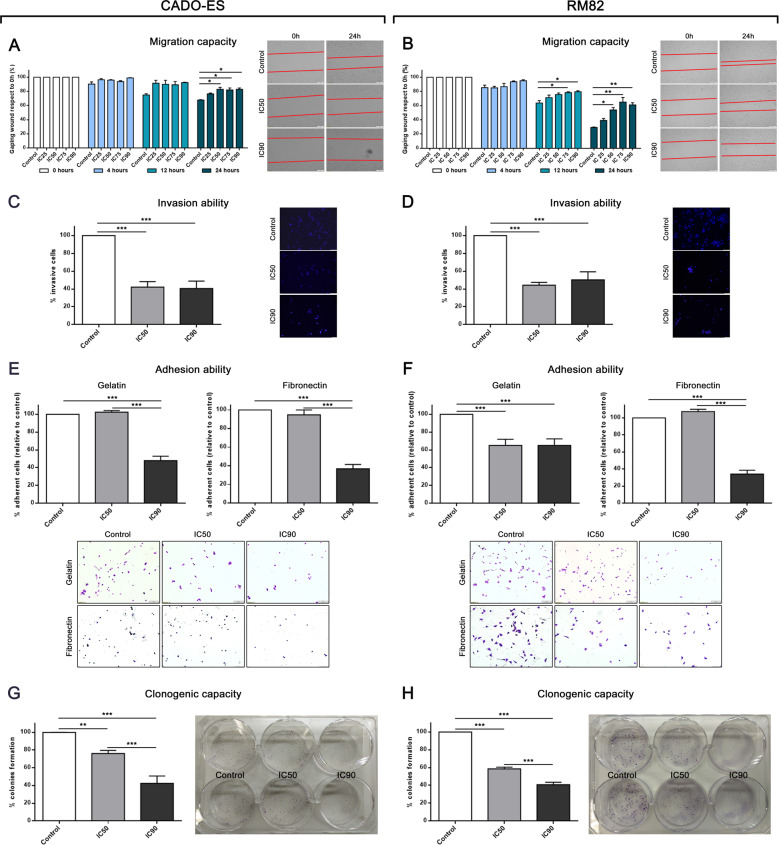
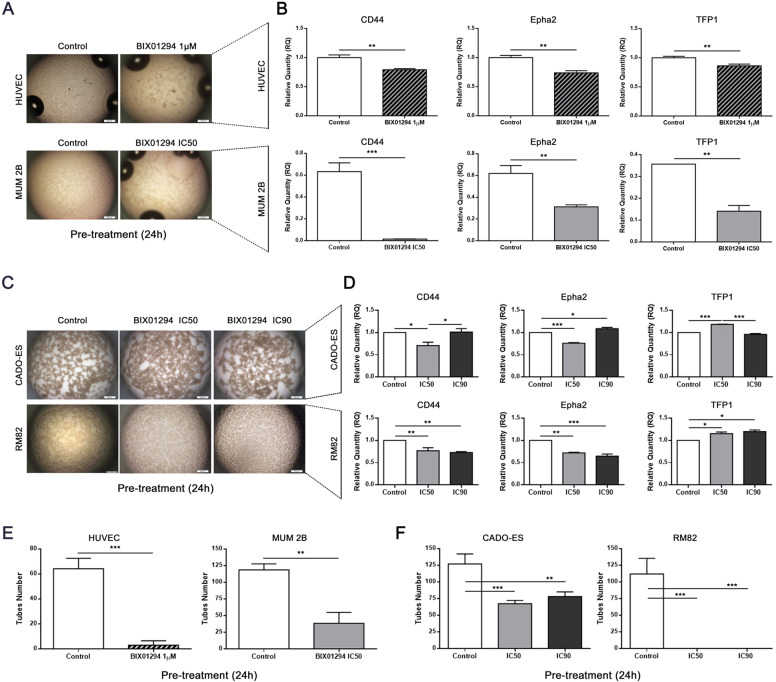
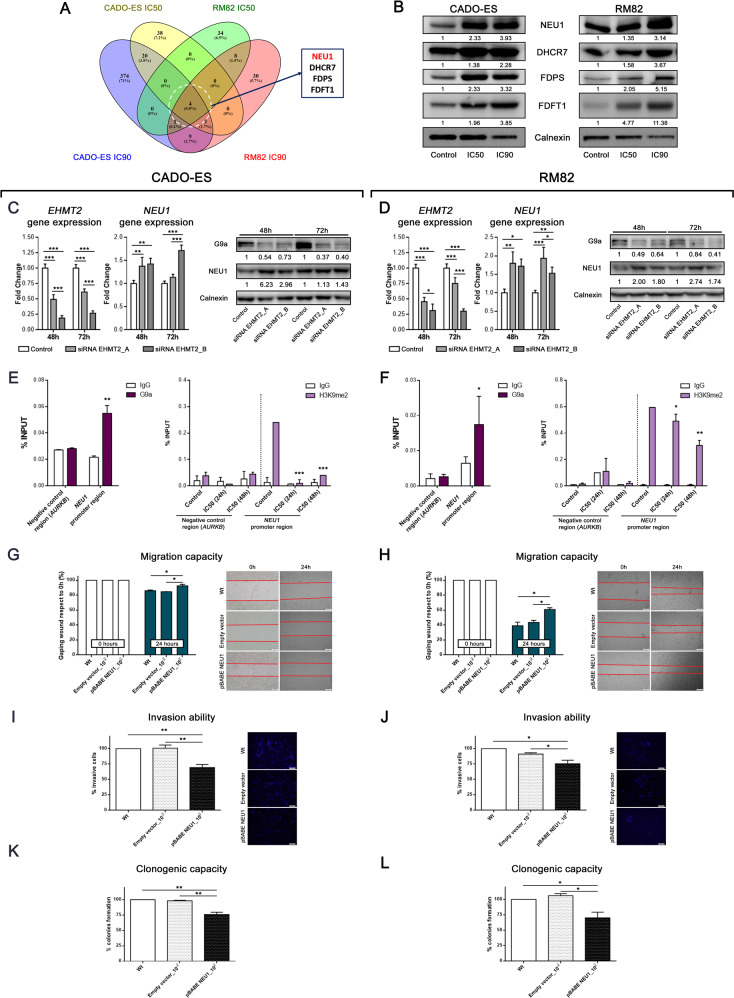
Ewing sarcoma (EWS) is an aggressive bone and soft tissue tumor with high susceptibility to metastasize. The underlying molecular mechanisms leading to EWS metastases remain poorly understood. Epigenetic changes have been implicated in EWS tumor growth and progression. Linking epigenetics and metastases may provide insight into novel molecular targets in EWS and improve its treatment. Here, we evaluated the effects of a selective G9a histone methyltransferase inhibitor (BIX01294) on EWS metastatic process. Our results showed that overexpression of G9a in tumors from EWS patients correlates with poor prognosis. Moreover, we observe a significantly higher expression of G9a in metastatic EWS tumor as compared to either primary or recurrent tumor. Using functional assays, we demonstrate that pharmacological G9a inhibition using BIX01294 disrupts several metastatic steps in vitro, such as migration, invasion, adhesion, colony formation and vasculogenic mimicry. Moreover, BIX01294 reduces tumor growth and metastases in two spontaneous metastases mouse models. We further identified the sialidase NEU1 as a direct target and effector of G9a in the metastatic process in EWS. NEU1 overexpression impairs migration, invasion and clonogenic capacity of EWS cell lines. Overall, G9a inhibition impairs metastases in vitro and in vivo through the overexpression of NEU1. G9a has strong potential as a prognostic marker and may be a promising therapeutic target for EWS patients.
尤因肉瘤(EWS)是一种侵袭性骨和软组织肿瘤,极易发生转移。导致 EWS 转移的潜在分子机制仍知之甚少。表观遗传改变与 EWS 肿瘤的生长和进展有关。将表观遗传学与转移联系起来,可能为 EWS 提供新的分子靶点,并改善其治疗效果。在这里,我们评估了一种选择性 G9a 组蛋白甲基转移酶抑制剂(BIX01294)对 EWS 转移过程的影响。我们的结果表明,EWS 患者肿瘤中 G9a 的过表达与预后不良相关。此外,我们观察到转移性 EWS 肿瘤中 G9a 的表达明显高于原发性或复发性肿瘤。通过功能测定,我们证明使用 BIX01294 进行药理学 G9a 抑制可破坏体外的多个转移步骤,如迁移、侵袭、黏附、集落形成和血管生成模拟。此外,BIX01294 可减少两种自发性转移小鼠模型中的肿瘤生长和转移。我们进一步确定唾液酸酶 NEU1 是 G9a 在 EWS 转移过程中的直接靶标和效应因子。NEU1 的过表达会损害 EWS 细胞系的迁移、侵袭和克隆形成能力。总的来说,G9a 抑制通过 NEU1 的过表达在体外和体内损害转移。G9a 具有很强的预后标志物潜力,可能成为 EWS 患者有前途的治疗靶点。