Foucher Laure, Barroca Maria João, Dulyanska Yuliya, Correia Paula M R, Guiné Raquel P F
Department of Food Industry, Agrarian School of Viseu, 3500-606 Viseu, Portugal.
University Institute of Technology, Angers University, 49035 Angers, France.
Foods. 2022 Mar 23;11(7):917. doi: 10.3390/foods11070917.
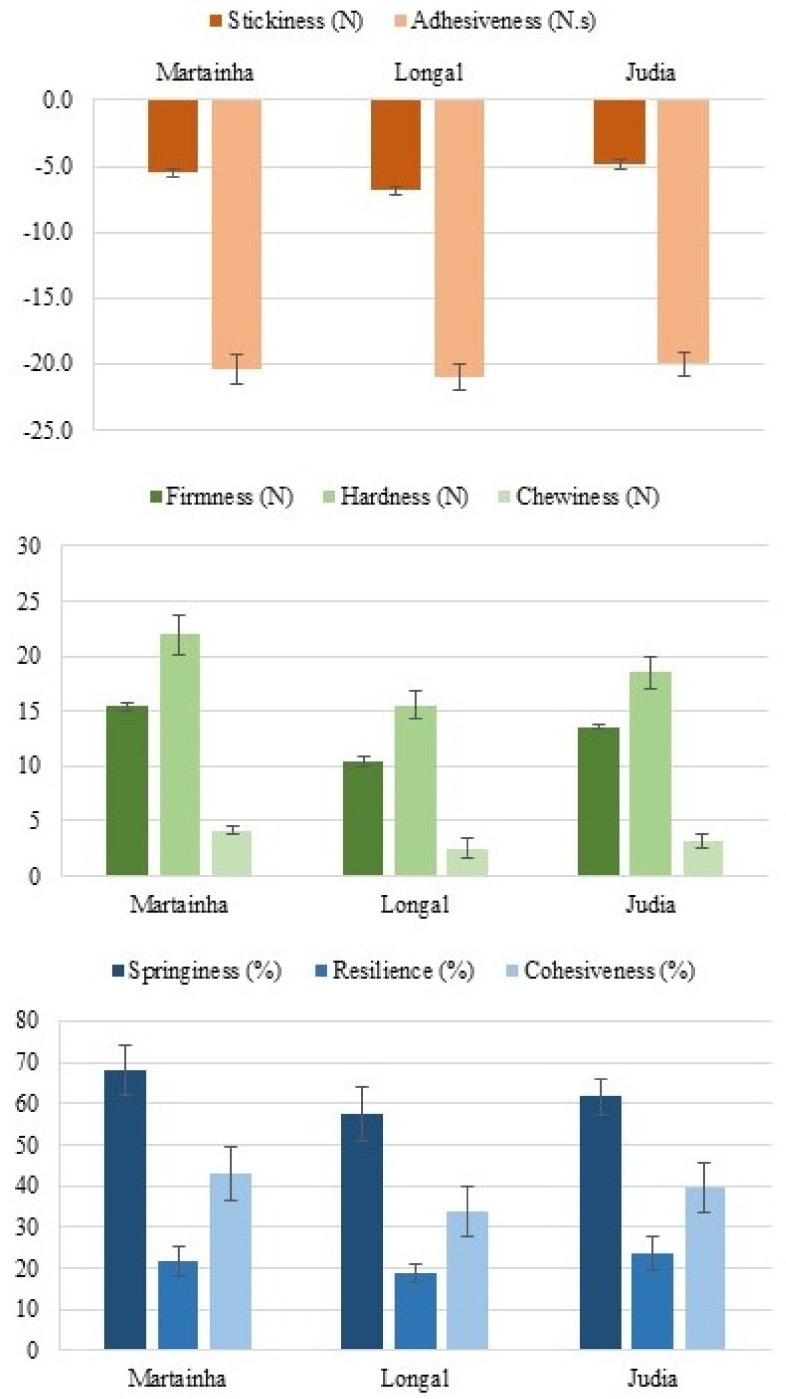
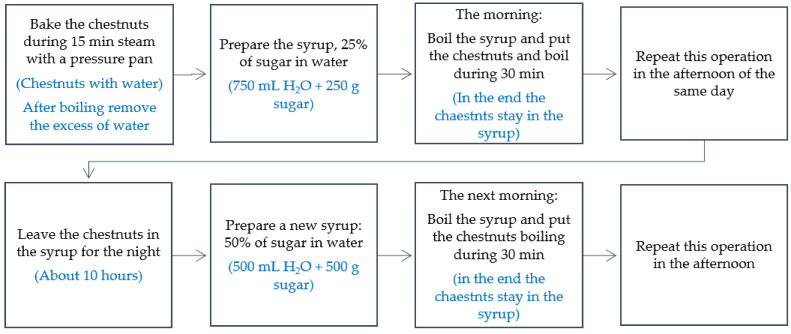
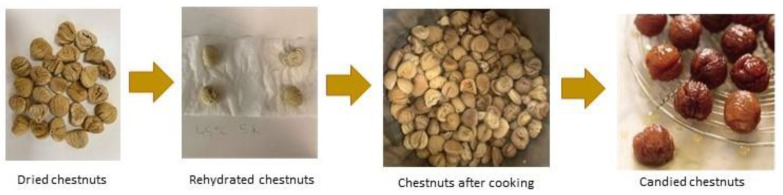
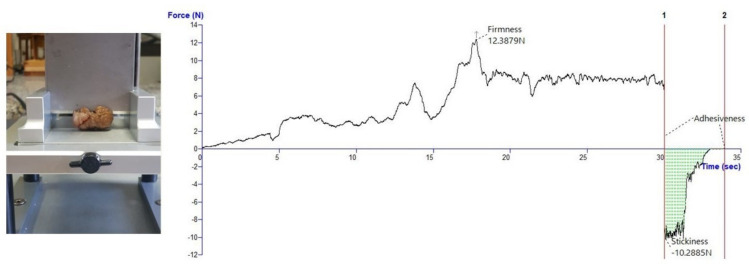
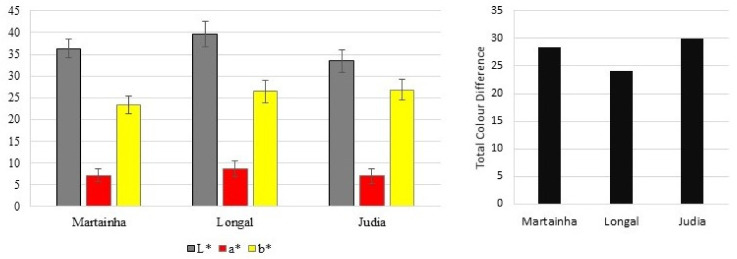
The main purpose of this work is the development of a value-added product (candied chestnuts) from Portuguese chestnut () cultivars (Martainha, Longal and Judia), as a way to minimize product loss and wastes. To accomplish this goal, the effects of rehydration, cooking, and syrup conditions on composition, textural properties, and colour parameters of candied chestnuts were investigated. The obtained results revealed that the optimal conditions to prepare candied chestnuts with a sweet taste, dark brown colour, with a crispy texture on the outside and smooth texture in the inner flesh were rehydration at 45 °C for a period of 5 h, cooking in a pressure pan for 15 min, and an immersion process with sucrose syrup for two days (syrup with 25% of sucrose on the first day and syrup of 50% of sucrose on the second day). During the process, the drying loss, hydration ratio, and cooking gain of the different cultivars were about 90%, 79%, and 130%, respectively. The total colour difference of candied chestnuts ranged from 24.18 (Longal) to 29.95 (Judia), the stickiness was moderately intense, and the adhesiveness was high for the three varieties. Longal candied chestnuts were the softest and Martainha candied chestnuts were the hardest, the most elastic, and cohesive. Moreover, the candied chestnuts presented a moisture content ranging from 52.70% and 54.23%, amounts of carbohydrates in the range of 88.58 to 91.87 g/100 g d.m, values of protein (6.55-9.51 g/100 g d.m.), values of ash (0.78-1.98 g/100 g d.m.), and fat (0.87-1.58 g/100 g d.m.). In conclusion, the chestnuts of Portuguese cultivars Martainha, Longal and Judia reveal a good potential to produce candied products with high added value.
这项工作的主要目的是利用葡萄牙板栗品种(马丁尼亚、隆加尔和朱迪亚)开发一种增值产品(糖渍栗子),以尽量减少产品损失和浪费。为实现这一目标,研究了复水、烹饪和糖浆条件对糖渍栗子的成分、质地特性和颜色参数的影响。所得结果表明,制备出具有甜味、深棕色、外皮酥脆且内部果肉质地光滑的糖渍栗子的最佳条件为:在45℃下复水5小时,在压力锅中烹饪15分钟,并用蔗糖糖浆浸泡两天(第一天用25%蔗糖的糖浆,第二天用50%蔗糖的糖浆)。在此过程中,不同品种的干燥损失、水合率和烹饪增重分别约为90%、79%和130%。糖渍栗子的总色差范围为24.18(隆加尔)至29.95(朱迪亚),粘性适中,这三个品种的粘附性都很高。隆加尔糖渍栗子最软,马丁尼亚糖渍栗子最硬、最有弹性且粘性最大。此外,糖渍栗子的水分含量在52.70%至54.23%之间,碳水化合物含量在88.58至91.87克/100克干物质之间,蛋白质含量在6.55 - 9.51克/100克干物质之间,灰分含量在0.78 - 1.98克/100克干物质之间,脂肪含量在0.87 - 1.58克/100克干物质之间。总之,葡萄牙品种马丁尼亚、隆加尔和朱迪亚的栗子具有生产高附加值糖渍产品的良好潜力。