Laboratory of Automatic Control, Signaling Processing and Systems Biology, Department of Electrical Engineering, National Tsing Hua University, Hsinchu 30013, Taiwan.
Int J Mol Sci. 2022 Mar 26;23(7):3649. doi: 10.3390/ijms23073649.
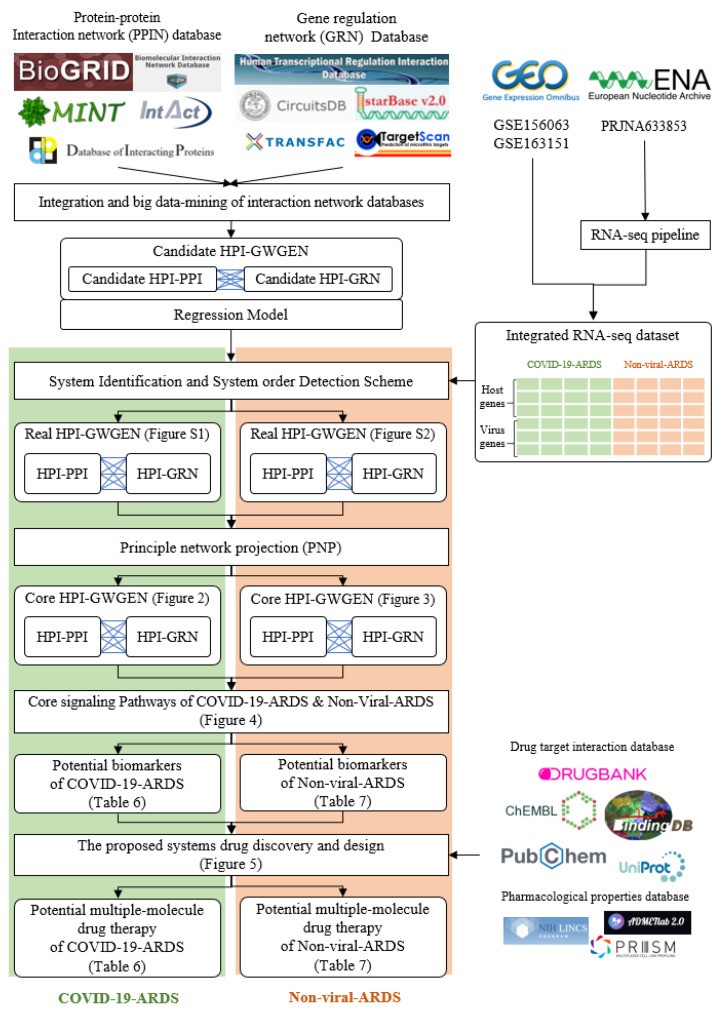
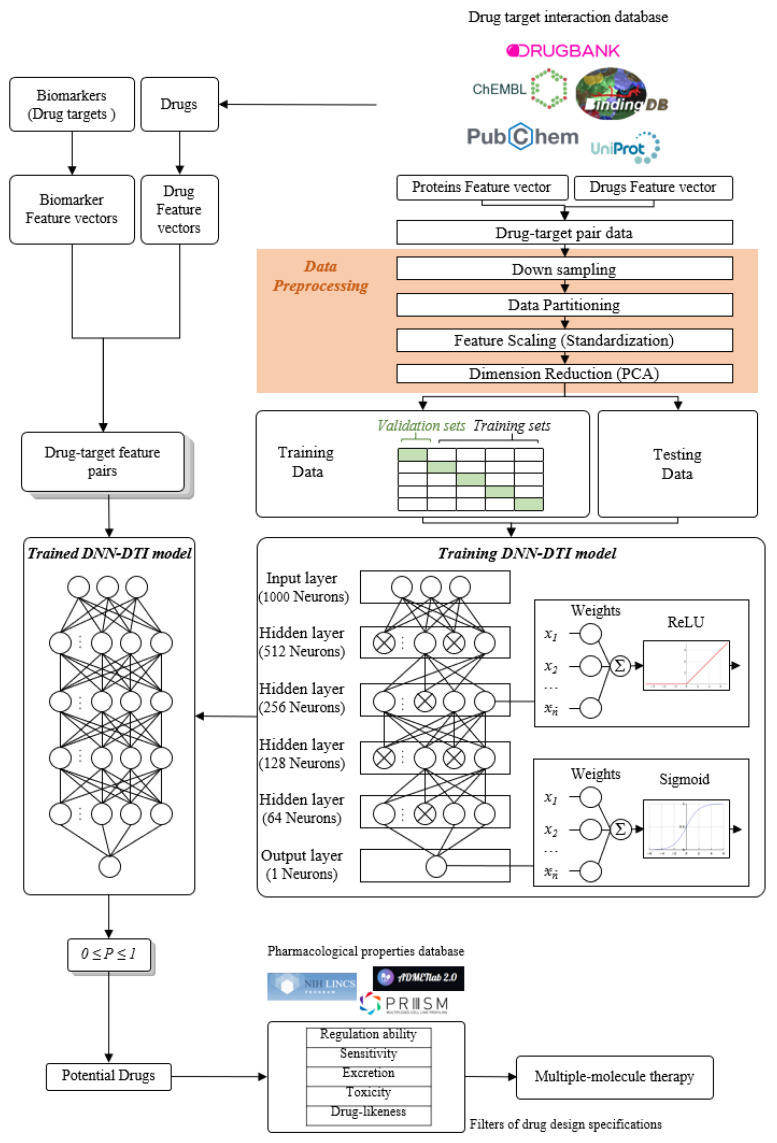
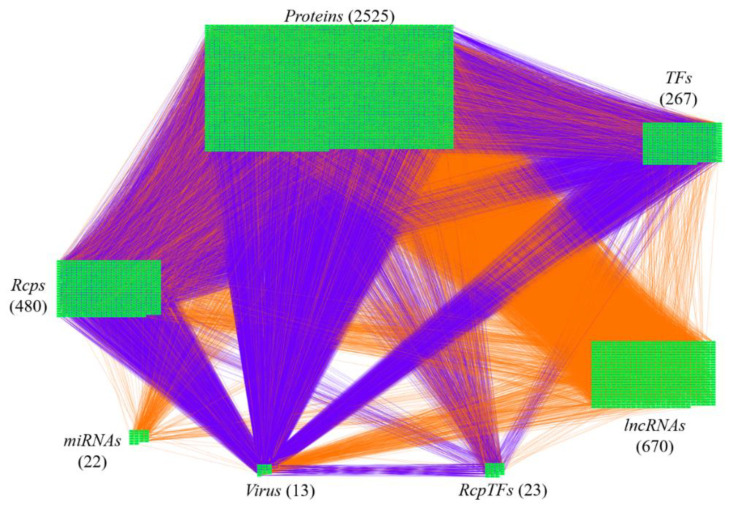
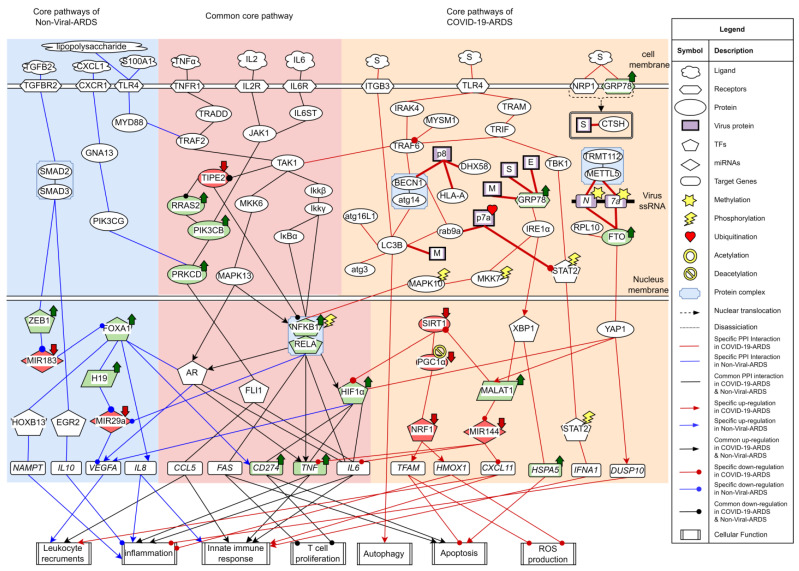
The coronavirus disease 2019 (COVID-19) epidemic is currently raging around the world at a rapid speed. Among COVID-19 patients, SARS-CoV-2-associated acute respiratory distress syndrome (ARDS) is the main contribution to the high ratio of morbidity and mortality. However, clinical manifestations between SARS-CoV-2-associated ARDS and non-SARS-CoV-2-associated ARDS are quite common, and their therapeutic treatments are limited because the intricated pathophysiology having been not fully understood. In this study, to investigate the pathogenic mechanism of SARS-CoV-2-associated ARDS and non-SARS-CoV-2-associated ARDS, first, we constructed a candidate host-pathogen interspecies genome-wide genetic and epigenetic network (HPI-GWGEN) via database mining. With the help of host-pathogen RNA sequencing (RNA-Seq) data, real HPI-GWGEN of COVID-19-associated ARDS and non-viral ARDS were obtained by system modeling, system identification, and Akaike information criterion (AIC) model order selection method to delete the false positives in candidate HPI-GWGEN. For the convenience of mitigation, the principal network projection (PNP) approach is utilized to extract core HPI-GWGEN, and then the corresponding core signaling pathways of COVID-19-associated ARDS and non-viral ARDS are annotated via their core HPI-GWGEN by KEGG pathways. In order to design multiple-molecule drugs of COVID-19-associated ARDS and non-viral ARDS, we identified essential biomarkers as drug targets of pathogenesis by comparing the core signal pathways between COVID-19-associated ARDS and non-viral ARDS. The deep neural network of the drug-target interaction (DNN-DTI) model could be trained by drug-target interaction databases in advance to predict candidate drugs for the identified biomarkers. We further narrowed down these predicted drug candidates to repurpose potential multiple-molecule drugs by the filters of drug design specifications, including regulation ability, sensitivity, excretion, toxicity, and drug-likeness. Taken together, we not only enlighten the etiologic mechanisms under COVID-19-associated ARDS and non-viral ARDS but also provide novel therapeutic options for COVID-19-associated ARDS and non-viral ARDS.
新型冠状病毒病 2019(COVID-19)疫情正在全球迅速蔓延。在 COVID-19 患者中,SARS-CoV-2 相关的急性呼吸窘迫综合征(ARDS)是导致高发病率和死亡率的主要原因。然而,SARS-CoV-2 相关 ARDS 和非 SARS-CoV-2 相关 ARDS 的临床表现相当常见,由于其复杂的病理生理学尚未完全了解,治疗方法有限。在这项研究中,为了研究 SARS-CoV-2 相关 ARDS 和非 SARS-CoV-2 相关 ARDS 的发病机制,我们首先通过数据库挖掘构建了候选宿主-病原体种间全基因组遗传和表观遗传网络(HPI-GWGEN)。借助宿主-病原体 RNA 测序(RNA-Seq)数据,通过系统建模、系统识别和 Akaike 信息准则(AIC)模型阶数选择方法,获得了 COVID-19 相关 ARDS 和非病毒性 ARDS 的真实 HPI-GWGEN,以删除候选 HPI-GWGEN 中的假阳性。为了便于缓解,我们利用主网络投影(PNP)方法提取核心 HPI-GWGEN,然后通过核心 HPI-GWGEN 对 COVID-19 相关 ARDS 和非病毒性 ARDS 的核心信号通路进行注释,通过 KEGG 通路。为了设计 COVID-19 相关 ARDS 和非病毒性 ARDS 的多分子药物,我们通过比较 COVID-19 相关 ARDS 和非病毒性 ARDS 的核心信号通路,将核心信号通路作为发病机制的药物靶点进行鉴定。我们可以通过药物-靶点相互作用数据库预先训练药物-靶点相互作用的深度神经网络(DNN-DTI)模型,以预测鉴定的生物标志物的候选药物。我们进一步通过药物设计规范(包括调节能力、敏感性、排泄、毒性和类药性)的过滤器来缩小这些预测药物候选物,以确定潜在的多分子药物。综上所述,我们不仅阐明了 COVID-19 相关 ARDS 和非 SARS-CoV-2 相关 ARDS 的病因机制,还为 COVID-19 相关 ARDS 和非 SARS-CoV-2 相关 ARDS 提供了新的治疗选择。