Department of General Surgery, The Second Xiangya Hospital, Central South University, Changsha, China.
Department of Gastrointestinal Surgery, West China Hospital, Sichuan University, Chengdu, China.
Front Immunol. 2022 Mar 29;13:870264. doi: 10.3389/fimmu.2022.870264. eCollection 2022.
Necroptosis is a form of regulatory cell death (RCD) that attracts and activates immune cells, resulting in pro-tumor or anti-tumor effects. The purpose of this study was to investigate genes associated with necroptosis, to construct a risk score for predicting overall survival in patients with hepatocellular carcinoma, and to find potentially effective drugs.
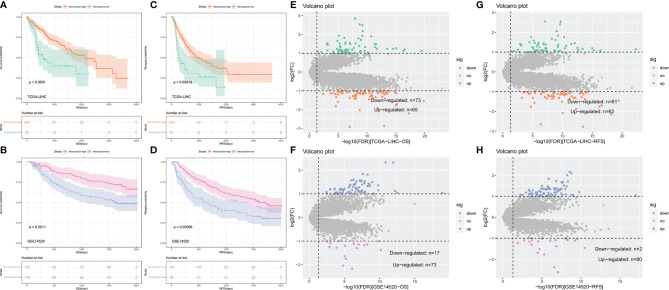
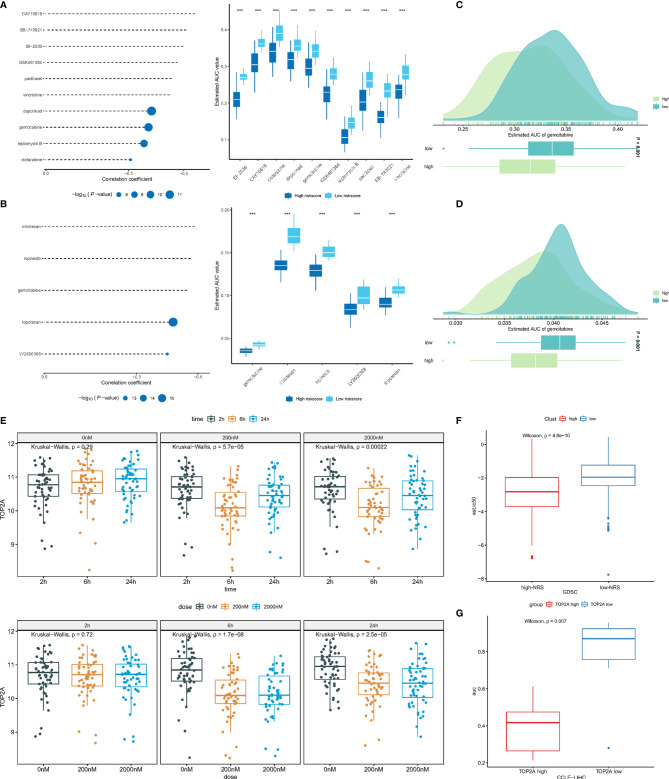
The three algorithms ssGSEA, EPIC, and ESTIMATE were used to quantify the immune cell infiltration of the samples, differentially expressed genes (DEGs) analysis, and weighted gene co-expression network analysis were used to screen necroptosis related genes. Variables were screened according to random survival forest analysis, and combinations with significant p-values and a low number of genes were defined as prognostic signatures by using log-rank test after gene combination. Based on the sensitivity data of PRISM and CTRP2.0 datasets, we predicted the potential therapeutic agents for high-NRS patients.
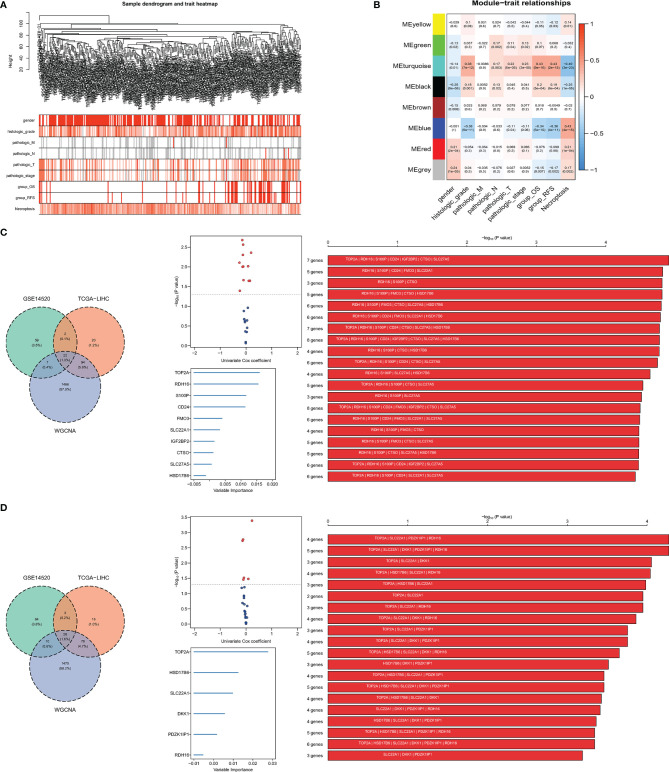
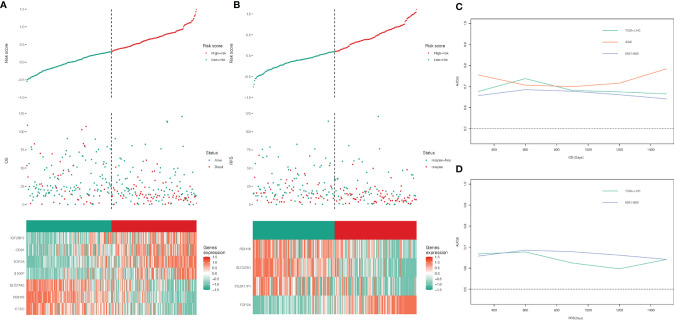
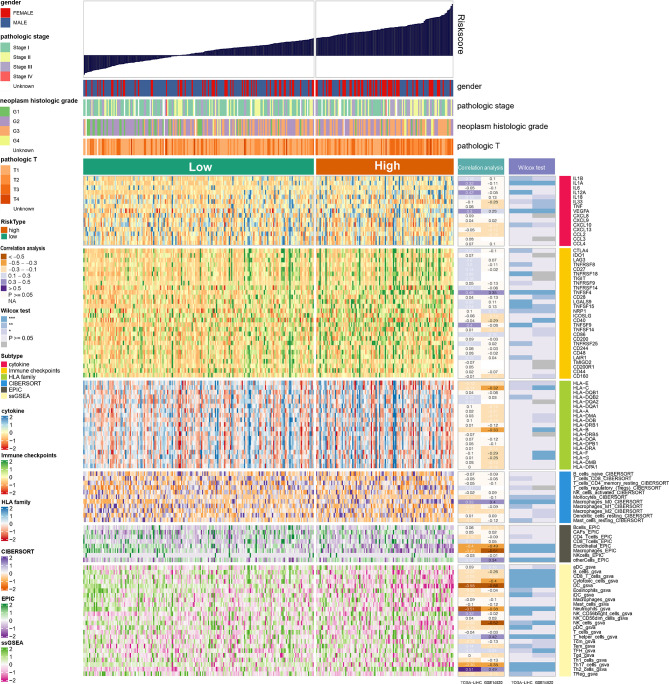
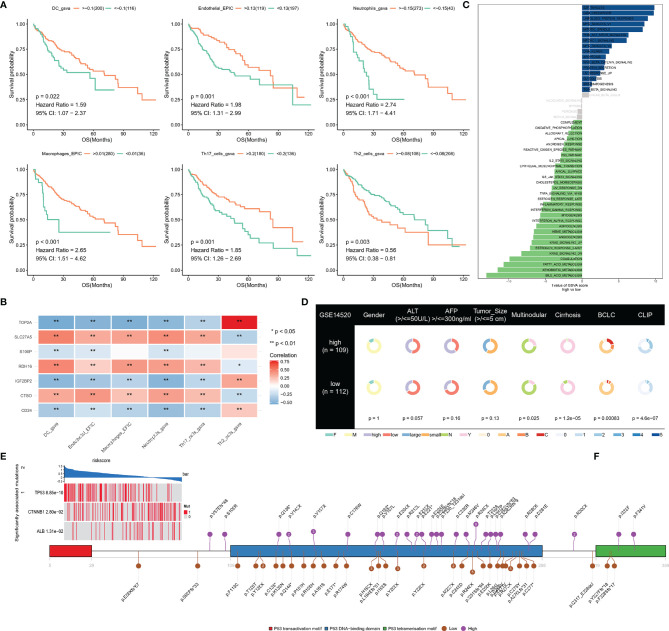
Seven genes such as TOP2A were used to define necroptosis-related risk score (NRS). The prognostic value of risk score was further validated, where high NRS was identified as a poor prognostic factor and tended to have higher grades of histologic grade, pathologic stage, T stage, BCLC, CLIP, and higher AFP. Higher NRS was also negatively correlated with the abundance of DCs, Neutrophils, Th17 cells, Macrophages, Endothelial, and positively correlated with Th2 cells. Necroptosis is often accompanied by the release of multiple cytokines, and we found that some cytokines were significantly correlated with both NRS and immune cells, suggesting that necroptosis may affect the infiltration of immune cells through cytokines. In addition, we found that TP53 mutations were more common in samples with high NRS, and these mutations may be associated with changes in NRS. Patients with high NRS may be more sensitive to gemcitabine, and gemcitabine may be an effective drug to improve the prognosis of patients with high NRS, which may play a role by inhibiting the expression of TOP2A.
We constructed a necroptosis-related scoring model to predict OS in HCC patients, and NRS was associated with immune response, TP53 mutation, and poor clinical classification in HCC patients. In addition, gemcitabine may be an effective drug for high-NRS patients.
坏死性凋亡是一种调节性细胞死亡(RCD)形式,它能吸引并激活免疫细胞,从而产生促肿瘤或抗肿瘤作用。本研究旨在探讨与坏死性凋亡相关的基因,构建预测肝细胞癌患者总生存期的风险评分,并寻找潜在有效的药物。
使用 ssGSEA、EPIC 和 ESTIMATE 三种算法来量化样本的免疫细胞浸润情况,通过差异表达基因(DEGs)分析和加权基因共表达网络分析筛选与坏死性凋亡相关的基因。根据随机生存森林分析筛选变量,然后使用对数秩检验对基因组合进行后处理,以确定具有显著 p 值和基因数量较少的组合作为预后标志物。基于 PRISM 和 CTRP2.0 数据集的敏感性数据,我们预测了高 NRS 患者的潜在治疗药物。
确定了 7 个基因(如 TOP2A)来定义与坏死性凋亡相关的风险评分(NRS)。进一步验证了风险评分的预后价值,其中高 NRS 被确定为不良预后因素,且倾向于具有更高的组织学分级、病理分期、T 分期、BCLC、CLIP 分级和更高的 AFP。高 NRS 还与树突状细胞、中性粒细胞、Th17 细胞、巨噬细胞、内皮细胞的丰度呈负相关,与 Th2 细胞的丰度呈正相关。坏死性凋亡通常伴随着多种细胞因子的释放,我们发现一些细胞因子与 NRS 和免疫细胞均显著相关,提示坏死性凋亡可能通过细胞因子影响免疫细胞的浸润。此外,我们发现高 NRS 样本中 TP53 突变更为常见,这些突变可能与 NRS 的变化有关。高 NRS 患者可能对吉西他滨更为敏感,吉西他滨可能通过抑制 TOP2A 的表达来改善高 NRS 患者的预后,从而发挥作用。
我们构建了一个与坏死性凋亡相关的评分模型来预测 HCC 患者的 OS,NRS 与 HCC 患者的免疫反应、TP53 突变和不良临床分类相关。此外,吉西他滨可能是高 NRS 患者的有效药物。