Tripathy Satyaswarup, Mohapatra Devi Prasad, Thiruvoth Friji Meethale, Sharma Ramesh Kumar, Reddy Likhitha, Thomas Neljo
Department of Plastic Surgery, Post Graduate Medical Education and Research (PGIMER), Chandigarh, India.
Department of Plastic Surgery, JIPMER, Gorimedu, Puducherry, India.
Indian J Plast Surg. 2022 Feb 25;55(1):102-106. doi: 10.1055/s-0041-1740083. eCollection 2022 Feb.
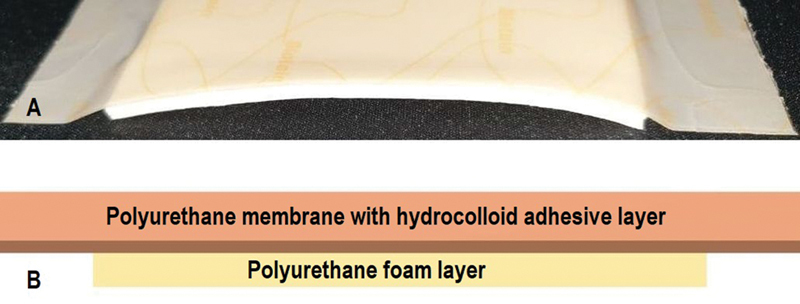
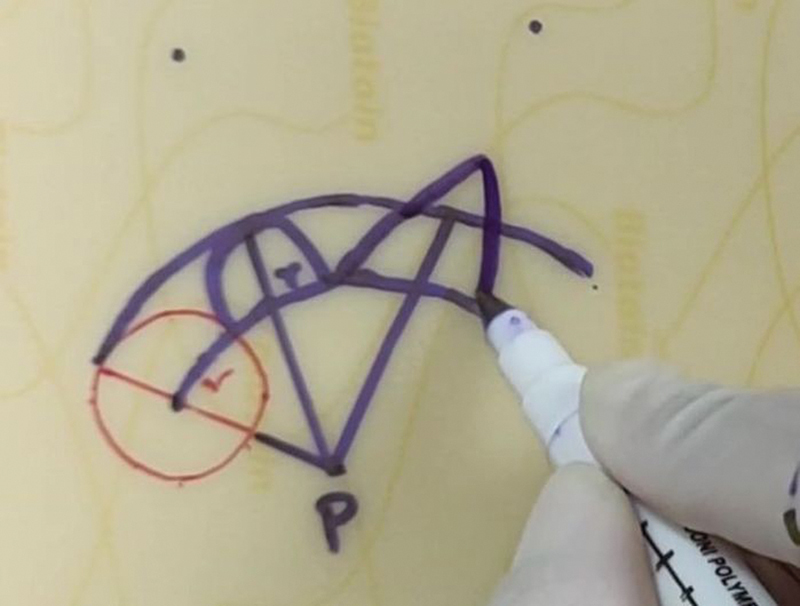
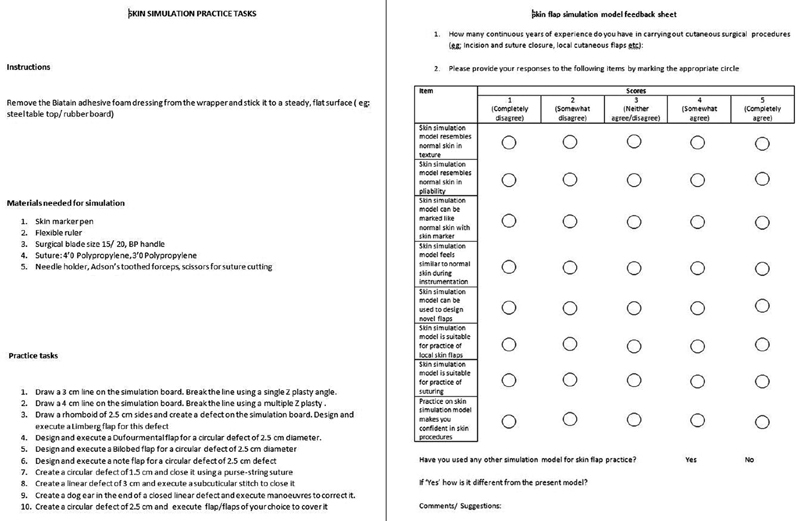
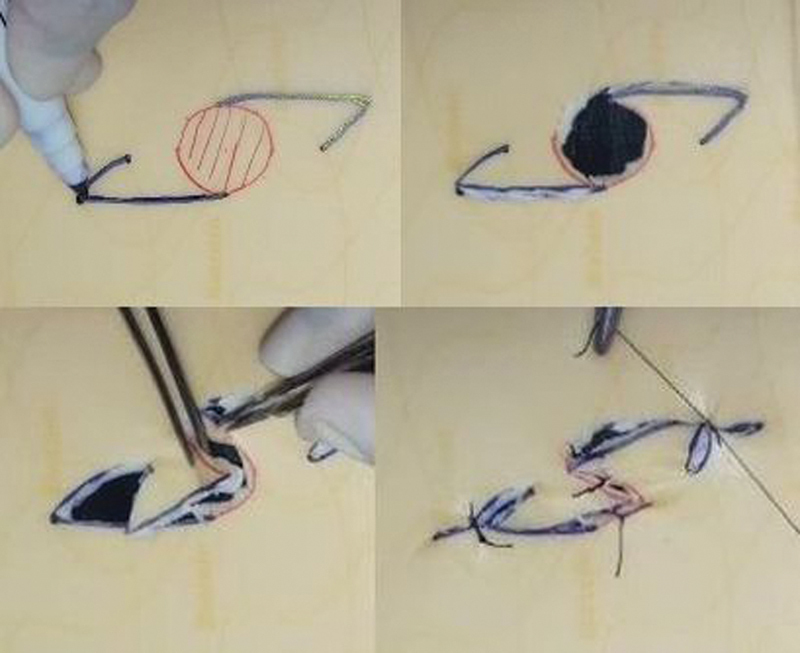
Competency-based medical education (CBME) approach in the medical curriculum has been introduced globally with the goal of providing flexibility, accountability, and learner-centeredness among medical learners. Traditional surgical skill training in most places has relied on "see one, do one, teach one model," while simulation model-based training has been shown to improve competencies in surgical trainees. We wanted to assess the usefulness of a hydrophilic barrier adhesive foam wound dressing as a novel skin simulation model for learning biomechanics and practice of cutaneous flaps among plastic surgical resident trainees at our institute. An absorbent, soft polyurethane foam pad located centrally upon a larger polyurethane membrane, coated with a hydrocolloid adhesive, forming an island dressing, was used as a simulation model for this study. It was obtained from the hospital store either after or nearing their expiry dates of clinical use. Plastic surgery residents in different years of training were invited to participate in a simulation workshop, using this novel model, and give their feedback. Seventeen residents in different plastic surgery training levels participated in the workshop and gave their feedback on the skin flap simulation model. The simulation model received extremely high (100%) scores on two parameters, namely, utility for flap and suture practice and high scores (88%-94%) for texture, ability to mark, and improving confidence among trainees. Adhesive bilayer polyurethane foam can be used as a novel cutaneous skin flap simulation model for understanding the biomechanics of skin flaps and cutaneous flap practice.
医学课程中的基于胜任力的医学教育(CBME)方法已在全球范围内引入,目标是在医学学习者中提供灵活性、问责制和以学习者为中心。在大多数地方,传统的外科技能培训依赖于“看一个,做一个,教一个模式”,而基于模拟模型的培训已被证明可以提高外科住院医师的能力。我们想评估一种亲水性屏障粘性泡沫伤口敷料作为一种新型皮肤模拟模型在我校整形外科住院医师学员学习皮瓣生物力学和皮瓣实践中的有用性。
本研究使用了一种吸收性软质聚氨酯泡沫垫,该泡沫垫位于较大的聚氨酯膜中央,涂有亲水胶体粘合剂,形成一种岛状敷料,作为模拟模型。它是从医院仓库获取的,要么是在临床使用过期后,要么是接近过期时。邀请不同培训年份的整形外科住院医师参加一个使用这种新型模型的模拟工作坊,并给出他们的反馈。
17名处于不同整形外科培训水平的住院医师参加了该工作坊,并对皮瓣模拟模型给出了反馈。该模拟模型在皮瓣和缝合实践的实用性以及质地、标记能力和提高学员信心等参数方面获得了极高(100%)的分数,以及高分(88%-94%)。
双层粘性聚氨酯泡沫可作为一种新型的皮肤皮瓣模拟模型,用于理解皮瓣的生物力学和皮瓣实践。