Institute of Oncology Research (IOR), Oncology Institute of Southern Switzerland (IOSI), CH6500, Bellinzona, Switzerland.
Università della Svizzera Italiana, CH6900, Lugano, Switzerland.
Nat Commun. 2022 Apr 21;13(1):2177. doi: 10.1038/s41467-022-29824-1.
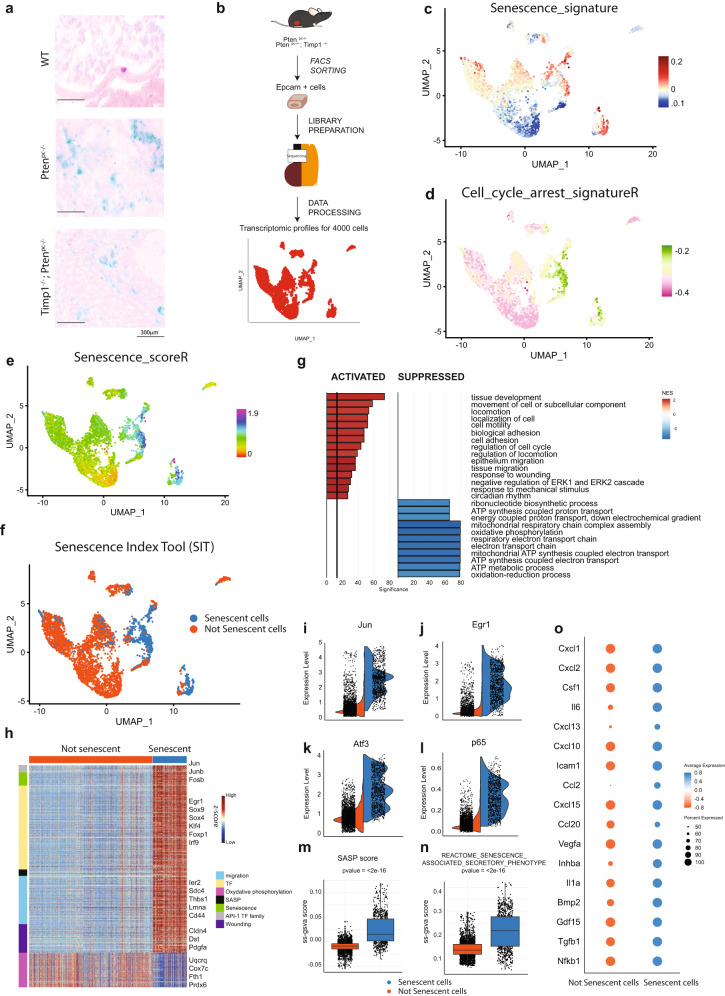
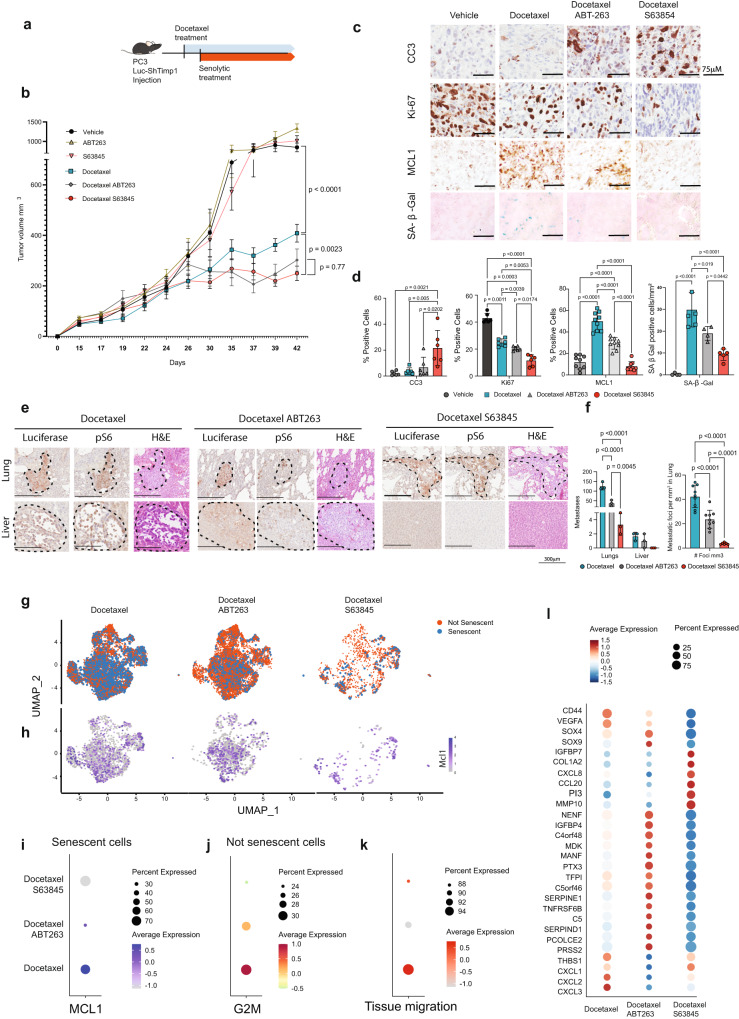
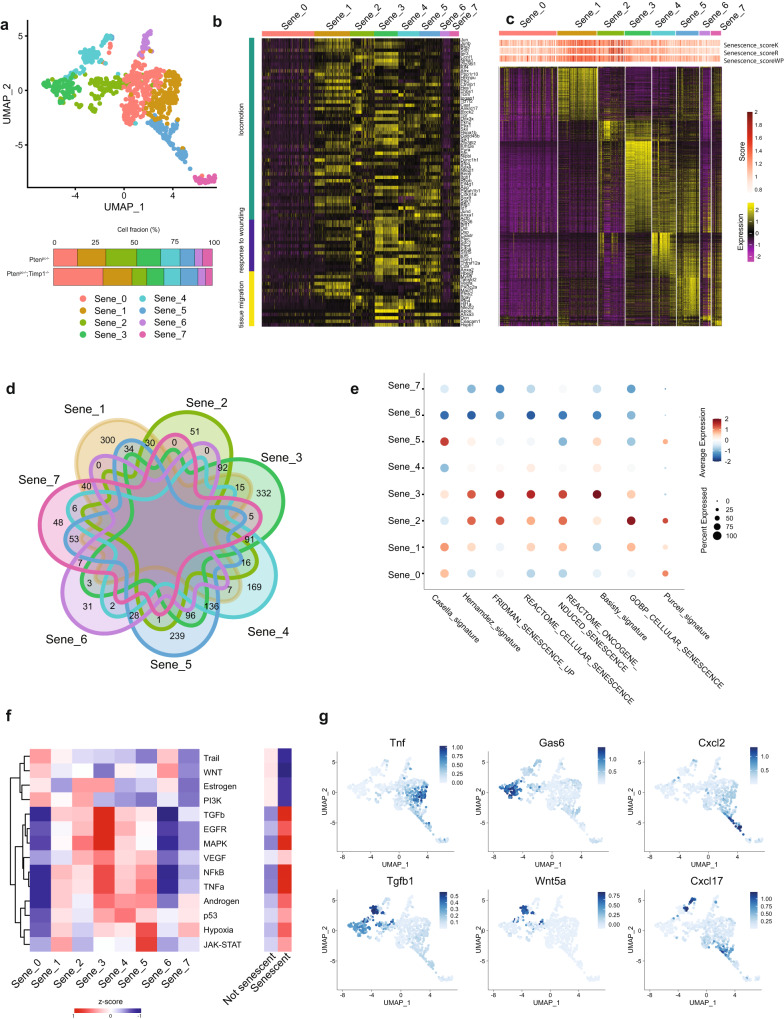
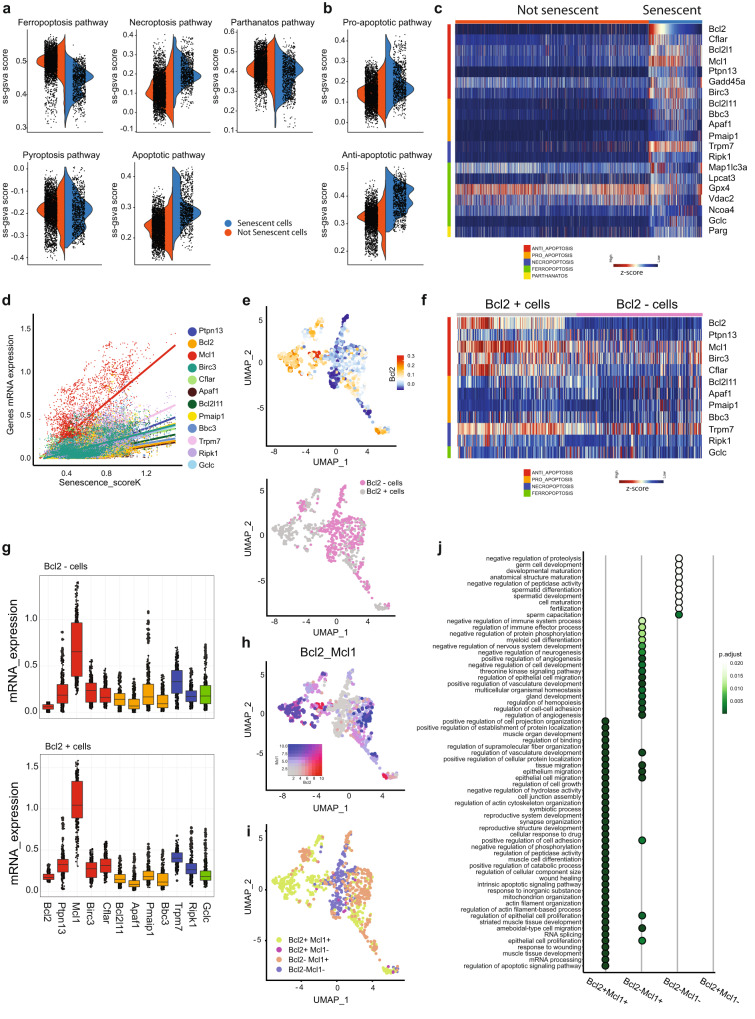
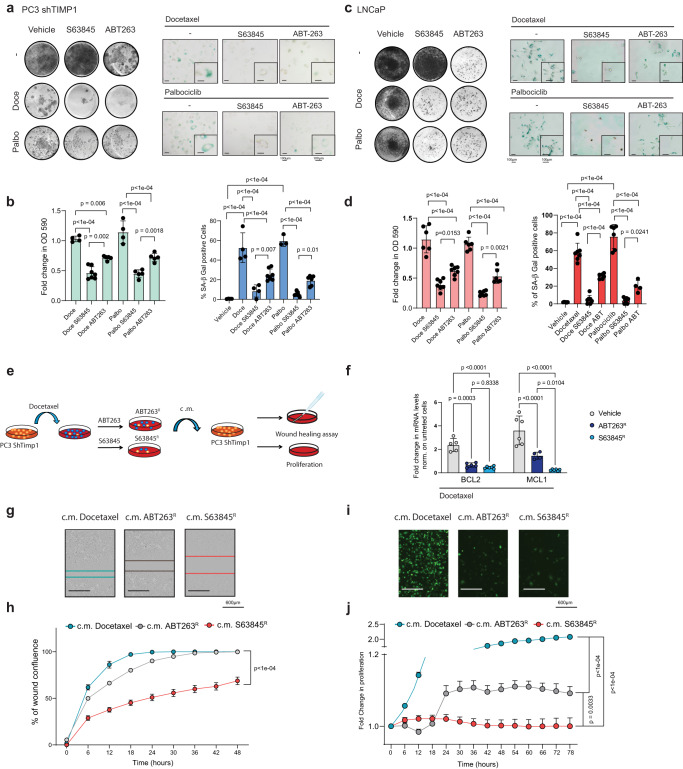
Cells subjected to treatment with anti-cancer therapies can evade apoptosis through cellular senescence. Persistent senescent tumor cells remain metabolically active, possess a secretory phenotype, and can promote tumor proliferation and metastatic dissemination. Removal of senescent tumor cells (senolytic therapy) has therefore emerged as a promising therapeutic strategy. Here, using single-cell RNA-sequencing, we find that senescent tumor cells rely on the anti-apoptotic gene Mcl-1 for their survival. Mcl-1 is upregulated in senescent tumor cells, including cells expressing low levels of Bcl-2, an established target for senolytic therapy. While treatment with the Bcl-2 inhibitor Navitoclax results in the reduction of metastases in tumor bearing mice, treatment with the Mcl-1 inhibitor S63845 leads to complete elimination of senescent tumor cells and metastases. These findings provide insights on the mechanism by which senescent tumor cells survive and reveal a vulnerability that can be exploited for cancer therapy.
经抗癌疗法处理的细胞可通过细胞衰老逃避细胞凋亡。持续存在的衰老肿瘤细胞仍具有代谢活性,表现出分泌表型,并能促进肿瘤增殖和转移扩散。因此,清除衰老肿瘤细胞(衰老肿瘤细胞清除疗法)已成为一种很有前途的治疗策略。在这里,我们通过单细胞 RNA 测序发现,衰老肿瘤细胞依赖抗凋亡基因 Mcl-1 来存活。衰老肿瘤细胞中 Mcl-1 上调,包括表达低水平 Bcl-2 的细胞,Bcl-2 是衰老肿瘤细胞清除疗法的既定靶点。虽然 Bcl-2 抑制剂 Navitoclax 的治疗可导致荷瘤小鼠转移减少,但 Mcl-1 抑制剂 S63845 的治疗可导致衰老肿瘤细胞和转移完全消除。这些发现提供了关于衰老肿瘤细胞存活机制的见解,并揭示了可用于癌症治疗的脆弱性。