Department of Anesthesiology and Shock, Trauma and Anesthesiology Research Center, University of Maryland School of Medicine, Baltimore, MD, 21201, USA.
Geroscience. 2022 Jun;44(3):1407-1440. doi: 10.1007/s11357-022-00562-y. Epub 2022 Apr 22.
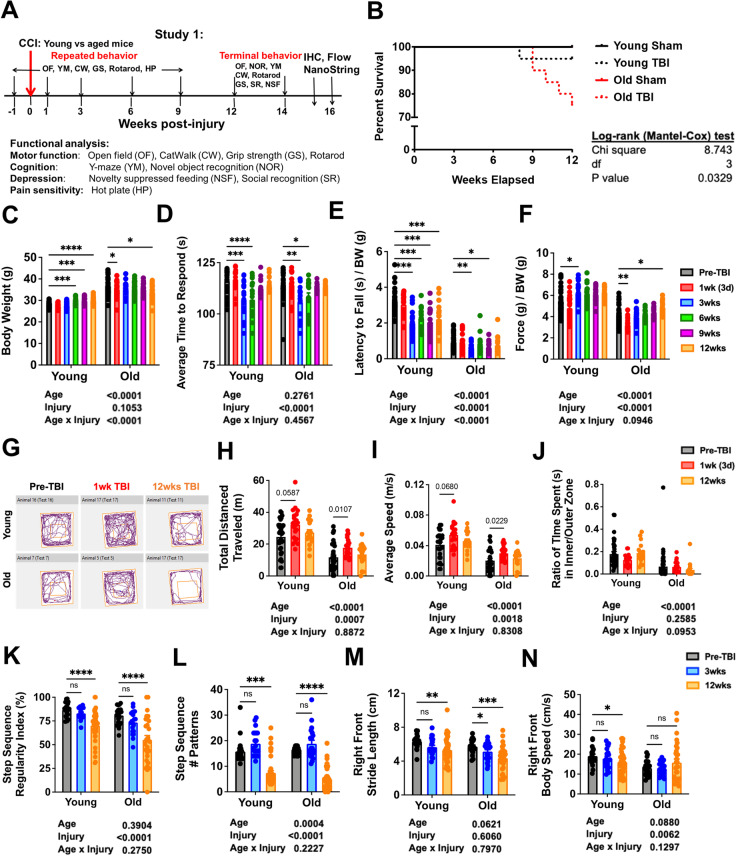
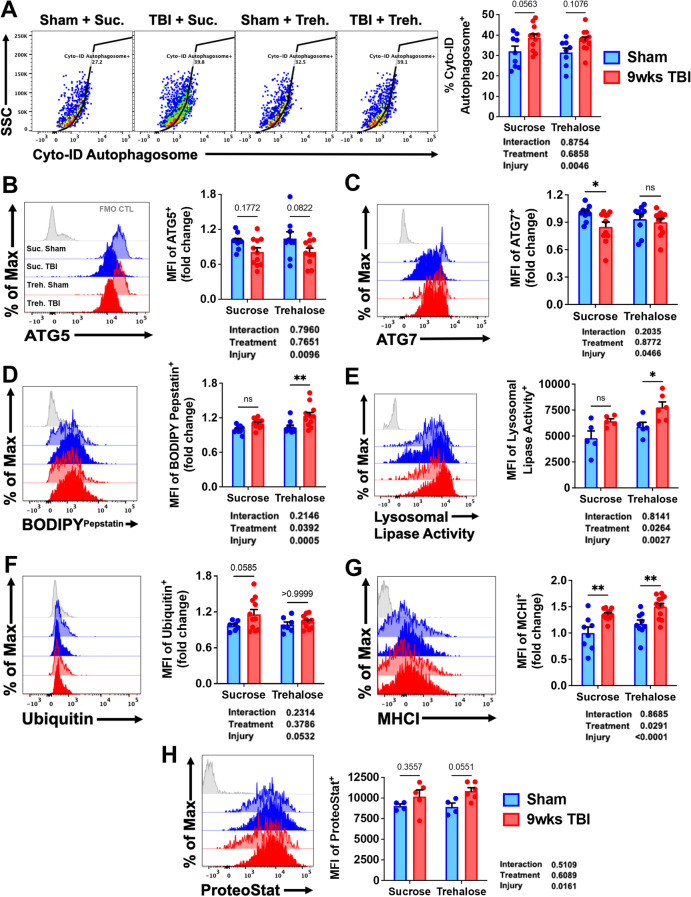
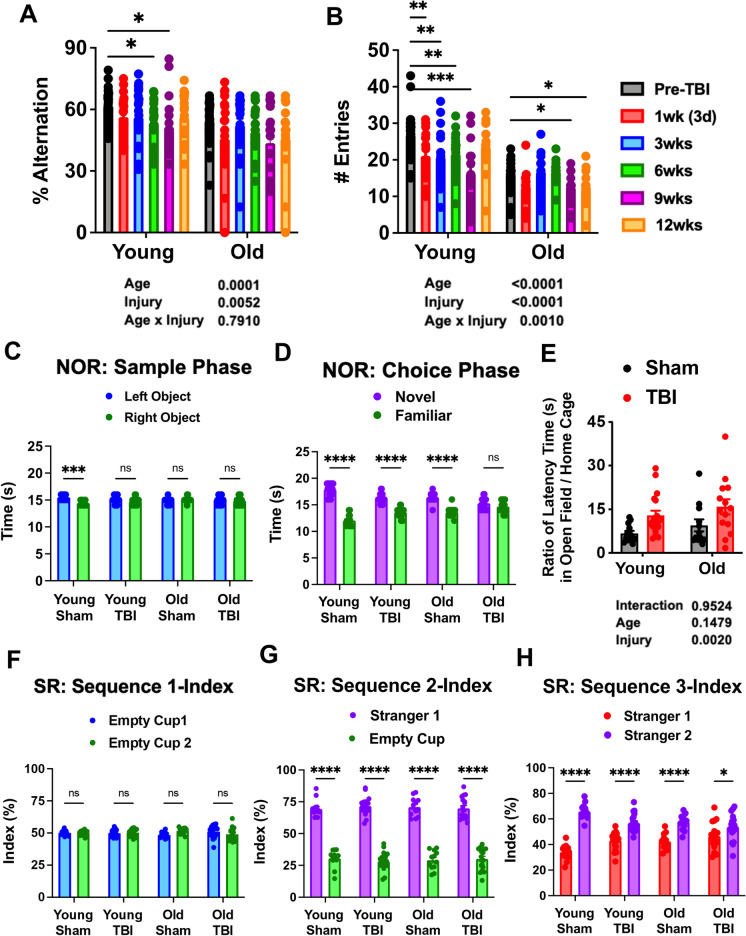
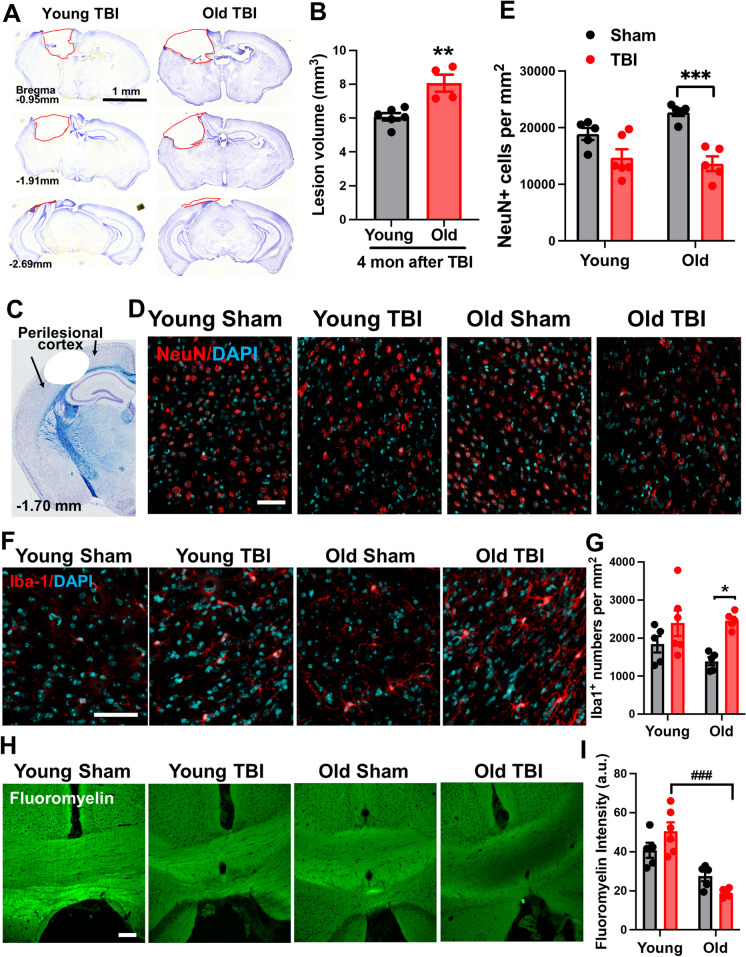
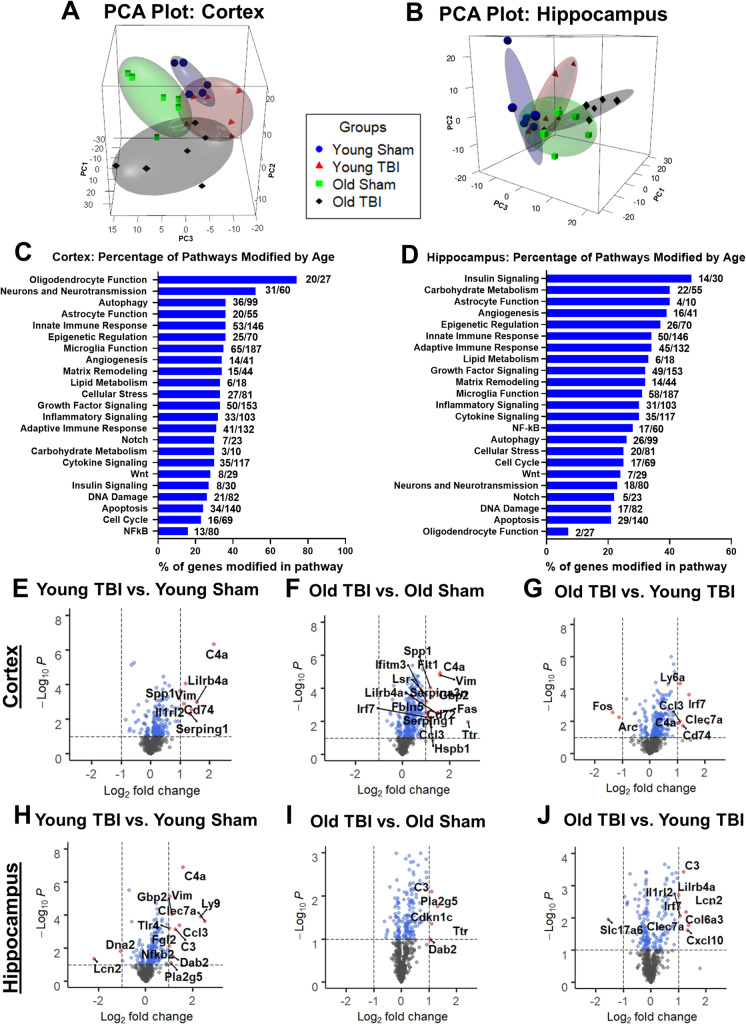
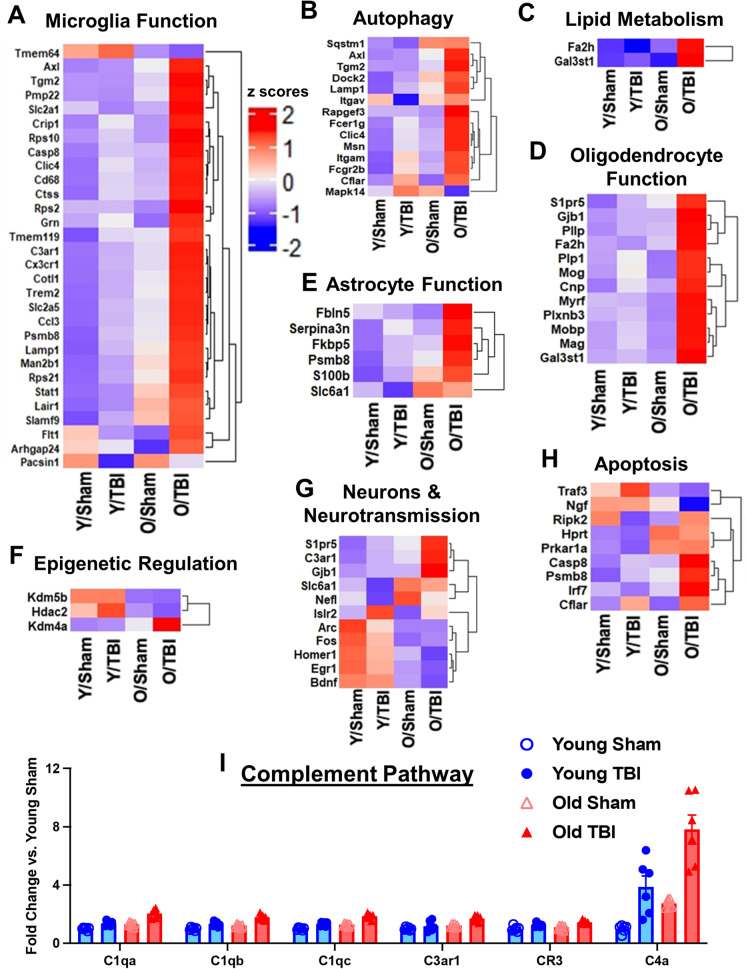
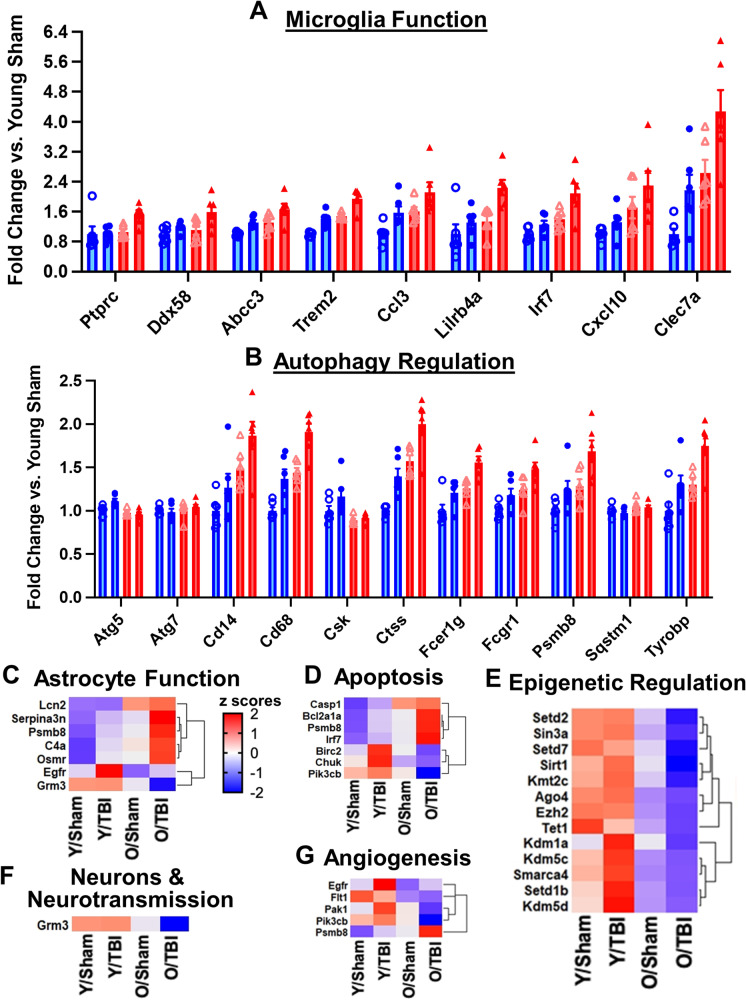
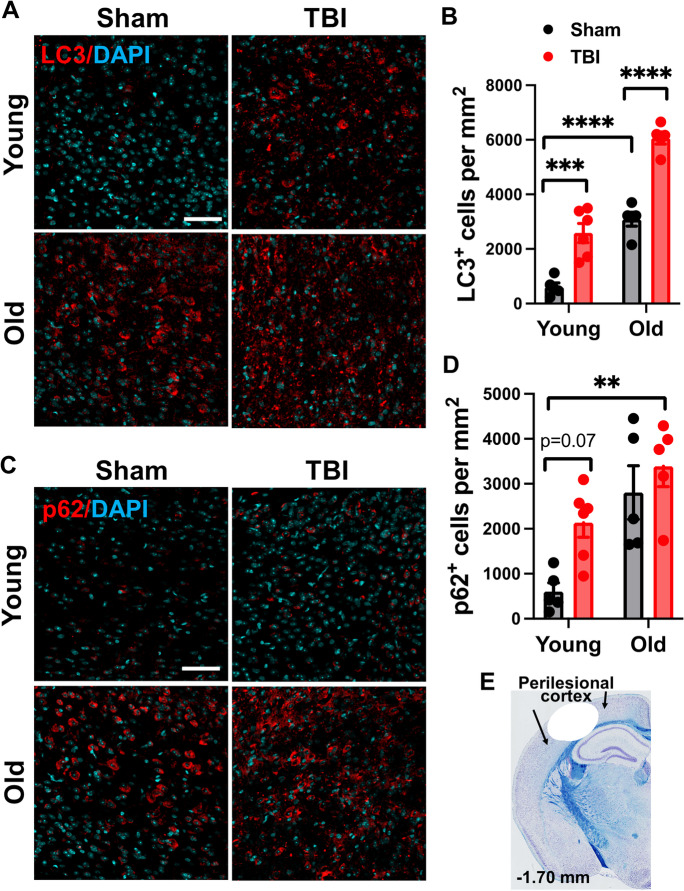
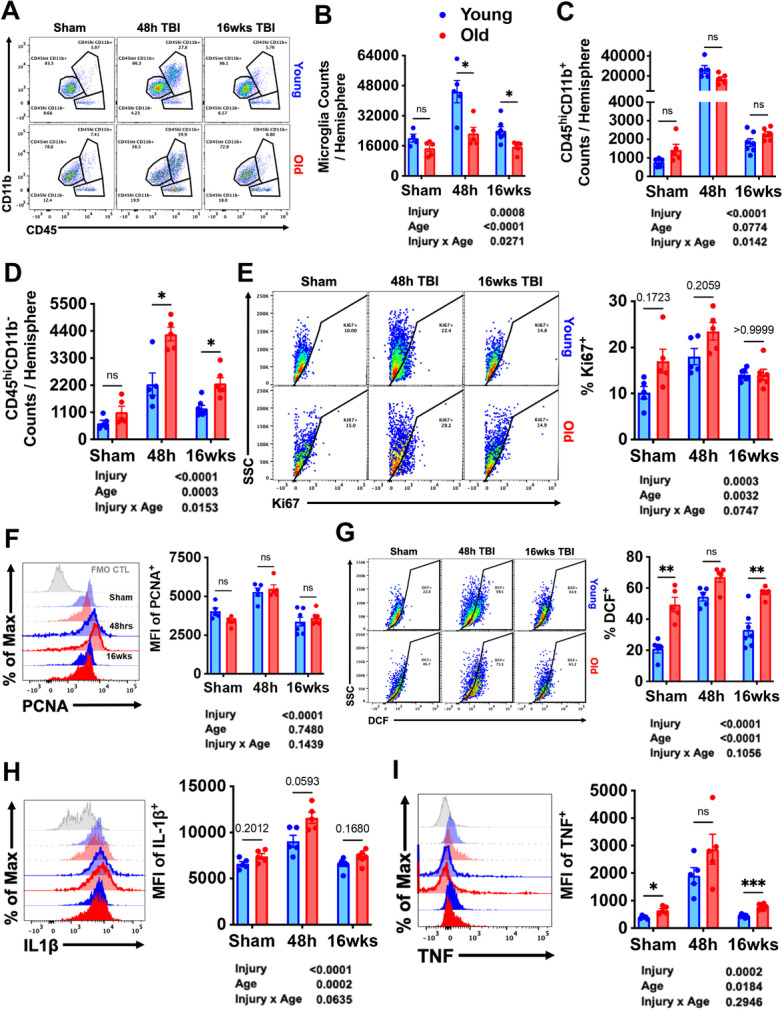
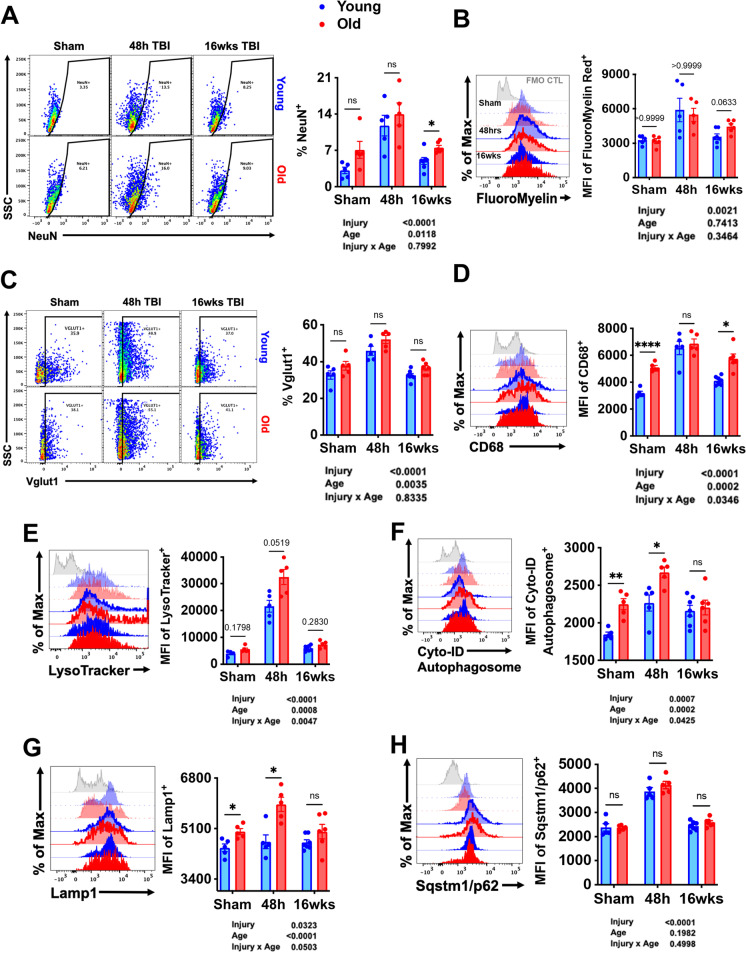
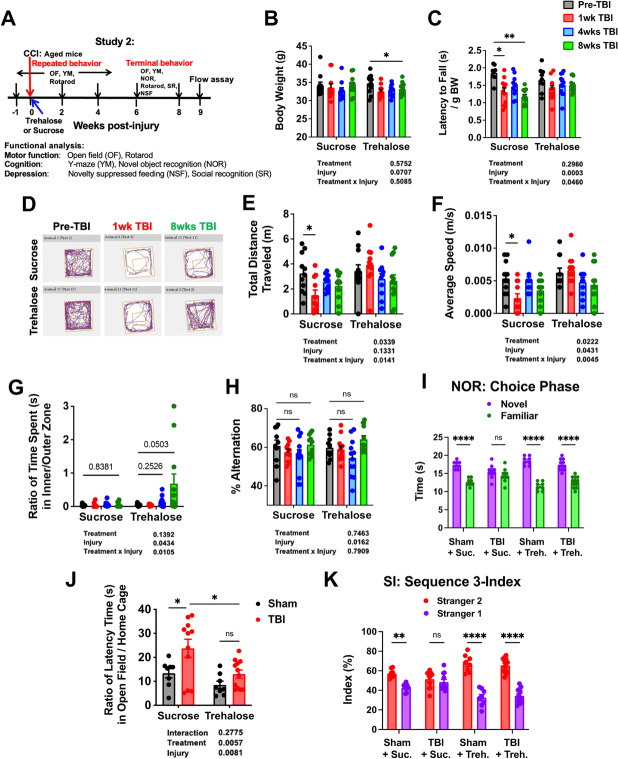
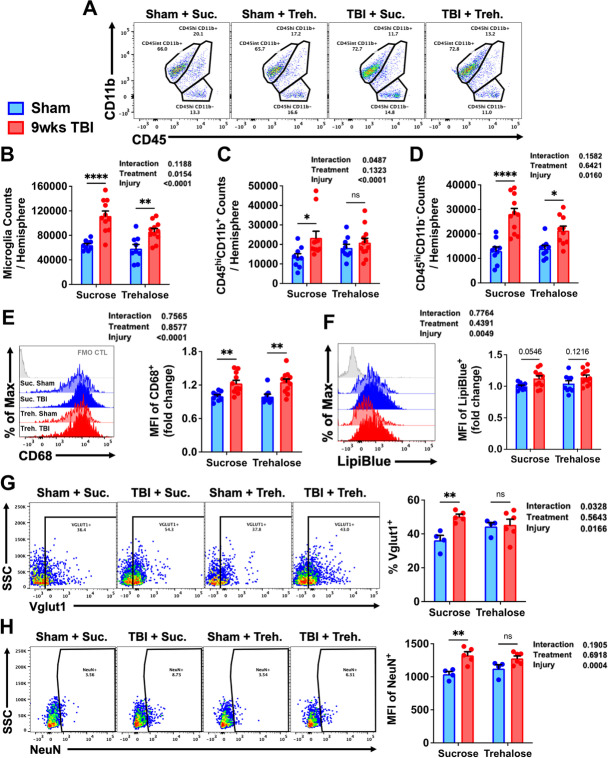
Elderly patients with traumatic brain injury (TBI) have greater mortality and poorer outcomes than younger individuals. The extent to which old age alters long-term recovery and chronic microglial activation after TBI is unknown, and evidence for therapeutic efficacy in aged mice is sorely lacking. The present study sought to identify potential inflammatory mechanisms underlying age-related outcomes late after TBI. Controlled cortical impact was used to induce moderate TBI in young and old male C57BL/6 mice. At 12 weeks post-injury, aged mice exhibited higher mortality, poorer functional outcomes, larger lesion volumes, and increased microglial activation. Transcriptomic analysis identified age- and TBI-specific gene changes consistent with a disease-associated microglial signature in the chronically injured brain, including those involved with complement, phagocytosis, and autophagy pathways. Dysregulation of phagocytic and autophagic function in microglia was accompanied by increased neuroinflammation in old mice. As proof-of-principle that these pathways have functional importance, we administered an autophagic enhancer, trehalose, in drinking water continuously for 8 weeks after TBI. Old mice treated with trehalose showed enhanced functional recovery and reduced microglial activation late after TBI compared to the sucrose control group. Our data indicate that microglia undergo chronic changes in autophagic regulation with both normal aging and TBI that are associated with poorer functional outcome. Enhancing autophagy may therefore be a promising clinical therapeutic strategy for TBI, especially in older patients.
老年创伤性脑损伤 (TBI) 患者的死亡率和预后比年轻患者差。目前尚不清楚衰老在多大程度上改变 TBI 后的长期恢复和慢性小胶质细胞激活,而且在老年小鼠中缺乏治疗效果的证据。本研究旨在确定 TBI 后晚期与年龄相关结果相关的潜在炎症机制。采用皮质控制冲击法诱导年轻和老年雄性 C57BL/6 小鼠发生中度 TBI。在损伤后 12 周,老年小鼠的死亡率更高,功能预后更差,病灶体积更大,小胶质细胞激活增加。转录组分析确定了年龄和 TBI 特异性基因变化,这些变化与慢性损伤大脑中与补体、吞噬作用和自噬途径相关的疾病相关小胶质细胞特征一致。小胶质细胞吞噬和自噬功能的失调伴随着老年小鼠神经炎症的增加。作为这些途径具有功能重要性的原理证明,我们在 TBI 后连续 8 周通过饮用水给予自噬增强剂海藻糖。与蔗糖对照组相比,接受海藻糖治疗的老年小鼠在 TBI 后晚期表现出更好的功能恢复和减少的小胶质细胞激活。我们的数据表明,小胶质细胞在正常衰老和 TBI 过程中经历了自噬调节的慢性变化,这与较差的功能预后有关。因此,增强自噬可能是 TBI 的一种有前途的临床治疗策略,尤其是在老年患者中。