Espejo-Román José M, Rubio-Ruiz Belén, Cano-Cortés Victoria, Cruz-López Olga, Gonzalez-Resines Saúl, Domene Carmen, Conejo-García Ana, Sánchez-Martín Rosario M
Department of Medicinal and Organic Chemistry and Excellence Research Unit of Chemistry Applied to Biomedicine and the Environment, Faculty of Pharmacy, Campus Cartuja s/n, University of Granada, 18071 Granada, Spain.
GENYO, Centre for Genomics and Oncological Research, Pfizer/University of Granada/Andalusian Regional Government, PTS Granada, Avda. Ilustración 114, 18016 Granada, Spain.
Pharmaceutics. 2022 Apr 4;14(4):788. doi: 10.3390/pharmaceutics14040788.
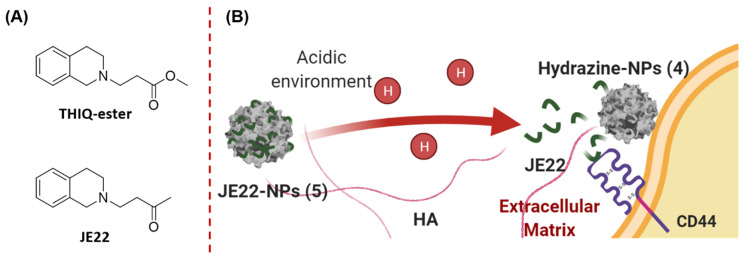
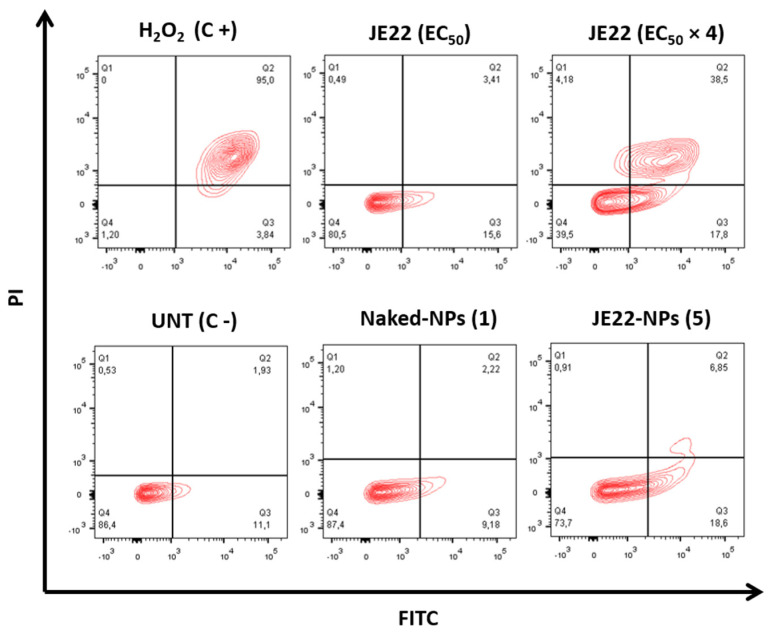
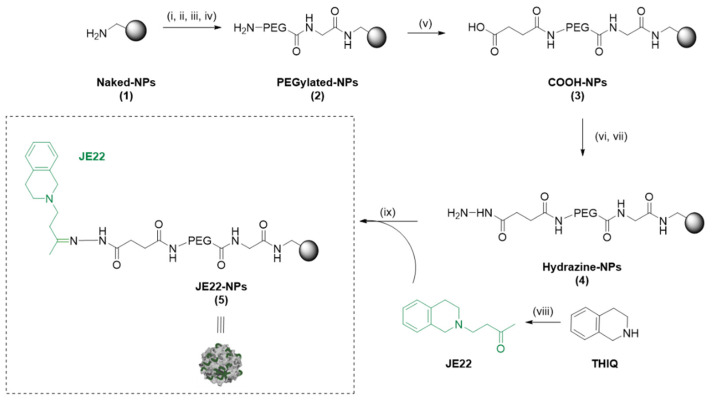
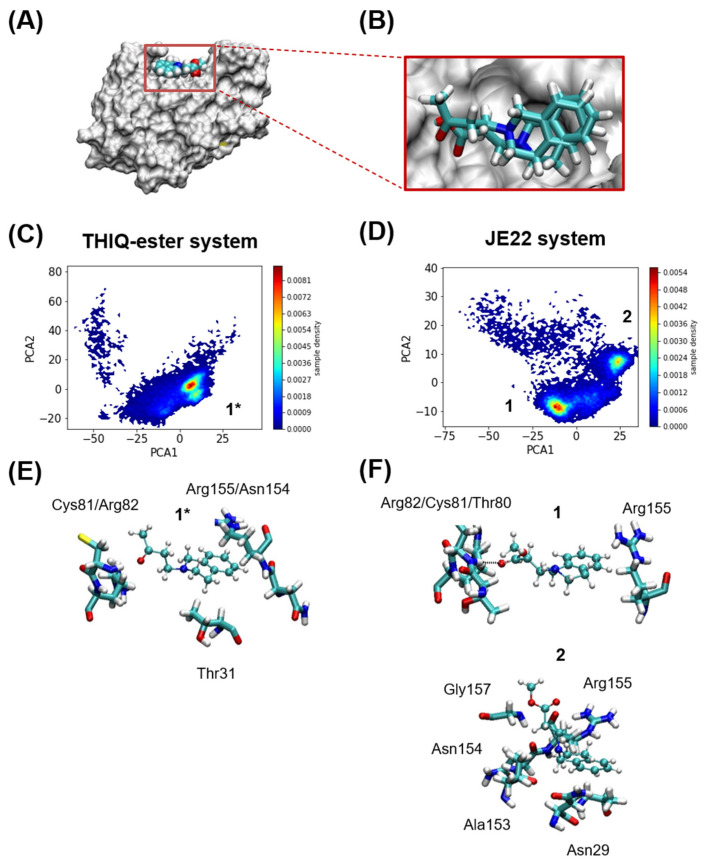
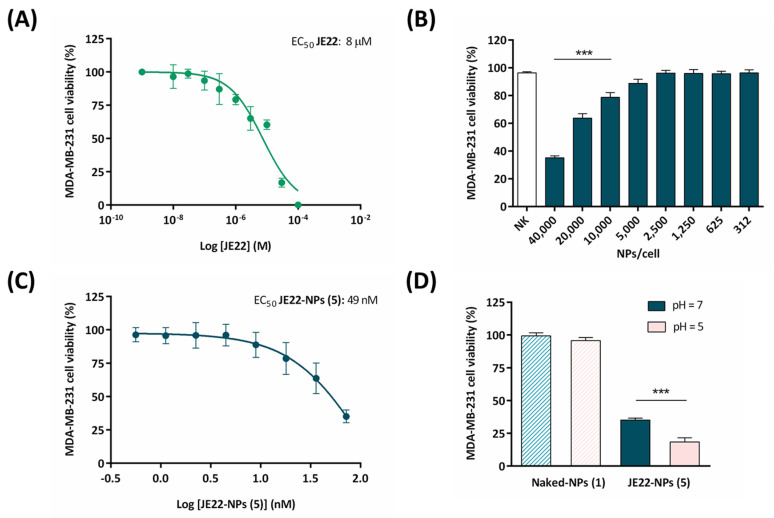
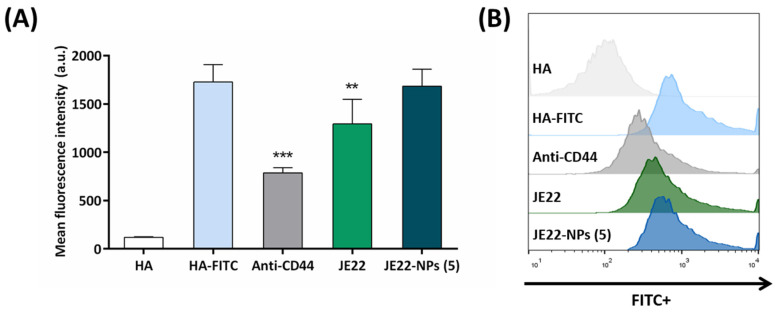
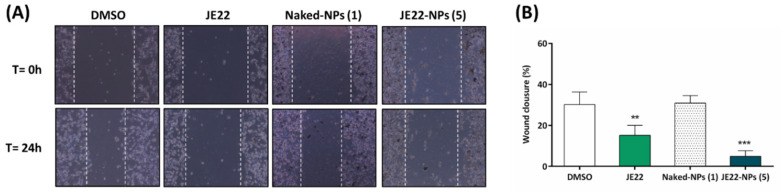
Hyaluronic acid (HA), through its interactions with the cluster of differentiation 44 (CD44), acts as a potent modulator of the tumor microenvironment, creating a wide range of extracellular stimuli for tumor growth, angiogenesis, invasion, and metastasis. An innovative antitumor treatment strategy based on the development of a nanodevice for selective release of an inhibitor of the HA-CD44 interaction is presented. Computational analysis was performed to evaluate the interaction of the designed tetrahydroisoquinoline-ketone derivative () with CD44 binding site. Cell viability, efficiency, and selectivity of drug release under acidic conditions together with CD44 binding capacity, effect on cell migration, and apoptotic activity were successfully evaluated. Remarkably, the conjugation of this CD44 inhibitor to the nanodevice generated a reduction of the dosis required to achieve a significant therapeutic effect.
透明质酸(HA)通过与分化簇44(CD44)相互作用,作为肿瘤微环境的有效调节剂,为肿瘤生长、血管生成、侵袭和转移创造了广泛的细胞外刺激。本文提出了一种基于开发用于选择性释放HA-CD44相互作用抑制剂的纳米装置的创新抗肿瘤治疗策略。进行了计算分析以评估设计的四氢异喹啉-酮衍生物()与CD44结合位点的相互作用。成功评估了酸性条件下药物释放的细胞活力、效率和选择性,以及CD44结合能力、对细胞迁移的影响和凋亡活性。值得注意的是,这种CD44抑制剂与纳米装置的缀合降低了实现显著治疗效果所需的剂量。