
递增(依赖)羟考酮自我给药与人类免疫缺陷病毒(HIV)转基因大鼠的认知障碍和神经退行性变的转录证据有关。
Escalated (Dependent) Oxycodone Self-Administration Is Associated with Cognitive Impairment and Transcriptional Evidence of Neurodegeneration in Human Immunodeficiency Virus (HIV) Transgenic Rats.
机构信息
Department of Immunology and Microbiology, The Scripps Research Institute, La Jolla, San Diego, CA 92037, USA.
European Bioinformatics Institute (EMBL-EBI), Hinxton CB10 1SD, UK.
出版信息
Viruses. 2022 Mar 24;14(4):669. doi: 10.3390/v14040669.
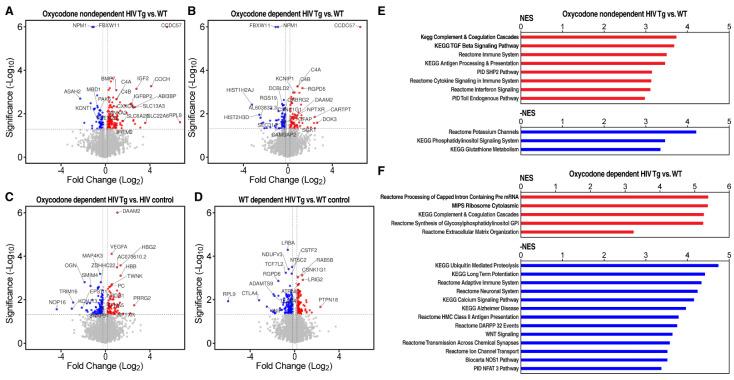
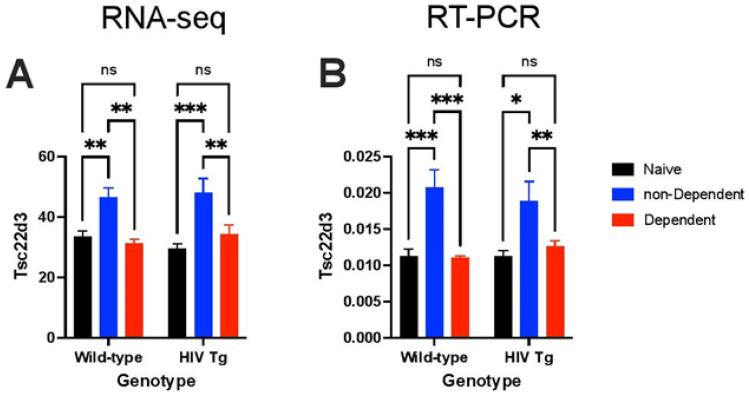
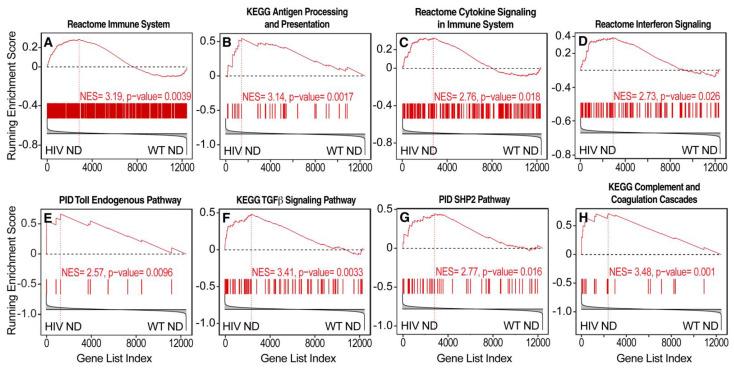
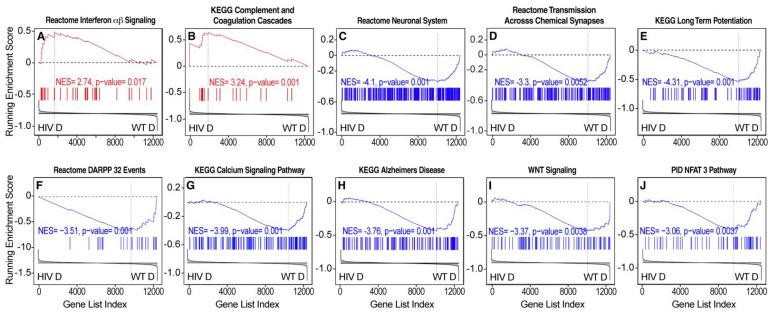
Substance use disorder is associated with accelerated disease progression in people with human immunodeficiency virus (HIV; PWH). Problem opioid use, including high-dose opioid therapy, prescription drug misuse, and opioid abuse, is high and increasing in the PWH population. Oxycodone is a broadly prescribed opioid in both the general population and PWH. Here, we allowed HIV transgenic (Tg) rats and wildtype (WT) littermates to intravenously self-administer oxycodone under short-access (ShA) conditions, which led to moderate, stable, "recreational"-like levels of drug intake, or under long-access (LgA) conditions, which led to escalated (dependent) drug intake. HIV Tg rats with histories of oxycodone self-administration under LgA conditions exhibited significant impairment in memory performance in the novel object recognition (NOR) paradigm. RNA-sequencing expression profiling of the medial prefrontal cortex (mPFC) in HIV Tg rats that self-administered oxycodone under ShA conditions exhibited greater transcriptional evidence of inflammation than WT rats that self-administered oxycodone under the same conditions. HIV Tg rats that self-administered oxycodone under LgA conditions exhibited transcriptional evidence of an increase in neuronal injury and neurodegeneration compared with WT rats under the same conditions. Gene expression analysis indicated that glucocorticoid-dependent adaptations contributed to the gene expression effects of oxycodone self-administration. Overall, the present results indicate that a history of opioid intake promotes neuroinflammation and glucocorticoid dysregulation, and excessive opioid intake is associated with neurotoxicity and cognitive impairment in HIV Tg rats.
物质使用障碍与人类免疫缺陷病毒(HIV;PWH)患者的疾病进展加速有关。问题阿片类药物的使用,包括高剂量阿片类药物治疗、处方药物滥用和阿片类药物滥用,在 PWH 人群中很高且呈上升趋势。羟考酮是普通人群和 PWH 中广泛使用的阿片类药物。在这里,我们允许 HIV 转基因(Tg)大鼠和野生型(WT)同窝仔鼠在短接触(ShA)条件下静脉内自我给予羟考酮,这导致适度、稳定、“娱乐性”的药物摄入水平,或在长接触(LgA)条件下,导致药物摄入增加(依赖)。在 LgA 条件下有羟考酮自我给药史的 HIV Tg 大鼠在新颖物体识别(NOR)范式中的记忆表现出现显著损伤。在 ShA 条件下自我给予羟考酮的 HIV Tg 大鼠的内侧前额叶皮质(mPFC)的 RNA 测序表达谱显示出比在相同条件下自我给予羟考酮的 WT 大鼠更大的炎症转录证据。与在相同条件下自我给予羟考酮的 WT 大鼠相比,在 LgA 条件下自我给予羟考酮的 HIV Tg 大鼠表现出神经元损伤和神经退行性变增加的转录证据。基因表达分析表明,糖皮质激素依赖性适应有助于羟考酮自我给药的基因表达效应。总体而言,目前的结果表明,阿片类药物摄入的历史促进了神经炎症和糖皮质激素失调,过量的阿片类药物摄入与 HIV Tg 大鼠的神经毒性和认知障碍有关。


 Zotero 插件