Adipocyte Biology Laboratory, Pennington Biomedical Research Center, Baton Rouge, LA, United States.
Cardiovascular and Metabolic Disease Program and Center for Computational Biology, Duke-NUS Graduate Medical School, Singapore, Singapore.
Front Endocrinol (Lausanne). 2022 Apr 7;13:812802. doi: 10.3389/fendo.2022.812802. eCollection 2022.
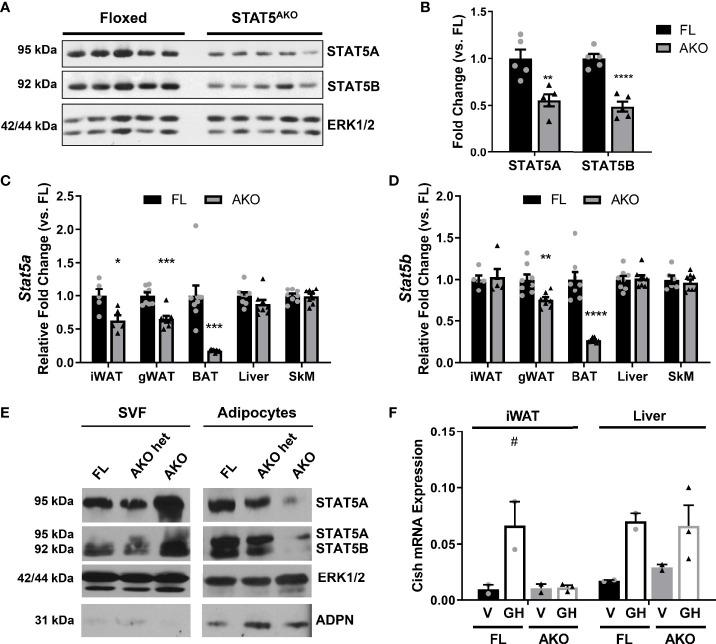
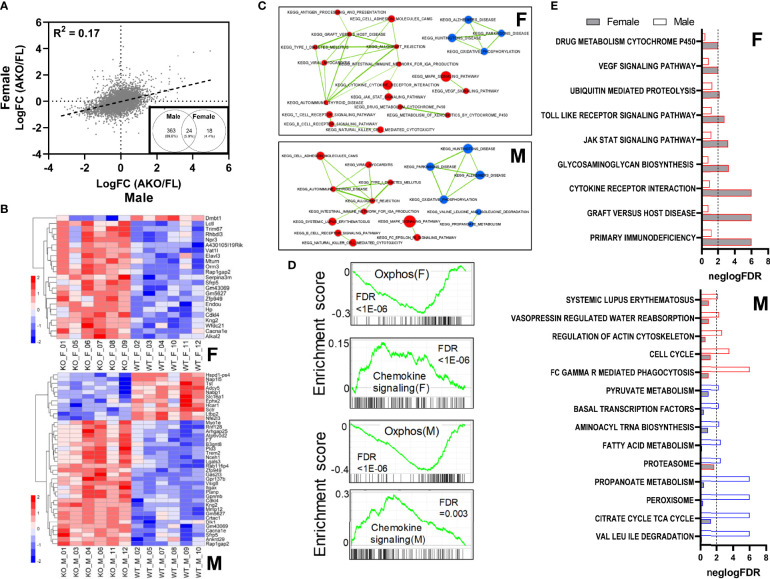
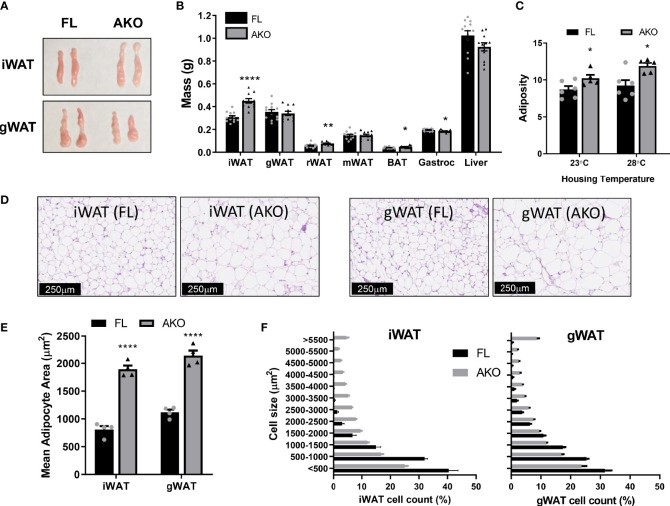
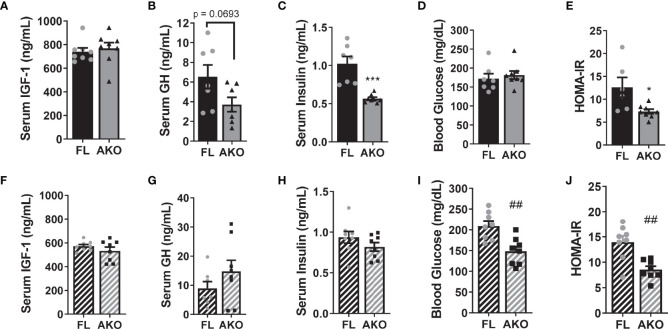
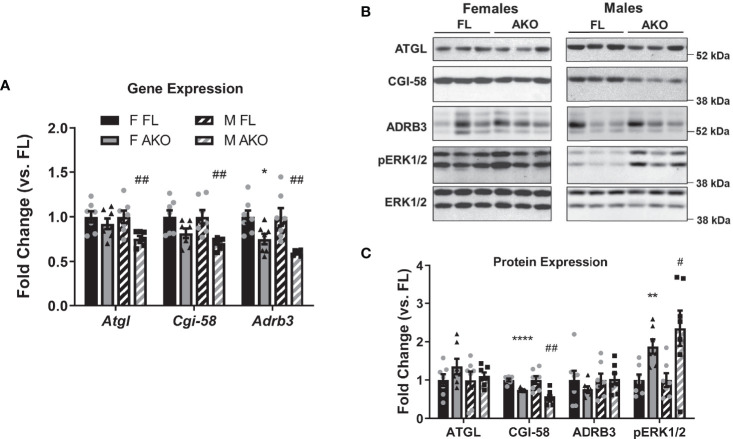
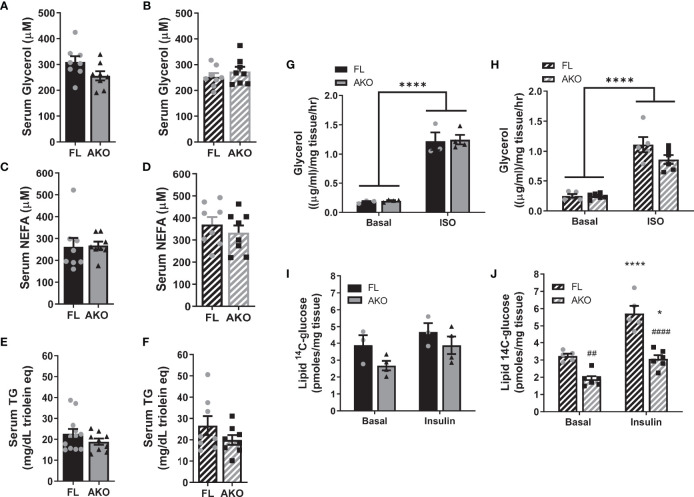
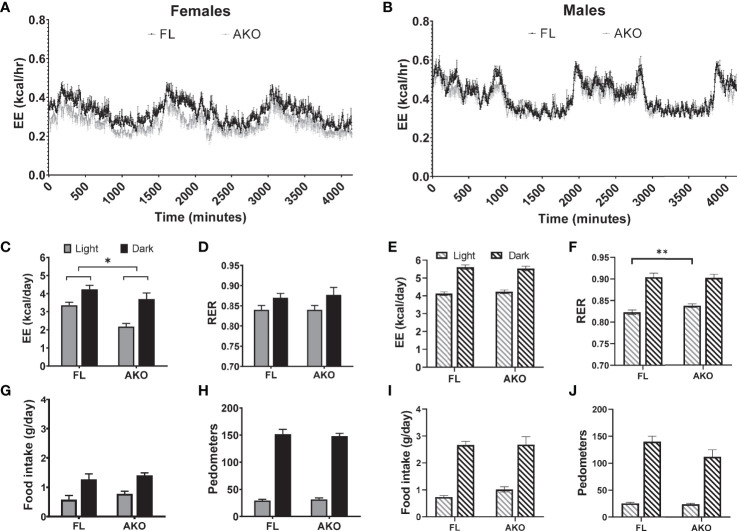
STATs (Signal Transducers and Activators of Transcription) 5A and 5B are induced during adipocyte differentiation and are primarily activated by growth hormone (GH) and prolactin in fat cells. Previous studies in mice lacking adipocyte GH receptor or STAT5 support their roles in lipolysis-mediated reduction of adipose tissue mass. Male and female mice harboring adipocyte-specific deletion of both STAT5 genes (STAT5) exhibit increased subcutaneous or inguinal adipose tissue mass, but no changes in visceral or gonadal fat mass. Both depots display substantial increases in adipocyte size with no changes in lipolysis in adipose tissue explants. RNA sequencing analysis of subcutaneous adipose tissue and indirect calorimetry experiments reveal sex-dependent differences in adipose gene expression and whole-body energy expenditure, respectively, resulting from the loss of adipocyte STAT5.
信号转导子和转录激活子 5A 和 5B 在脂肪细胞分化过程中被诱导产生,主要由生长激素 (GH) 和催乳素在脂肪细胞中激活。先前在缺乏脂肪细胞 GH 受体或 STAT5 的小鼠中的研究支持它们在脂肪分解介导的脂肪组织质量减少中的作用。携带脂肪细胞特异性缺失两种 STAT5 基因(STAT5)的雄性和雌性小鼠表现出皮下或腹股沟脂肪组织质量增加,但内脏或性腺脂肪质量没有变化。两个脂肪库的脂肪细胞大小都显著增加,脂肪组织外植体中的脂肪分解没有变化。皮下脂肪组织的 RNA 测序分析和间接测热实验分别揭示了脂肪基因表达和全身能量消耗的性别依赖性差异,这是由于脂肪细胞 STAT5 的缺失所致。