Department of Radiology and Imaging Sciences, Indiana University School of Medicine, Indianapolis, Indiana, USA.
J Neuroimaging. 2022 Jul;32(4):565-581. doi: 10.1111/jon.13001. Epub 2022 Apr 25.
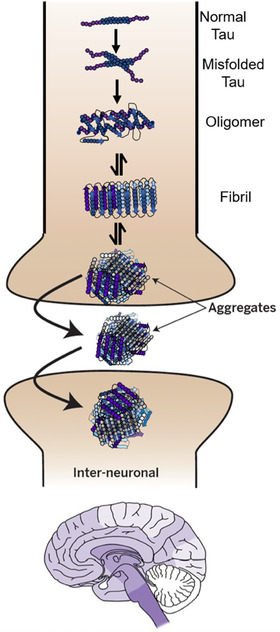
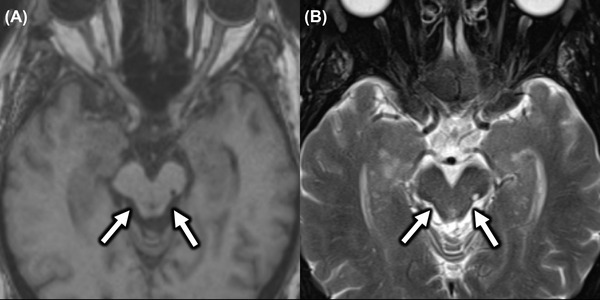
The tauopathies are a heterogeneous group of neurodegenerative disorders in which the prevailing underlying disease process is intracellular deposition of abnormal misfolded tau protein. Diseases often categorized as tauopathies include progressive supranuclear palsy, chronic traumatic encephalopathy, corticobasal degeneration, and frontotemporal lobar degeneration. Tauopathies can be classified through clinical assessment, imaging findings, histologic validation, or molecular biomarkers tied to the underlying disease mechanism. Many tauopathies vary in their clinical presentation and overlap substantially in presentation, making clinical diagnosis of a specific primary tauopathy difficult. Anatomic imaging findings are also rarely specific to a single tauopathy, and when present may not manifest until well after the point at which therapy may be most impactful. Molecular biomarkers hold the most promise for patient care and form a platform upon which emerging diagnostic and therapeutic applications could be developed. One of the most exciting developments utilizing these molecular biomarkers for assessment of tau deposition within the brain is tau-PET imaging utilizing novel ligands that specifically target tau protein. This review will discuss the background, significance, and clinical presentation of each tauopathy with additional attention to the pathologic mechanisms at the protein level. The imaging characteristics will be outlined with select examples of emerging imaging techniques. Finally, current treatment options and emerging therapies will be discussed. This is by no means a comprehensive review of the literature but is instead intended for the practicing radiologist as an overview of a rapidly evolving topic.
神经tau 病是一组异质性神经退行性疾病,其主要潜在疾病过程是细胞内异常折叠的 tau 蛋白沉积。通常归类为 tau 病的疾病包括进行性核上性麻痹、慢性创伤性脑病、皮质基底节变性和额颞叶变性。tau 病可以通过临床评估、影像学发现、组织学验证或与潜在疾病机制相关的分子生物标志物进行分类。许多 tau 病在临床表现上存在差异,并且在表现上有很大的重叠,使得特定原发性 tau 病的临床诊断变得困难。解剖影像学发现也很少对单一 tau 病具有特异性,并且当存在时,可能直到治疗可能最有影响的时间点之后才会出现。分子生物标志物最有希望用于患者护理,并为新兴的诊断和治疗应用提供了一个平台。利用这些分子生物标志物评估大脑内 tau 沉积的最令人兴奋的发展之一是利用专门针对 tau 蛋白的新型配体进行 tau-PET 成像。本综述将讨论每种 tau 病的背景、意义和临床表现,并特别关注蛋白质水平的病理机制。将概述影像学特征,并选择一些新兴的影像学技术的示例。最后,将讨论当前的治疗选择和新兴的治疗方法。这绝不是对文献的全面综述,而是为了向从事放射科工作的医生提供一个快速发展的主题概述。