Zhang Meng, Chen Delong, Zeng Ning, Liu Zhendong, Chen Xiao, Xiao Hefang, Xiao Likang, Liu Zeming, Dong Yonghui, Zheng Jia
Department of Orthopedics, Henan Provincial People's Hospital, People's Hospital of Zhengzhou University, Henan University People's Hospital, Zhengzhou, China.
Microbiome Laboratory, Henan Provincial People's Hospital, People's Hospital of Zhengzhou University, Zhengzhou, China.
Front Cell Dev Biol. 2022 Apr 11;10:820922. doi: 10.3389/fcell.2022.820922. eCollection 2022.
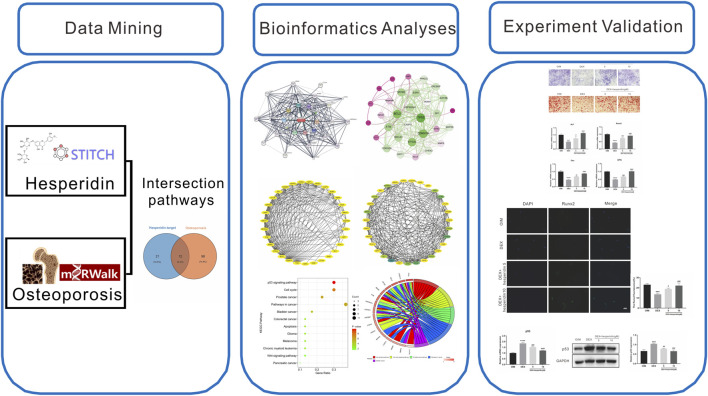
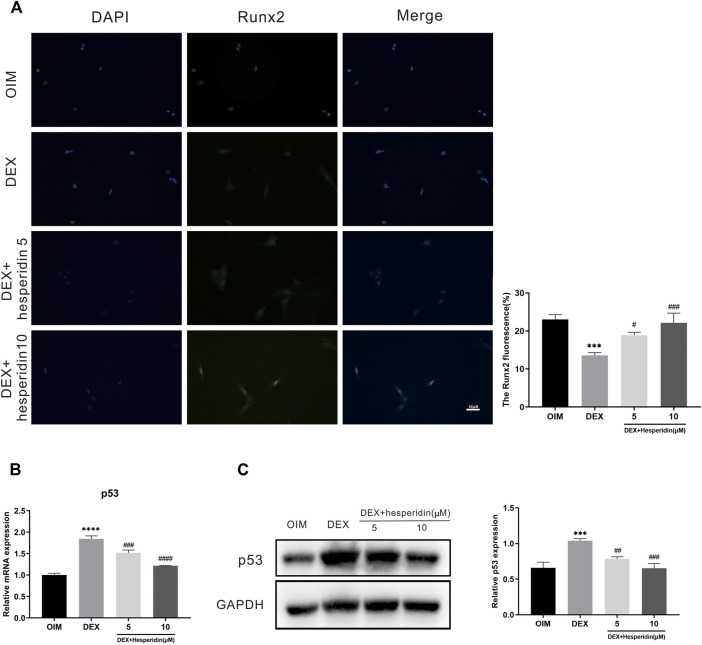
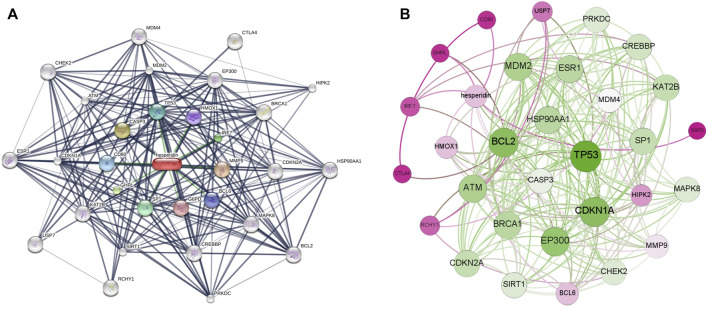
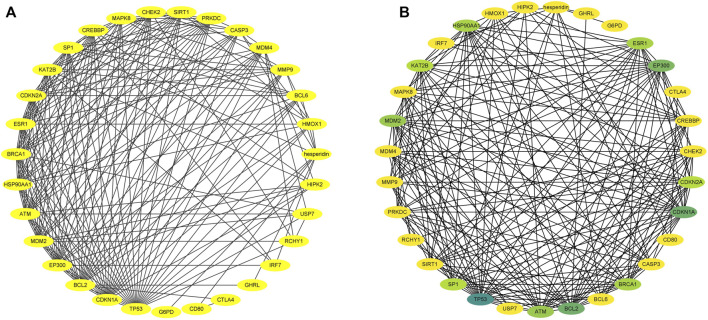
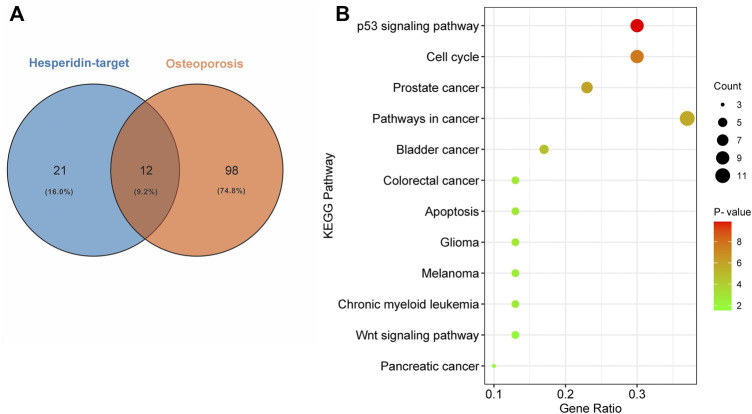
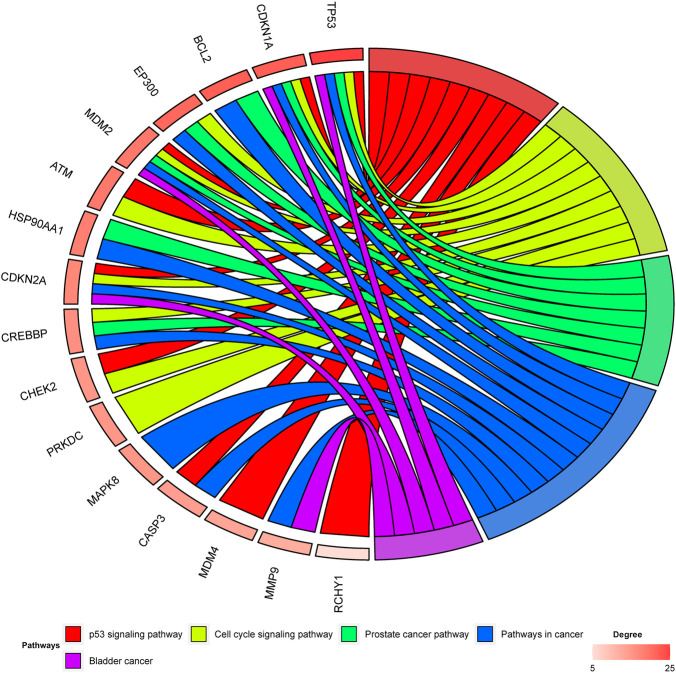
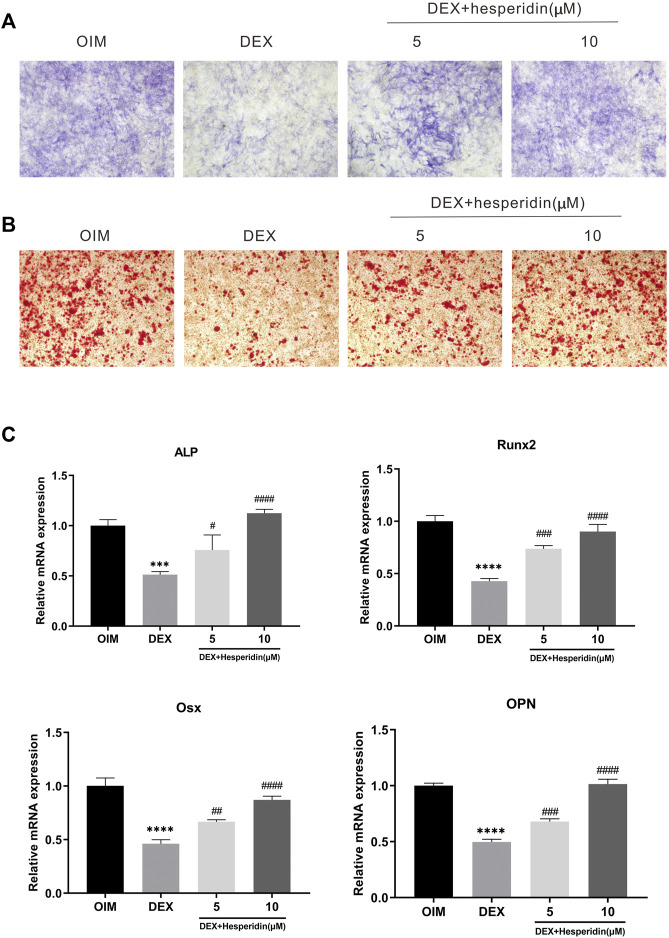
Osteoporosis is one of the most frequent skeletal disorders and a major cause of morbidity and mortality in the expanding aging population. Evidence suggests that hesperidin may have a therapeutic impact on osteoporosis. Nevertheless, little is known about the role of hesperidin in the development of osteoporosis. Bioinformatics analyses were carried out to explore the functions and possible molecular mechanisms by which hesperidin regulates osteogenic differentiation. In the present study, we screened and harvested 12 KEGG pathways that were shared by hesperidin-targeted genes and osteoporosis. The p53 signaling pathway was considered to be a key mechanism. Our results showed that hesperidin partially reversed dexamethasone-induced inhibition of osteogenic differentiation by suppressing the activation of p53, and suggest that hesperidin may be a promising candidate for the treatment against dexamethasone-induced osteoporosis.
骨质疏松症是最常见的骨骼疾病之一,也是不断增长的老龄人口发病和死亡的主要原因。有证据表明,橙皮苷可能对骨质疏松症具有治疗作用。然而,关于橙皮苷在骨质疏松症发展过程中的作用,人们了解甚少。进行了生物信息学分析,以探索橙皮苷调节成骨分化的功能及可能的分子机制。在本研究中,我们筛选并收集了橙皮苷靶向基因和骨质疏松症共有的12条KEGG通路。p53信号通路被认为是关键机制。我们的结果表明,橙皮苷通过抑制p53的激活部分逆转了地塞米松诱导的成骨分化抑制,这表明橙皮苷可能是治疗地塞米松诱导的骨质疏松症的有前途的候选药物。