Yu Wei, Liu Weidong, Xie De, Wang Qiang, Xu Chenxi, Zhao Hairong, Lv Jiaming, He Furong, Chen Bingyang, Yamamoto Tetsuya, Koyama Hidenori, Cheng Jidong
Department of Internal Medicine, Xiang'an Hospital of Xiamen University, School of Medicine, Xiamen University, Xiamen, Fujian, China.
Department of Diabetes, Endocrinology and Clinical Immunology, Hyogo College of Medicine, Nishinomiya, Hyogo, Japan.
Oxid Med Cell Longev. 2022 Apr 18;2022:9304383. doi: 10.1155/2022/9304383. eCollection 2022.
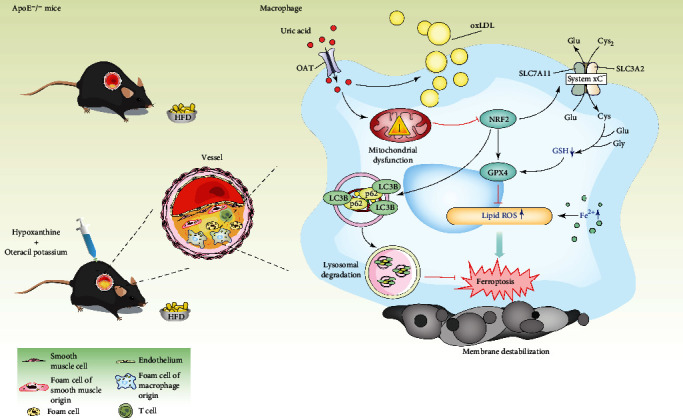
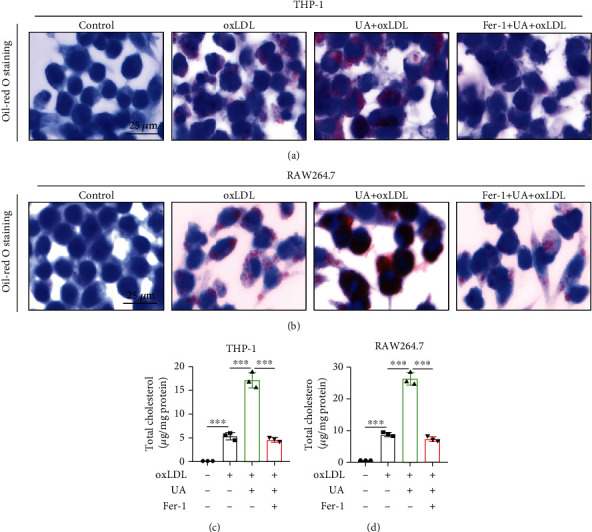
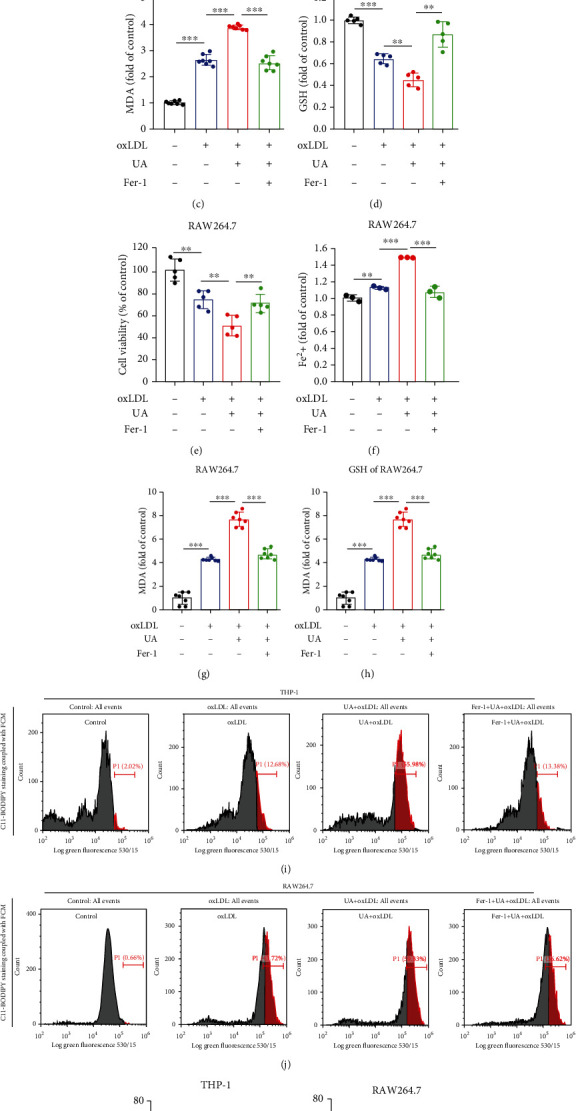
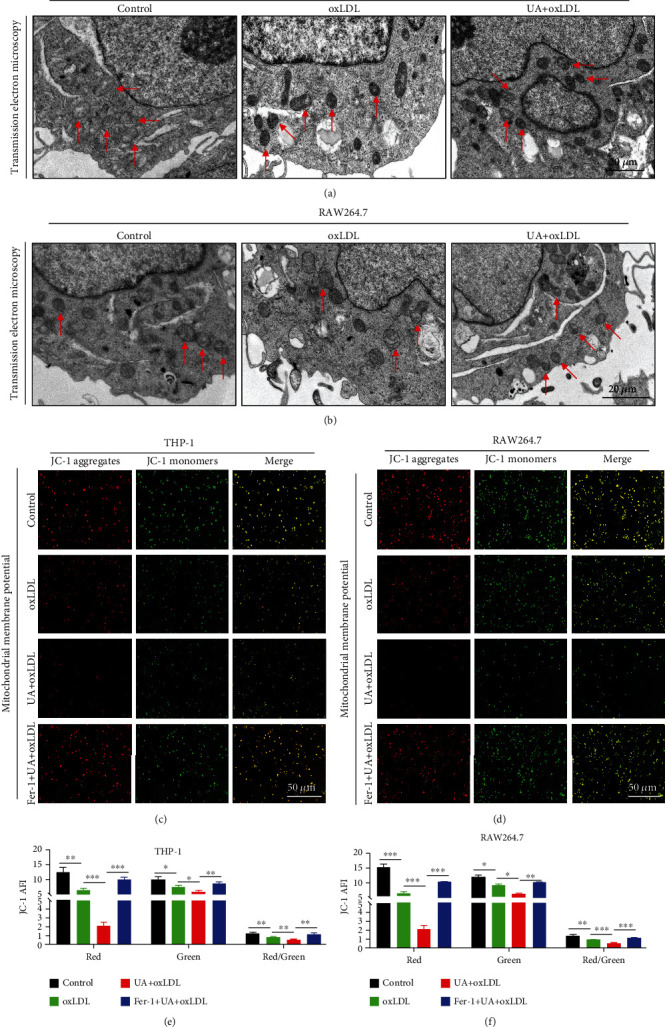
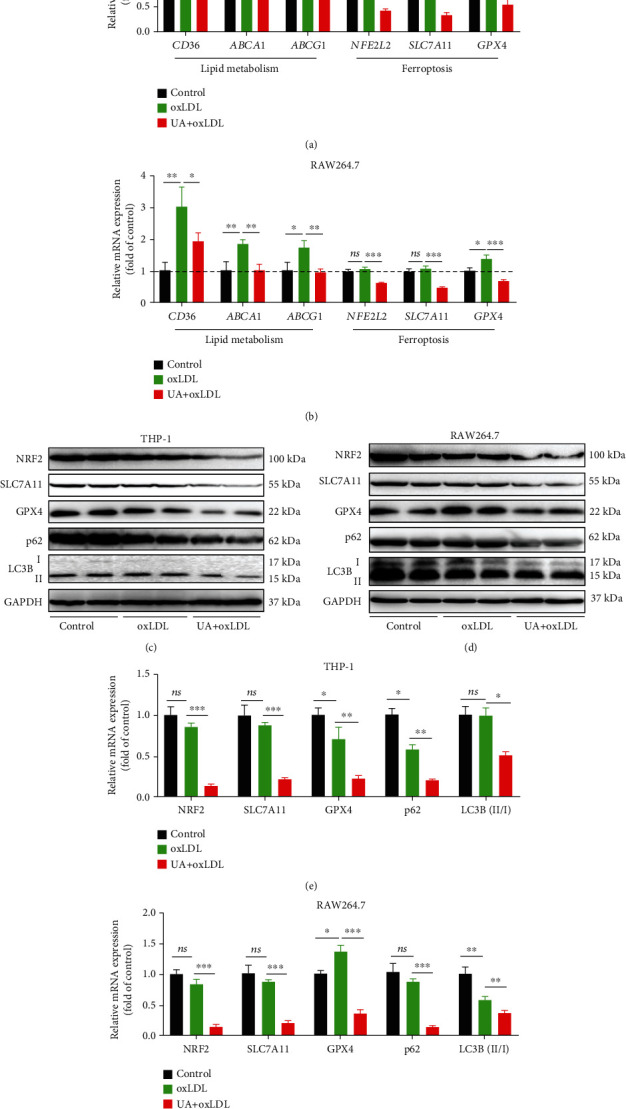
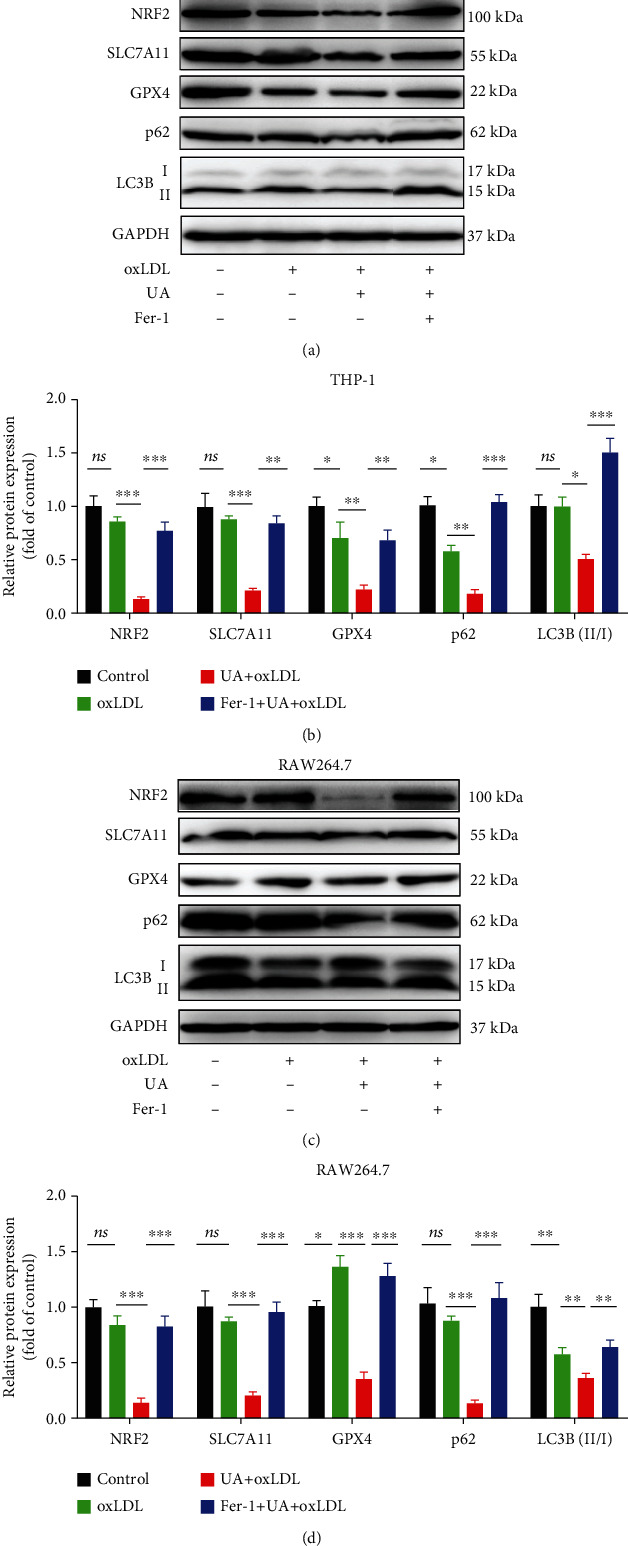
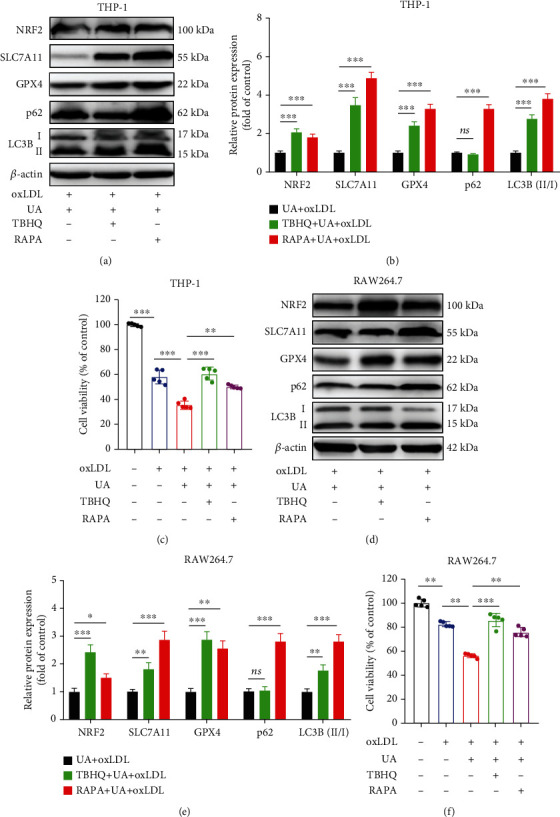
Atherosclerotic vascular disease (ASVD) is the leading cause of death worldwide. Hyperuricemia is the fourth risk factor for atherosclerosis after hypertension, diabetes, and hyperlipidemia. The mechanism of hyperuricemia affecting the occurrence and development of atherosclerosis has not been fully elucidated. Mononuclear macrophages play critical roles in all stages of atherosclerosis. Studies have confirmed that both hyperuricemia and ferroptosis promote atherosclerosis, but whether high level of uric acid (HUA) promotes atherosclerosis by regulating ferroptosis in macrophages remains unclear. We found that HUA significantly promoted the development of atherosclerotic plaque and downregulated the protein level of the NRF2/SLC7A11/GPX4 signaling pathway in ApoE mice. Next, we evaluated the effect of HUA and ferroptosis inhibitor ferrostatin-1 (Fer-1) treatment on the formation of macrophage-derived foam cells. HUA promoted the formation of foam cells, decreased cell viability, and increased iron accumulation and lipid peroxidation in macrophages treated with oxidized low-density lipoprotein (oxLDL); these effects were reversed by Fer-1 treatment. Mechanistically, HUA significantly inhibited autophagy and the protein level of the NRF2/SLC7A11/GPX4 signaling pathway. Fer-1 activated autophagy and upregulated the level of ferroptosis-associated proteins. Moreover, an NRF2 inducer (tertbutyl hydroquinone (TBHQ)) and autophagy activator (rapamycin (RAPA)) could reverse the inhibitory effect of HUA on foam cell survival. Our results suggest that HUA-induced ferroptosis of macrophages is involved in the formation of atherosclerotic plaques. More importantly, enhancing autophagy and inhibiting ferroptosis by activating NRF2 may alleviate HUA-induced atherosclerosis. These findings might contribute to a deeper understanding of the role of HUA in the pathogenesis of atherosclerosis and provide a therapeutic target for ASVD associated with hyperuricemia.
动脉粥样硬化性血管疾病(ASVD)是全球主要的死亡原因。高尿酸血症是继高血压、糖尿病和高脂血症之后动脉粥样硬化的第四大危险因素。高尿酸血症影响动脉粥样硬化发生发展的机制尚未完全阐明。单核巨噬细胞在动脉粥样硬化的各个阶段都发挥着关键作用。研究证实,高尿酸血症和铁死亡均促进动脉粥样硬化,但高尿酸(HUA)是否通过调节巨噬细胞铁死亡来促进动脉粥样硬化仍不清楚。我们发现,HUA显著促进ApoE小鼠动脉粥样硬化斑块的发展,并下调NRF2/SLC7A11/GPX4信号通路的蛋白水平。接下来,我们评估了HUA和铁死亡抑制剂铁抑素-1(Fer-1)处理对巨噬细胞源性泡沫细胞形成的影响。HUA促进了泡沫细胞的形成,降低了细胞活力,并增加了经氧化型低密度脂蛋白(oxLDL)处理的巨噬细胞中的铁积累和脂质过氧化;Fer-1处理可逆转这些作用。机制上,HUA显著抑制自噬以及NRF2/SLC7A11/GPX4信号通路的蛋白水平。Fer-1激活自噬并上调铁死亡相关蛋白的水平。此外,NRF2诱导剂(叔丁基对苯二酚(TBHQ))和自噬激活剂(雷帕霉素(RAPA))可逆转HUA对泡沫细胞存活的抑制作用。我们的结果表明,HUA诱导的巨噬细胞铁死亡参与了动脉粥样硬化斑块的形成。更重要的是,通过激活NRF2增强自噬并抑制铁死亡可能减轻HUA诱导的动脉粥样硬化。这些发现可能有助于更深入地理解HUA在动脉粥样硬化发病机制中的作用,并为与高尿酸血症相关的ASVD提供治疗靶点。