Department of Cardiovascular Surgery, TEDA International Cardiovascular Hospital, Chinese Academy of Medical Sciences & Peking Union Medical College, Tianjin, China.
Cardiology. 2022;147(3):315-327. doi: 10.1159/000524779. Epub 2022 Apr 28.
Heart failure (HF) is a severe and terminal stage of various heart diseases. Left ventricular assist devices (LVADs) are relatively mature and have contributed to the treatment of end-stage HF. Ventricular arrhythmia (VA) is a common complication after LVAD implantation, including ventricular tachycardia and ventricular fibrillation, both of which may cause abnormal circulation.
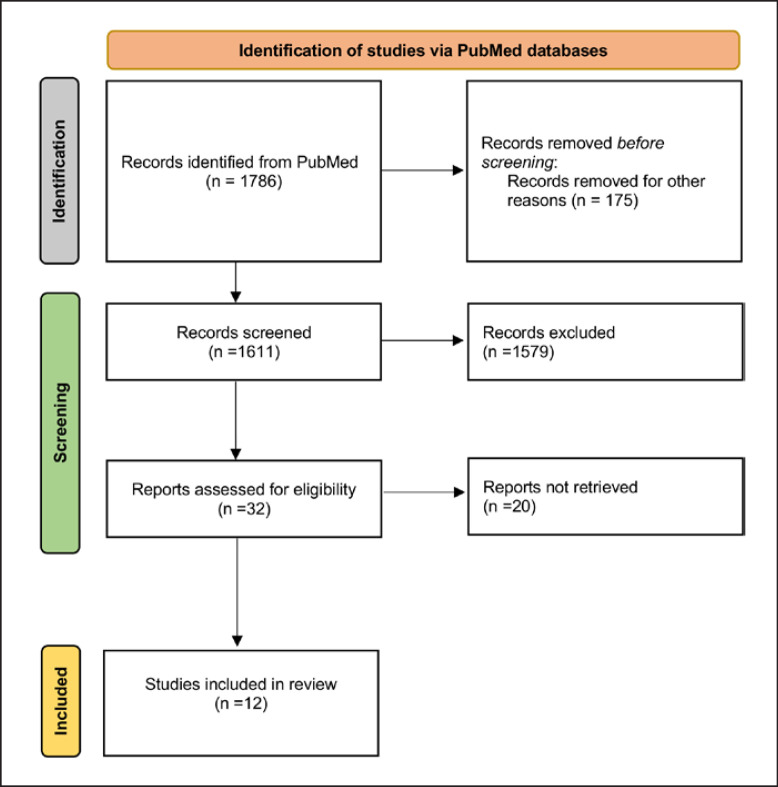
A literature search was conducted in the PubMed database, "Ventricular Arrhythmia" OR "VA" OR "Arrhythmia" OR "Ventricular Tachycardia," OR "Ventricular Fibrillation" AND "LVAD" OR "Left Ventricular Assist Device" OR "Heart Assist Device" as either keywords or MeSH terms, the authors screened the titles and abstracts of the articles. Eventually, 12 original research articles were retrieved.
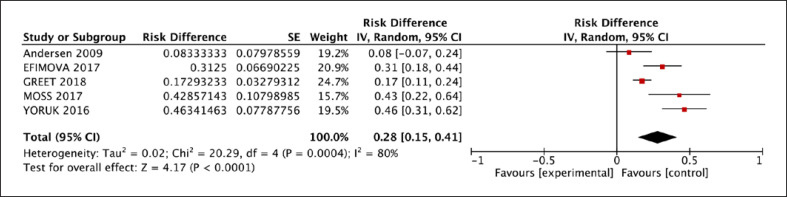
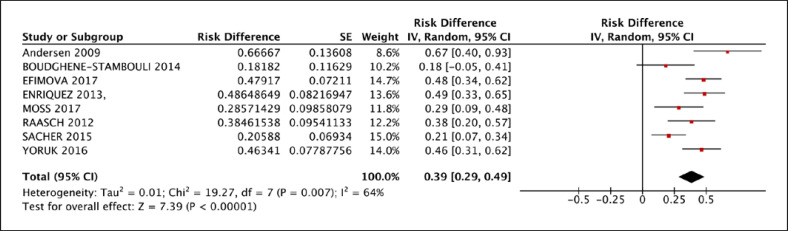
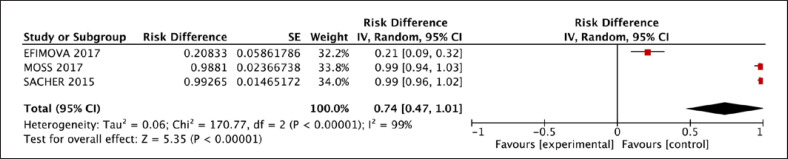
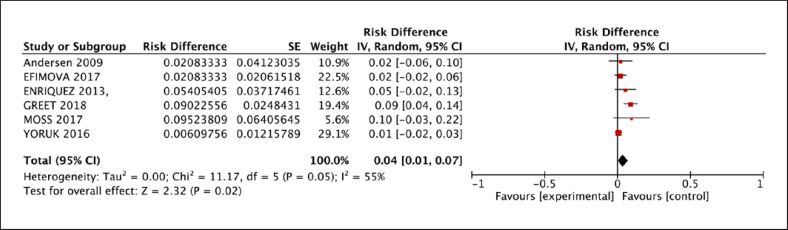
The 0.83 [95% CI: 0.77, 0.89] of patients were male. A whole of 53% [95% CI: 0.25, 0.81] of VA patients had a history of atrial fibrillation and 61% [95% CI: 0.52, 0.69] had a history of VA. 39% [95% CI: 0.29, 0.49] of the participants had no prior history of VA and experienced new VA following CF-LVAD implantation. Following CF-LVAD implantation, 59% [95% CI: 0.51, 0.67] of patients developed early VA (VA ≤30 days). The 30-day mortality rate of patients was 4% [95% CI: 0.01, 0.07]. And overall mortality was 28% [95% CI: 0.15, 0.41]. The reported incidence of VA after LVAD implantation is not identical in different medical centers and ranges from 20% to 60%. The mechanism of VA after LVAD implantation is summarized as primary cardiomyopathy-related, device mechanical stimulation, myocardial scarring, ventricular displacement, electrolyte regulation, and other processes.
A preoperative VA history is considered a predictor of VA following LVAD implantation in most studies. Multiple mechanisms and factors, such as prevention of "suction events," ablation, and implantable cardioverter defibrillator, should be considered for the prevention and treatment of postoperative VA in patients requiring long-term VAD treatment. This study provides a reference for the clinical application of LAVD and the prevention of postoperative VA after LVAD implantation. Future multicenter prospective studies with uniform patient follow-up are needed to screen for additional potential risk factors and predictors. These studies will help to define the incidence rate of VA after LAVD implantation. As a result, we provide guidance for the selection of preventive intervention.
心力衰竭(HF)是各种心脏病的严重终末期阶段。左心室辅助装置(LVAD)已经相对成熟,并有助于治疗终末期 HF。植入 LVAD 后常见的并发症是室性心律失常(VA),包括室性心动过速和心室颤动,两者都可能导致循环异常。
在 PubMed 数据库中进行文献检索,使用“Ventricular Arrhythmia”或“VA”或“Arrhythmia”或“Ventricular Tachycardia”作为关键词或 MeSH 术语,作者筛选了文章的标题和摘要。最终检索到 12 篇原始研究文章。
0.83[95%CI:0.77,0.89]的患者为男性。53%[95%CI:0.25,0.81]的 VA 患者有房颤史,61%[95%CI:0.52,0.69]有 VA 史。39%[95%CI:0.29,0.49]的参与者没有 VA 病史,在接受 CF-LVAD 植入后出现新的 VA。植入 CF-LVAD 后,59%[95%CI:0.51,0.67]的患者发生早期 VA(VA≤30 天)。患者的 30 天死亡率为 4%[95%CI:0.01,0.07]。总死亡率为 28%[95%CI:0.15,0.41]。不同医疗中心报道的 LVAD 植入后 VA 发生率并不一致,范围在 20%至 60%之间。LVAD 植入后 VA 的发生机制总结为原发性心肌病相关、装置机械刺激、心肌瘢痕形成、心室移位、电解质调节等过程。
大多数研究认为,术前 VA 史是 LVAD 植入后发生 VA 的预测因素。对于需要长期 VAD 治疗的患者,应考虑预防“抽吸事件”、消融和植入式心脏复律除颤器等多种机制和因素,以预防和治疗术后 VA。本研究为 LAVD 的临床应用和 LVAD 植入后术后 VA 的预防提供了参考。未来需要进行多中心前瞻性研究,对患者进行统一随访,以筛选其他潜在的危险因素和预测因素。这些研究将有助于确定 LVAD 植入后 VA 的发生率。因此,为预防干预措施的选择提供了指导。