Amakali Theopolina, Živković Aleksandar, Warwick Michael E A, Jones Daniel R, Dunnill Charles W, Daniel Likius S, Uahengo Veikko, Mitchell Claire E, Dzade Nelson Y, de Leeuw Nora H
Department of Physics, Chemistry and Material Science, University of Namibia, Windhoek, Namibia.
School of Chemistry, Cardiff University, Cardiff, United Kingdom.
Front Chem. 2022 Apr 14;10:835832. doi: 10.3389/fchem.2022.835832. eCollection 2022.
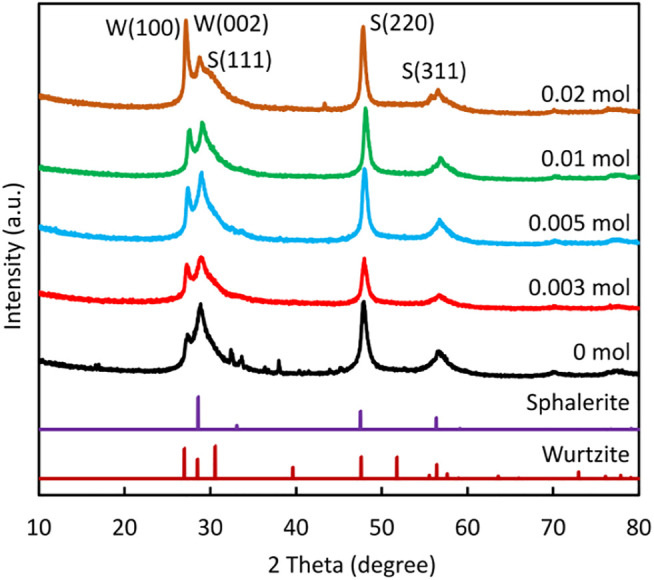
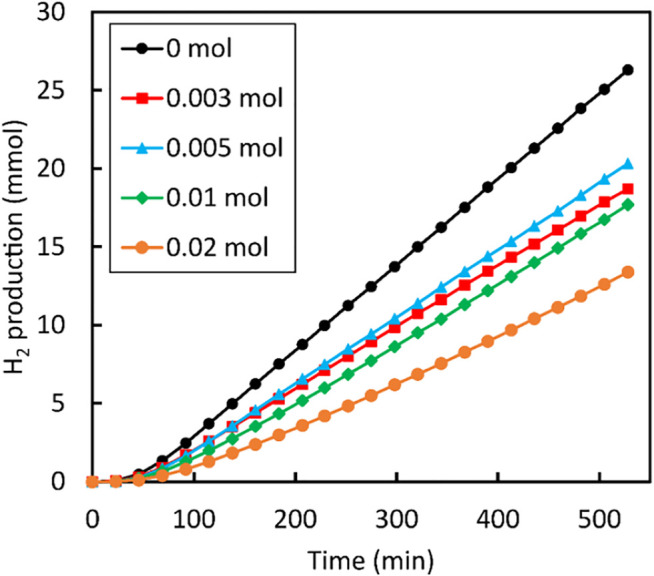
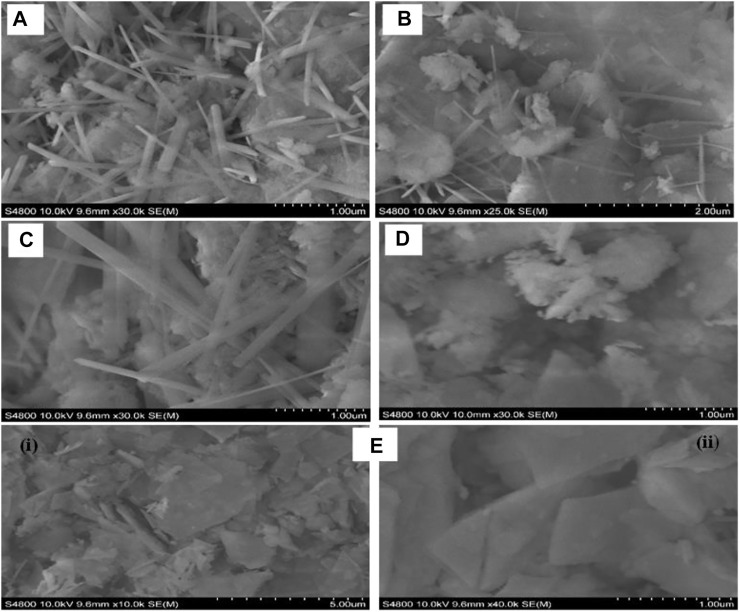
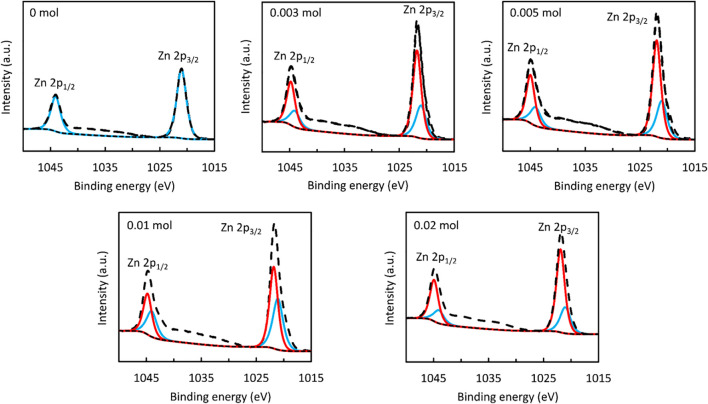
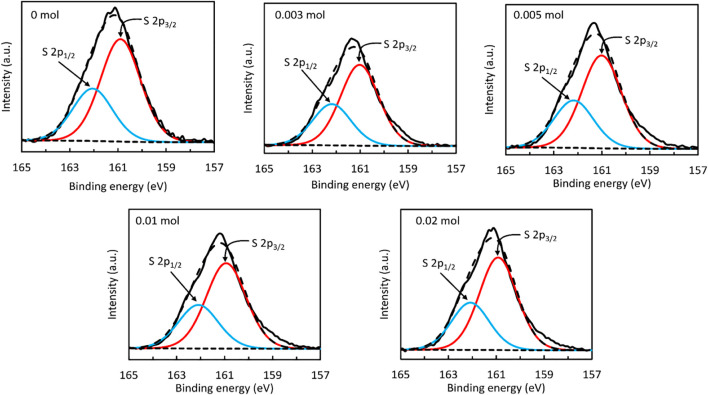
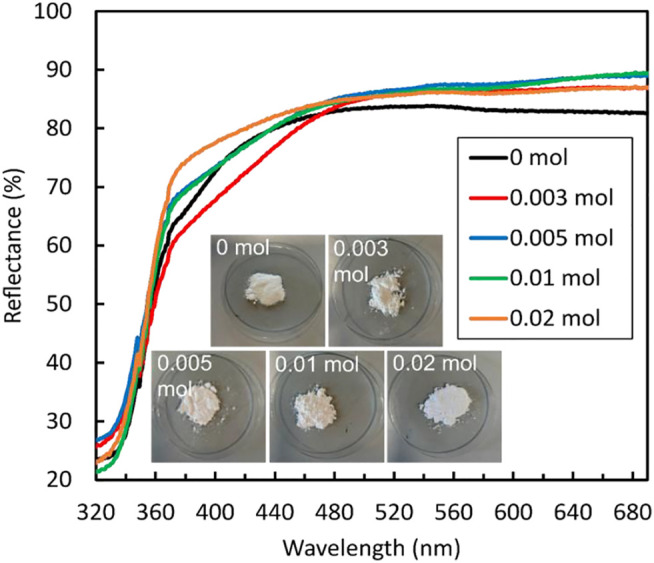
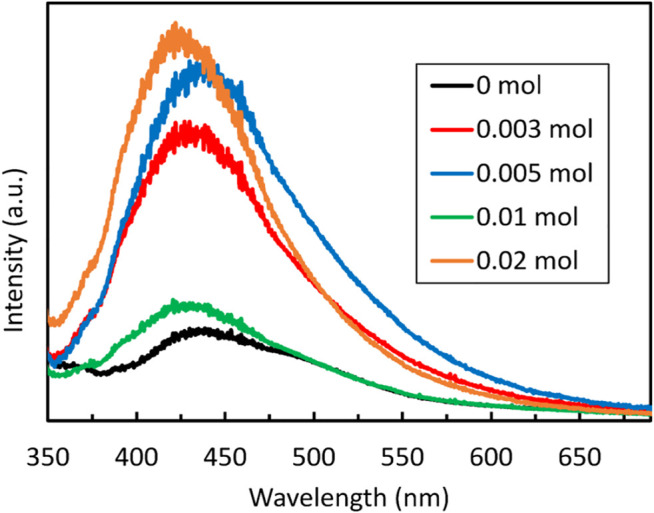
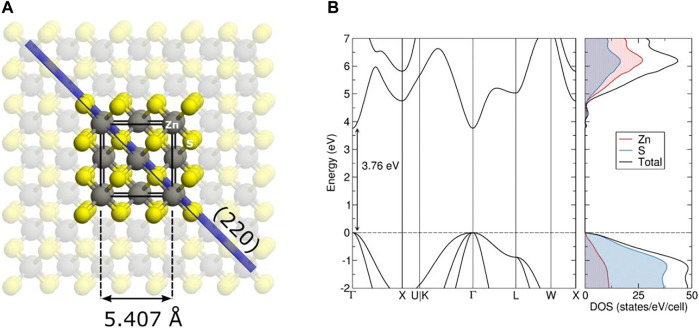
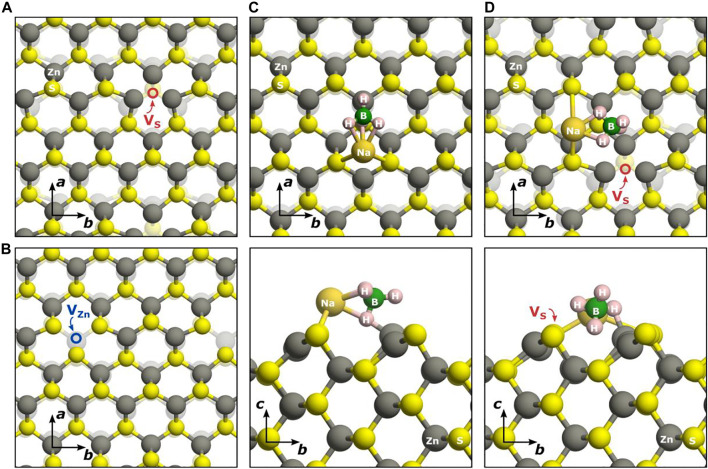
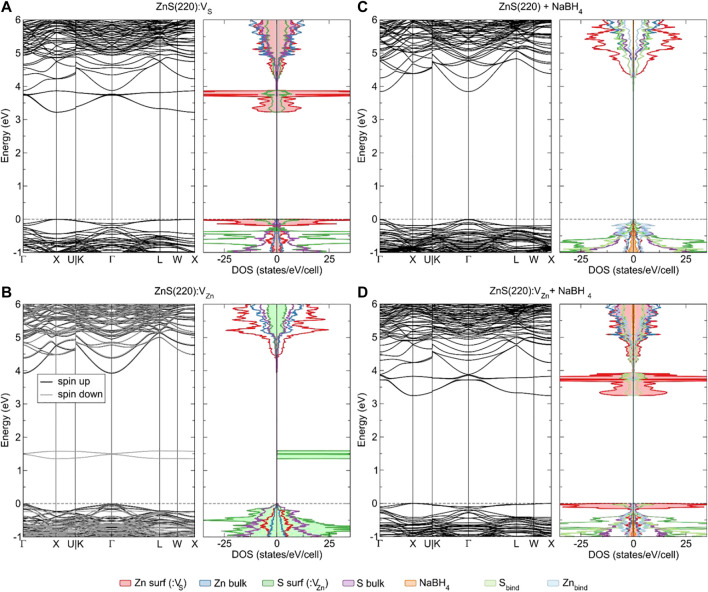
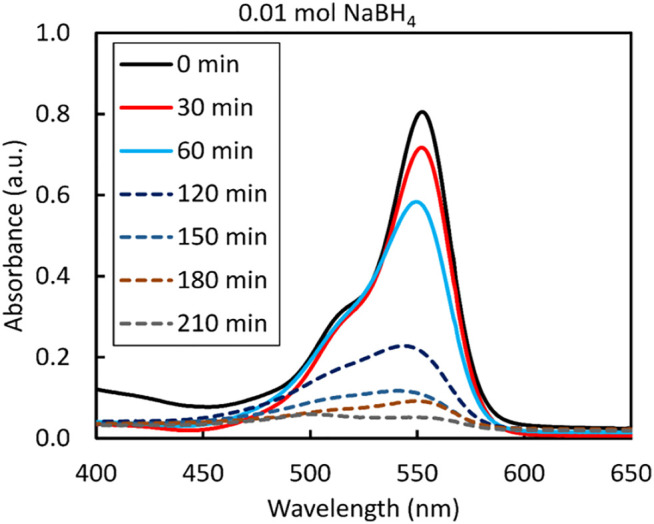
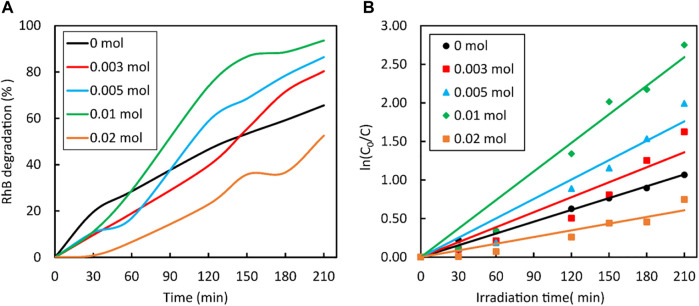
Metal sulphides, including zinc sulphide (ZnS), are semiconductor photocatalysts that have been investigated for the photocatalytic degradation of organic pollutants as well as their activity during the hydrogen evolution reaction and water splitting. However, devising ZnS photocatalysts with a high overall quantum efficiency has been a challenge due to the rapid recombination rates of charge carriers. Various strategies, including the control of size and morphology of ZnS nanoparticles, have been proposed to overcome these drawbacks. In this work, ZnS samples with different morphologies were prepared from zinc and sulphur powders via a facile hydrothermal method by varying the amount of sodium borohydride used as a reducing agent. The structural properties of the ZnS nanoparticles were analysed by X-ray diffraction (XRD), scanning electron microscopy (SEM), and X-ray photoelectron spectroscopy (XPS) techniques. All-electron hybrid density functional theory calculations were employed to elucidate the effect of sulphur and zinc vacancies occurring in the bulk as well as (220) surface on the overall electronic properties and absorption of ZnS. Considerable differences in the defect level positions were observed between the bulk and surface of ZnS while the adsorption of NaBH was found to be highly favourable but without any significant effect on the band gap of ZnS. The photocatalytic activity of ZnS was evaluated for the degradation of rhodamine B dye under UV irradiation and hydrogen generation from water. The ZnS nanoparticles photo-catalytically degraded Rhodamine B dye effectively, with the sample containing 0.01 mol NaBH being the most efficient. The samples also showed activity for hydrogen evolution, but with less H produced compared to when untreated samples of ZnS were used. These findings suggest that ZnS nanoparticles are effective photocatalysts for the degradation of rhodamine B dyes as well as the hydrogen evolution, but rapid recombination of charge carriers remains a factor that needs future optimization.
包括硫化锌(ZnS)在内的金属硫化物是半导体光催化剂,已被用于研究有机污染物的光催化降解以及它们在析氢反应和水分解过程中的活性。然而,由于载流子的快速复合率,设计具有高总量子效率的ZnS光催化剂一直是一个挑战。已经提出了各种策略,包括控制ZnS纳米颗粒的尺寸和形态,以克服这些缺点。在这项工作中,通过改变用作还原剂的硼氢化钠的用量,采用简便的水热法由锌粉和硫粉制备了具有不同形态的ZnS样品。通过X射线衍射(XRD)、扫描电子显微镜(SEM)和X射线光电子能谱(XPS)技术分析了ZnS纳米颗粒的结构性质。采用全电子混合密度泛函理论计算来阐明体相以及(220)表面中硫和锌空位对ZnS整体电子性质和吸收的影响。在ZnS的体相和表面之间观察到缺陷能级位置存在相当大的差异,同时发现NaBH的吸附非常有利,但对ZnS的带隙没有任何显著影响。在紫外光照射下,评估了ZnS对罗丹明B染料降解和水制氢的光催化活性。ZnS纳米颗粒有效地光催化降解了罗丹明B染料,其中含有0.01 mol NaBH的样品效率最高。这些样品也显示出析氢活性,但与使用未处理的ZnS样品相比,产生的H较少。这些发现表明,ZnS纳米颗粒是降解罗丹明B染料以及析氢的有效光催化剂,但载流子的快速复合仍然是一个需要未来优化的因素。