Rahimi G, Rastegar S O, Rahmani Chianeh F, Gu T
Chemical Engineering Group, Department of Engineering, University of Kurdistan Sanandaj Iran
Department of Chemical and Biomolecular Engineering, Ohio University Athens OH 45701 USA.
RSC Adv. 2020 Jan 10;10(3):1685-1696. doi: 10.1039/c9ra09325g. eCollection 2020 Jan 7.
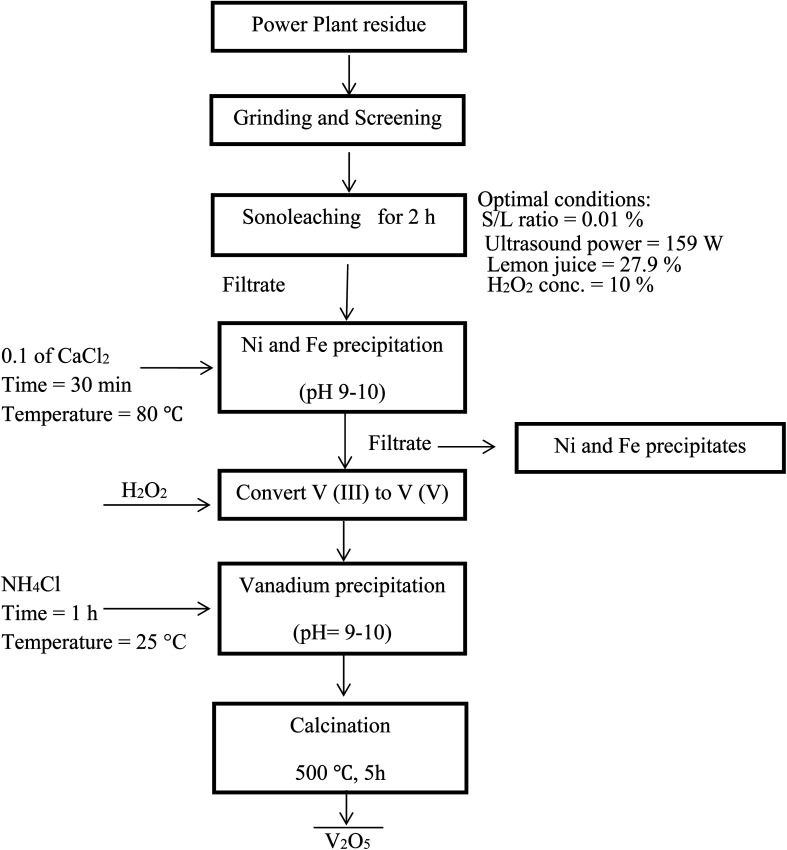
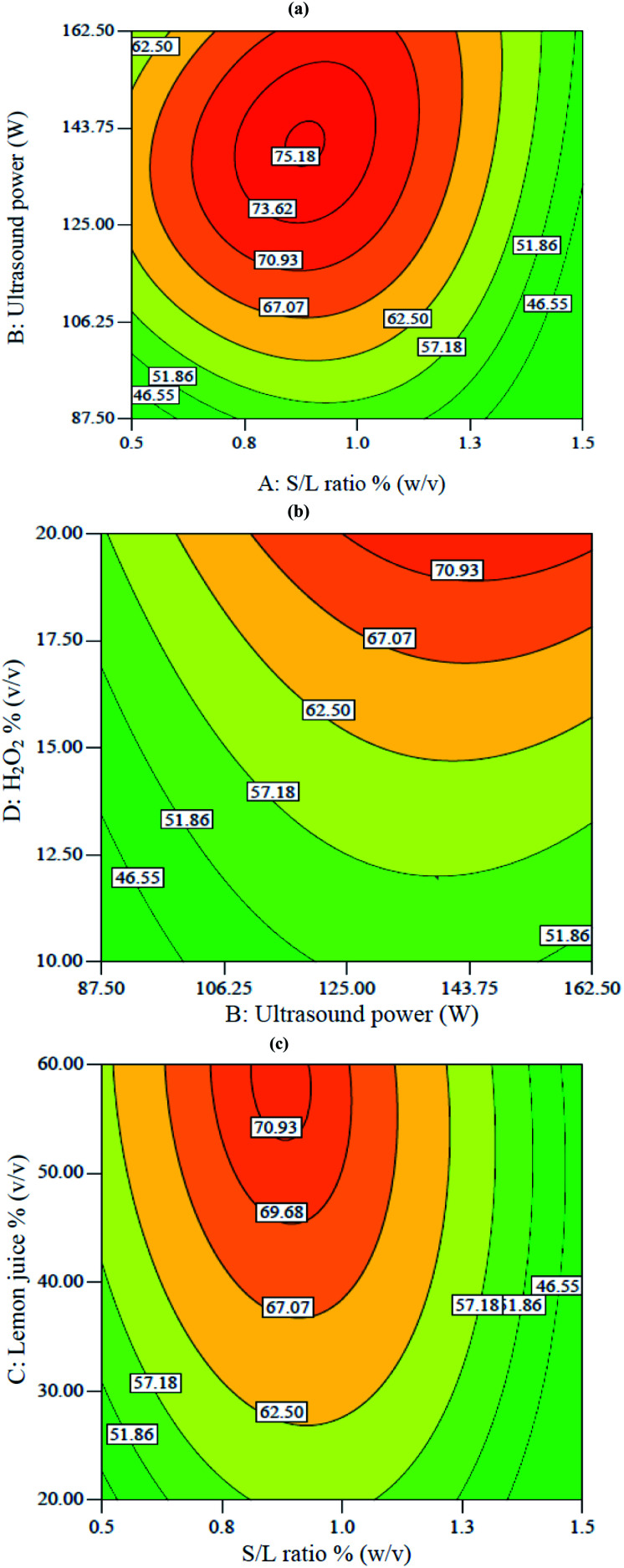
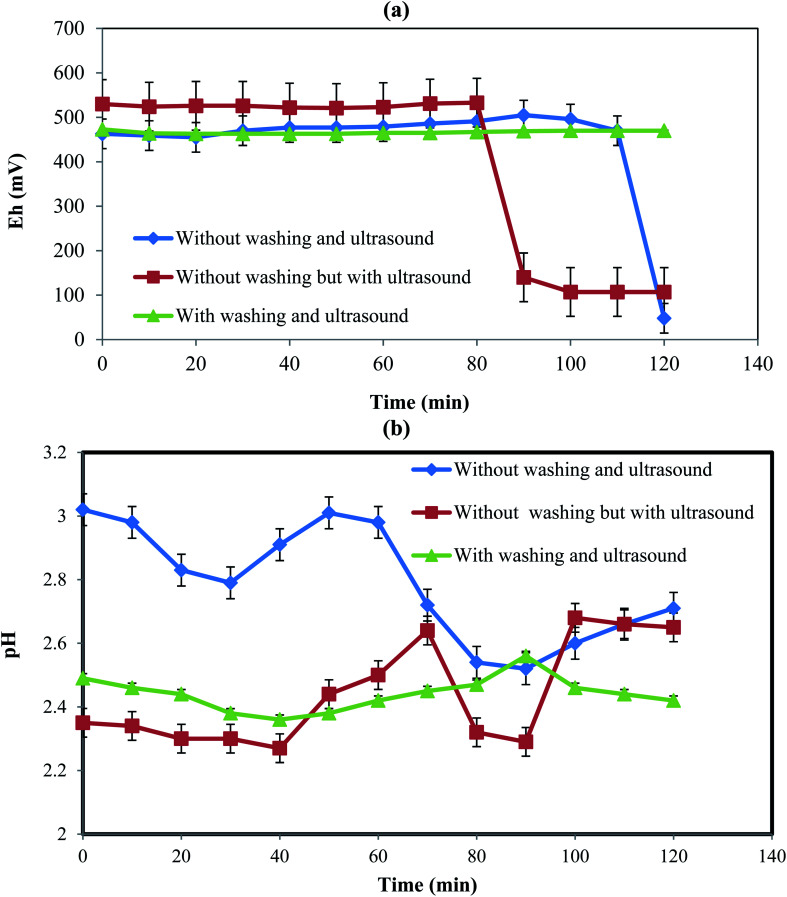
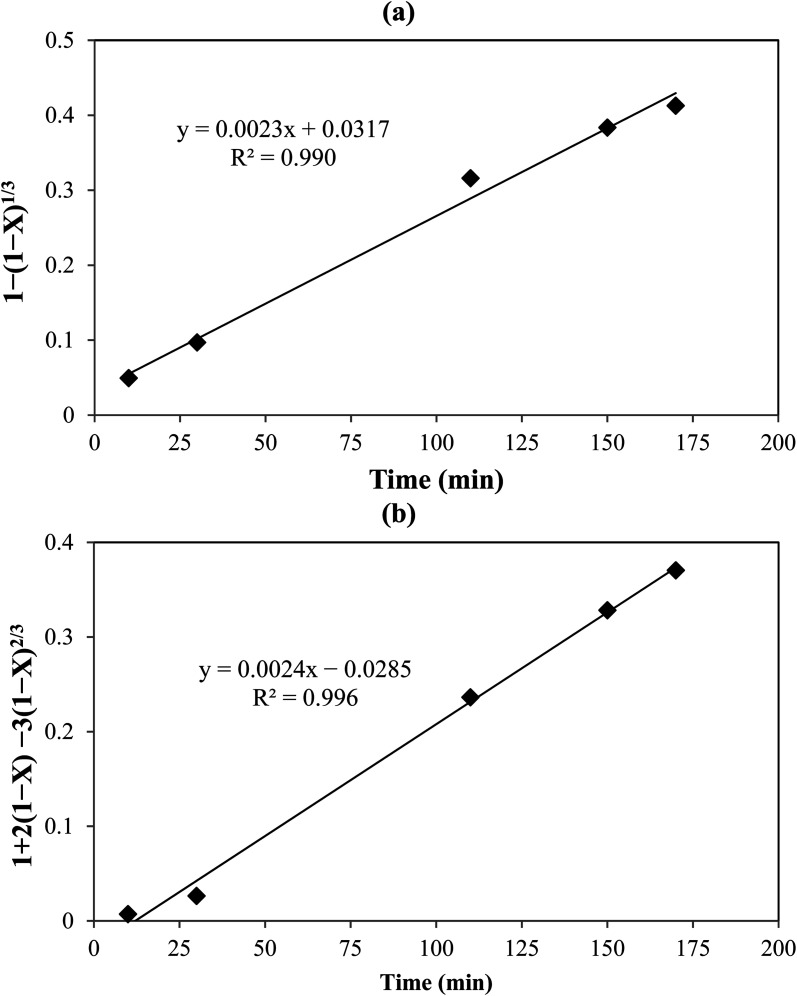
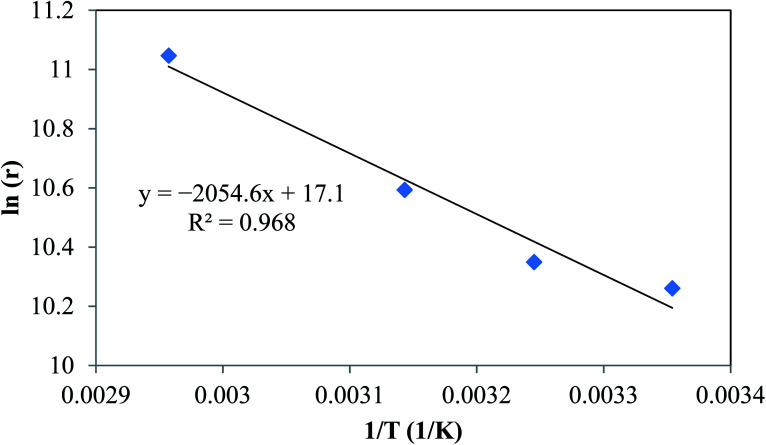
In this work, vanadium (V) was selectively extracted from fuel-oil fly ash using a leaching process utilizing organic acids extracted from lemon juice with assistance from ultrasound and HO. Response Surface Methodology (RSM) was used to optimize the main operating factors. The V recovery was 88.7% at the optimal conditions: 27.9% (v/v) lemon juice, 10% (v/v) hydrogen peroxide (HO), solid/liquid (S/L) ratio 0.01% (w/v), ultrasound power 159 W at 20 kHz in 2 h, and initial temperature of 35 °C. The effect of time on the V recovery was examined. The maximum recovery was 100% after 3 h. Furthermore, the individual effects of ultrasound and HO on V recovery were studied, and the results showed that without HO and ultrasound, the V recovery decreased greatly, indicating that both factors were essential in the leaching process. According to the modified shrinking core model, test results indicated that mass diffusion was the controlling step of the overall reaction kinetics. The activation energy of the leaching reaction in the temperature range 25 to 65 °C was found to be 17.1 kJ mol.
在这项工作中,采用一种浸出工艺从燃油飞灰中选择性提取钒(V),该工艺利用从柠檬汁中提取的有机酸,并借助超声波和过氧化氢(H₂O₂)。采用响应面法(RSM)对主要操作因素进行优化。在最佳条件下钒的回收率为88.7%:柠檬汁27.9%(v/v)、过氧化氢(H₂O₂)10%(v/v)、固液(S/L)比0.01%(w/v)、20 kHz下超声功率159 W作用2 h以及初始温度35℃。研究了时间对钒回收率的影响。3小时后最大回收率为100%。此外,还研究了超声波和过氧化氢对钒回收率的单独影响,结果表明,没有过氧化氢和超声波时,钒回收率大幅下降,这表明这两个因素在浸出过程中都至关重要。根据改进的收缩核模型,试验结果表明质量扩散是整个反应动力学的控制步骤。发现在25至65℃温度范围内浸出反应的活化能为17.1 kJ/mol。