Bondarenko Lyubov, Terekhova Vera, Kahru Anne, Dzhardimalieva Gulzhian, Kelbysheva Elena, Tropskaya Natalya, Kydralieva Kamila
Moscow Aviation Institute (National Research University) Moscow Russia
Lomonosov Moscow State University 119991 Moscow Russia.
RSC Adv. 2021 Sep 29;11(51):32227-32235. doi: 10.1039/d1ra05703k. eCollection 2021 Sep 27.
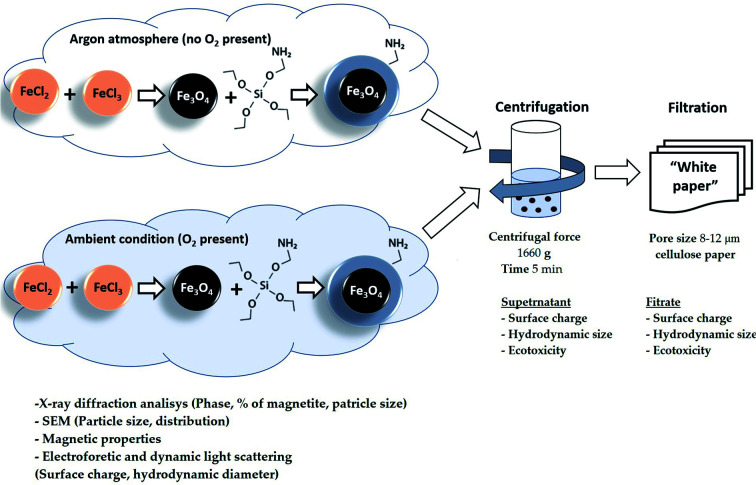
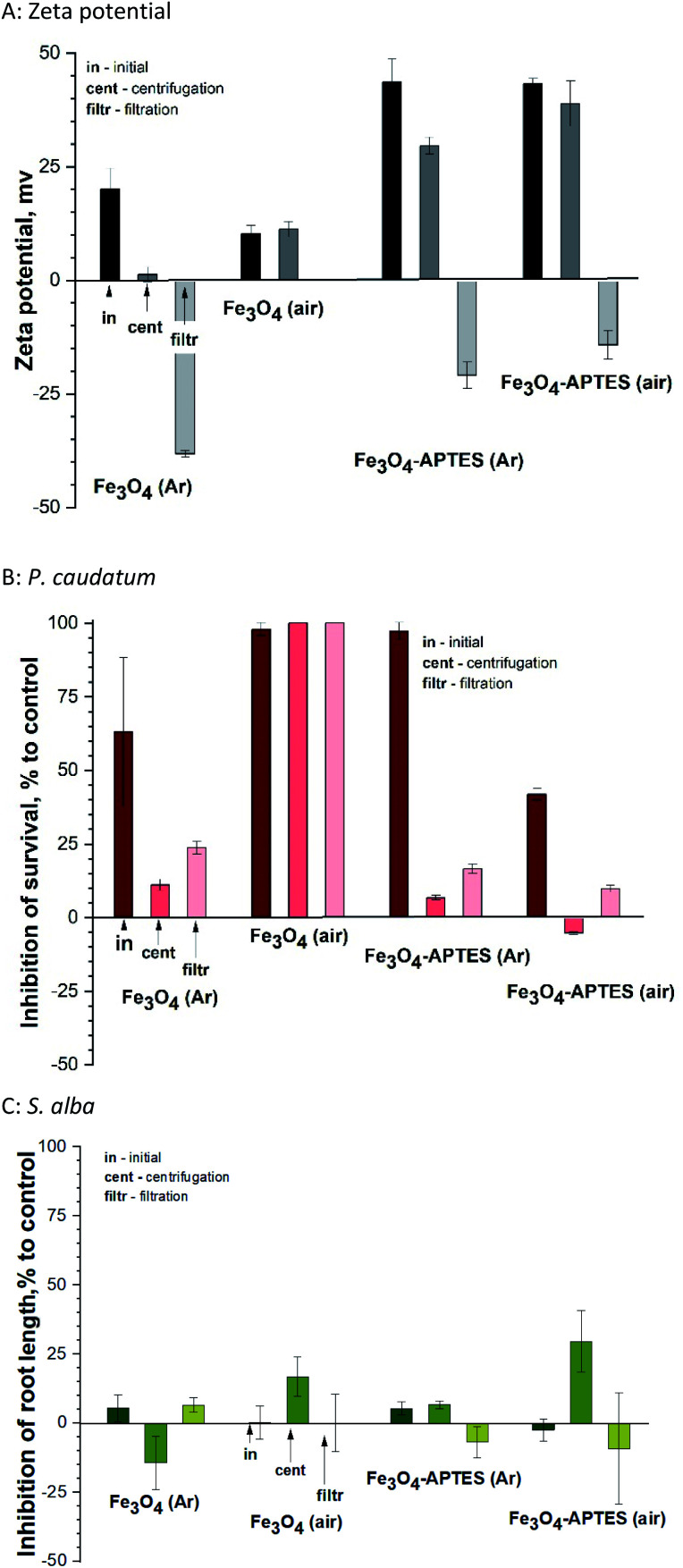
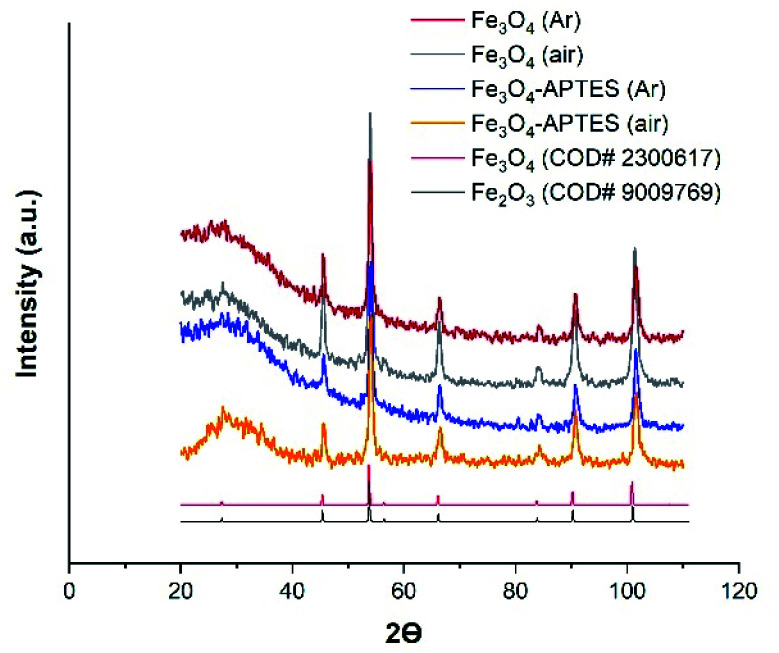
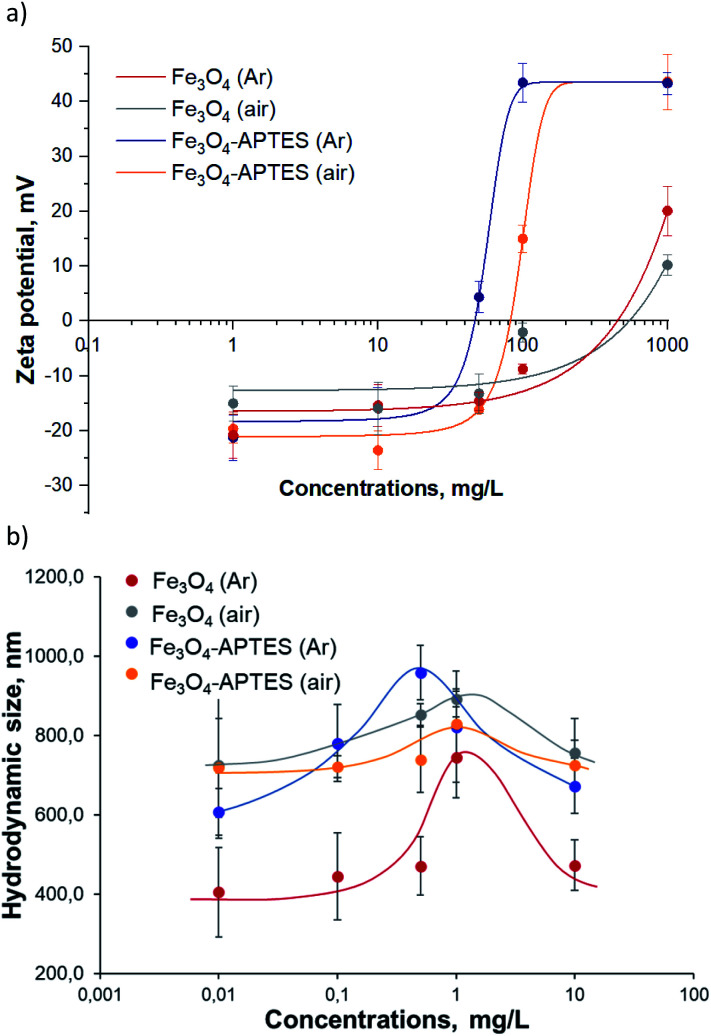
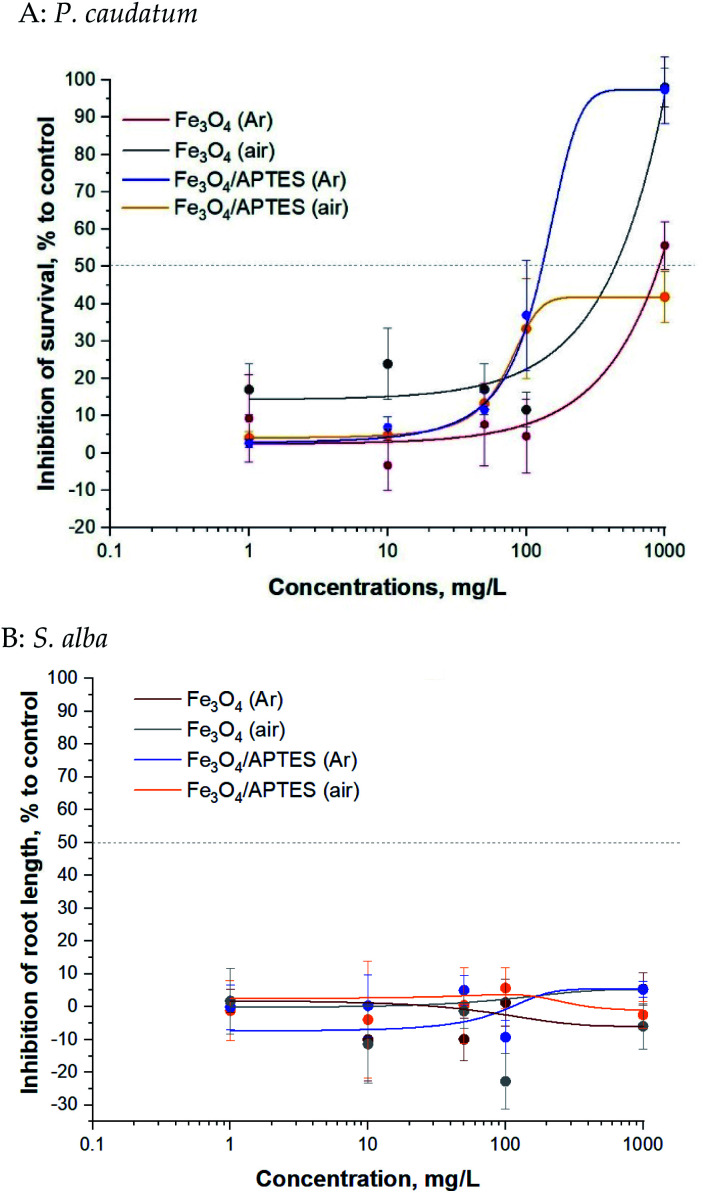
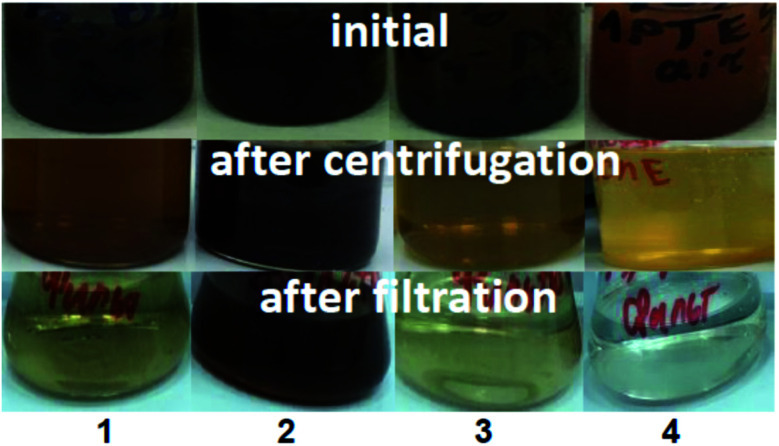
Magnetite (FeO) nanoparticles (NPs) have widely used in various fields, including in medicine, due to their (super)paramagnetic properties. This requires a thorough evaluation of their possible hazardous effects. However, there is no standard procedure for the preparation of oxidation-prone NPs (such as magnetite) before subjecting them to biological assays. In this study we used FeO NPs (bare and silica-coated) as test samples to compare different preparation methods (ultrasound, centrifugation and filteration of NPs suspensions) based on X-ray and dynamic light scattering analysis and evaluation of microstructure and surface charge. After oxidation and functionalization, all samples retained their superparamagnetic behaviour. The toxicity of NP suspensions obtained by the methods described for ciliates and plants was evaluated.
由于具有(超)顺磁性,磁铁矿(FeO)纳米颗粒(NPs)已广泛应用于包括医学在内的各个领域。这就需要对其可能的有害影响进行全面评估。然而,在对易氧化的纳米颗粒(如磁铁矿)进行生物测定之前,尚无标准的制备程序。在本研究中,我们使用FeO纳米颗粒(裸纳米颗粒和二氧化硅包覆纳米颗粒)作为测试样品,基于X射线和动态光散射分析以及微观结构和表面电荷评估,比较不同的制备方法(纳米颗粒悬浮液的超声处理、离心和过滤)。氧化和功能化后,所有样品均保留其超顺磁行为。评估了通过所述方法获得的纳米颗粒悬浮液对纤毛虫和植物的毒性。