Zhang Ling, Wang Ziwei, Wu Honghua, Gao Ying, Zheng Jia, Zhang Junqing
Department of Endocrinology, Peking University First Hospital, Beijing, China.
Front Nutr. 2022 Apr 14;9:849684. doi: 10.3389/fnut.2022.849684. eCollection 2022.
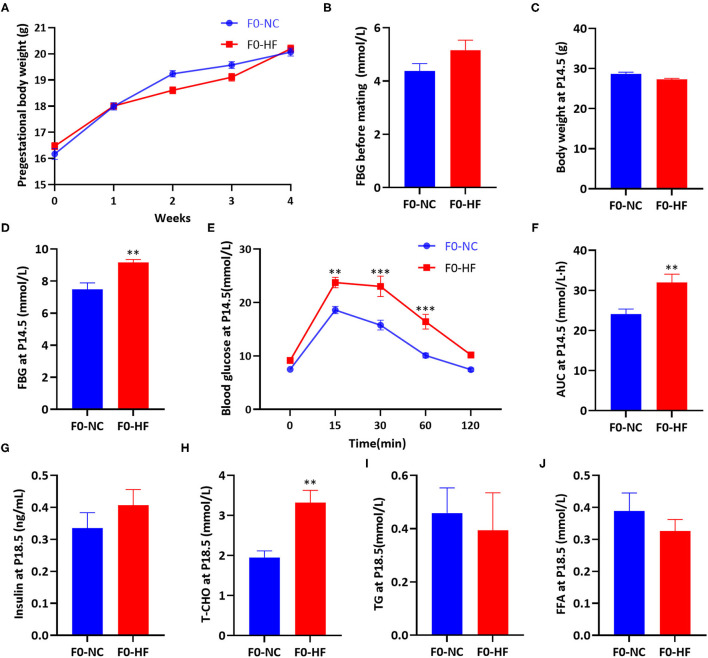
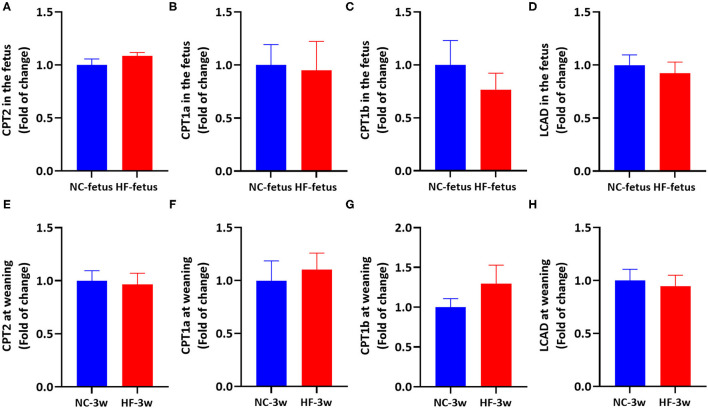
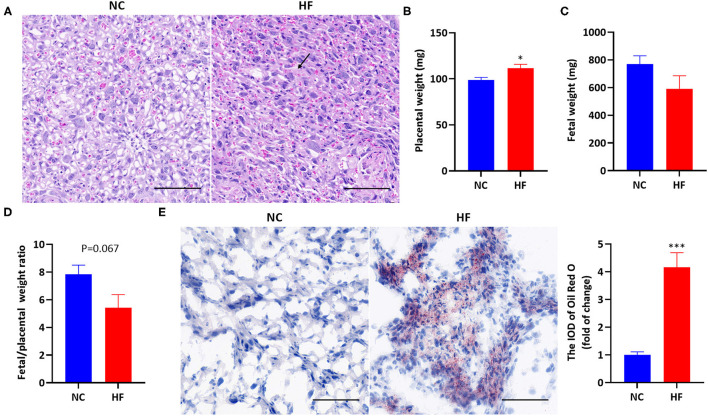
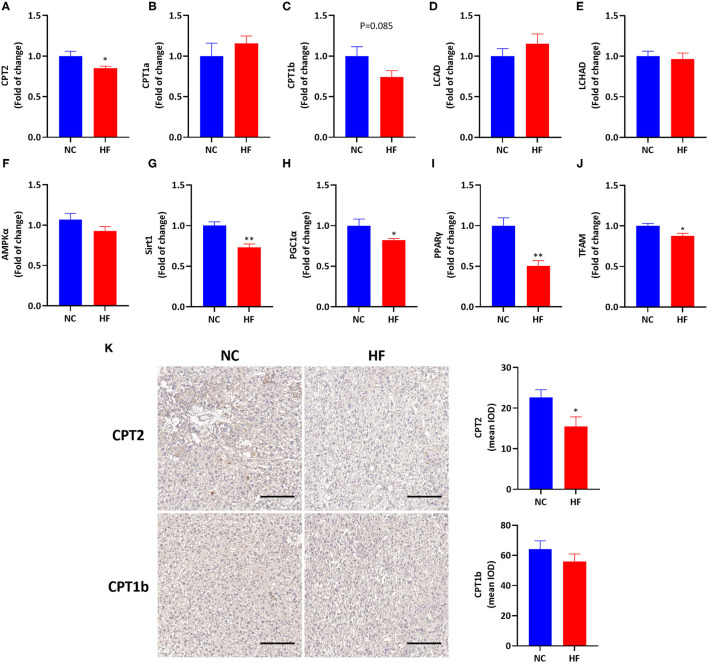
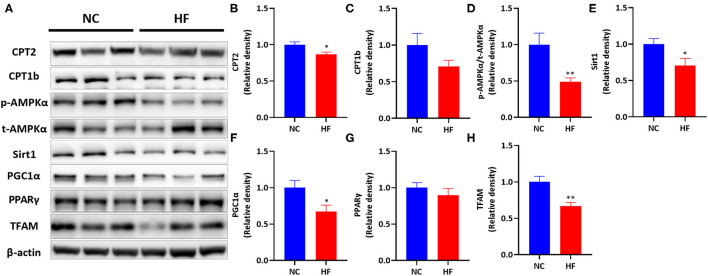
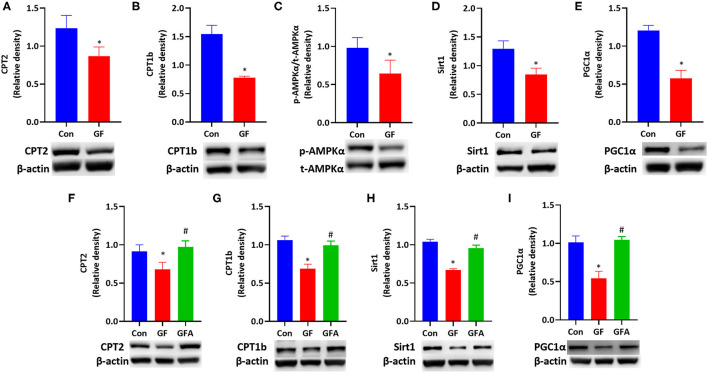
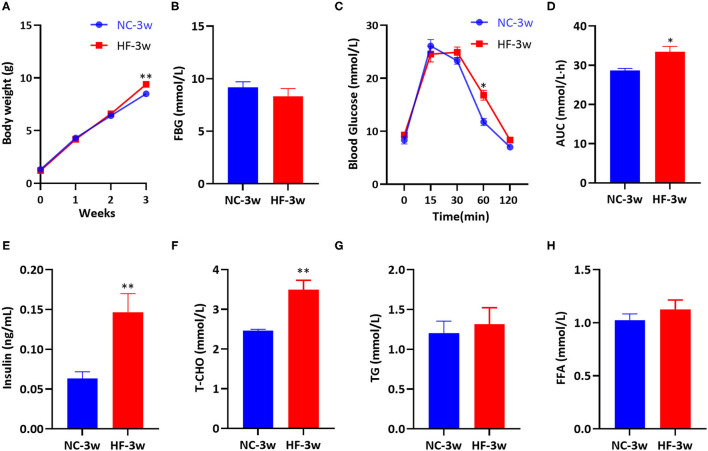
Maternal overnutrition can affect fetal growth and development, thus increasing susceptibility to obesity and diabetes in later life of the offspring. Placenta is the central organ connecting the developing fetus with the maternal environment. It is indicated placental fatty acid metabolism plays an essential role in affecting the outcome of the pregnancy and fetus. However, the role of placental fatty acid β-oxidation (FAO) in maternal overnutrition affecting glucose metabolism in the offspring remains unclear. In this study, C57BL/6J female mice were fed with normal chow or high-fat diet before and during pregnancy and lactation. The placenta and fetal liver were collected at gestation day 18.5, and the offspring's liver was collected at weaning. FAO-related genes and AMP-activated protein kinase (AMPK) signaling pathway were examined both in the placenta and in the human JEG-3 trophoblast cells. FAO-related genes were further examined in the liver of the fetuses and in the offspring at weaning. We found that dams fed with high-fat diet showed higher fasting blood glucose, impaired glucose tolerance at gestation day 14.5 and higher serum total cholesterol (T-CHO) at gestation day 18.5. The placental weight and lipid deposition were significantly increased in maternal high-fat diet group. At weaning, the offspring mice of high-fat diet group exhibited higher body weight, impaired glucose tolerance, insulin resistance and increased serum T-CHO, compared with control group. We further found that maternal high-fat diet downregulated mRNA and protein expressions of carnitine palmitoyltransferase 2 (CPT2), a key enzyme in FAO, by suppressing the AMPK/Sirt1/PGC1α signaling pathway in the placenta. In JEG-3 cells, protein expressions of CPT2 and CPT1b were both downregulated by suppressing the AMPK/Sirt1/PGC1α signaling pathway under glucolipotoxic condition, but were later restored by the AMPK agonist 5-aminoimidazole-4-carboxyamide ribonucleoside (AICAR). However, there was no difference in CPT2 and CPT1 gene expression in the liver of fetuses and offspring at weaning age. In conclusion, maternal high-fat diet can impair gene expression involved in FAO in the placenta by downregulating the AMPK signaling pathway, and can cause glucose and lipid dysfunction of offspring at weaning, indicating that placental FAO may play a crucial role in regulating maternal overnutrition and metabolic health in the offspring.
母体营养过剩会影响胎儿的生长发育,从而增加后代成年后患肥胖症和糖尿病的易感性。胎盘是连接发育中的胎儿与母体环境的核心器官。有迹象表明,胎盘脂肪酸代谢在影响妊娠结局和胎儿方面起着至关重要的作用。然而,胎盘脂肪酸β-氧化(FAO)在母体营养过剩影响后代葡萄糖代谢中的作用仍不清楚。在本研究中,C57BL/6J雌性小鼠在怀孕和哺乳前及期间分别喂食正常饲料或高脂饮食。在妊娠第18.5天收集胎盘和胎儿肝脏,在断奶时收集后代的肝脏。检测了胎盘和人JEG-3滋养层细胞中与FAO相关的基因以及AMP激活的蛋白激酶(AMPK)信号通路。在胎儿肝脏和断奶后代中进一步检测了与FAO相关的基因。我们发现,喂食高脂饮食的母鼠在妊娠第14.5天空腹血糖较高、葡萄糖耐量受损,在妊娠第18.5天血清总胆固醇(T-CHO)较高。母体高脂饮食组的胎盘重量和脂质沉积显著增加。与对照组相比,高脂饮食组的后代小鼠在断奶时体重更高、葡萄糖耐量受损、胰岛素抵抗增加且血清T-CHO升高。我们进一步发现,母体高脂饮食通过抑制胎盘中的AMPK/Sirt1/PGC1α信号通路,下调了FAO关键酶肉碱棕榈酰转移酶2(CPT2)的mRNA和蛋白表达。在JEG-3细胞中,在糖脂毒性条件下,通过抑制AMPK/Sirt1/PGC1α信号通路,CPT2和CPT1b的蛋白表达均下调,但随后被AMPK激动剂5-氨基咪唑-4-甲酰胺核苷(AICAR)恢复。然而,在断奶时胎儿和后代的肝脏中,CPT2和CPT1基因表达没有差异。总之,母体高脂饮食可通过下调AMPK信号通路损害胎盘中与FAO相关的基因表达,并可导致断奶后代的葡萄糖和脂质功能障碍,表明胎盘FAO可能在调节母体营养过剩和后代代谢健康方面发挥关键作用。