Graduate Program in Neuroscience, Graduate School of Biomedical Sciences, Tufts University School of Medicine, Boston, MA, USA.
Graduate Program in Cell, Molecular and Developmental Biology, Graduate School of Biomedical Sciences, Tufts University School of Medicine, Boston, MA, USA.
Nat Metab. 2022 May;4(5):627-643. doi: 10.1038/s42255-022-00566-0. Epub 2022 May 2.
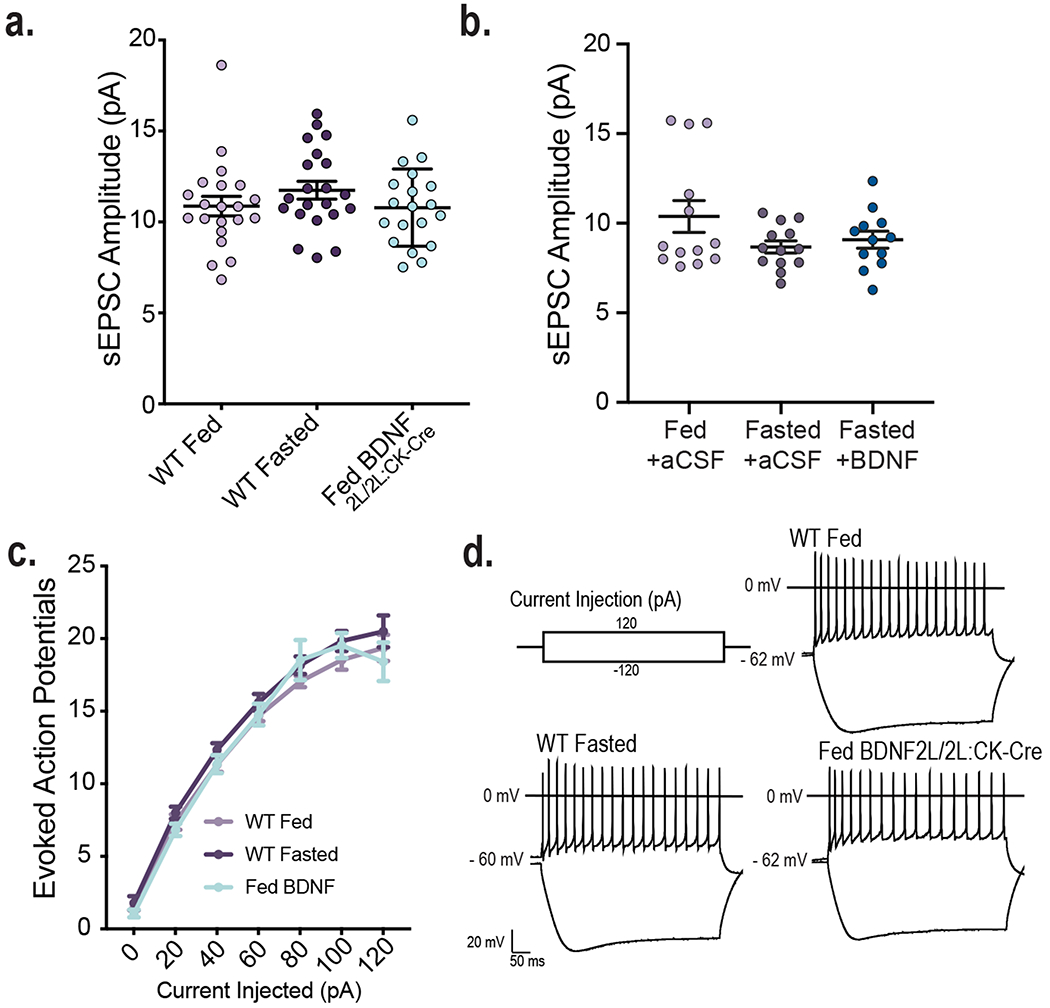
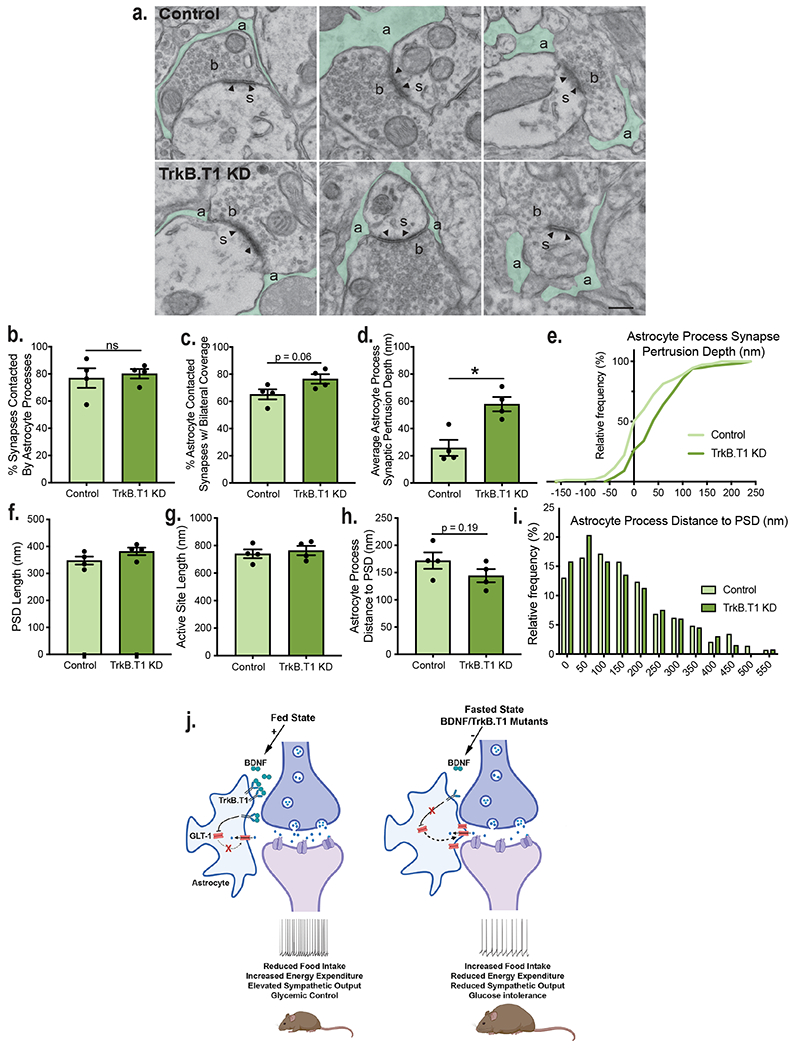
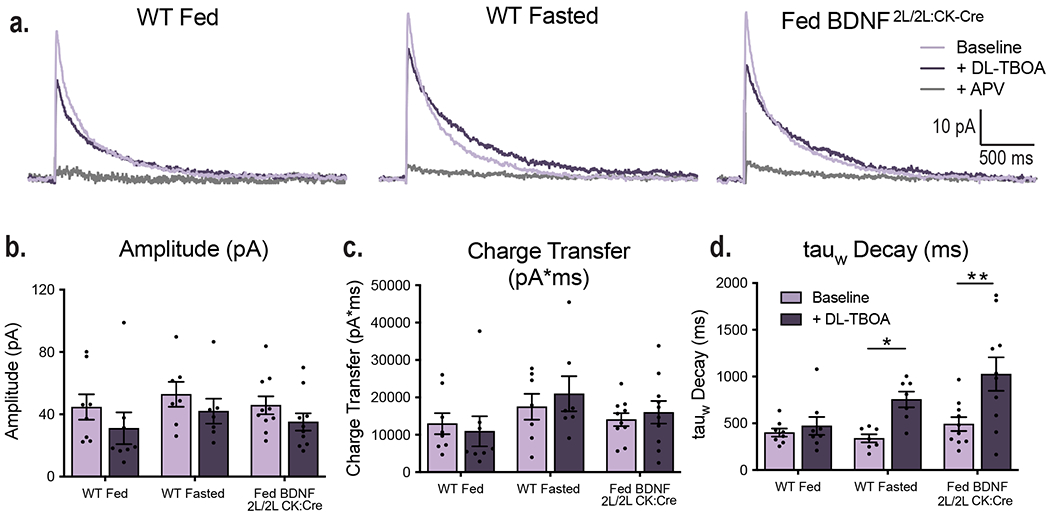
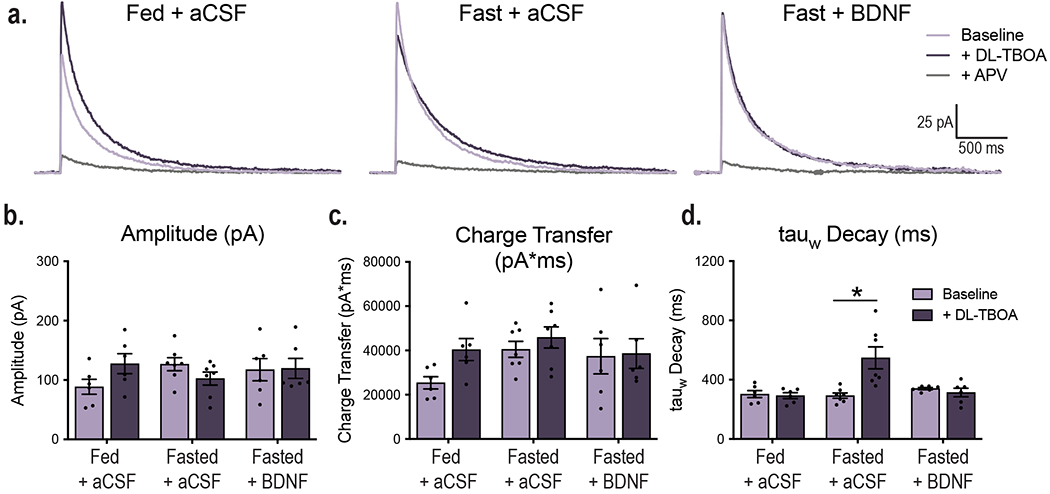
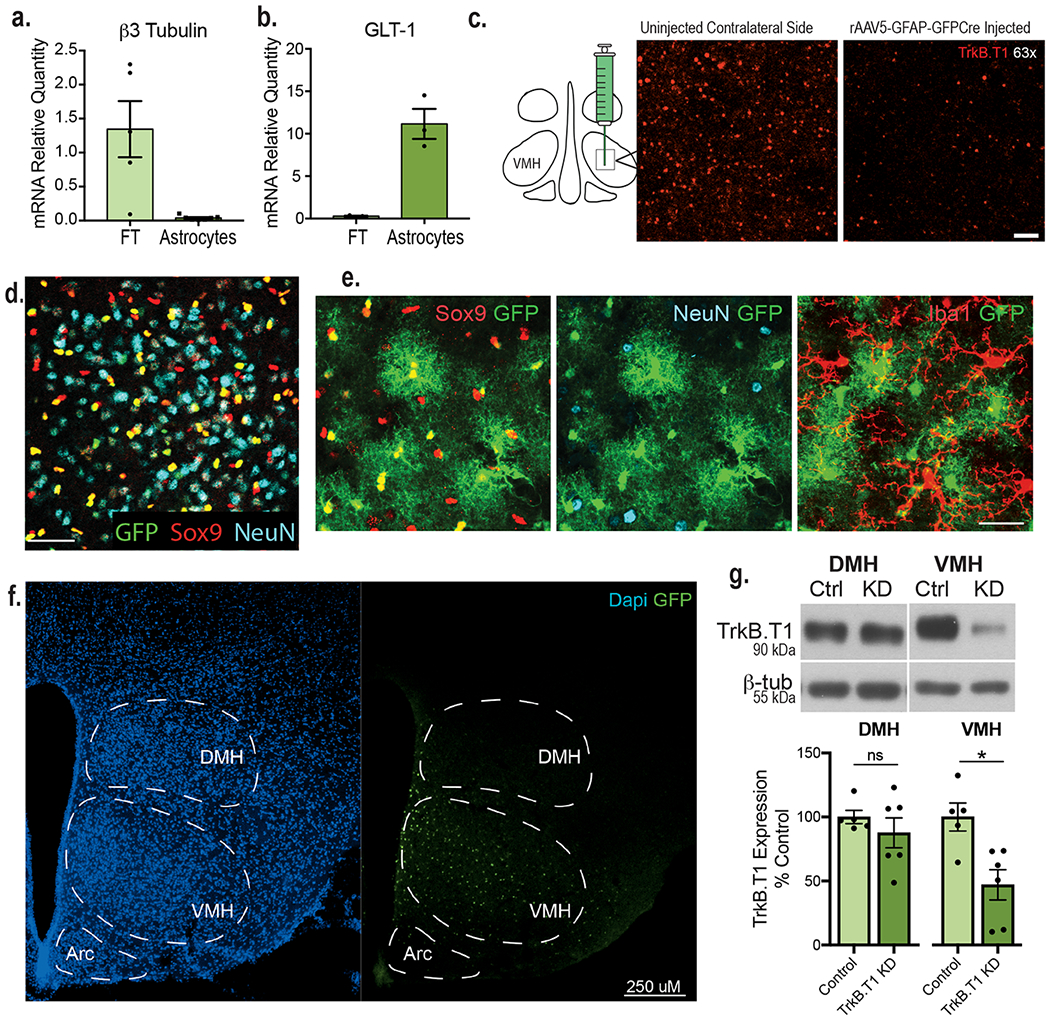
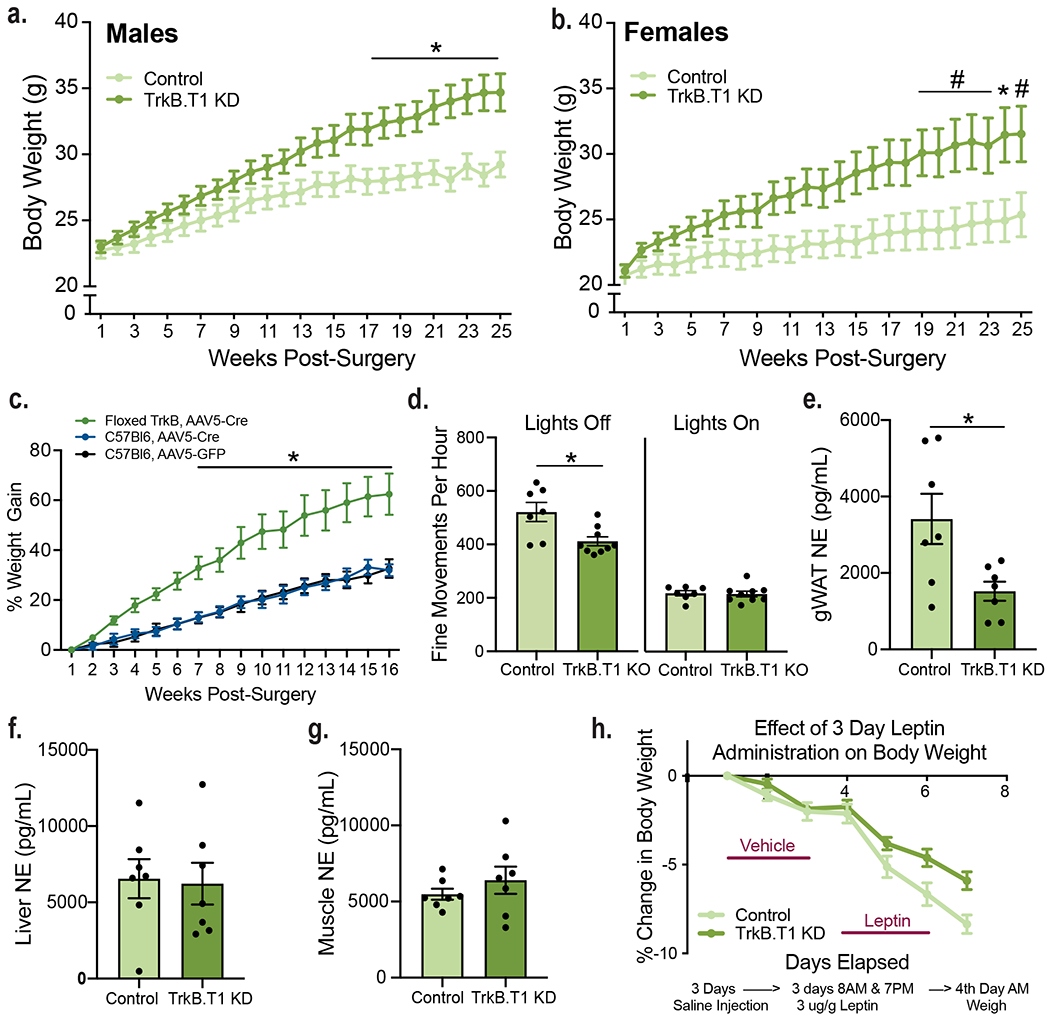
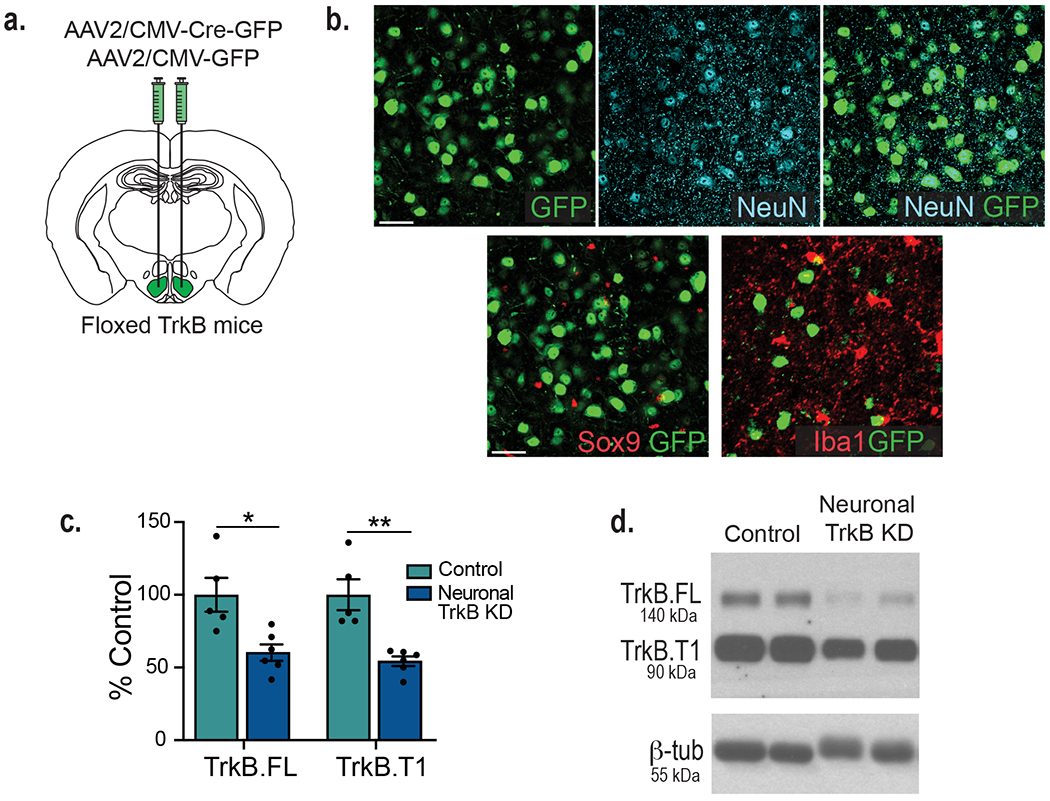
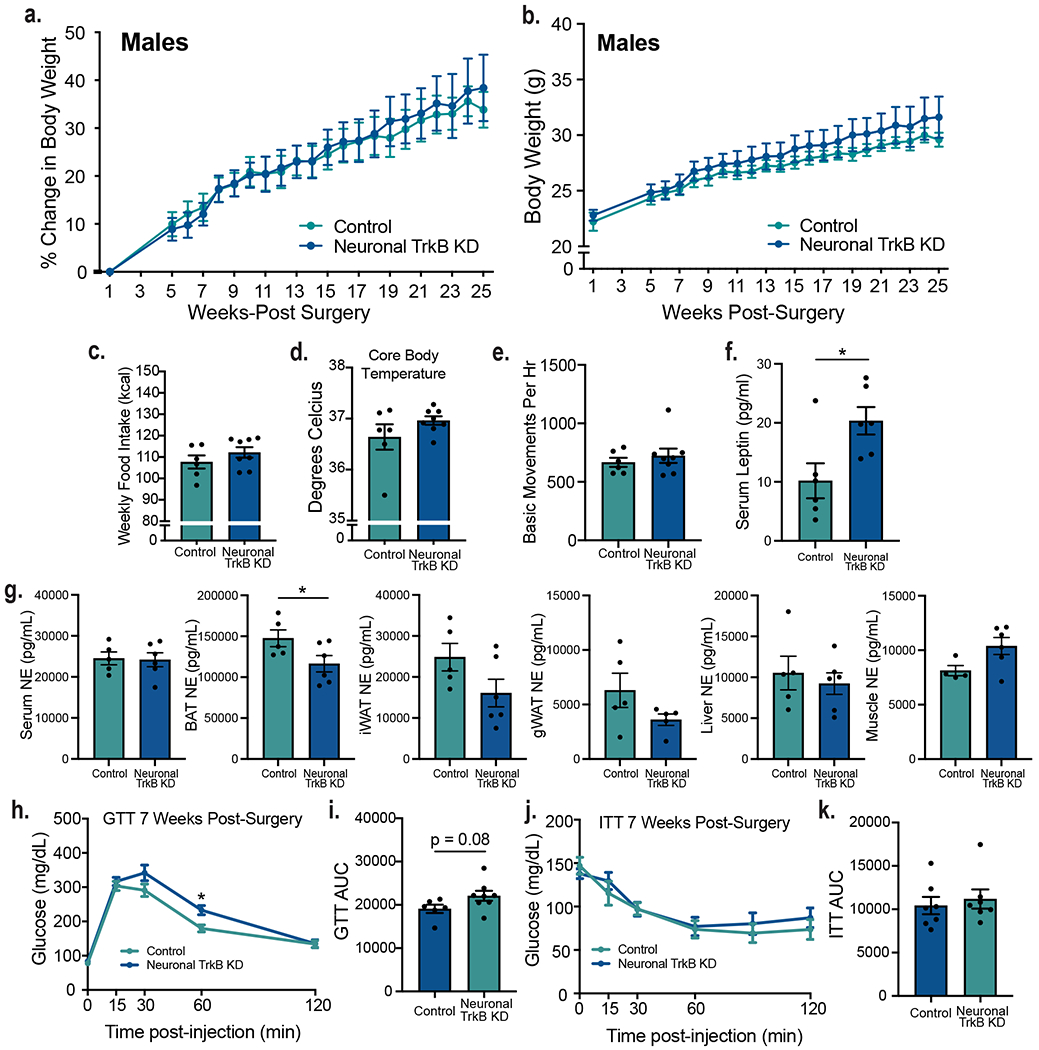
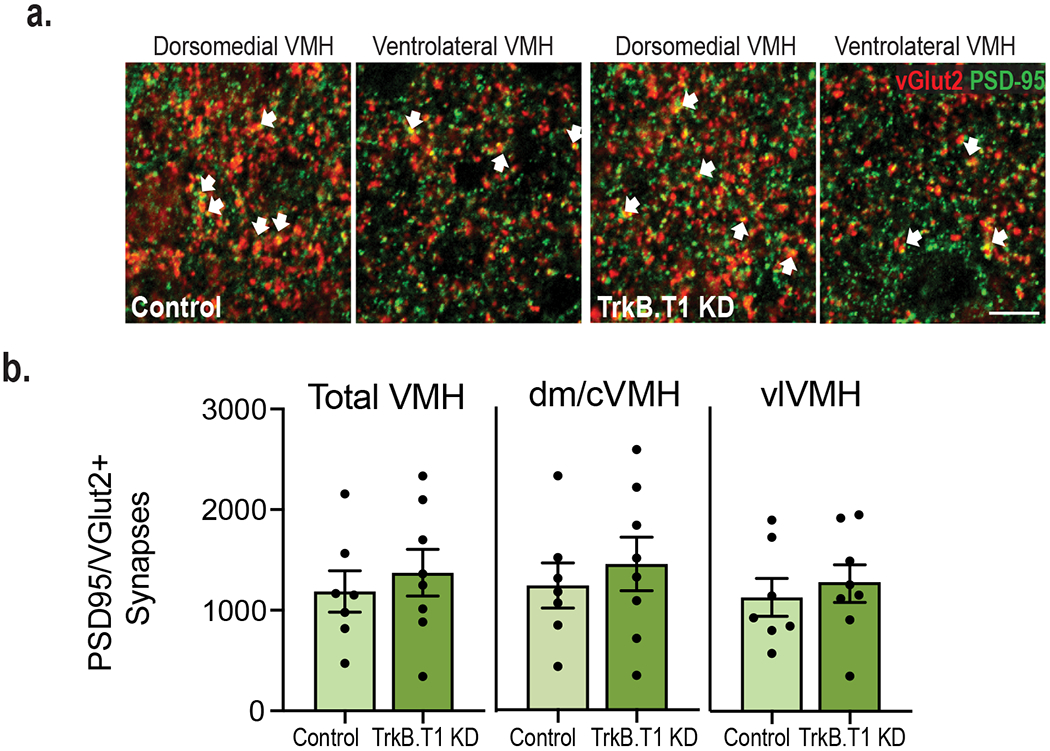
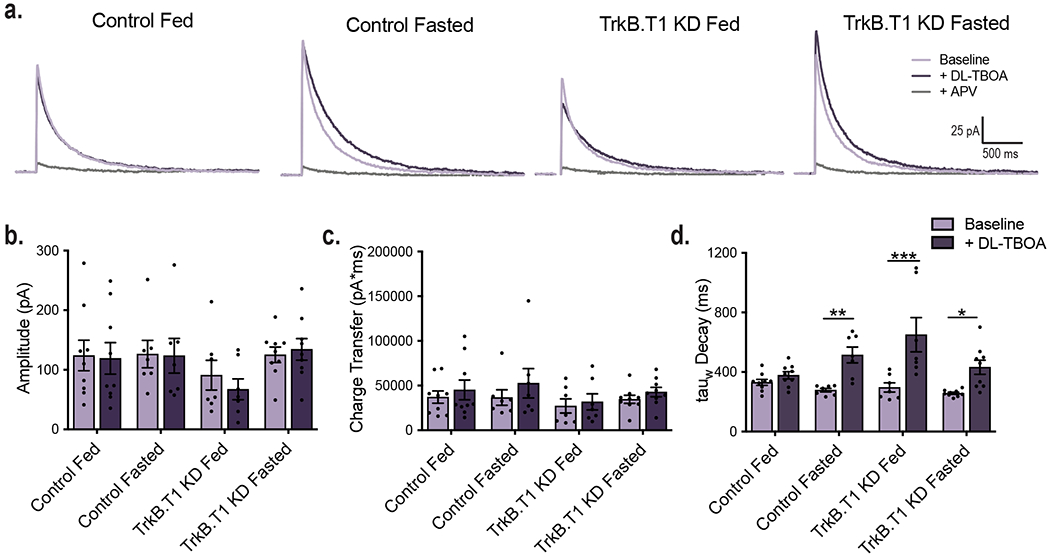
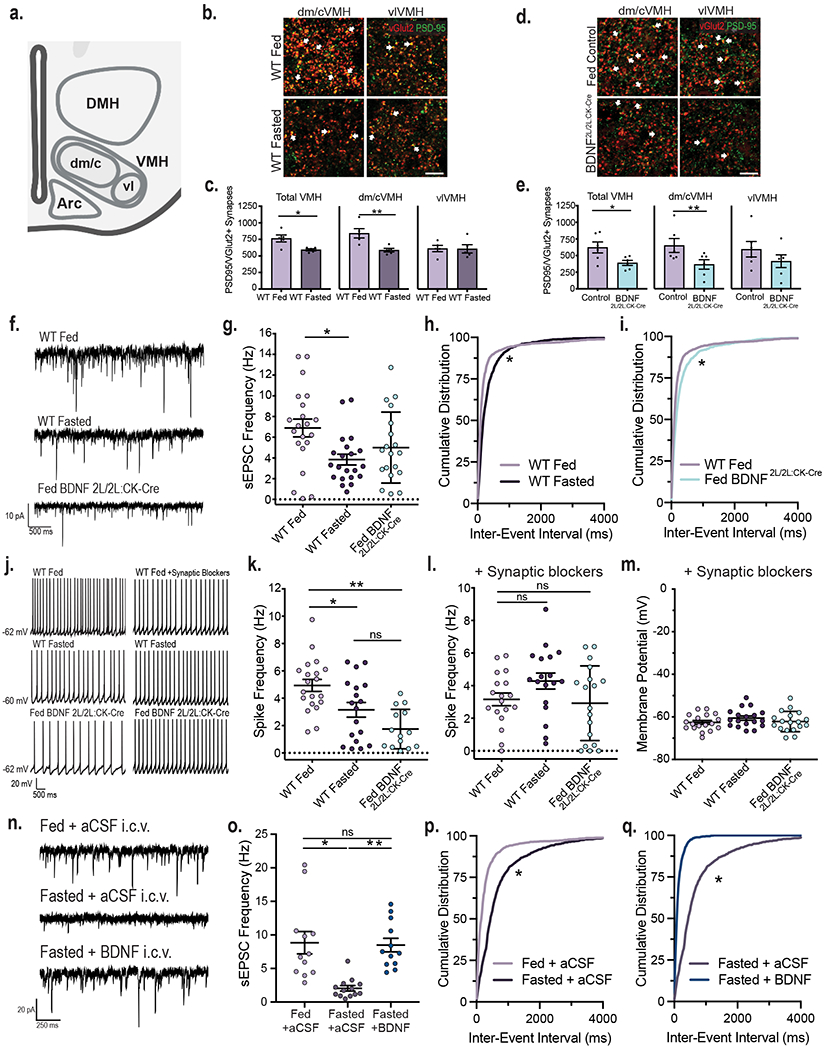
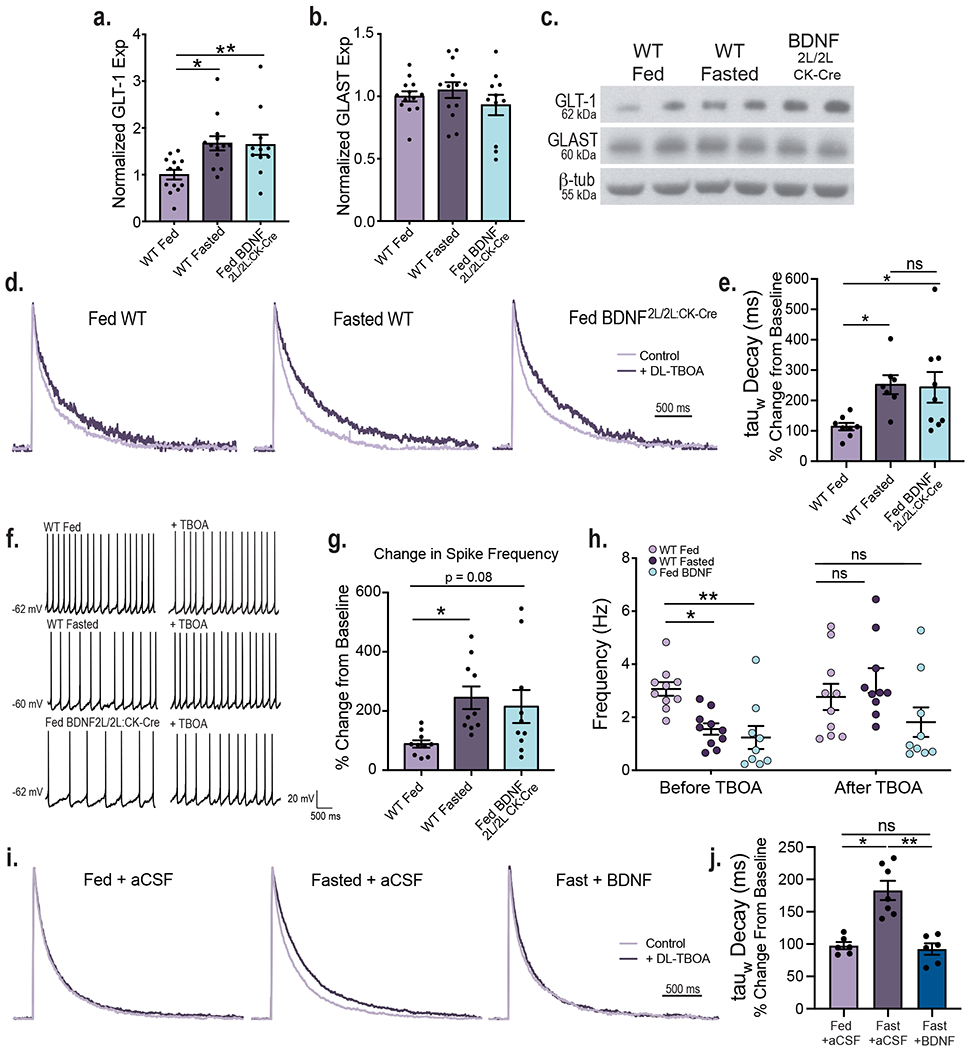
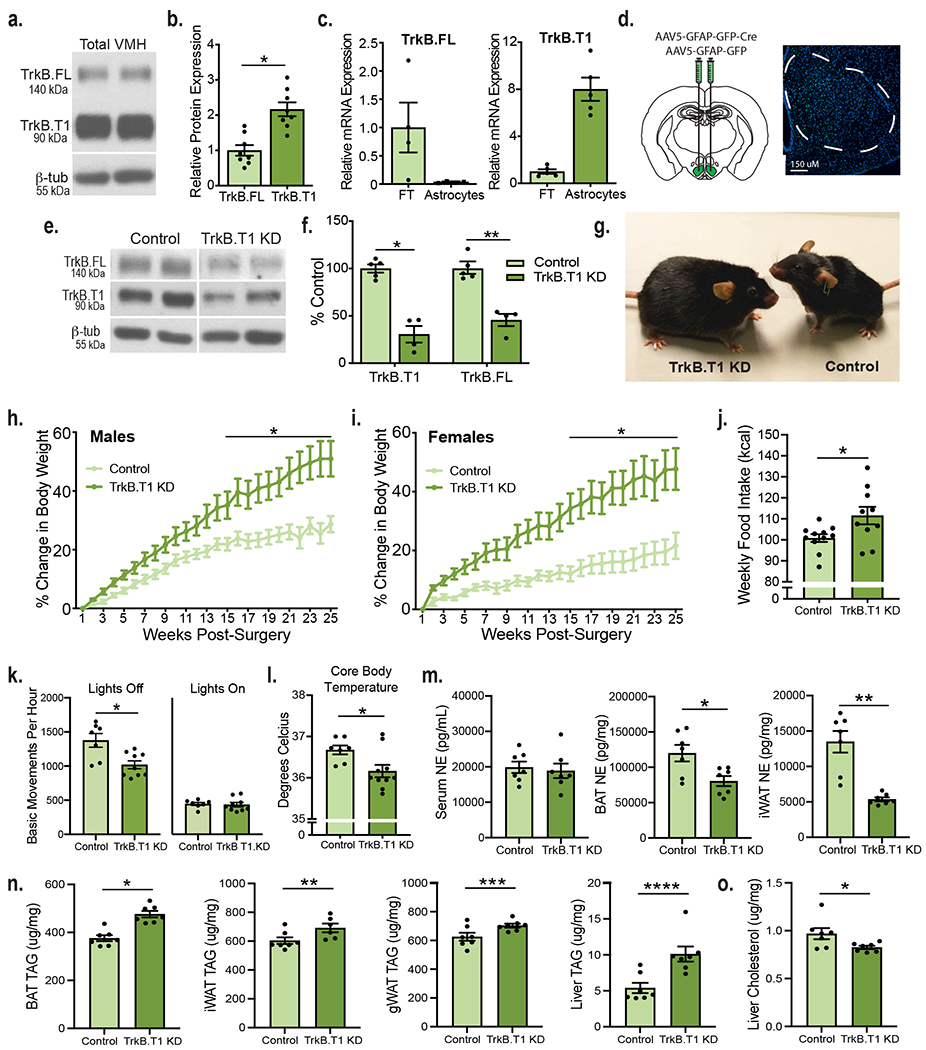
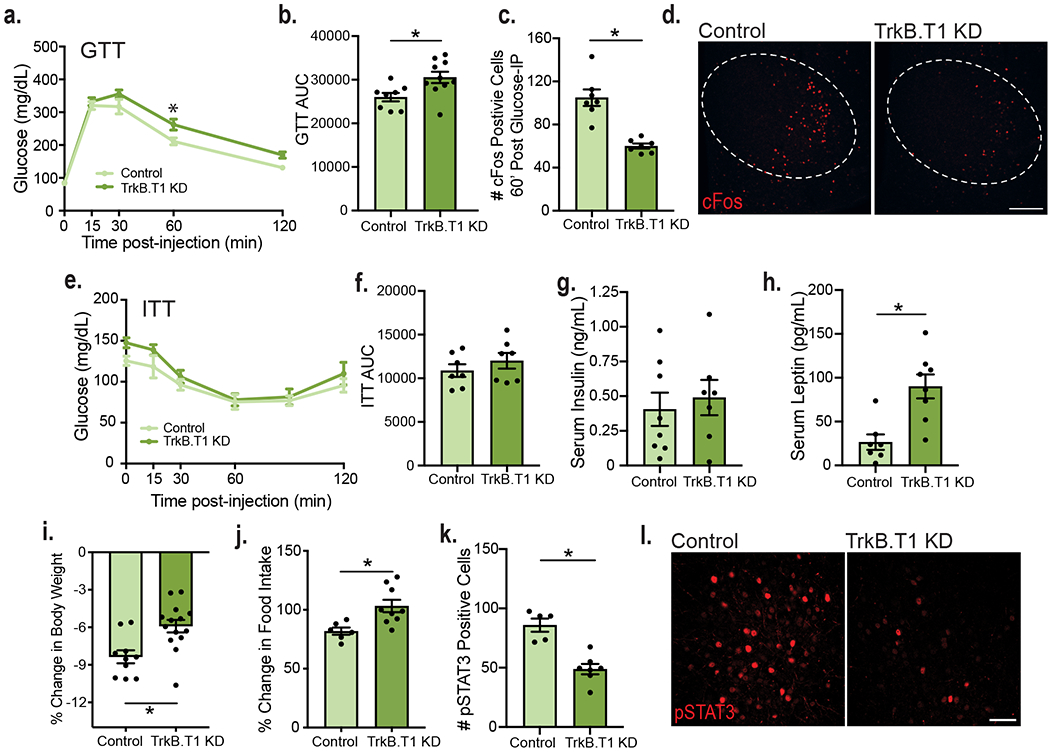
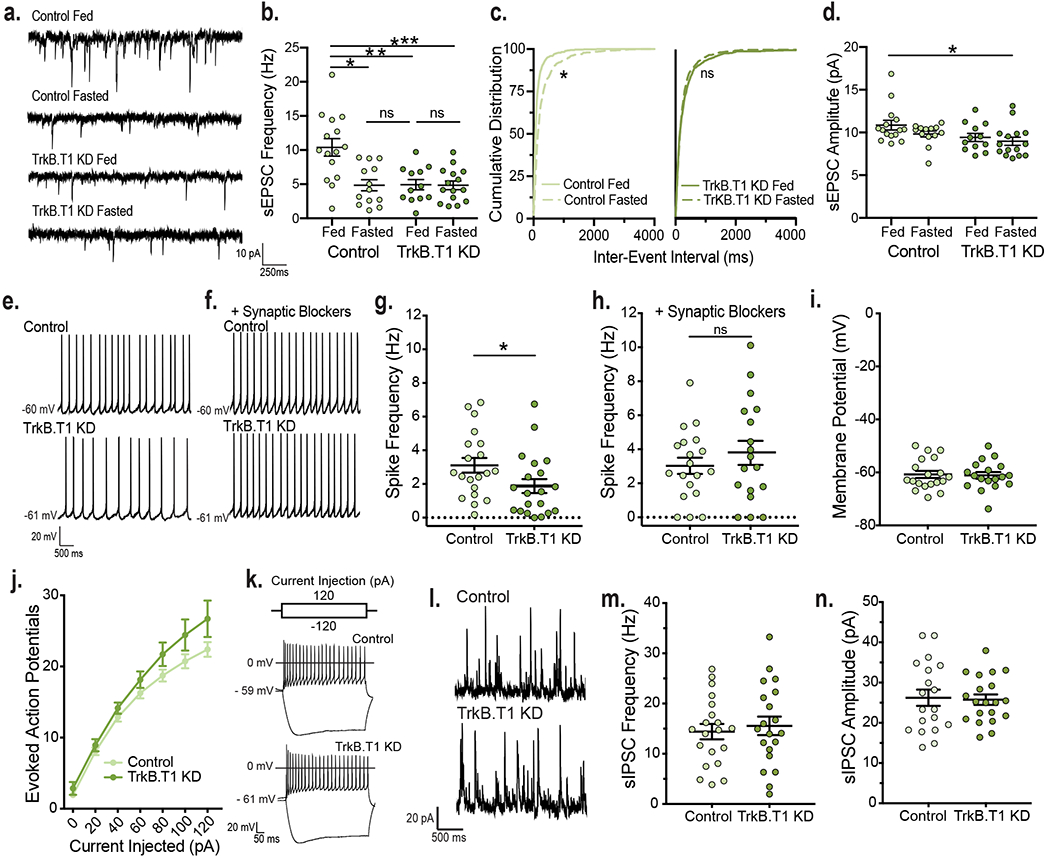
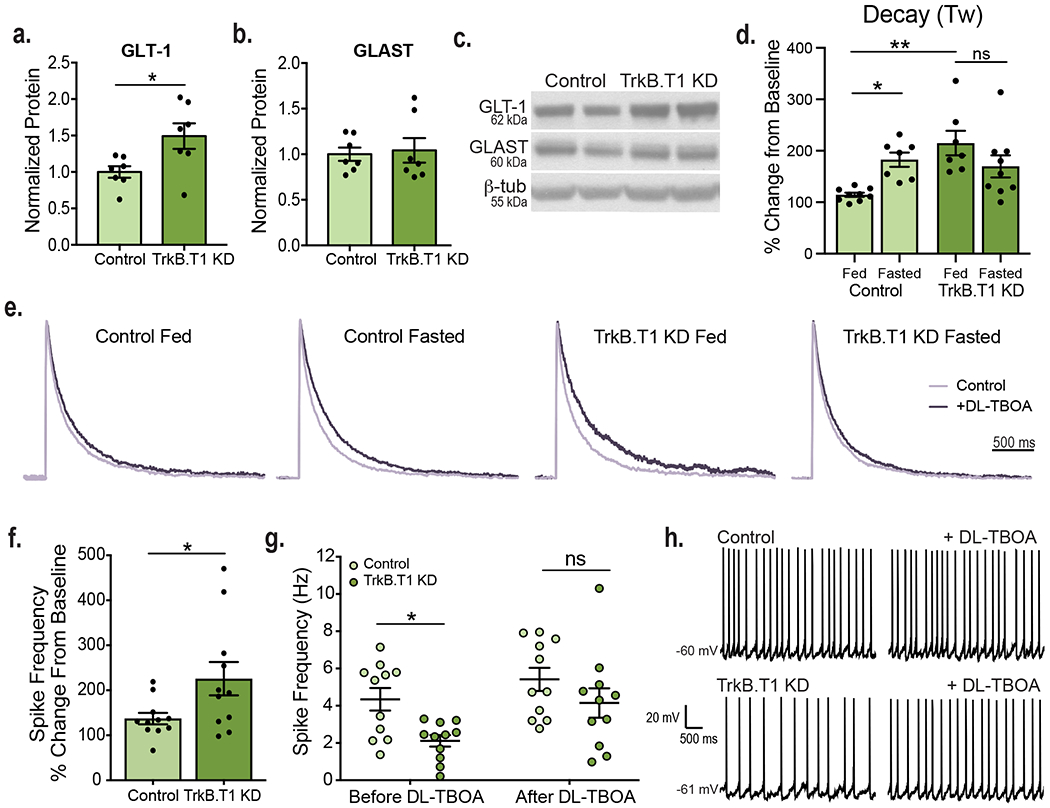
Brain-derived neurotrophic factor (BDNF) is essential for maintaining energy and glucose balance within the central nervous system. Because the study of its metabolic actions has been limited to effects in neuronal cells, its role in other cell types within the brain remains poorly understood. Here we show that astrocytic BDNF signaling within the ventromedial hypothalamus (VMH) modulates neuronal activity in response to changes in energy status. This occurs via the truncated TrkB.T1 receptor. Accordingly, either fasting or central BDNF depletion enhances astrocytic synaptic glutamate clearance, thereby decreasing neuronal activity in mice. Notably, selective depletion of TrkB.T1 in VMH astrocytes blunts the effects of energy status on excitatory transmission, as well as on responses to leptin, glucose and lipids. These effects are driven by increased astrocytic invasion of excitatory synapses, enhanced glutamate reuptake and decreased neuronal activity. We thus identify BDNF/TrkB.T1 signaling in VMH astrocytes as an essential mechanism that participates in energy and glucose homeostasis.
脑源性神经营养因子(BDNF)对于维持中枢神经系统内的能量和葡萄糖平衡至关重要。由于对其代谢作用的研究仅限于神经元细胞的影响,因此其在大脑内其他细胞类型中的作用仍知之甚少。在这里,我们表明腹内侧下丘脑(VMH)中的星形胶质细胞 BDNF 信号转导调节神经元活动以响应能量状态的变化。这是通过截断的 TrkB.T1 受体发生的。相应地,禁食或中枢 BDNF 耗竭会增强星形胶质细胞突触谷氨酸清除,从而降低小鼠的神经元活性。值得注意的是,VMH 星形胶质细胞中 TrkB.T1 的选择性耗竭会削弱能量状态对兴奋性传递的影响,以及对瘦素、葡萄糖和脂质的反应。这些作用是由兴奋性突触中星形胶质细胞的侵入增加、谷氨酸再摄取增强和神经元活性降低驱动的。因此,我们将 VMH 星形胶质细胞中的 BDNF/TrkB.T1 信号转导确定为参与能量和葡萄糖稳态的重要机制。