Department of Bioengineering, Faculty of Life and Natural Sciences, Abdullah Gül University, Kayseri, 38080, Turkey.
Department of Pharmaceutical Chemistry, M.M. College of Pharmacy, Maharishi Markandeshwar (Deemed to be University), Mullana, Ambala, 133207, India.
Mol Divers. 2023 Feb;27(1):463-475. doi: 10.1007/s11030-022-10440-6. Epub 2022 May 4.
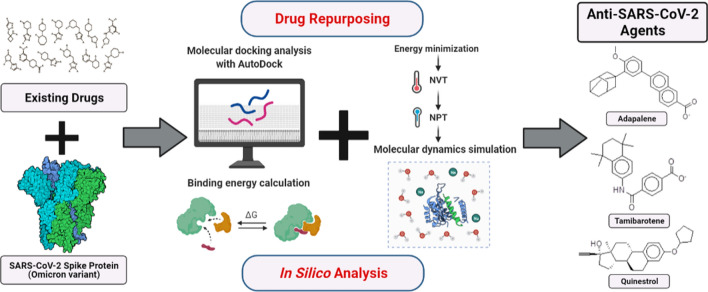
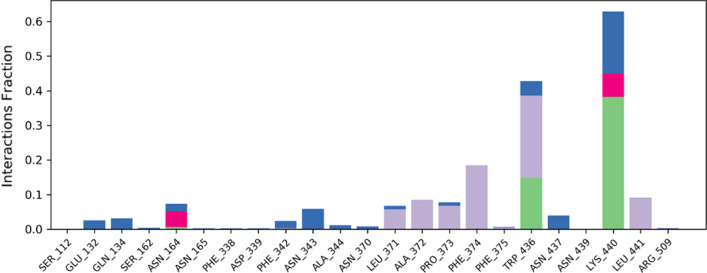
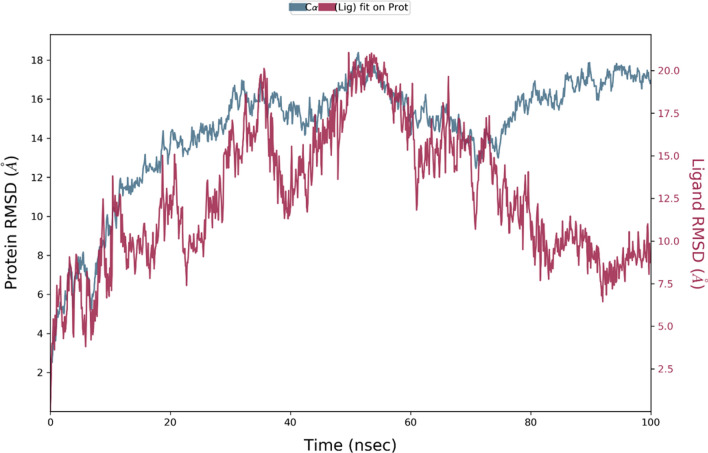
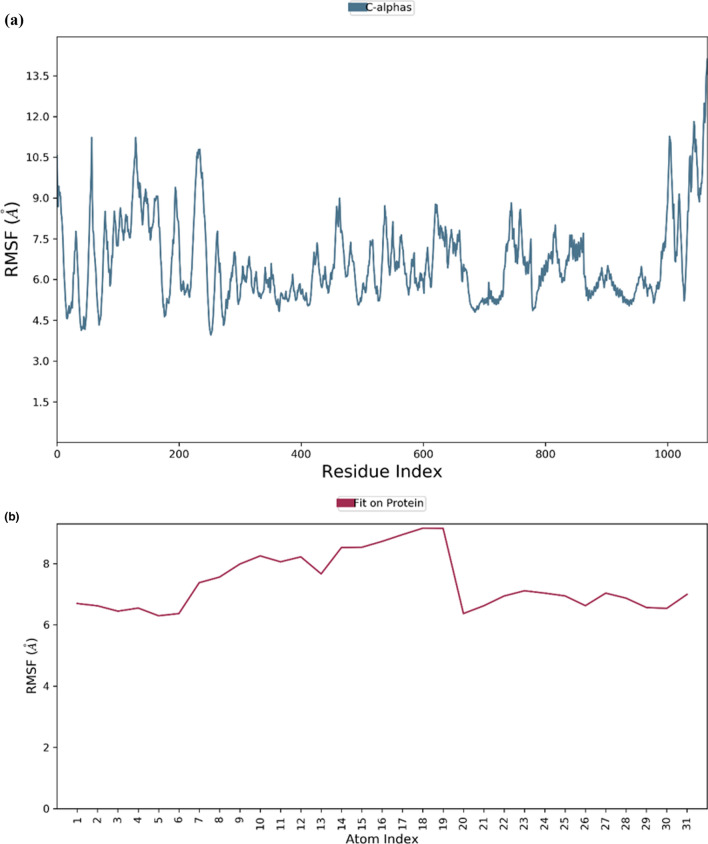
Severe acute respiratory syndrome coronavirus 2 (SARS-CoV-2) has been significantly paralyzing the societies, economies and health care systems around the globe. The mutations on the genome of SARS-CoV-2 led to the emergence of new variants, some of which are classified as "variant of concern" due to their increased transmissibility and better viral fitness. The Omicron variant, as the latest variant of concern, dominated the current COVID-19 cases all around the world. Unlike the previous variants of concern, the Omicron variant has 15 mutations on the receptor-binding domain of spike protein and the changes in the key amino acid residues of S protein can enhance the binding ability of the virus to hACE2, resulting in a significant increase in the infectivity of the Omicron variant. Therefore, there is still an urgent need for treatment and prevention of variants of concern, particularly for the Omicron variant. In this study, an in silico drug repurposing was conducted through the molecular docking of 2890 FDA-approved drugs against the mutant S protein of SARS-CoV-2 for Omicron variant. We discovered promising drug candidates for the inhibition of alarming Omicron variant such as quinestrol, adapalene, tamibarotene, and dihydrotachysterol. The stability of ligands complexed with the mutant S protein was confirmed using MD simulations. The lead compounds were further evaluated for their potential use and side effects based on the current literature. Particularly, adapalene, dihydrotachysterol, levocabastine and bexarotene came into prominence due to their non-interference with the normal physiological processes. Therefore, this study suggests that these approved drugs can be considered as drug candidates for further in vitro and in vivo studies to develop new treatment options for the Omicron variant of SARS-CoV-2.
严重急性呼吸综合征冠状病毒 2(SARS-CoV-2)严重瘫痪了全球各地的社会、经济和医疗保健系统。SARS-CoV-2 基因组上的突变导致了新变体的出现,其中一些由于其传染性增加和更好的病毒适应性而被归类为“关注变体”。奥密克戎变体作为最新的关注变体,主导了目前全球各地的 COVID-19 病例。与之前的关注变体不同,奥密克戎变体在刺突蛋白的受体结合域有 15 个突变,S 蛋白关键氨基酸残基的变化可以增强病毒与 hACE2 的结合能力,导致奥密克戎变体的感染力显著增加。因此,仍然迫切需要针对关注变体,特别是奥密克戎变体进行治疗和预防。在这项研究中,通过对 SARS-CoV-2 奥密克戎变体的突变 S 蛋白进行分子对接,对 2890 种 FDA 批准的药物进行了计算机药物再利用。我们发现了一些有前途的药物候选物,可用于抑制令人警惕的奥密克戎变体,如曲螺酮、阿达帕林、他巴唑和二氢麦角钙化醇。使用 MD 模拟证实了配体与突变 S 蛋白复合物的稳定性。根据当前文献,进一步评估了先导化合物的潜在用途和副作用。特别是,由于阿达帕林、二氢麦角钙化醇、左卡巴斯汀和贝沙罗汀不会干扰正常的生理过程,因此尤为突出。因此,本研究表明,这些已批准的药物可以被视为进一步进行体外和体内研究的候选药物,以开发针对 SARS-CoV-2 奥密克戎变体的新治疗方案。