Princeton Neuroscience Institute, Princeton University, Princeton, NJ, USA.
Bezos Center for Neural Circuit Dynamics, Princeton University, Princeton, NJ, USA.
Nature. 2022 May;605(7911):706-712. doi: 10.1038/s41586-022-04675-4. Epub 2022 May 4.
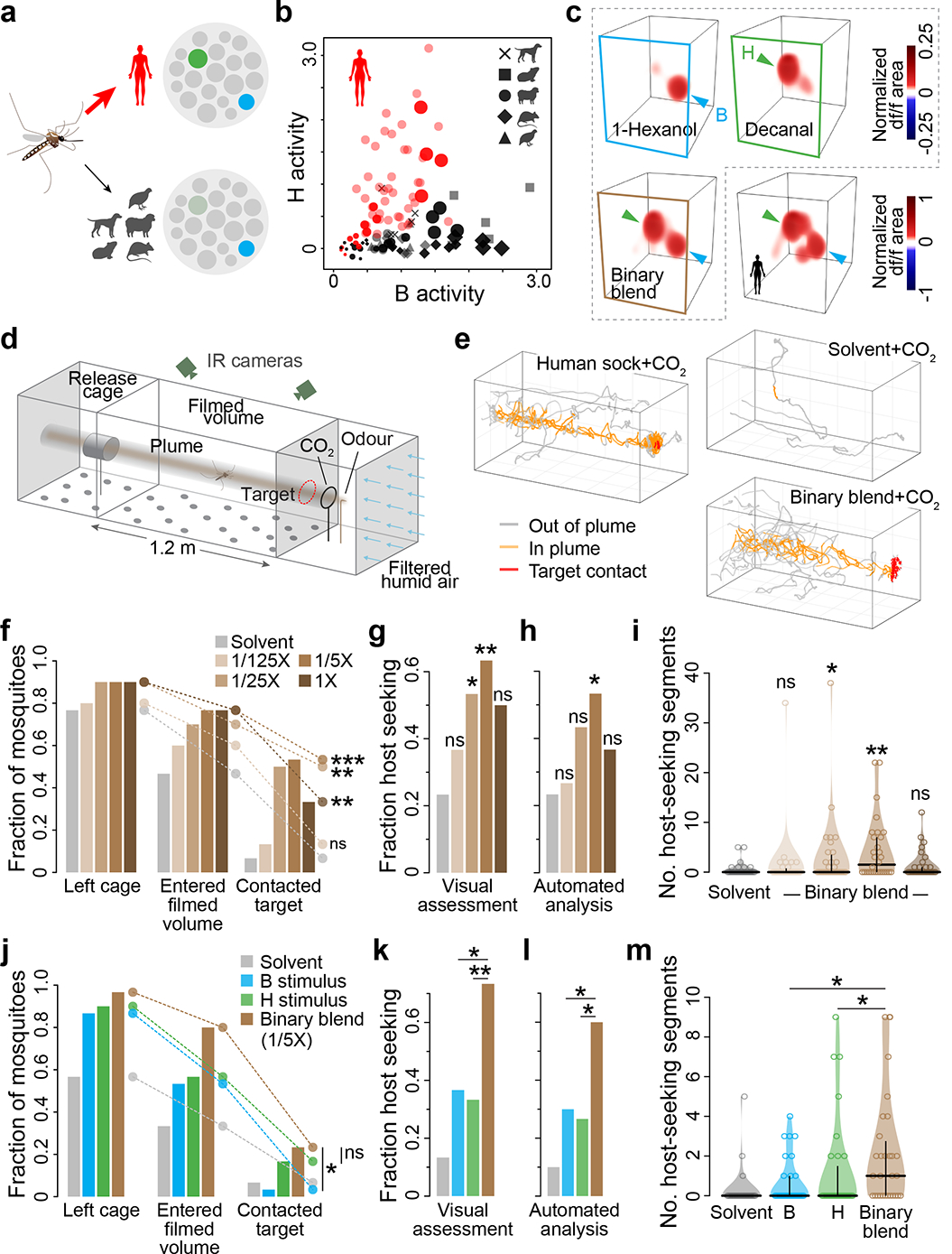
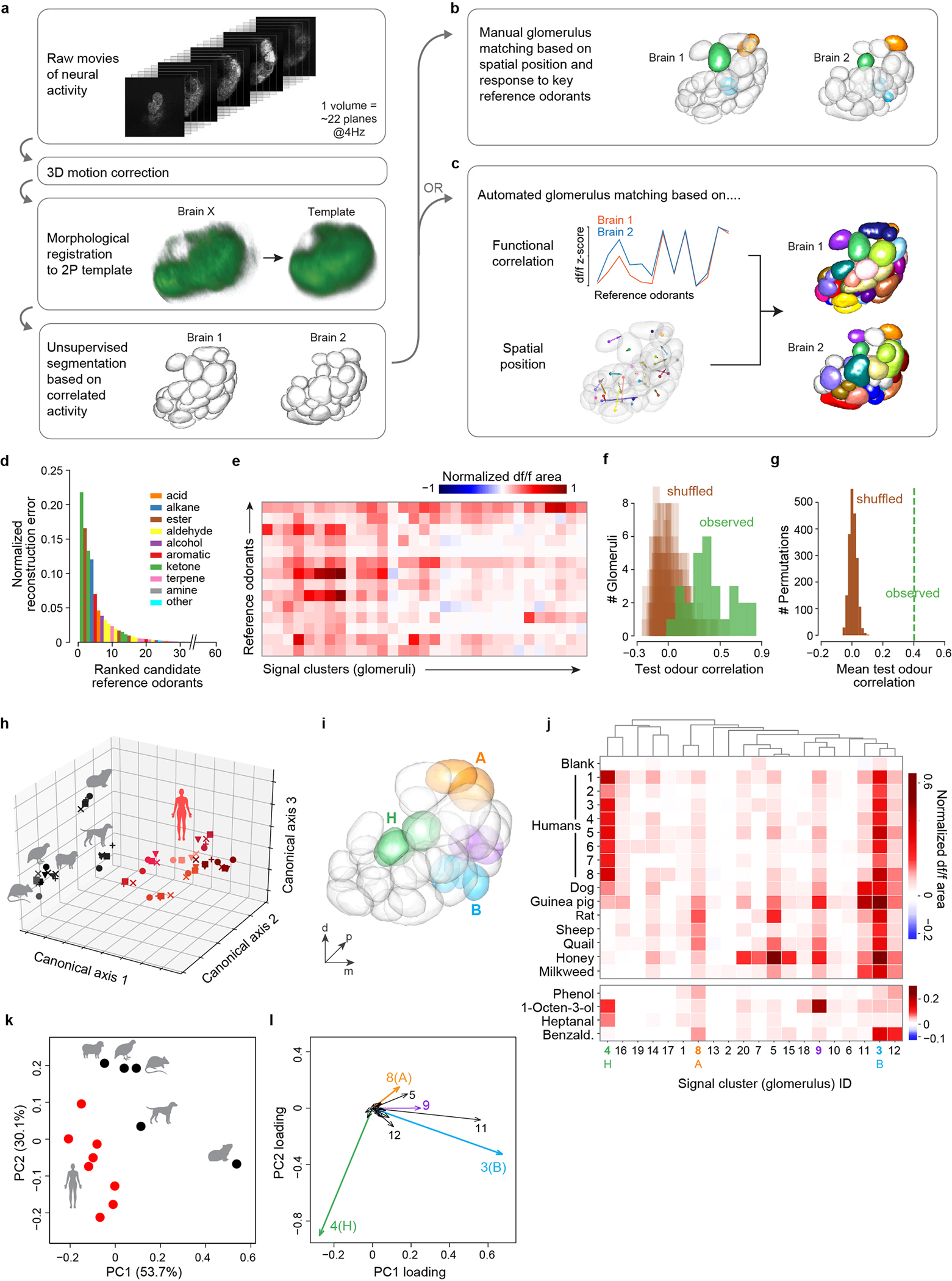
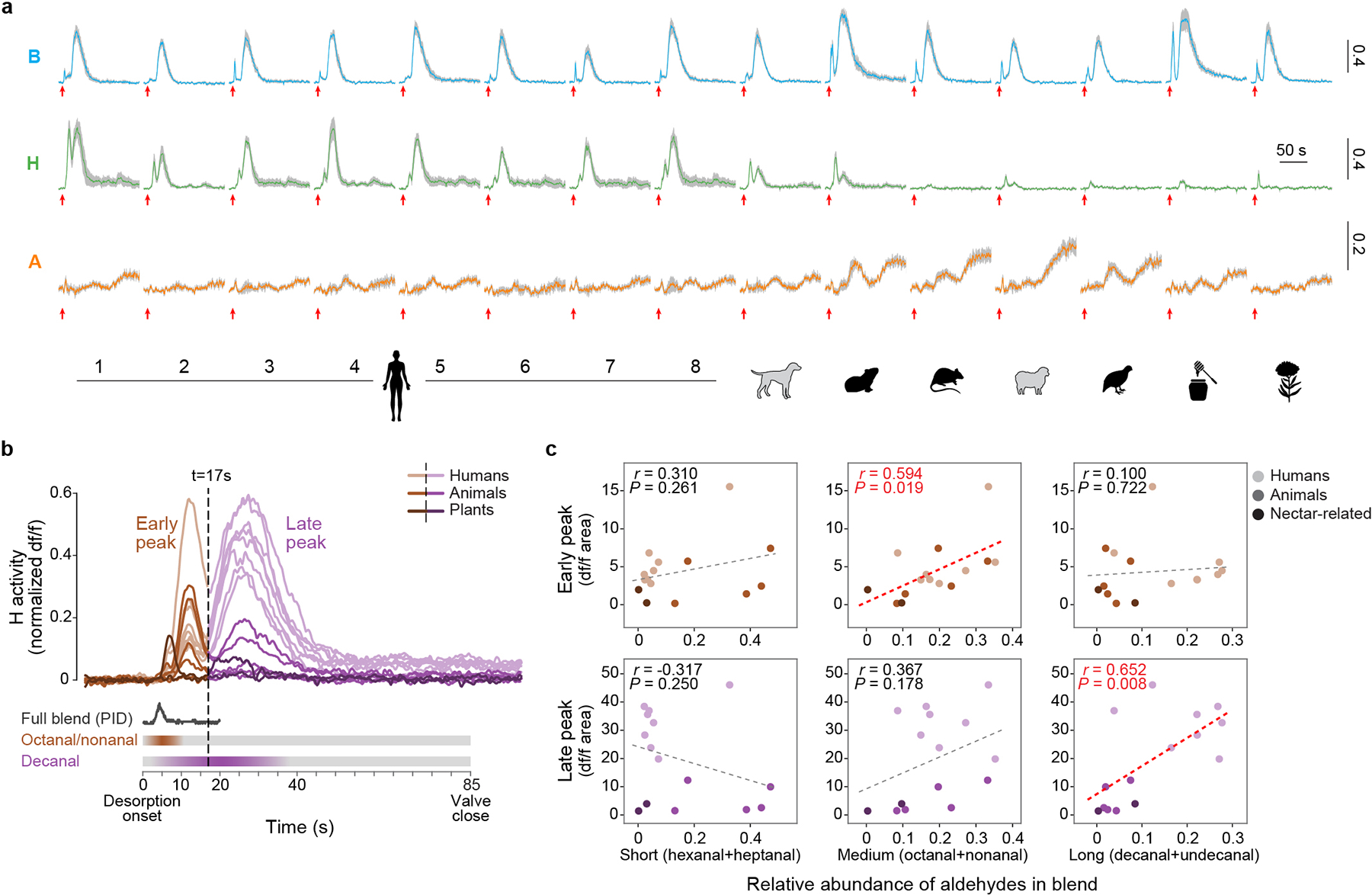
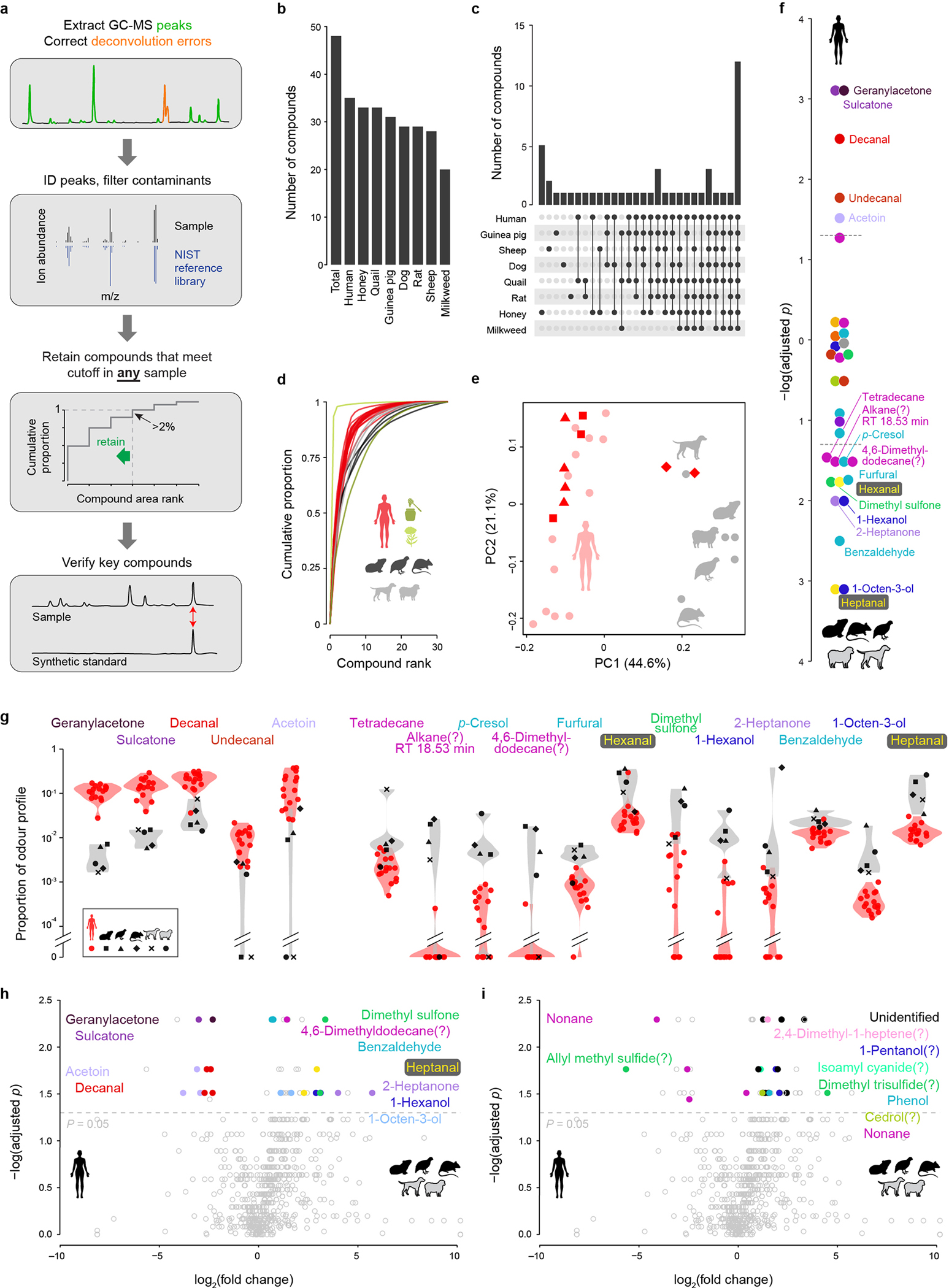
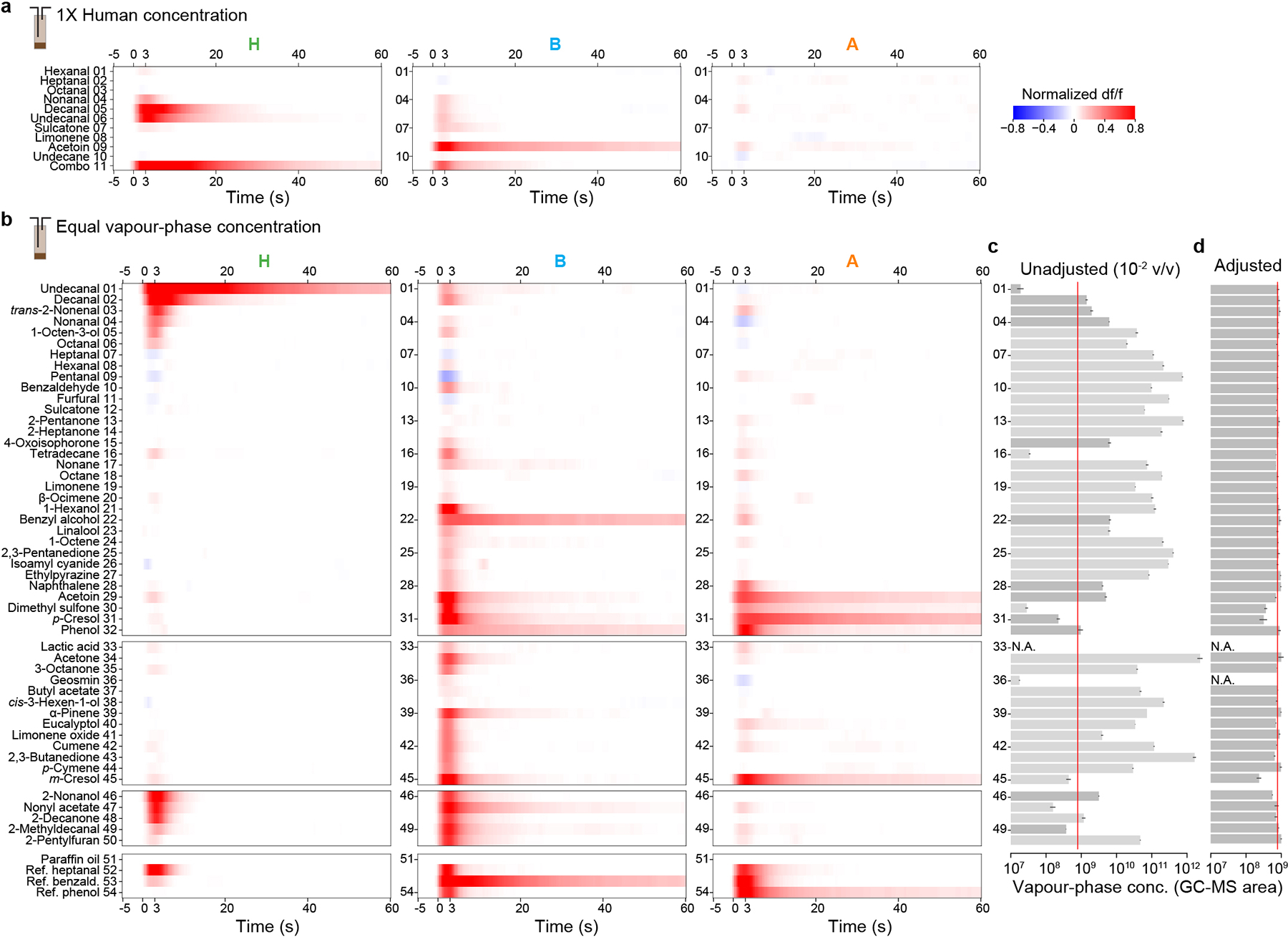
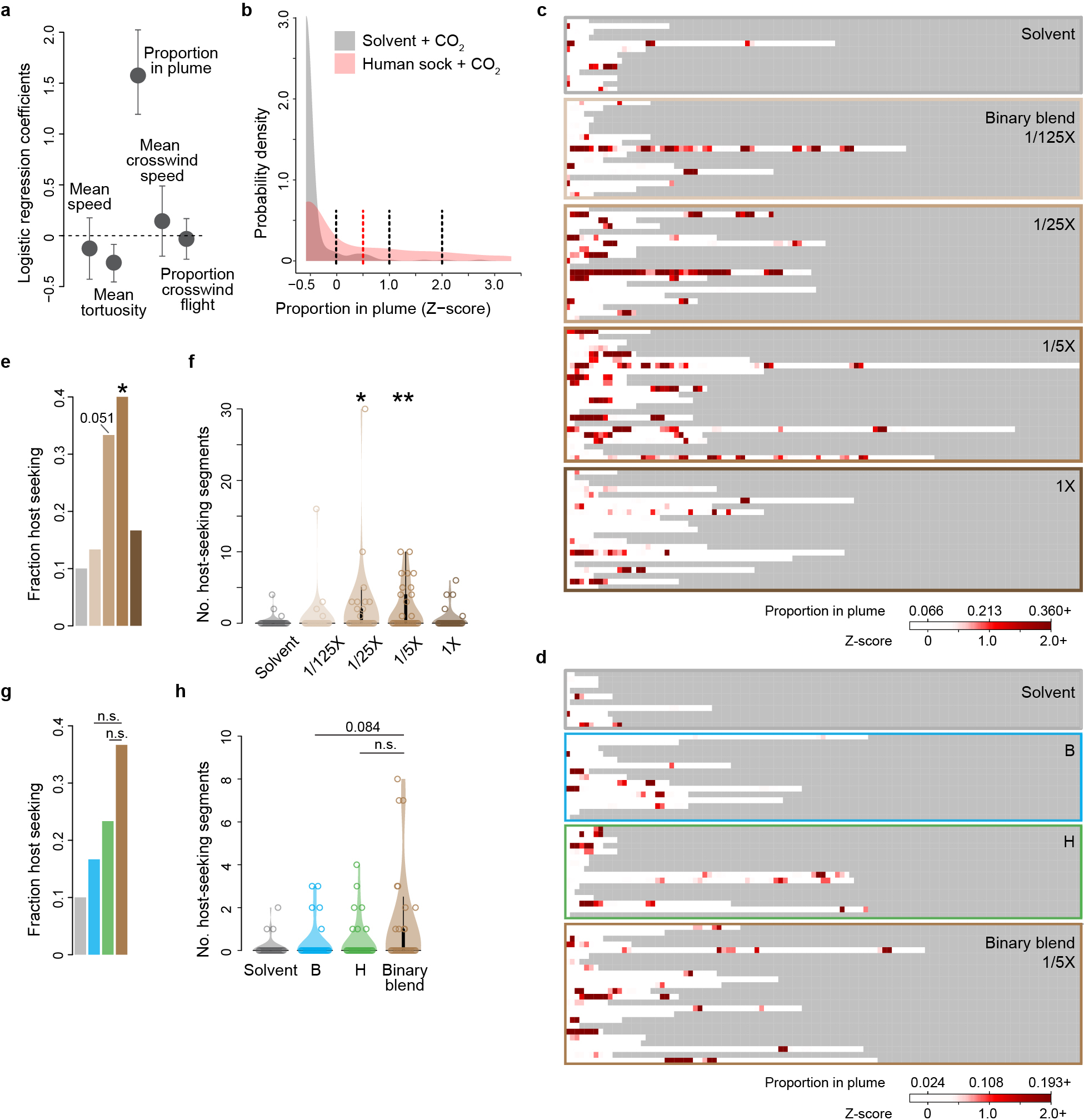
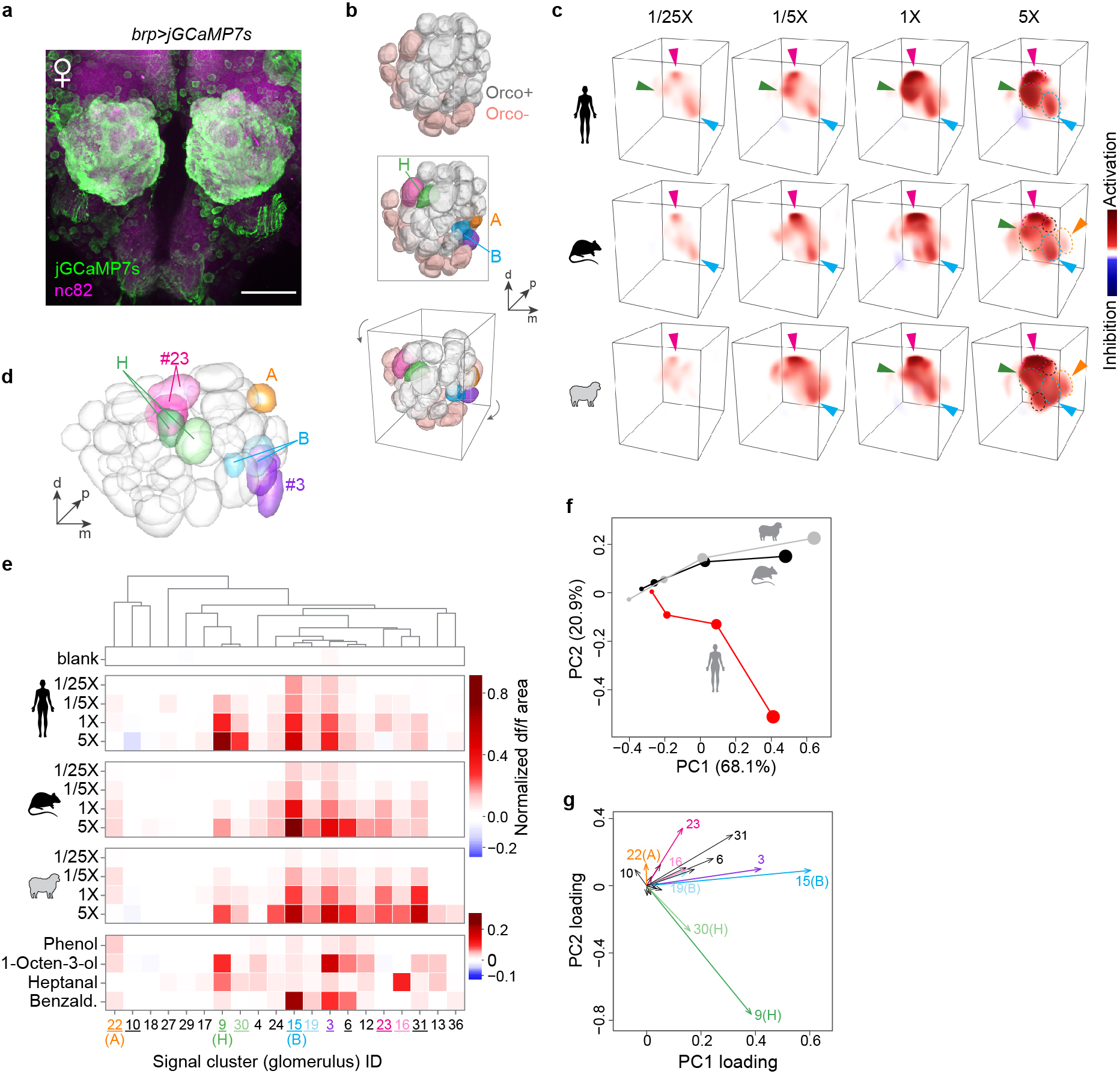
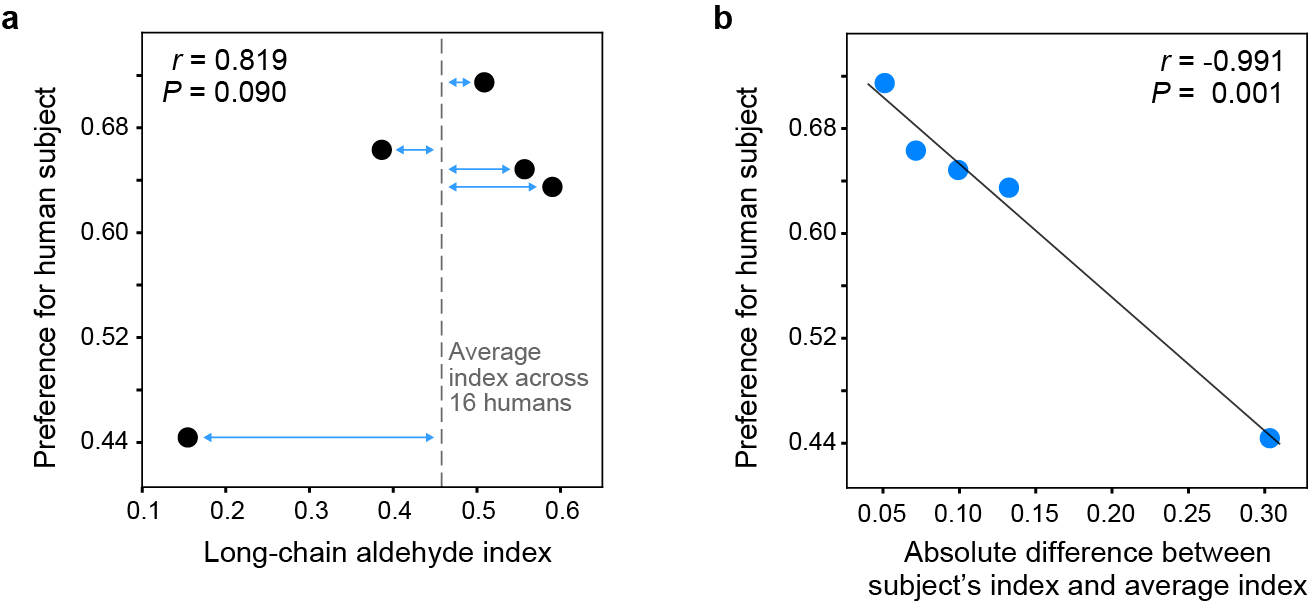
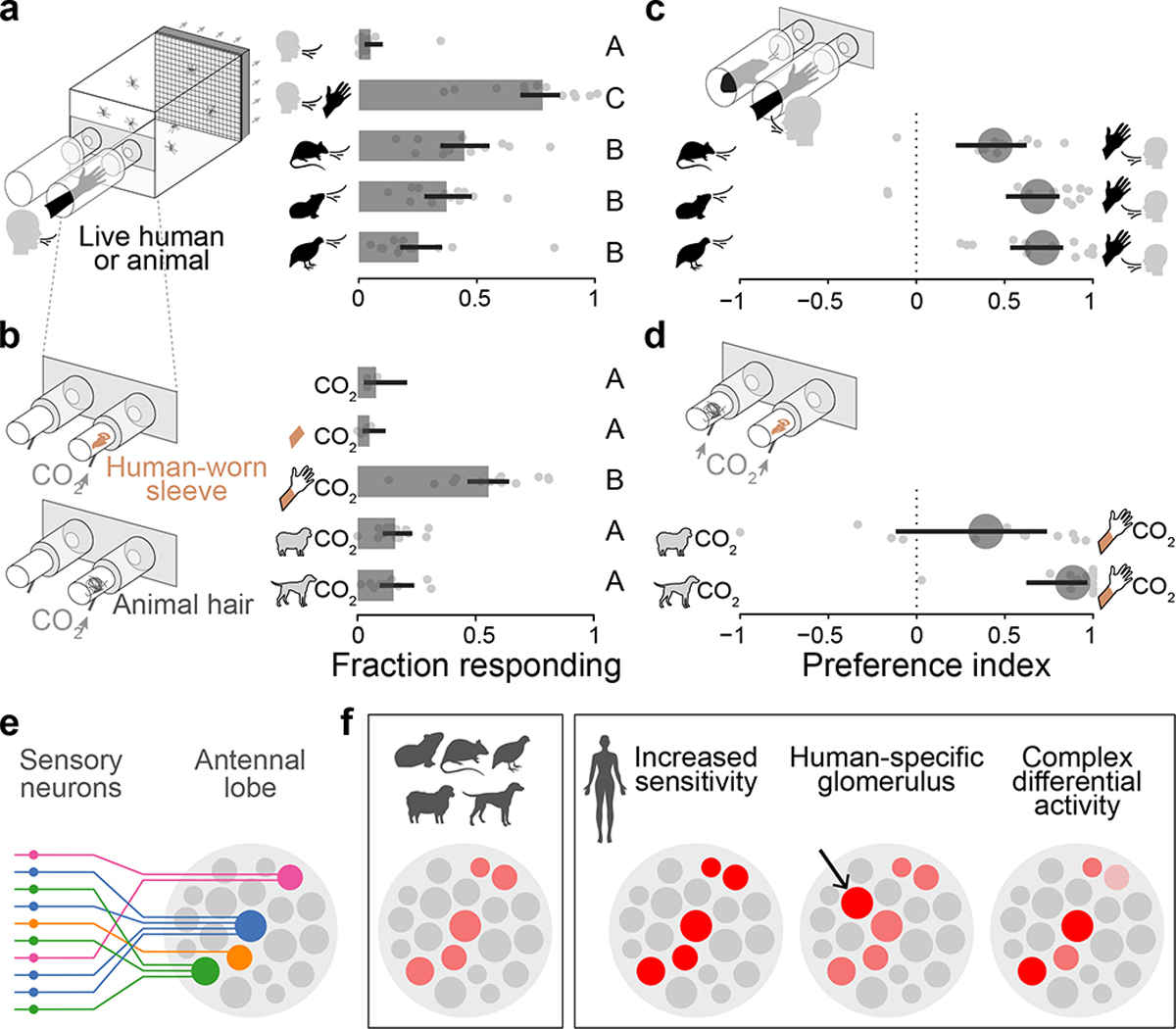
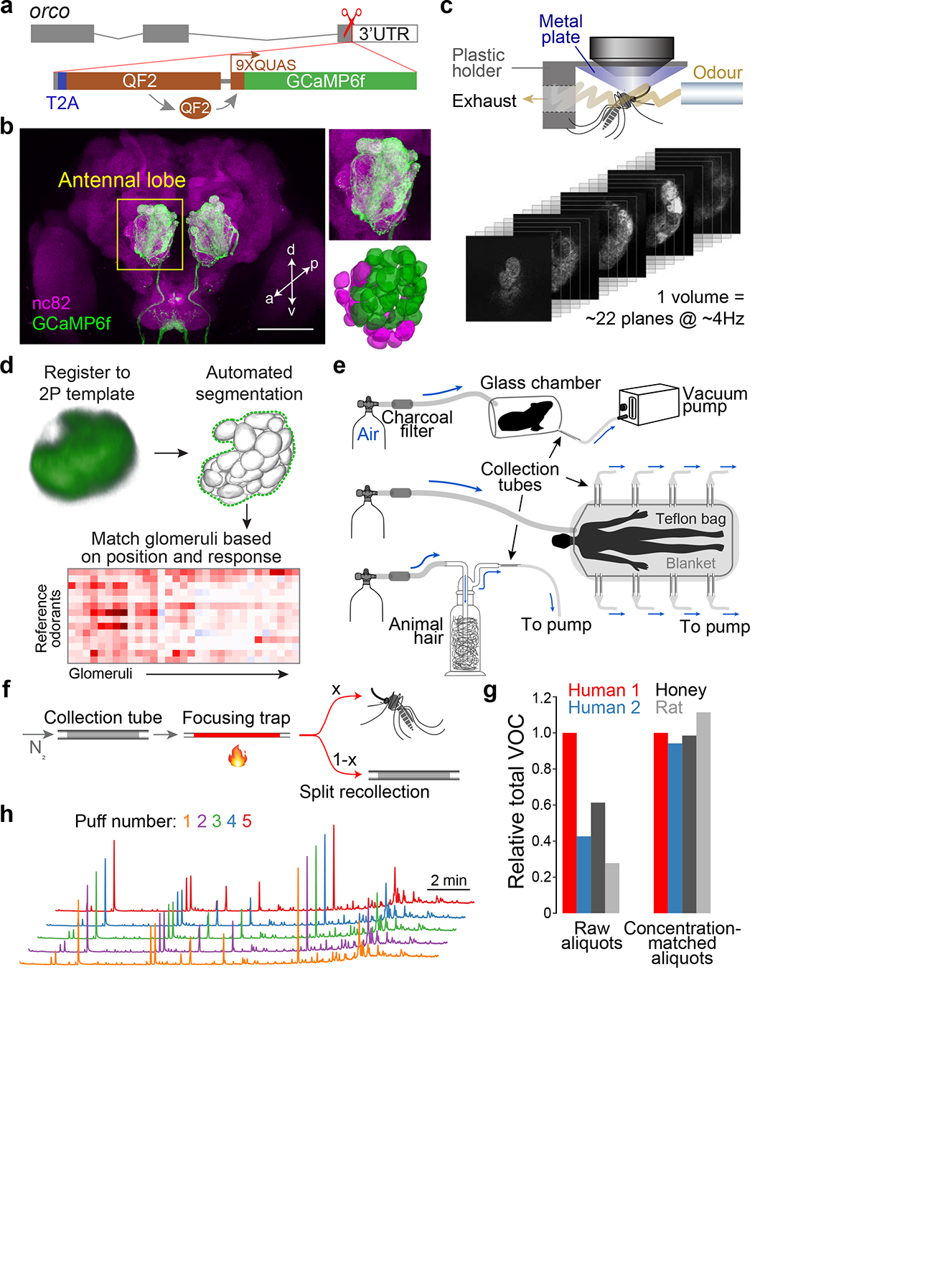
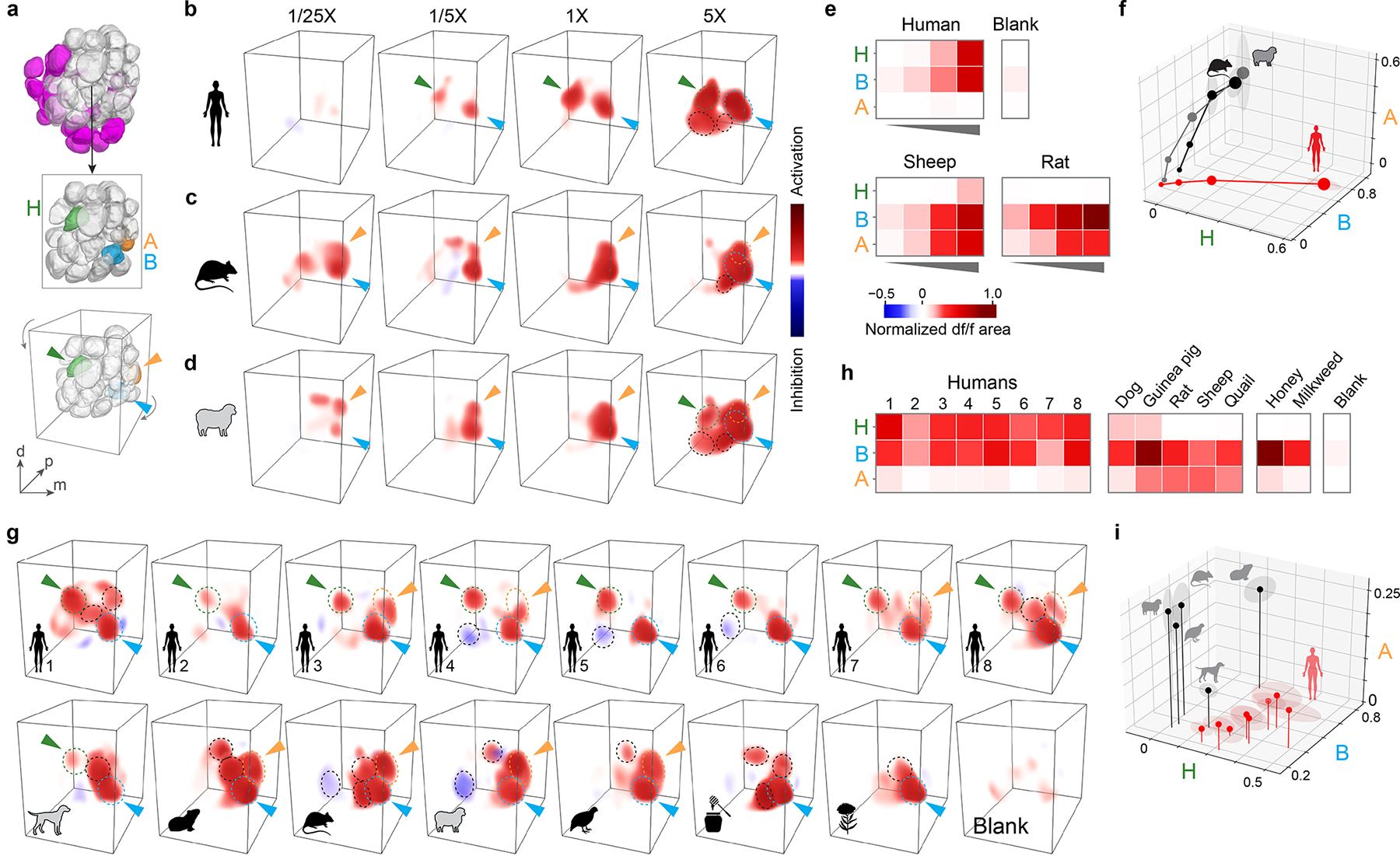
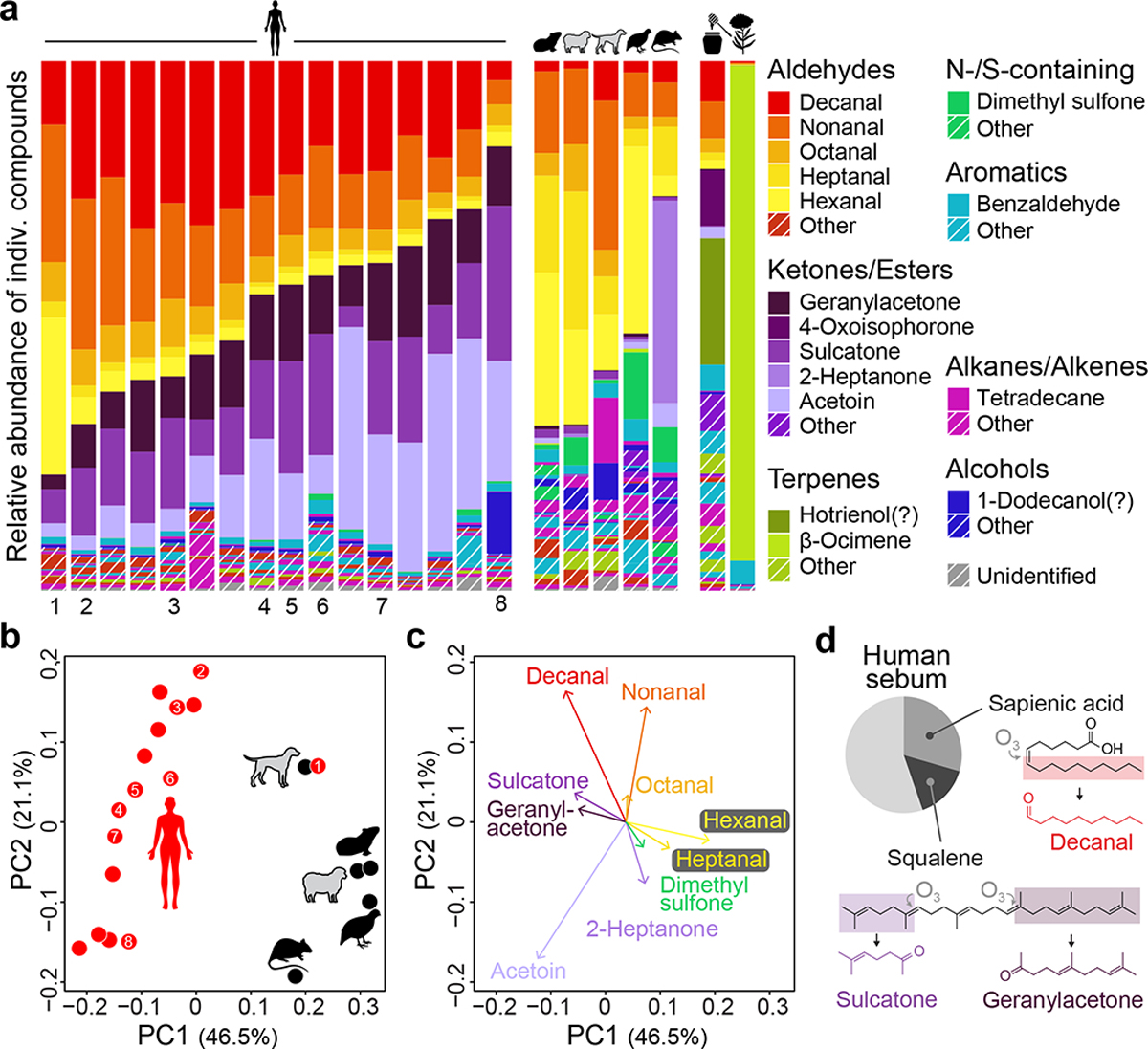
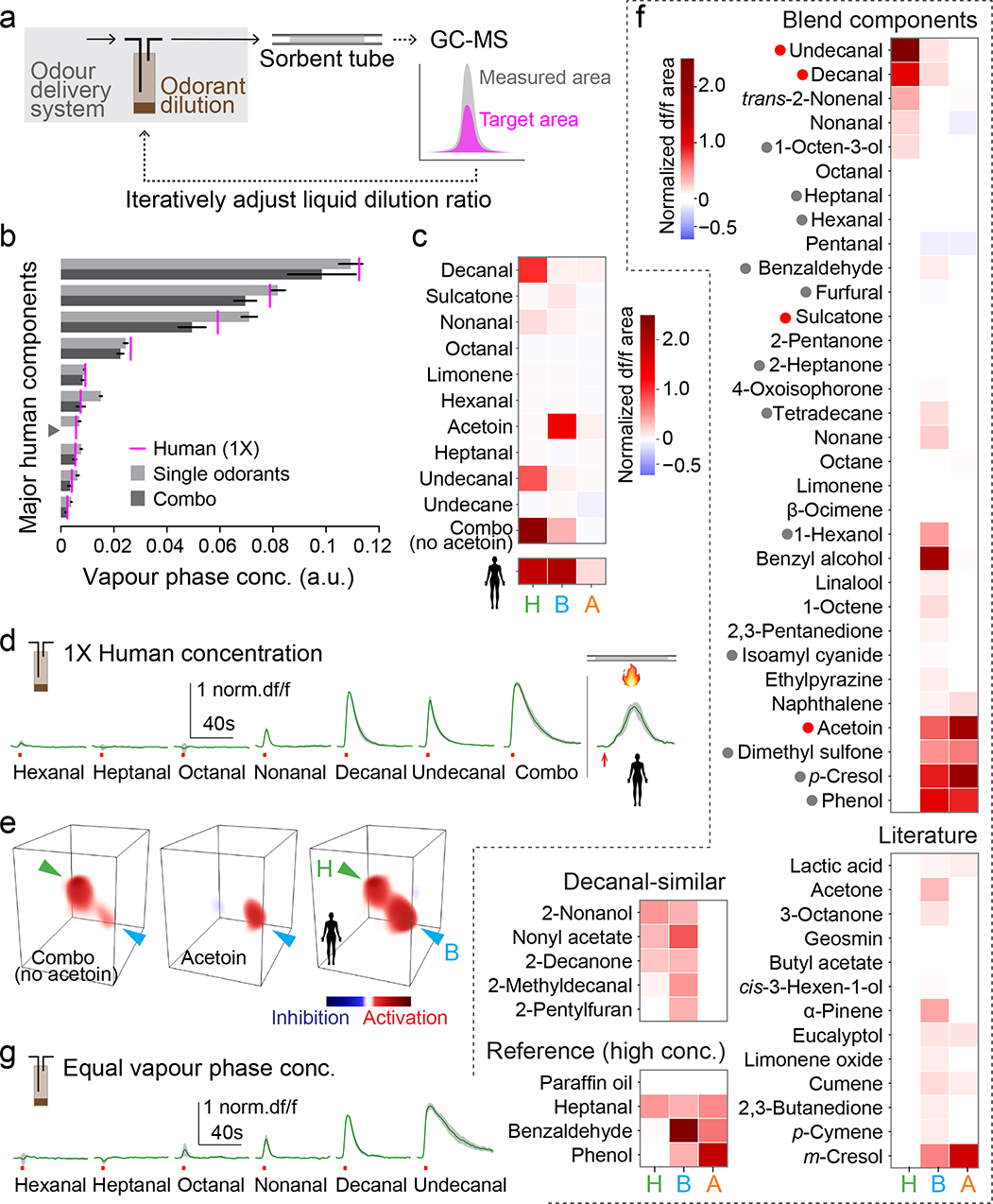
A globally invasive form of the mosquito Aedes aegypti specializes in biting humans, making it an efficient disease vector. Host-seeking female mosquitoes strongly prefer human odour over the odour of animals, but exactly how they distinguish between the two is not known. Vertebrate odours are complex blends of volatile chemicals with many shared components, making discrimination an interesting sensory coding challenge. Here we show that human and animal odours evoke activity in distinct combinations of olfactory glomeruli within the Ae. aegypti antennal lobe. One glomerulus in particular is strongly activated by human odour but responds weakly, or not at all, to animal odour. This human-sensitive glomerulus is selectively tuned to the long-chain aldehydes decanal and undecanal, which we show are consistently enriched in human odour and which probably originate from unique human skin lipids. Using synthetic blends, we further demonstrate that signalling in the human-sensitive glomerulus significantly enhances long-range host-seeking behaviour in a wind tunnel, recapitulating preference for human over animal odours. Our research suggests that animal brains may distil complex odour stimuli of innate biological relevance into simple neural codes and reveals targets for the design of next-generation mosquito-control strategies.
一种具有全球侵袭性的埃及伊蚊(Aedes aegypti)专门叮咬人类,是一种有效的疾病传播媒介。寻找宿主的雌性蚊子强烈偏好人类的气味,而不是动物的气味,但它们究竟如何区分两者尚不清楚。脊椎动物的气味是挥发性化学物质的复杂混合物,有许多共同的成分,这使得区分气味成为一个有趣的感官编码挑战。在这里,我们展示了人类和动物的气味在埃及伊蚊触角叶的特定嗅觉小球体内引起不同的组合活动。特别是一个嗅觉小球体对人类的气味有强烈的反应,但对动物的气味反应较弱,或者根本没有反应。这个对人类敏感的嗅觉小球体对长链醛类癸醛和十一醛具有选择性调谐,我们发现这些醛类在人类的气味中一直很丰富,可能来源于独特的人类皮肤脂质。使用合成混合物,我们进一步证明,在风洞中,人类敏感的嗅觉小球体中的信号显著增强了远距离寻找宿主的行为,再现了对人类气味的偏好。我们的研究表明,动物的大脑可能将先天生物学相关的复杂气味刺激提炼成简单的神经编码,并揭示了设计下一代蚊子控制策略的目标。