Ben Dhieb Fatma, Dil Ebrahim Jalali, Tabatabaei Seyyed H, Mighri Frej, Ajji Abdellah
3SPack NSERC-Industry Chair, CREPEC, Chemical Engineering Department, Polytechnique Montreal C.P. 6079, Succ. Centre Ville Montreal QC Canada H3C 3A7
ProAmpac Terrebonne QC Canada J6Y 1V2.
RSC Adv. 2019 Jan 11;9(3):1632-1641. doi: 10.1039/c8ra09522a. eCollection 2019 Jan 9.
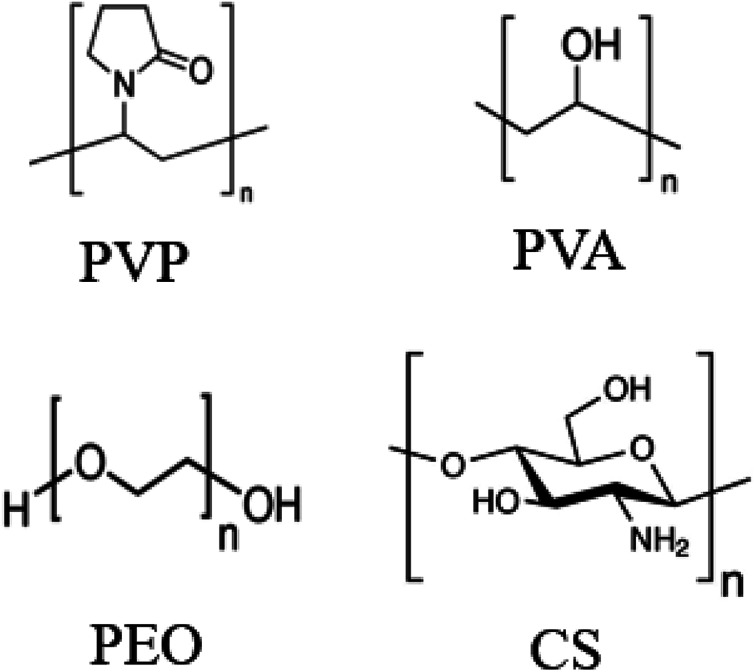
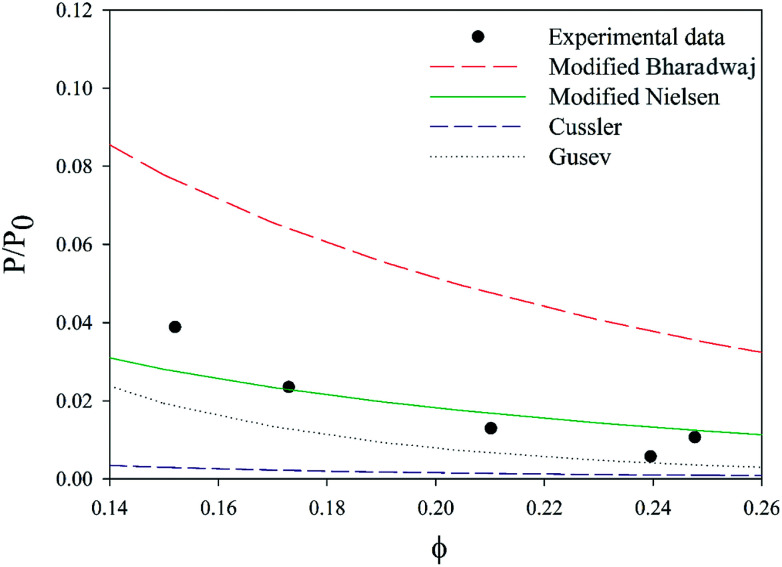
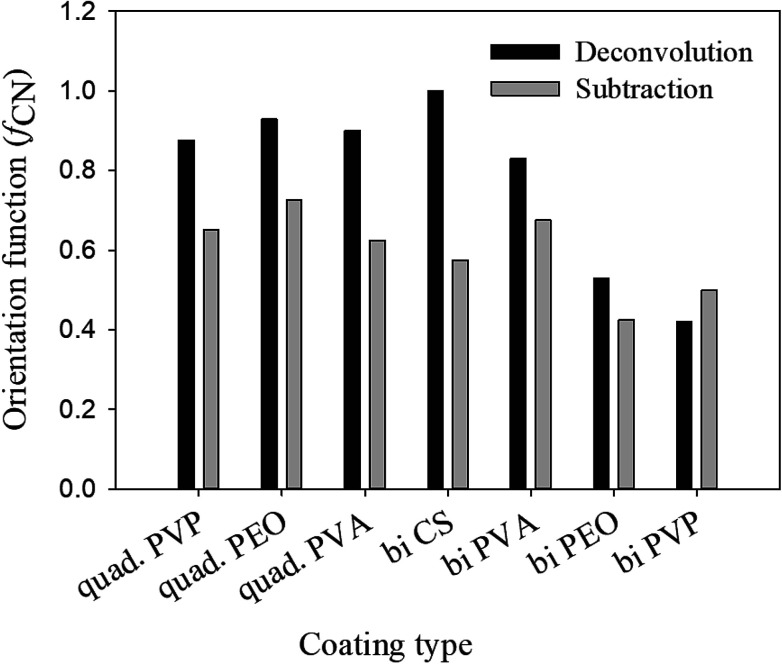
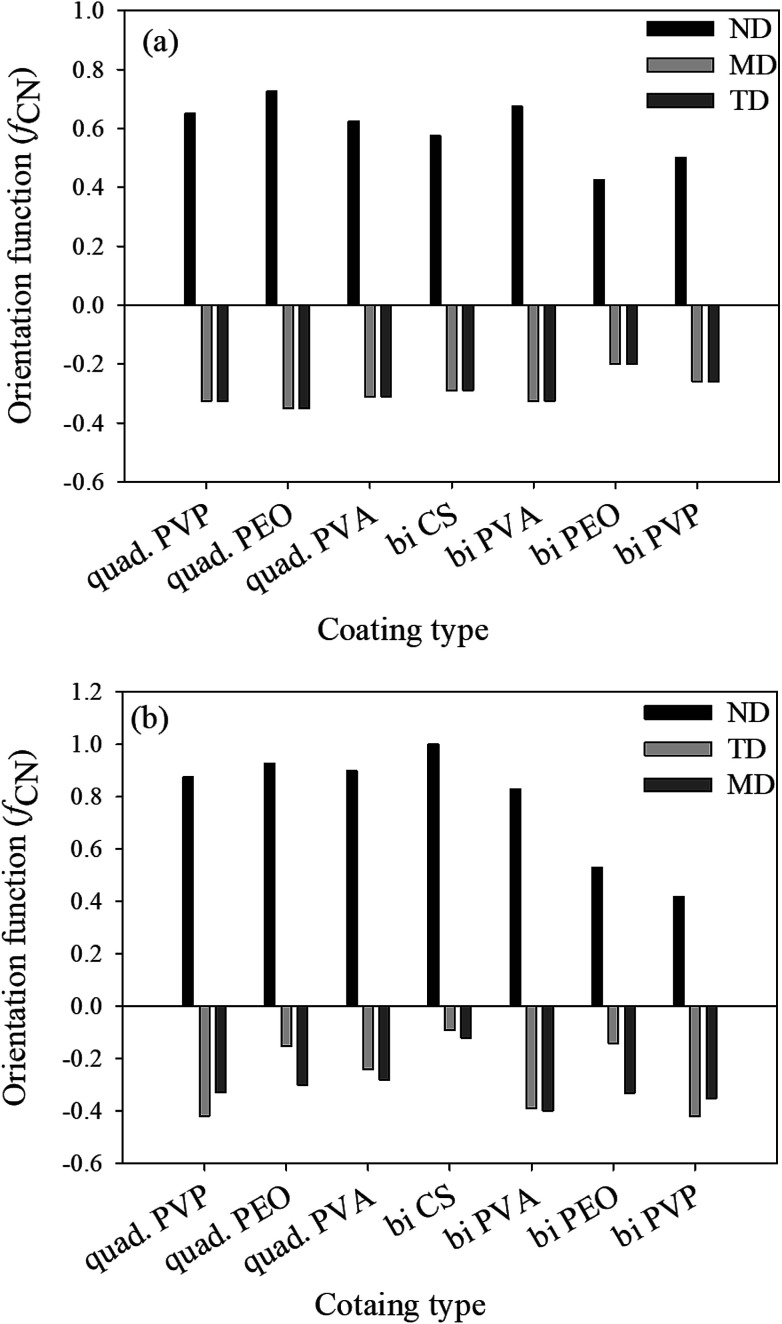
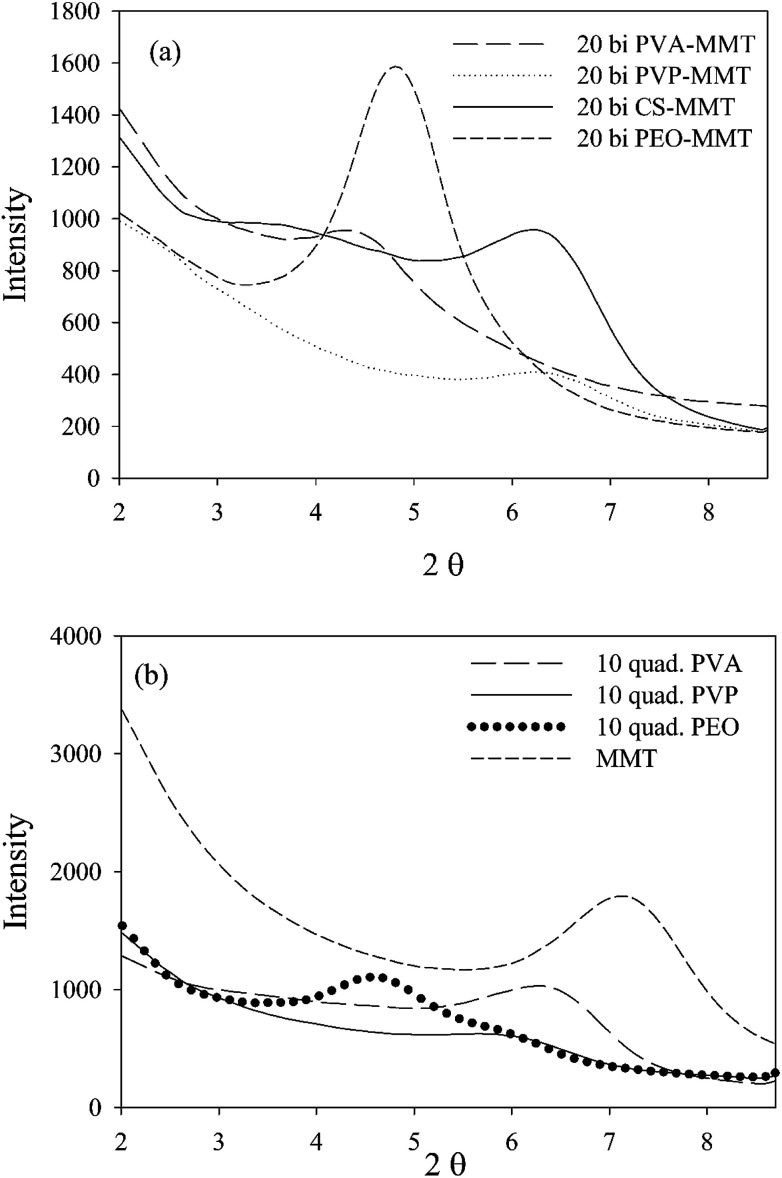
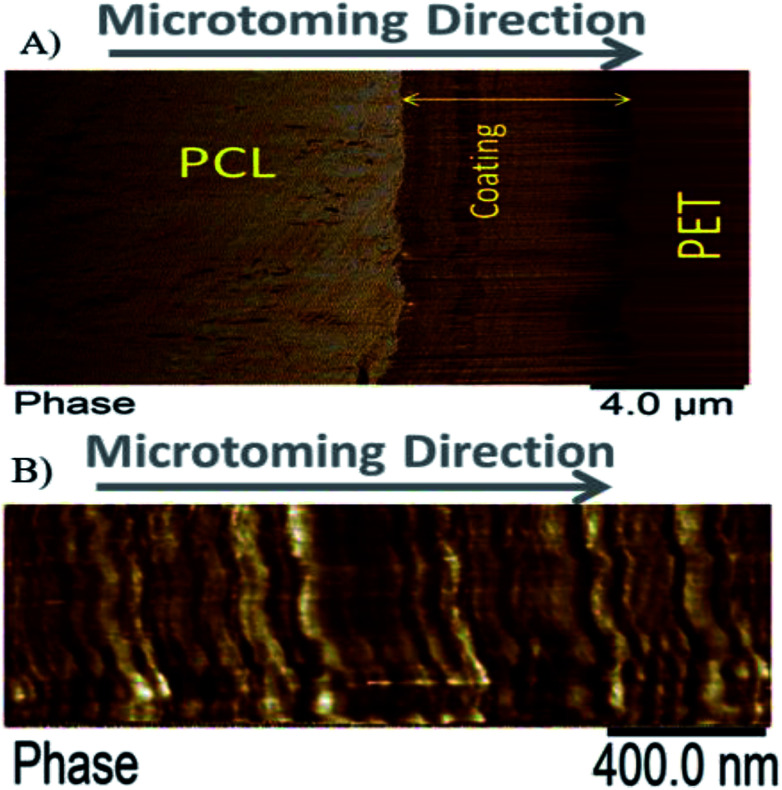
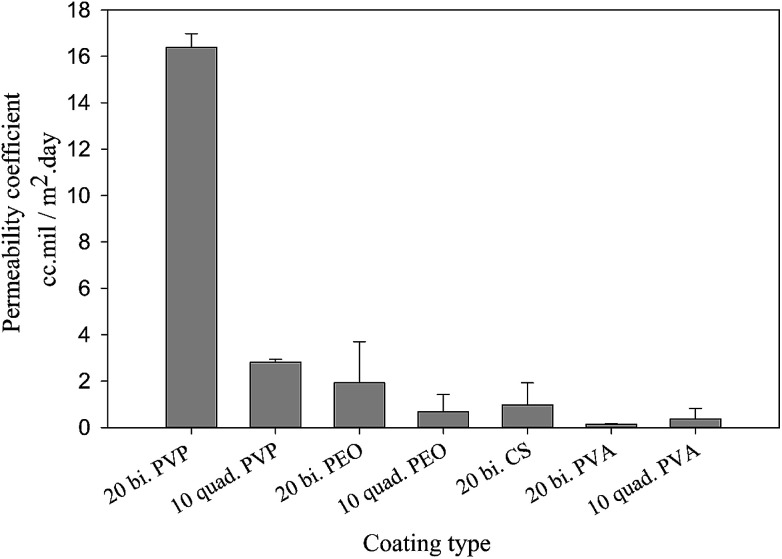
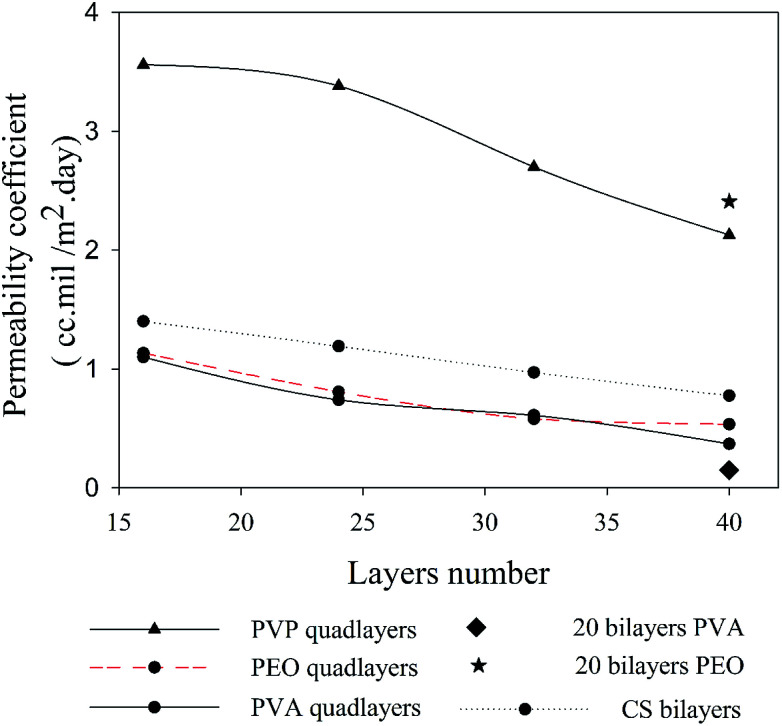
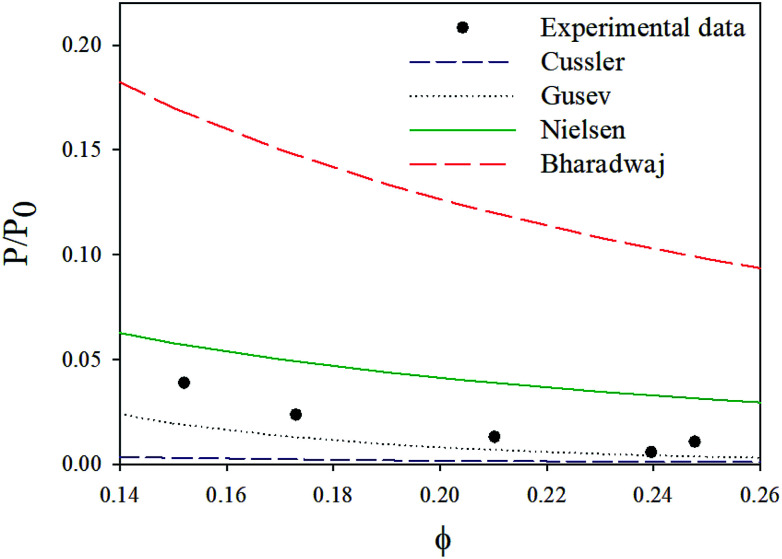
Layer by layer (LbL) film deposition is an efficient technique used to produce thin coatings with high gas barrier properties. In this study, multilayer composite coatings with hydrogen bonding inter-layer interactions were deposited by LbL on a PET substrate, with an alternate deposition of a nanoclay layer and different intercalating polymers layers, namely chitosan (CS), polyethylene oxide (PEO), polyvinylpyrrolidone (PVP) and polyvinyl alcohol (PVA). The investigated coatings had two different structures, quadlayers and bilayers which are different in the number of layers in the repetitive unit (four and two respectively). The alignment of nanoclay platelets and the extent of their intercalation were studied using Fourier transform infrared (FTIR) spectroscopy and X-ray diffraction (XRD). The results showed that the dispersion level and the orientation of nanoclay particles depend considerably on the molecular structure of intercalating polymers and their interactions with nanoclay. An oxygen permeability model, specific to high filler loading composites, was then developed by considering only the aspect ratio and the volume fraction of the nanoparticles.
逐层(LbL)薄膜沉积是一种用于制备具有高气密性的薄涂层的有效技术。在本研究中,通过LbL在PET基材上沉积具有氢键层间相互作用的多层复合涂层,交替沉积纳米粘土层和不同的插层聚合物层,即壳聚糖(CS)、聚环氧乙烷(PEO)、聚乙烯吡咯烷酮(PVP)和聚乙烯醇(PVA)。所研究的涂层具有两种不同的结构,四层结构和双层结构,它们在重复单元中的层数不同(分别为四层和两层)。使用傅里叶变换红外(FTIR)光谱和X射线衍射(XRD)研究了纳米粘土片层的排列及其插层程度。结果表明,纳米粘土颗粒的分散水平和取向在很大程度上取决于插层聚合物的分子结构及其与纳米粘土的相互作用。然后,通过仅考虑纳米颗粒的长径比和体积分数,建立了一种适用于高填料含量复合材料的透氧性模型。