Dziike Farai, Franklyn Paul J, Hlekelele Lerato, Durbach Shane
Molecular Science Institute, School of Chemistry, University of the Witwatersrand Johannesburg 2050 South Africa
DST-NRF Centre of Excellence in Strong Materials, University of the Witwatersrand, WITS 2050 Johannesburg South Africa.
RSC Adv. 2020 Jul 28;10(47):28090-28099. doi: 10.1039/d0ra03797d. eCollection 2020 Jul 27.
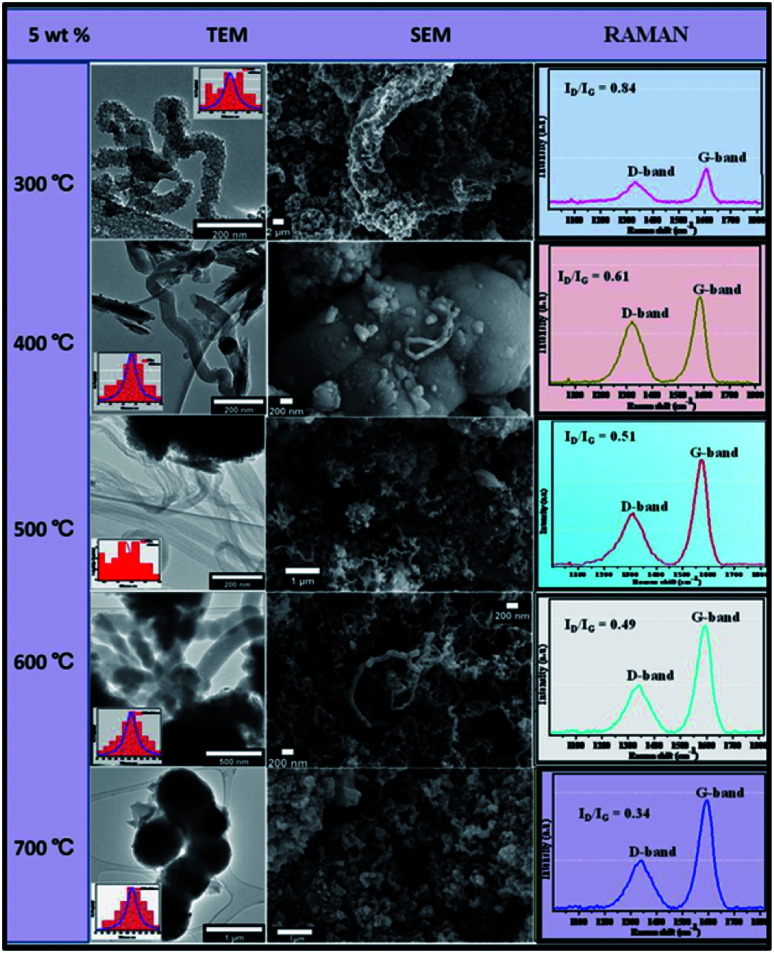
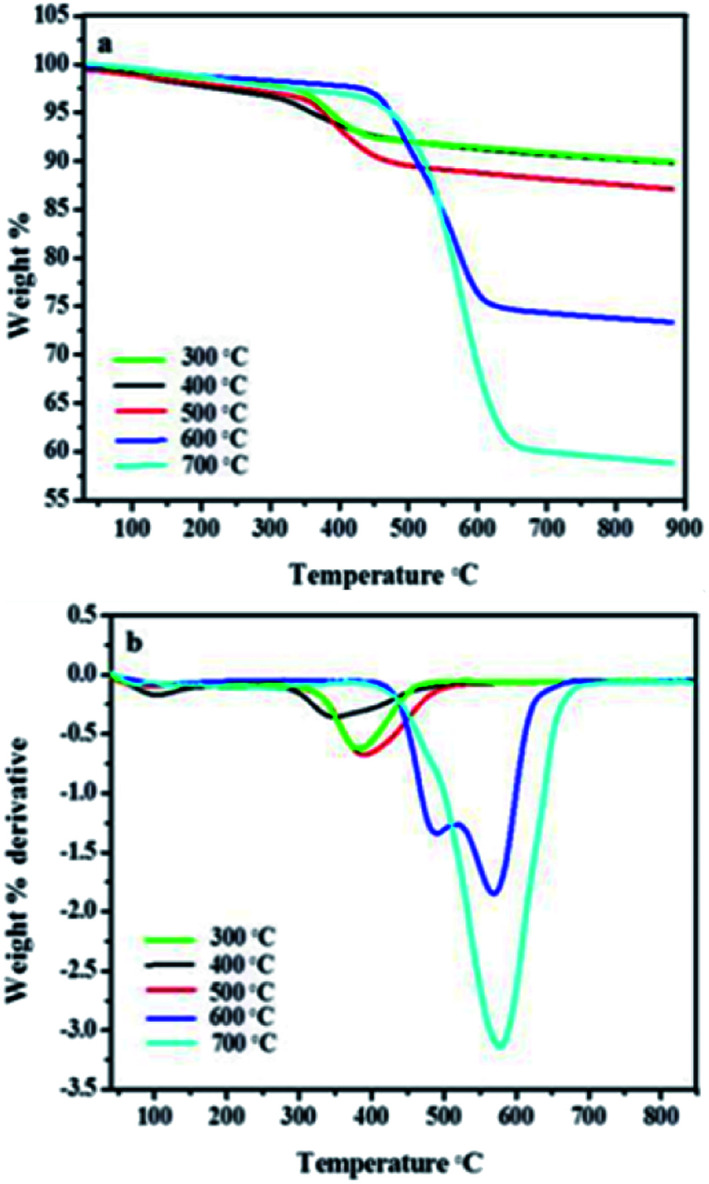
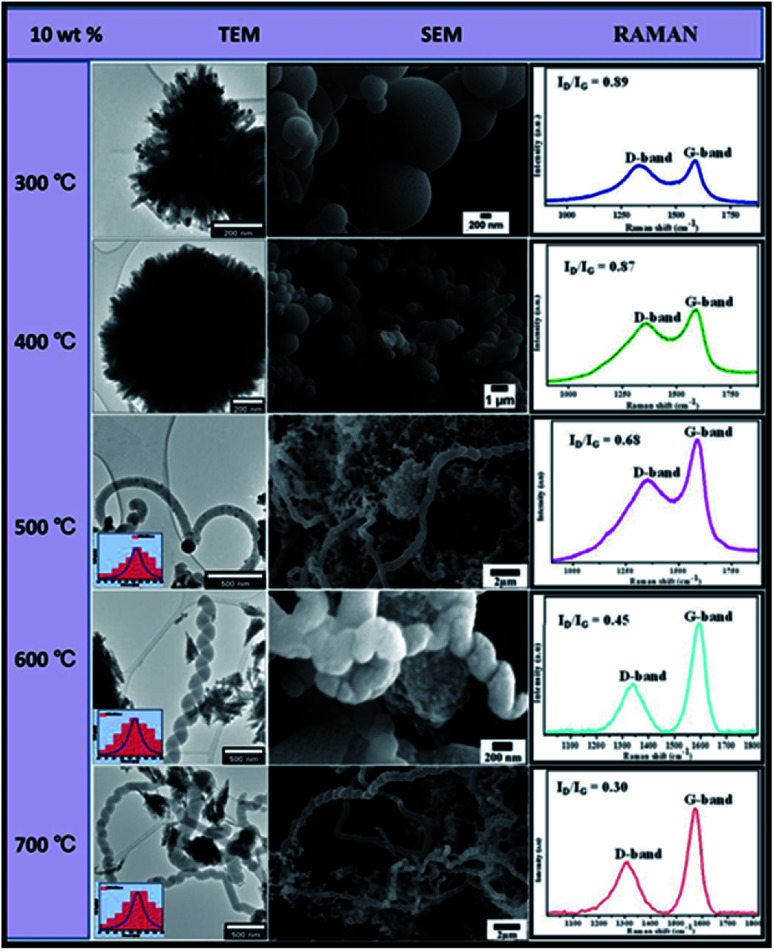
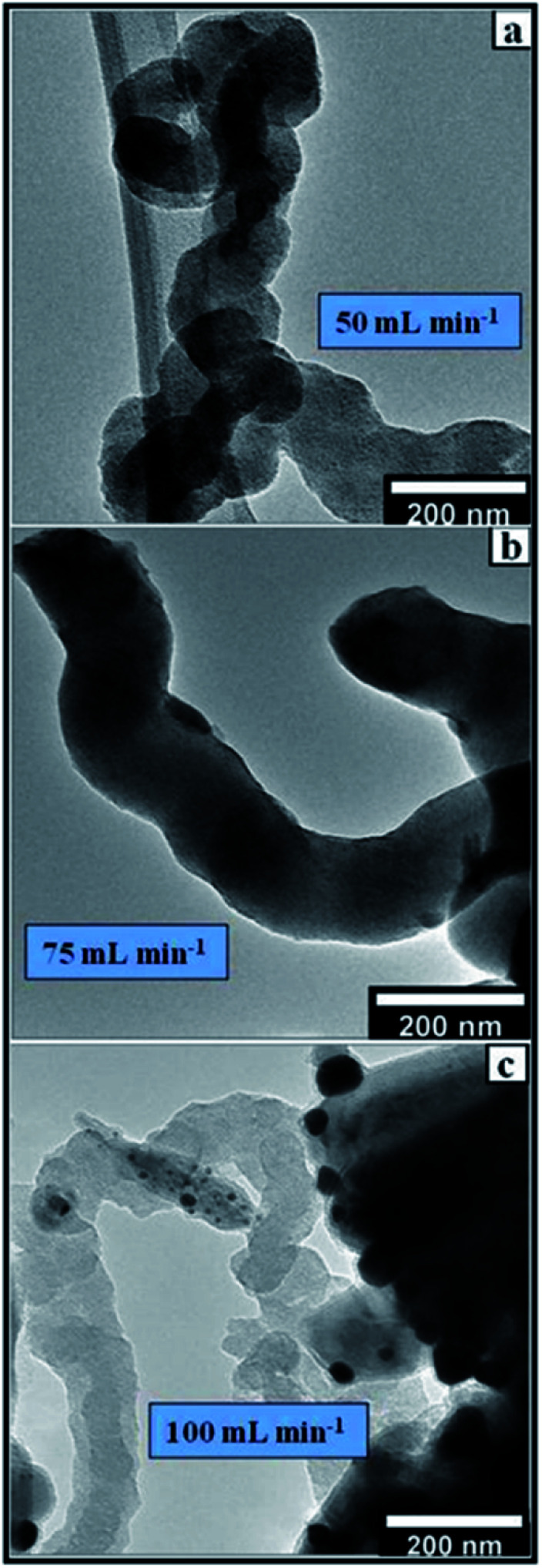
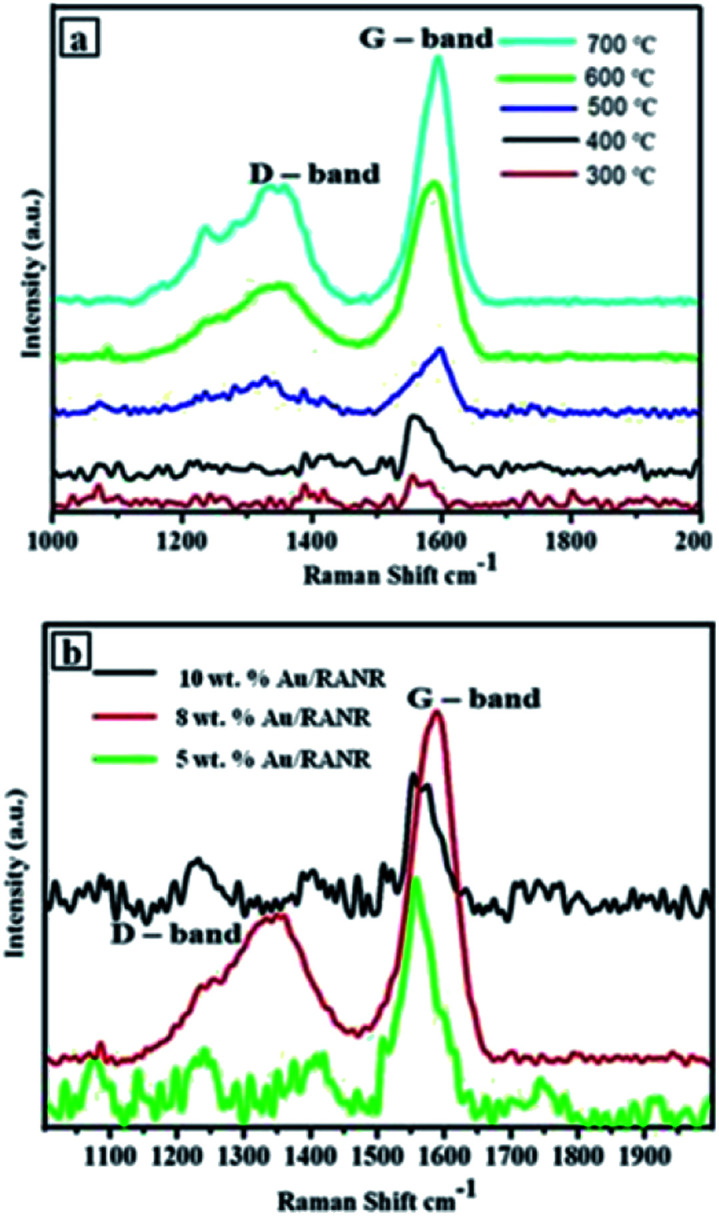
Precious and expensive metals are lost each year through the discarding of old jewellery pieces and mine tailings. In this work, small amounts of gold were recovered by digestion with aqua regia from waste tailings. The recovered gold in the form of HAuCl was then used to deposit Au onto radially aligned nanorutile (RANR) to form a supported catalyst material. The support material, RANR, was synthesized using the hydrothermal technique whereas the deposition of gold was achieved using the deposition-precipitation with urea method at various loadings. Electron microscopy was used to show that the structure of the support is a sphere formed by multiple nanorods aligned in a radial structure. The Au nanoparticles were observed at the tips of the nanorods. It was confirmed by XRD that the support was indeed a rutile phase of TiO and that the Au nanoparticles had a face-centred cubic structure. The various catalysts were then used to synthesize carbon nanomaterials (CNMs) using the chemical vapour deposition technique. A parametric study varying the reaction temperature, duration and carbon source gas flow rate was conducted to study the effects these conditions have on the structural properties of the resulting CNMs. Here, it was found that mainly carbon nanofibers were formed and that the different reaction conditions influenced their graphicity, width, structure and thermal properties.
每年,由于旧首饰和尾矿的丢弃,贵金属和稀有金属都会流失。在这项工作中,通过用王水消化废尾矿回收了少量黄金。然后,以HAuCl形式回收的金被用于将Au沉积到径向排列的纳米金红石(RANR)上,以形成负载型催化剂材料。载体材料RANR采用水热技术合成,而金的沉积则采用尿素沉积沉淀法在不同负载量下进行。电子显微镜显示载体结构是由多个呈径向排列的纳米棒形成的球体。在纳米棒的尖端观察到了金纳米颗粒。XRD证实载体确实是TiO的金红石相,并且金纳米颗粒具有面心立方结构。然后,使用各种催化剂通过化学气相沉积技术合成碳纳米材料(CNM)。进行了一项参数研究,改变反应温度、持续时间和碳源气体流速,以研究这些条件对所得CNM结构性能的影响。在此发现,主要形成了碳纳米纤维,并且不同的反应条件影响了它们的石墨化程度、宽度、结构和热性能。