Department of Cellular and Molecular Pharmacology, University of California, San Francisco, San Francisco, CA 94158, USA; Howard Hughes Medical Institute, Massachusetts Institute of Technology, Cambridge, MA 02142, USA; Whitehead Institute for Biomedical Research, Massachusetts Institute of Technology, Cambridge, MA 02142, USA; David H. Koch Institute for Integrative Cancer Research, Massachusetts Institute of Technology, Cambridge, MA 02142, USA.
Department of Cellular and Molecular Pharmacology, University of California, San Francisco, San Francisco, CA 94158, USA; Howard Hughes Medical Institute, Massachusetts Institute of Technology, Cambridge, MA 02142, USA; Whitehead Institute for Biomedical Research, Massachusetts Institute of Technology, Cambridge, MA 02142, USA; Biological and Medical Informatics Graduate Program, University of California, San Francisco, San Francisco, CA 94158, USA; Integrative Program in Quantitative Biology, University of California, San Francisco, San Francisco, CA 94158, USA; Center for Computational Biology, University of California, Berkeley, Berkeley, CA 94720, USA; David H. Koch Institute for Integrative Cancer Research, Massachusetts Institute of Technology, Cambridge, MA 02142, USA.
Cell. 2022 May 26;185(11):1905-1923.e25. doi: 10.1016/j.cell.2022.04.015. Epub 2022 May 5.
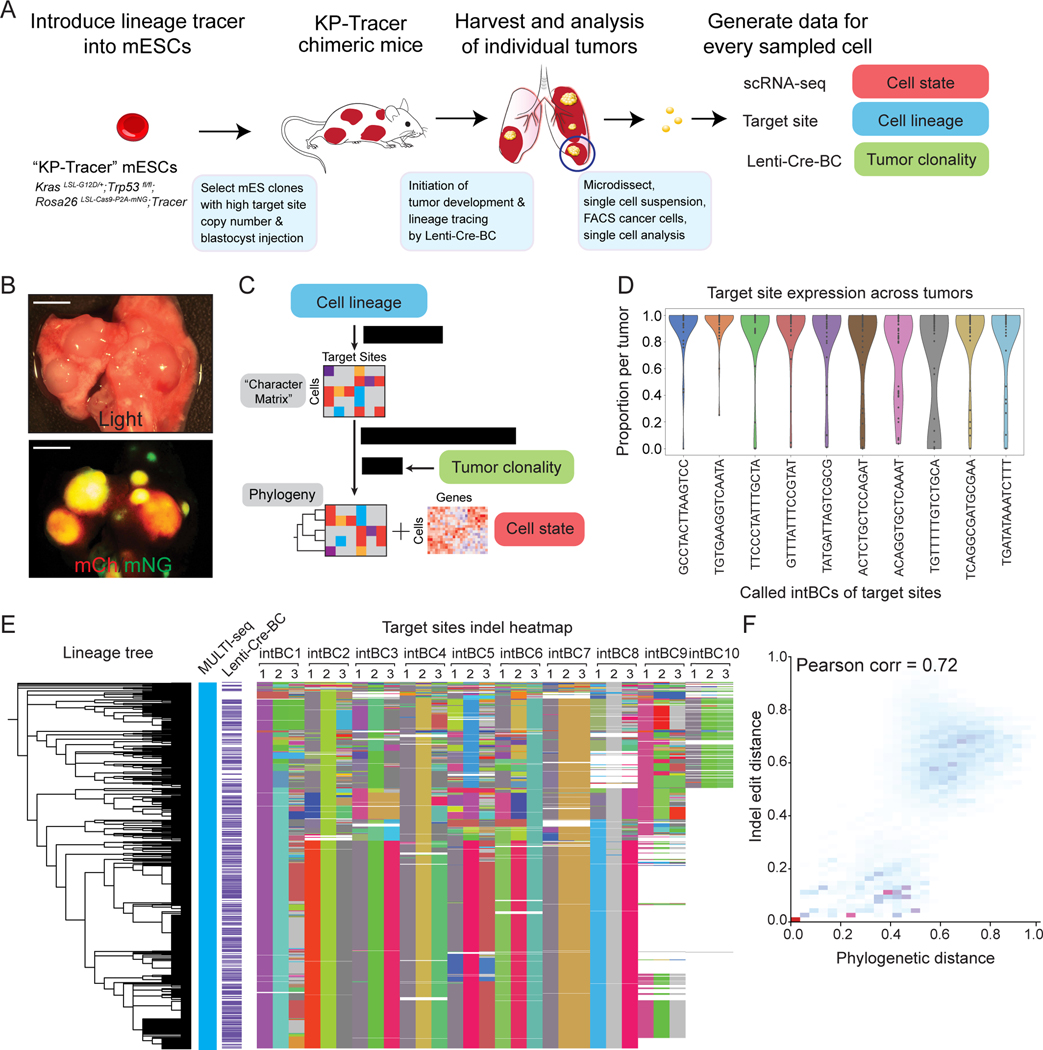
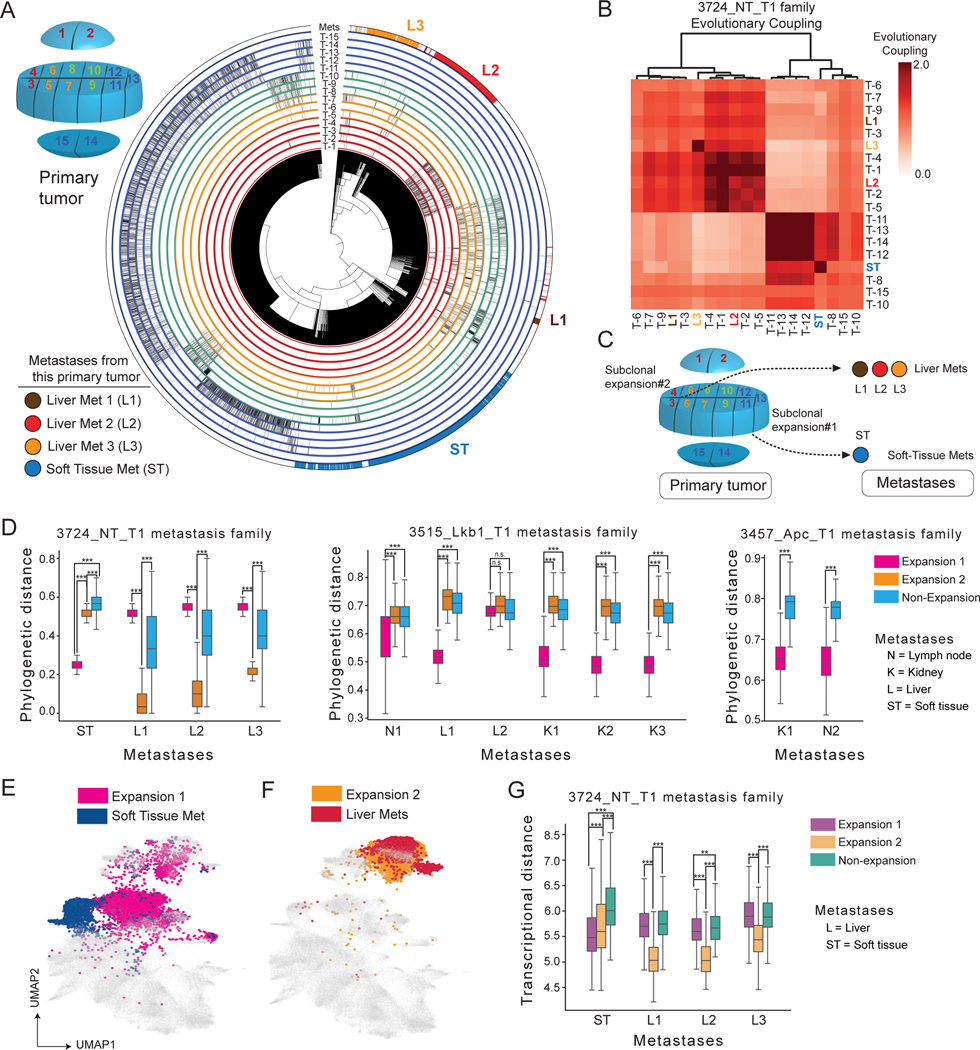
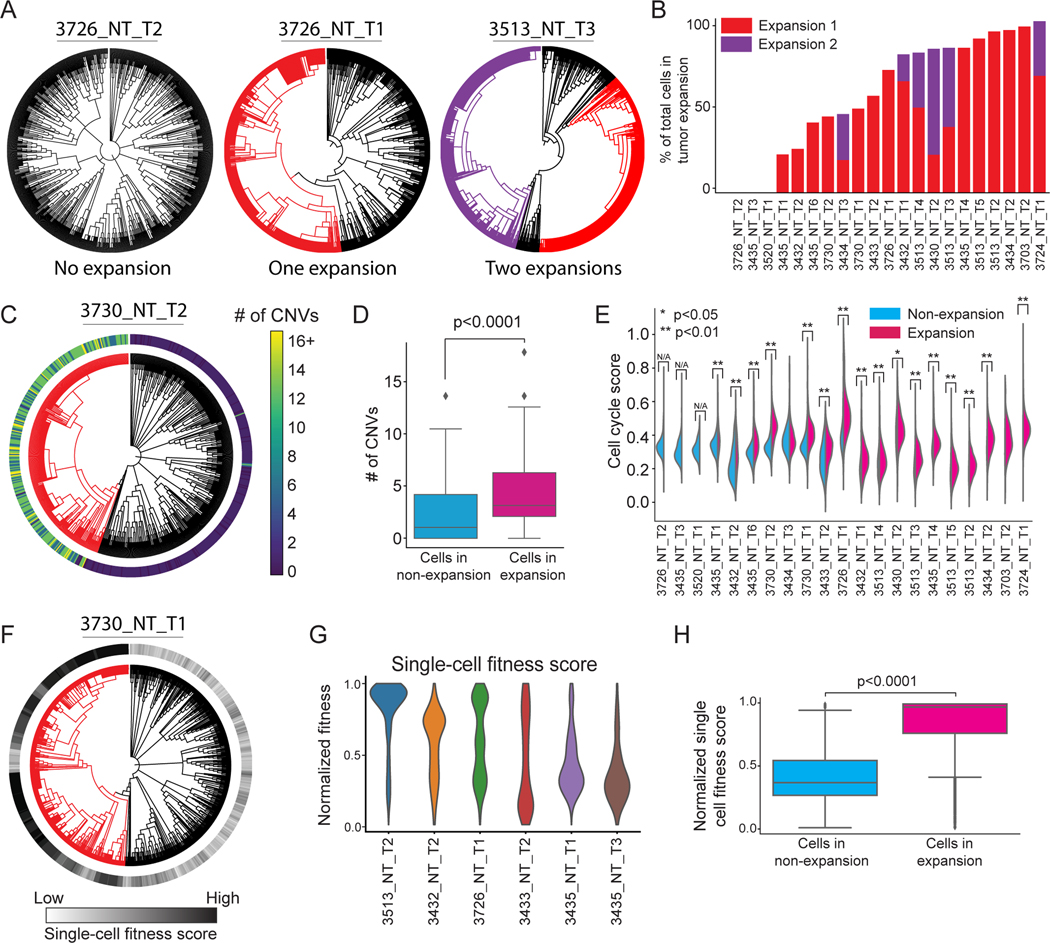
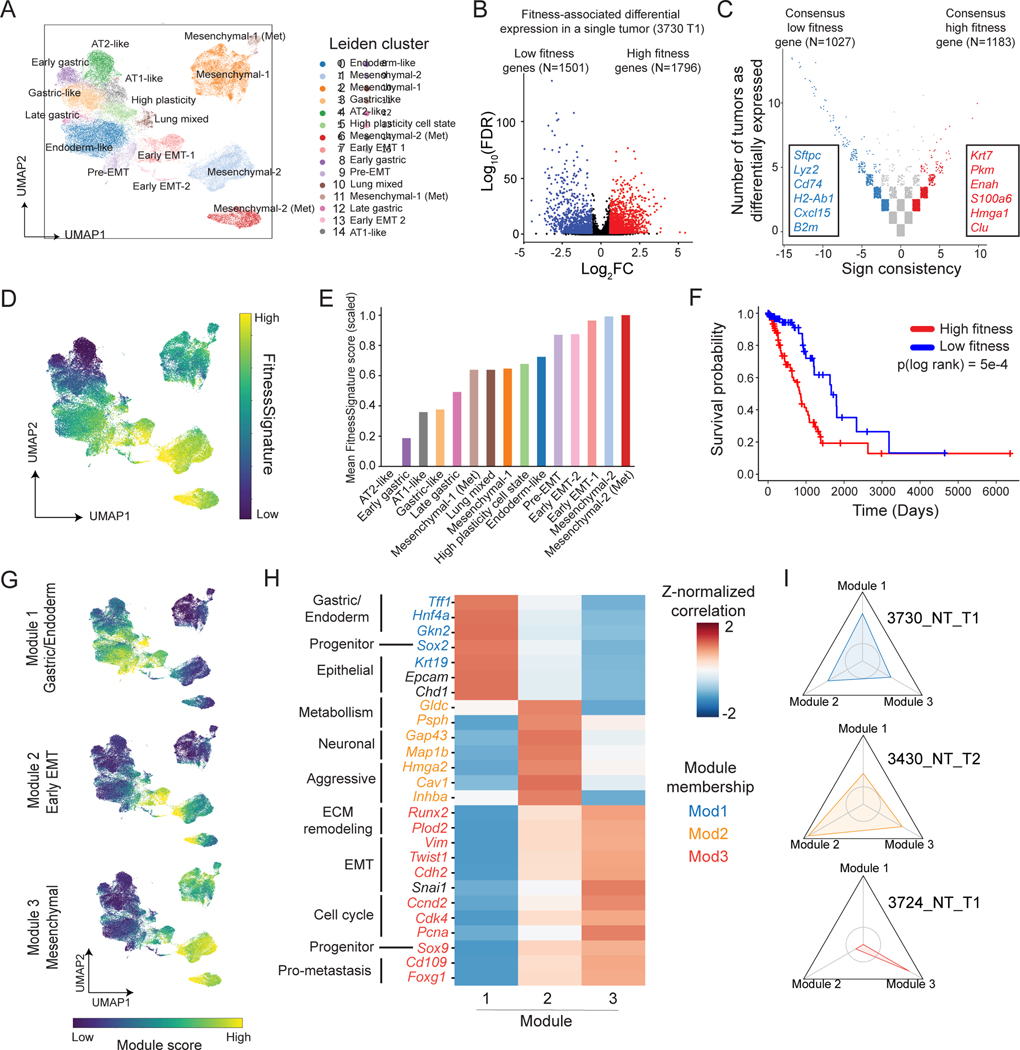
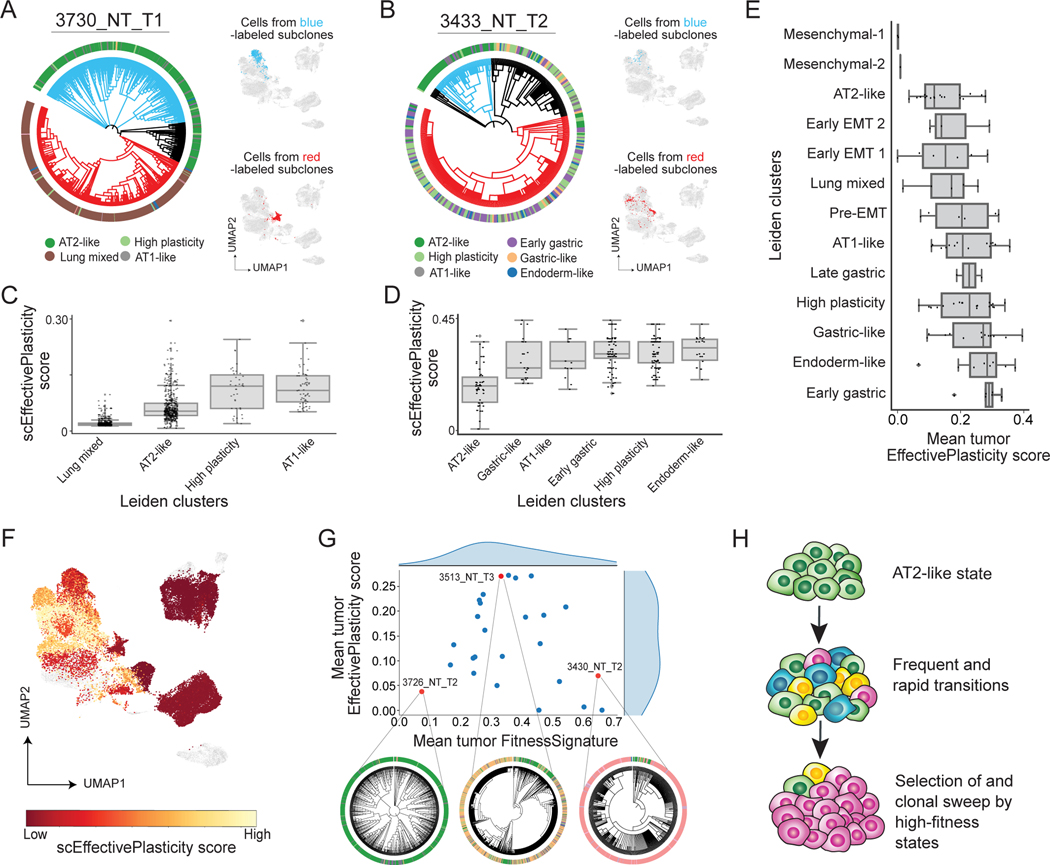
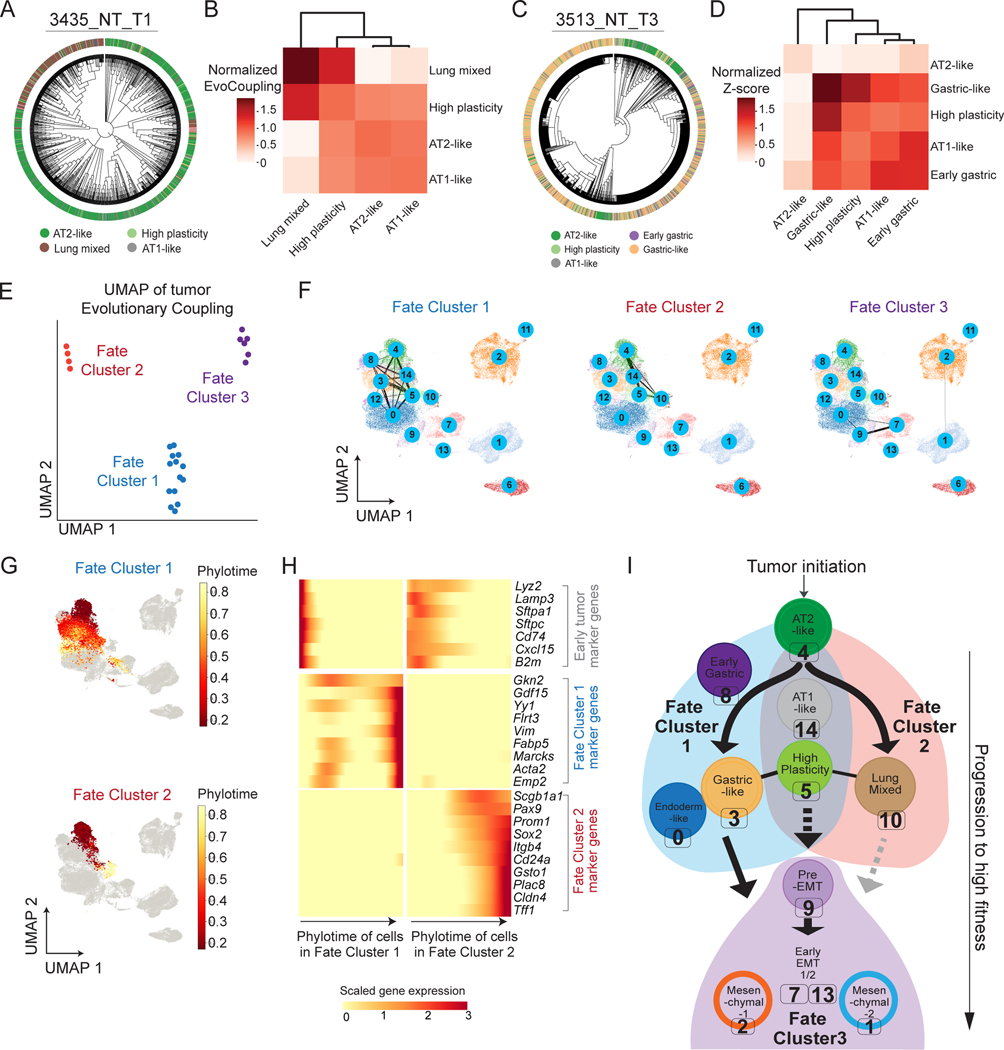
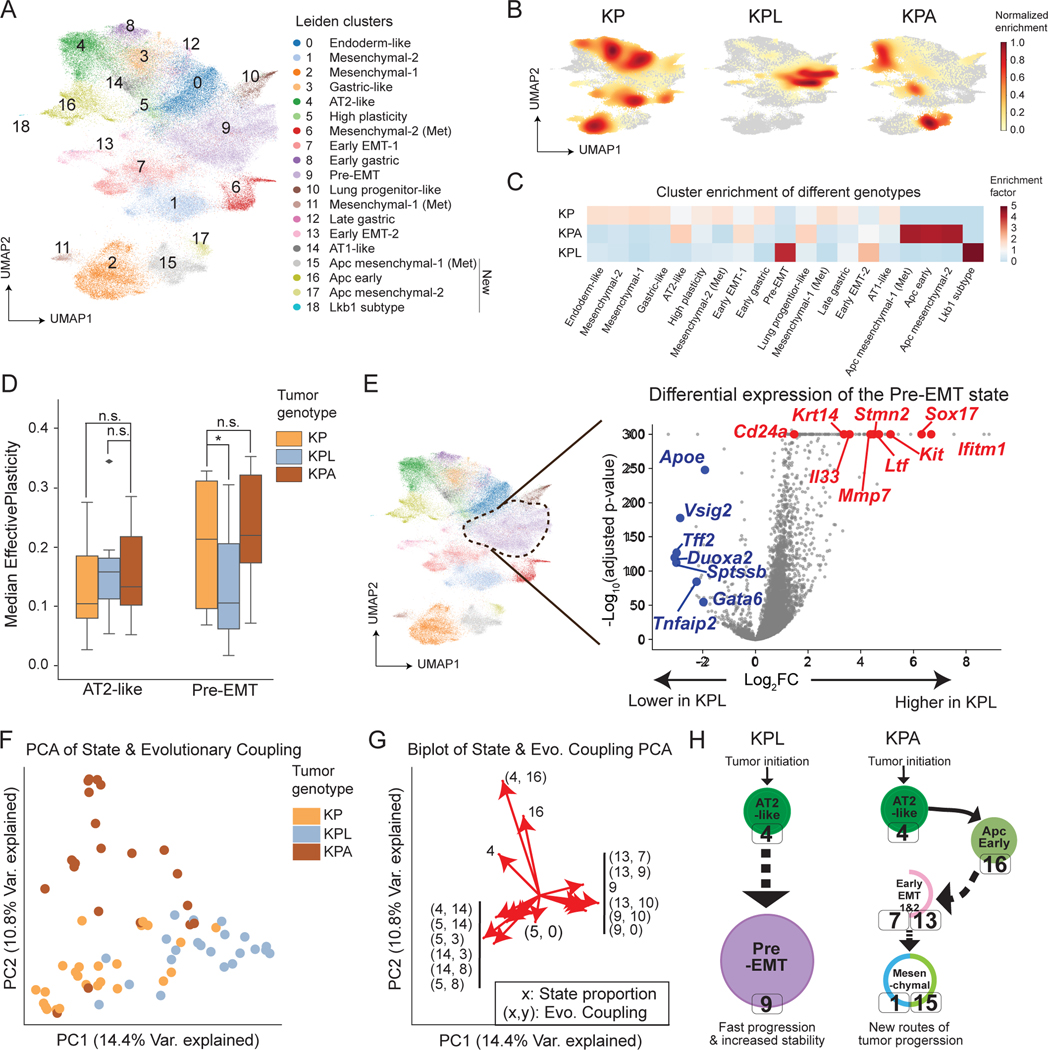
Tumor evolution is driven by the progressive acquisition of genetic and epigenetic alterations that enable uncontrolled growth and expansion to neighboring and distal tissues. The study of phylogenetic relationships between cancer cells provides key insights into these processes. Here, we introduced an evolving lineage-tracing system with a single-cell RNA-seq readout into a mouse model of Kras;Trp53(KP)-driven lung adenocarcinoma and tracked tumor evolution from single-transformed cells to metastatic tumors at unprecedented resolution. We found that the loss of the initial, stable alveolar-type2-like state was accompanied by a transient increase in plasticity. This was followed by the adoption of distinct transcriptional programs that enable rapid expansion and, ultimately, clonal sweep of stable subclones capable of metastasizing. Finally, tumors develop through stereotypical evolutionary trajectories, and perturbing additional tumor suppressors accelerates progression by creating novel trajectories. Our study elucidates the hierarchical nature of tumor evolution and, more broadly, enables in-depth studies of tumor progression.
肿瘤进化是由遗传和表观遗传改变的逐渐获得所驱动的,这些改变使肿瘤能够不受控制地生长和扩展到邻近和远处的组织。研究癌细胞之间的系统发育关系为这些过程提供了关键的见解。在这里,我们将带有单细胞 RNA-seq 读数的进化谱系追踪系统引入到 Kras;Trp53(KP)驱动的肺腺癌小鼠模型中,并以前所未有的分辨率追踪了从单个转化细胞到转移性肿瘤的肿瘤进化。我们发现,初始稳定的肺泡型 2 样状态的丧失伴随着短暂的可塑性增加。随后,出现了不同的转录程序,使快速扩张成为可能,并最终使能够转移的稳定亚克隆发生克隆性扫荡。最后,肿瘤通过典型的进化轨迹发展,并且通过创建新的轨迹干扰额外的肿瘤抑制因子会加速进展。我们的研究阐明了肿瘤进化的层次性质,更广泛地说,使肿瘤进展的深入研究成为可能。