Infectious Disease and Immunology Division, CSIR-Indian Institute of Chemical Biology, Kolkata, 700032, India.
Department of Biochemistry, Bose Institute, EN Block, Sector-V, Kolkata, 700091, India.
J Biomed Sci. 2022 May 7;29(1):28. doi: 10.1186/s12929-022-00810-5.
Curiosity on toxin-antitoxin modules has increased intensely over recent years as it is ubiquitously present in many bacterial genomes, including pathogens like Methicillin-resistant Staphylococcus aureus (MRSA). Several cellular functions of TA systems have been proposed however, their exact role in cellular physiology remains unresolved.
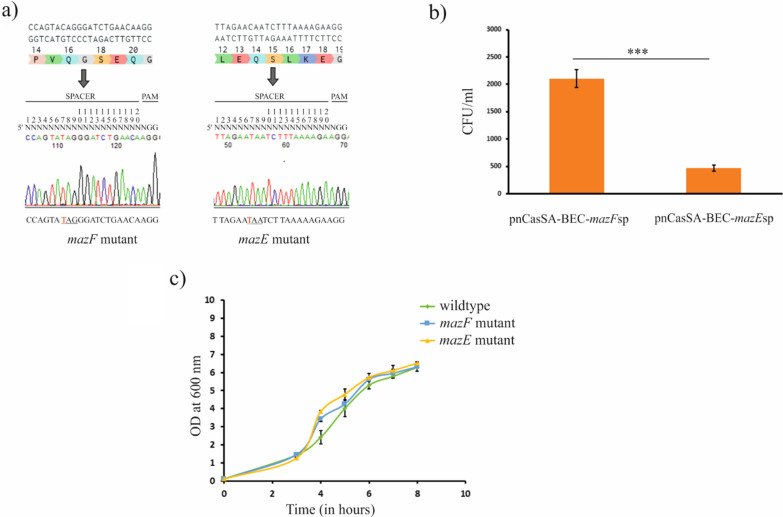
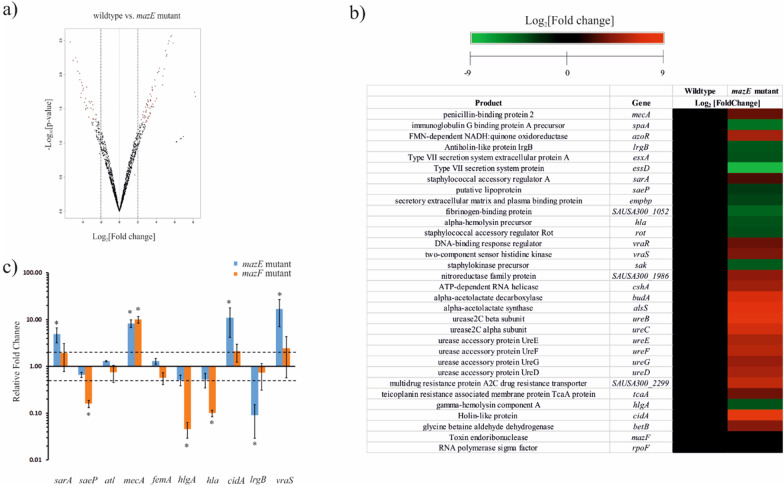
This study aims to find out the impact of the mazEF toxin-antitoxin module on biofilm formation, pathogenesis, and antibiotic resistance in an isolated clinical ST239 MRSA strain, by constructing mazE and mazF mutants using CRISPR-cas9 base-editing plasmid (pnCasSA-BEC). Transcriptome analysis (RNA-seq) was performed for the mazE antitoxin mutant in order to identify the differentially regulated genes. The biofilm formation was also assessed for the mutant strains. Antibiogram profiling was carried out for both the generated mutants followed by murine experiment to determine the pathogenicity of the constructed strains.
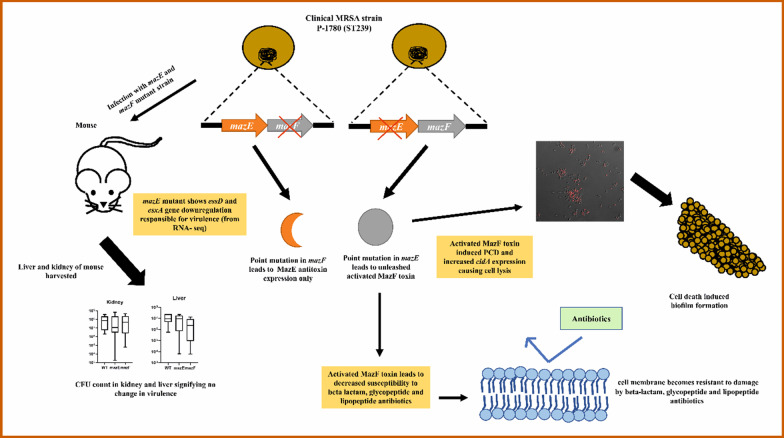
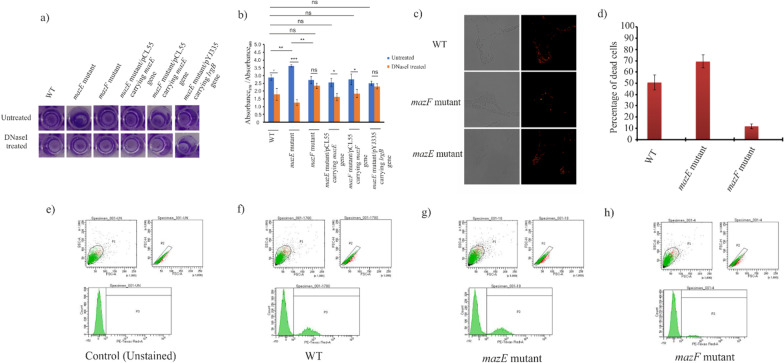
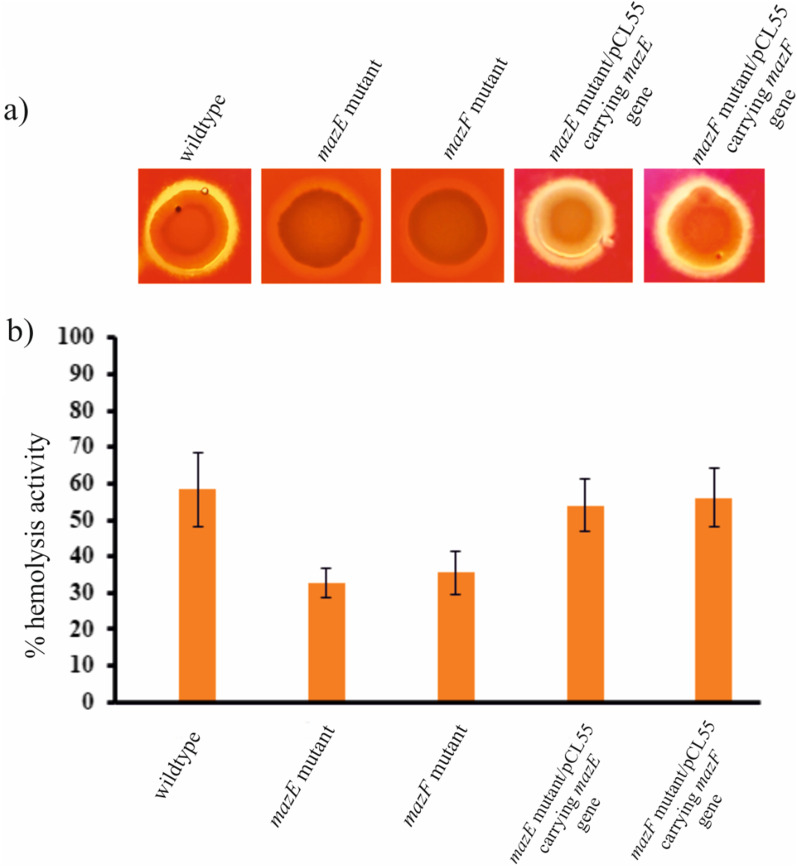
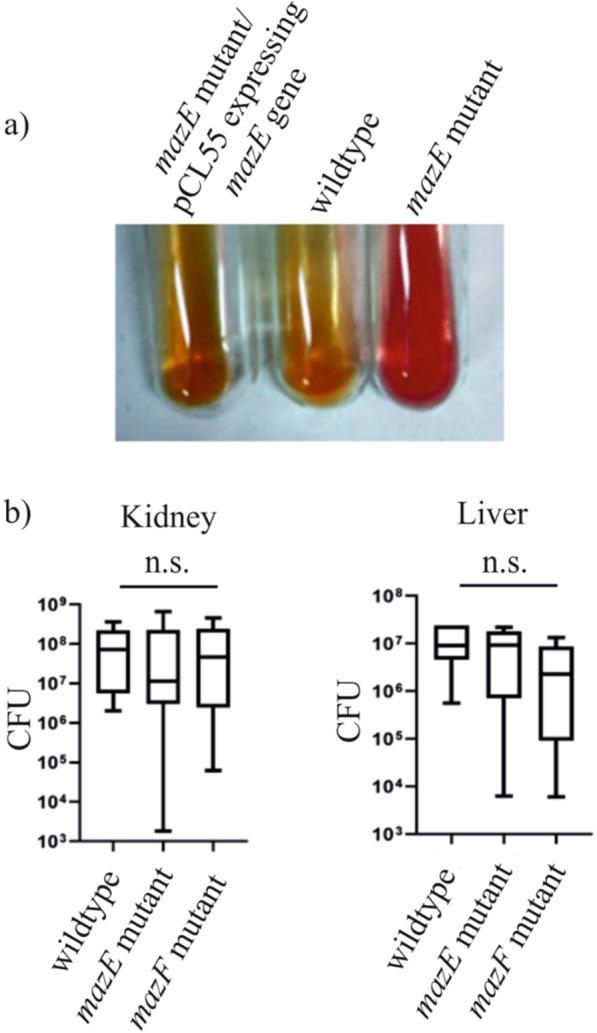
For the first time our work showed, that MazF promotes cidA mediated cell death and lysis for biofilm formation without playing any significant role in host virulence as suggested by the murine experiment. Interestingly, the susceptibility to oxacillin, daptomycin and vancomycin was reduced significantly by the activated MazF toxin in the mazE mutant strain.
Our study reveals that activated MazF toxin leads to resistance to antibiotics like oxacillin, daptomycin and vancomycin. Therefore, in the future, any potential antibacterial drug can be designed to target MazF toxin against the problematic multi-drug resistant bug.
近年来,由于毒素-抗毒素(TA)模块普遍存在于许多细菌基因组中,包括耐甲氧西林金黄色葡萄球菌(MRSA)等病原体,人们对其产生了浓厚的兴趣。已经提出了 TA 系统的几种细胞功能,但它们在细胞生理学中的确切作用仍未解决。
本研究旨在通过使用 CRISPR-cas9 碱基编辑质粒(pnCasSA-BEC)构建 mazE 和 mazF 突变体,来确定 mazEF 毒素-抗毒素模块对分离的临床 ST239 型 MRSA 菌株生物膜形成、发病机制和抗生素耐药性的影响。为 mazE 抗毒素突变体进行了转录组分析(RNA-seq),以鉴定差异调节基因。还评估了突变菌株的生物膜形成。对两个生成的突变株进行抗生素药敏谱分析,然后进行小鼠实验以确定构建菌株的致病性。
我们的工作首次表明,MazF 促进 cidA 介导的细胞死亡和裂解,从而促进生物膜形成,而正如小鼠实验所表明的那样,它在宿主毒力方面没有发挥任何重要作用。有趣的是,mazE 突变株中激活的 MazF 毒素显著降低了对苯唑西林、达托霉素和万古霉素的敏感性。
我们的研究表明,激活的 MazF 毒素导致对苯唑西林、达托霉素和万古霉素等抗生素的耐药性。因此,在未来,可以设计任何潜在的抗菌药物来靶向 MazF 毒素,以对抗多药耐药性问题。