Departamento de Biología Celular, Fisiología E Inmunología, Universidad de Córdoba, Campus de Rabanales, Edificio Severo Ochoa, 3ª planta, Campus de Excelencia Internacional Agroalimentario, ceiA3, 14014, Cordoba, Spain.
Translational Gerontology Branch, National Institute On Aging, National Institutes of Health, Baltimore, MD, USA.
Geroscience. 2022 Aug;44(4):2223-2241. doi: 10.1007/s11357-022-00574-8. Epub 2022 May 9.
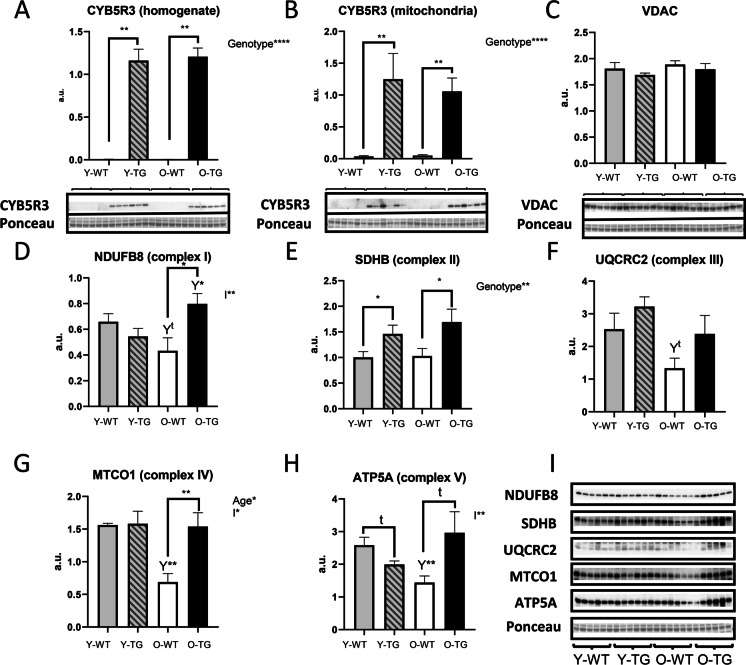
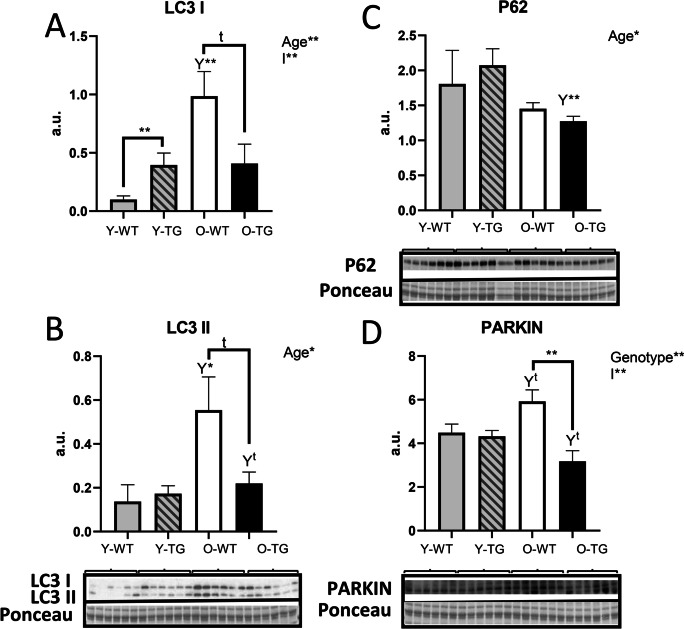
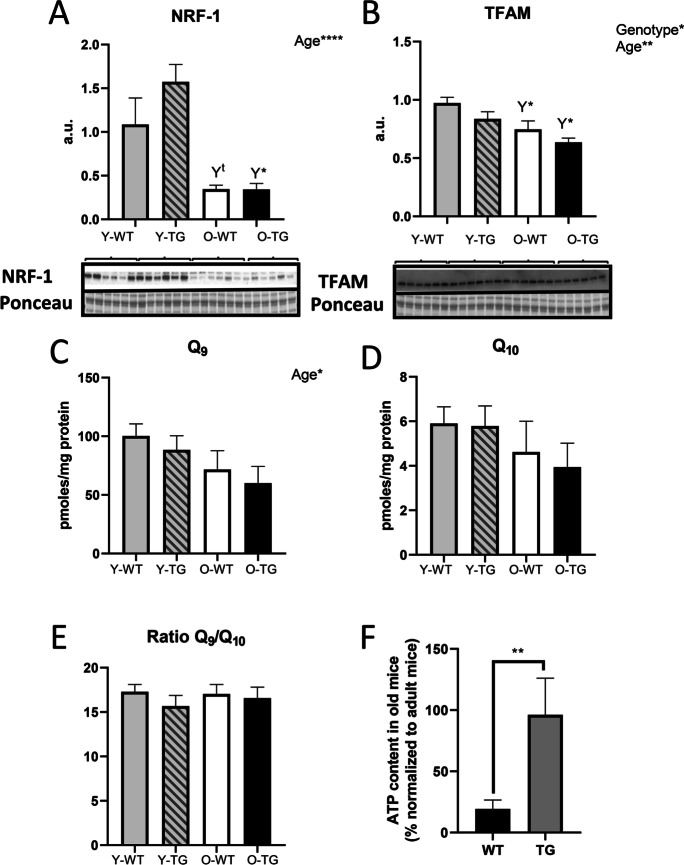
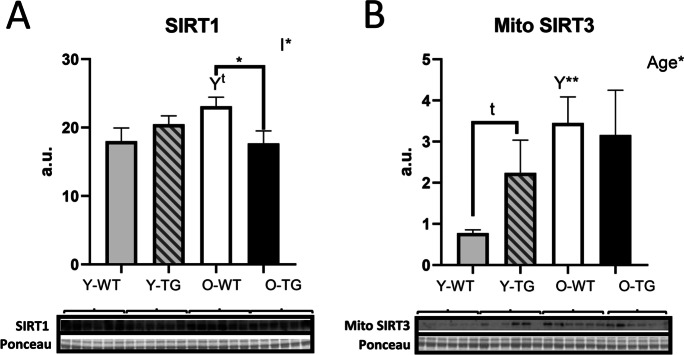
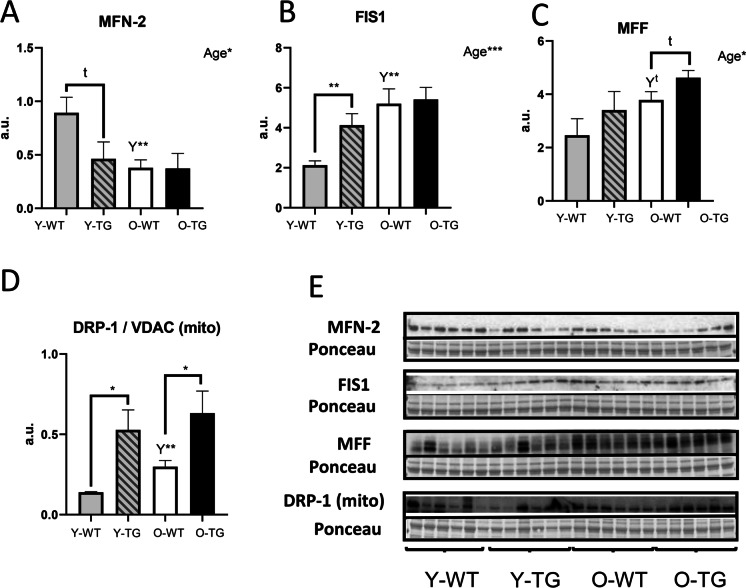
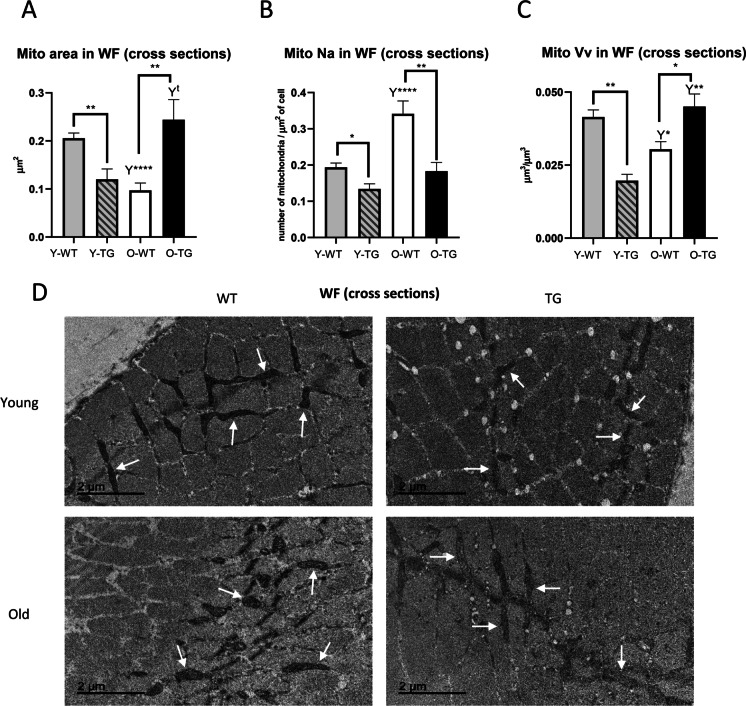
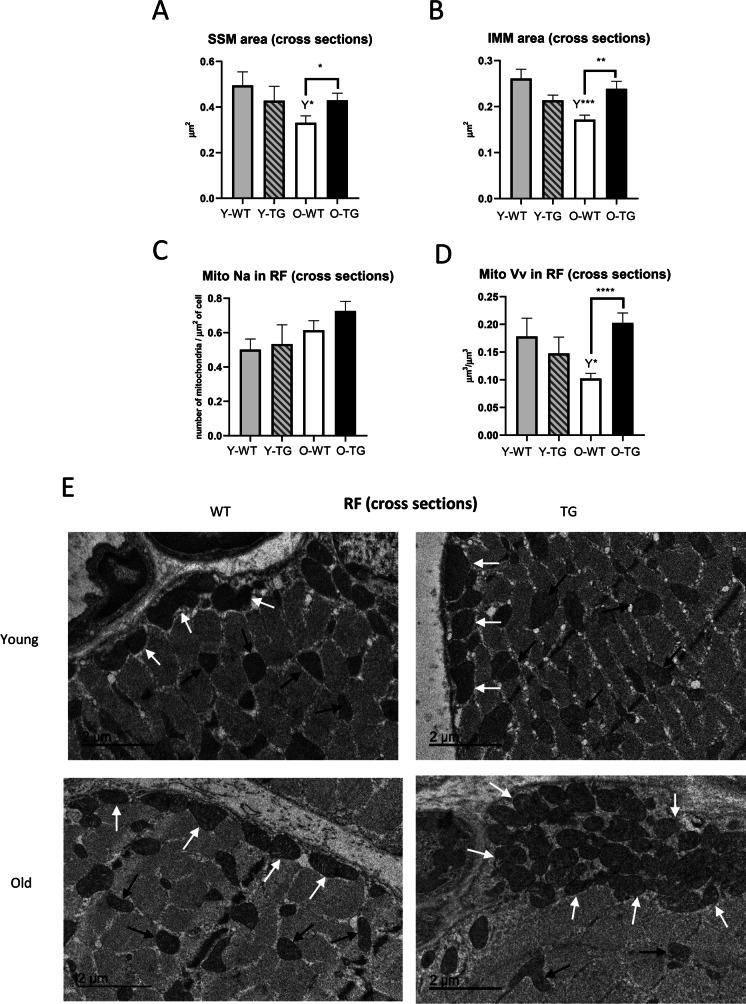
Cytochrome b reductase 3 (CYB5R3) overexpression activates respiratory metabolism and exerts prolongevity effects in transgenic mice, mimicking some of the salutary effects of calorie restriction. The aim of our study was to understand how CYB5R3 overexpression targets key pathways that modulate the rate of aging in skeletal muscle, a postmitotic tissue with a greater contribution to resting energy expenditure. Mitochondrial function, autophagy and mitophagy markers were evaluated in mouse hind limb skeletal muscles from young-adult (7 months old) and old (24 months old) males of wild-type and CYB5R3-overexpressing genotypes. Ultrastructure of subsarcolemmal and intermyofibrillar mitochondria was studied by electron microscopy in red gastrocnemius. CYB5R3, which was efficiently overexpressed and targeted to skeletal muscle mitochondria regardless of age, increased the abundance of complexes I, II, and IV in old mice and prevented the age-related decrease of complexes I, III, IV, and V and the mitofusin MFN-2. ATP was significantly decreased by aging, which was prevented by CYB5R3 overexpression. Coenzyme Q and the mitochondrial biogenesis markers TFAM and NRF-1 were also significantly diminished by aging, but CYB5R3 overexpression did not protect against these declines. Both aging and CYB5R3 overexpression upregulated SIRT3 and the mitochondrial fission markers FIS1 and DRP-1, although with different outcomes on mitochondrial ultrastructure: old wild-type mice exhibited mitochondrial fragmentation whereas CYB5R3 overexpression increased mitochondrial size in old transgenic mice concomitant with an improvement of autophagic recycling. Interventions aimed at stimulating CYB5R3 could represent a valuable strategy to counteract the deleterious effects of aging in skeletal muscle.
细胞色素 b 还原酶 3(CYB5R3)过表达可激活呼吸代谢,并在转基因小鼠中发挥延长寿命的作用,模拟了卡路里限制的一些有益作用。我们的研究目的是了解 CYB5R3 过表达如何靶向调节骨骼肌衰老速度的关键途径,骨骼肌是一种有丝分裂后组织,对静息能量消耗的贡献更大。在年轻成年(7 个月大)和老年(24 个月大)雄性野生型和 CYB5R3 过表达基因型的小鼠后肢骨骼肌中评估了线粒体功能、自噬和线粒体自噬标志物。通过电子显微镜研究了红腓肠肌亚肌膜和肌间纤维线粒体的超微结构。CYB5R3 无论年龄大小都能有效地过表达并靶向到骨骼肌线粒体,它增加了老年小鼠中复合物 I、II 和 IV 的丰度,并防止了复合物 I、III、IV 和 V 以及线粒体融合蛋白 MFN-2 的年龄相关下降。随着年龄的增长,ATP 显著减少,而 CYB5R3 过表达则可防止这种减少。辅酶 Q 和线粒体生物发生标志物 TFAM 和 NRF-1 也随着年龄的增长而显著减少,但 CYB5R3 过表达并不能防止这些下降。衰老和 CYB5R3 过表达均上调了 SIRT3 和线粒体分裂标志物 FIS1 和 DRP-1,尽管对线粒体超微结构有不同的影响:老年野生型小鼠表现出线粒体碎片化,而 CYB5R3 过表达则增加了老年转基因小鼠的线粒体大小,同时改善了自噬循环。刺激 CYB5R3 的干预措施可能代表一种有价值的策略,可以抵抗骨骼肌衰老的有害影响。