Department of Anesthesiology, The Second Affiliated Hospital of Anhui Medical University, Hefei City, Anhui Province, China.
Key Laboratory of Anesthesiology and Perioperative Medicine of Anhui Higher Education Institutes, Anhui Medical University, Hefei City, Anhui Province, China.
Oxid Med Cell Longev. 2022 Mar 11;2022:9771743. doi: 10.1155/2022/9771743. eCollection 2022.
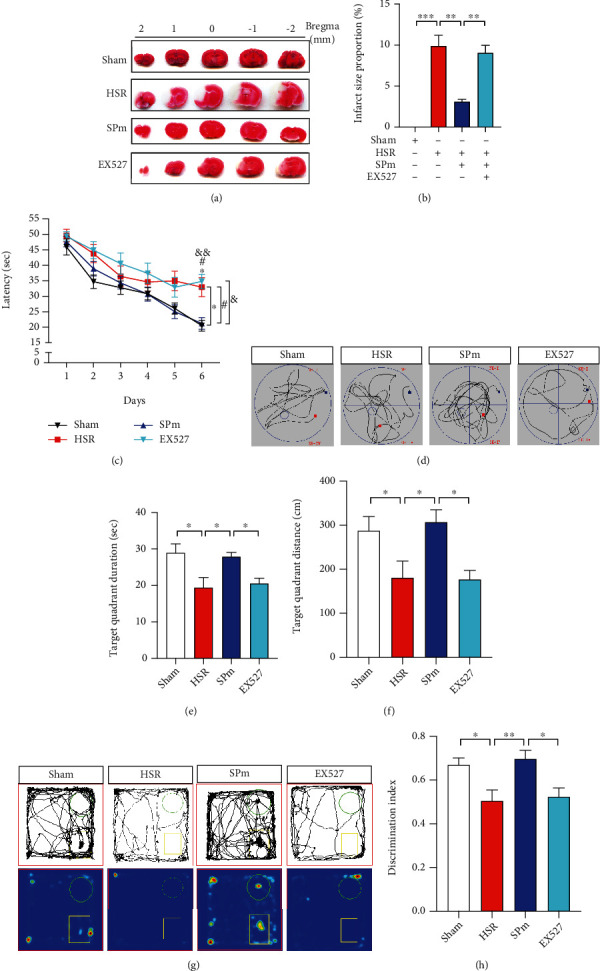
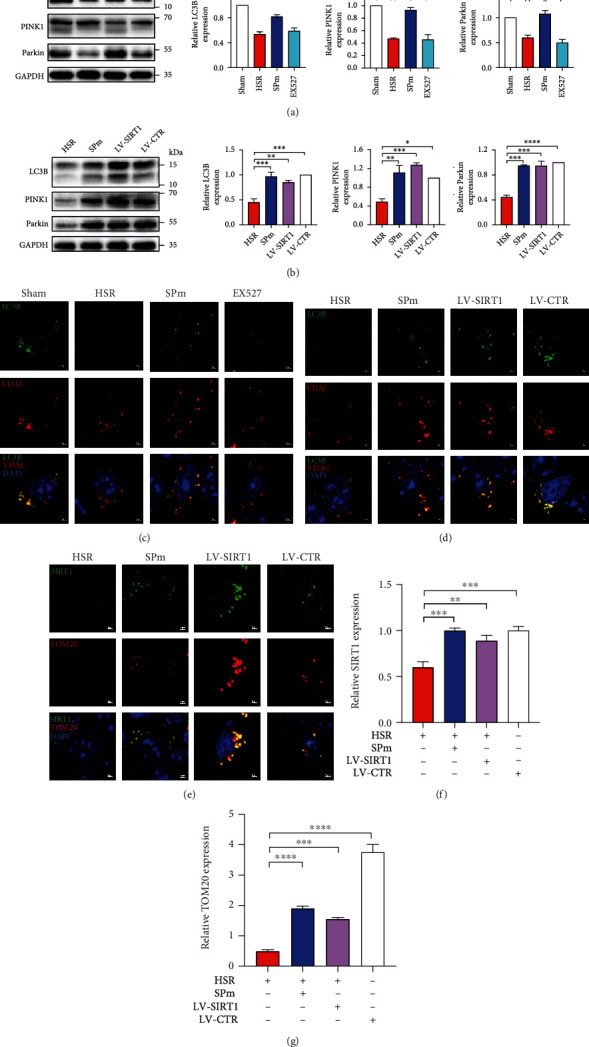
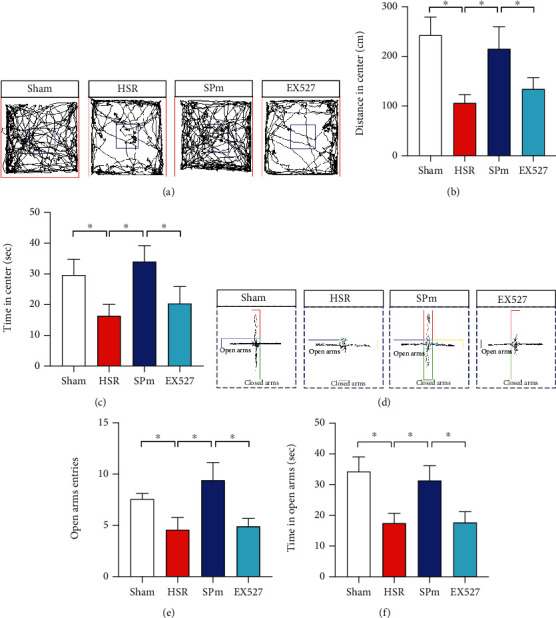
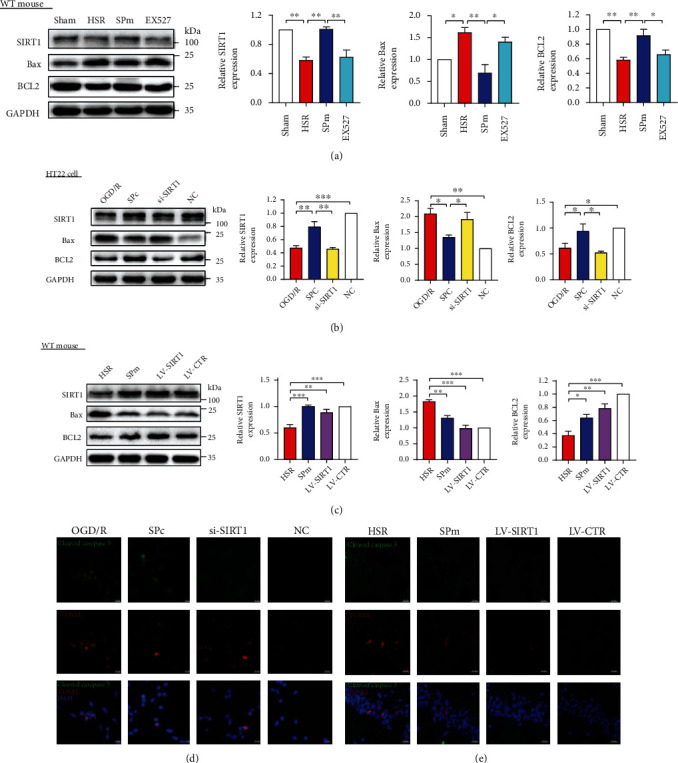
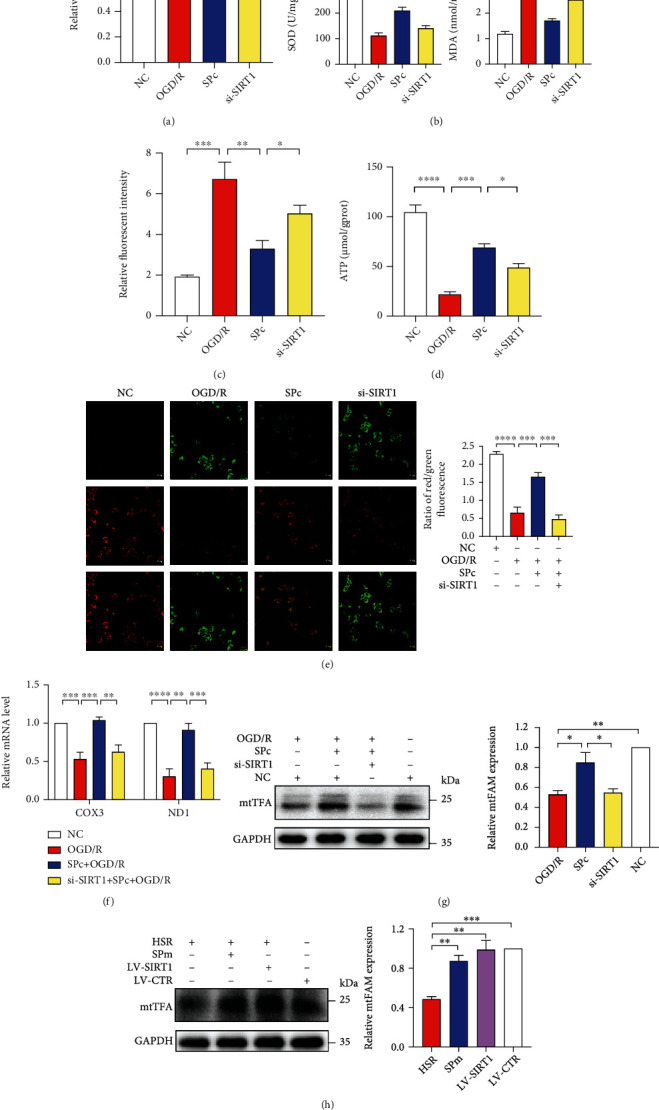
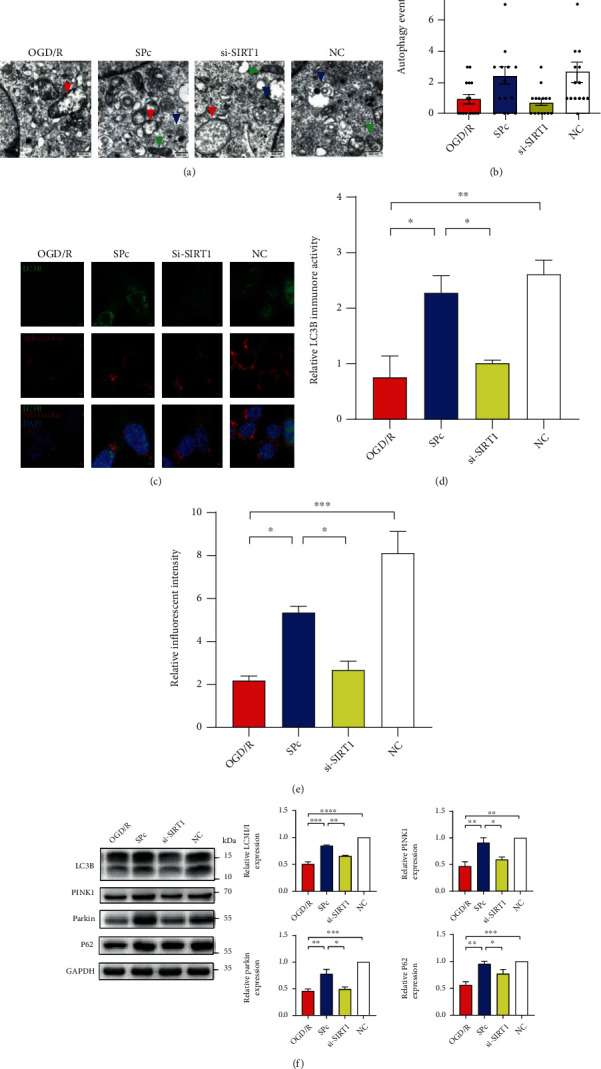
Cerebral ischemia reperfusion injury (IRI) induced by hemorrhagic shock and reperfusion (HSR) is the main cause of death following trauma. Previous studies indicated the neuroprotective effect of sevoflurane postconditioning (SP) in cerebral IRI. However, the mechanisms still remain elusive. Cerebral IRI models with SP were established by using HSR with C57BL/6 mice (male, 3-month-old) and by using oxygen glucose deprivation and reoxygenation (OGD/R) with HT22 cells . Postoperative cognition was evaluated by the Morris water maze, novel object recognition, and elevated plus maze tests. The role of SIRT1 was determined by using siRNA, a sensitive inhibitor (EX527), or an overexpression shRNA-GFP lentivirus. IRI caused significant disabilities of spatial learning and memory associated with enhanced cerebral infarct and neuronal apoptosis, which were effectively attenuated by SP. IRI also made a significant decrease of SIRT1 accompanied by oxidative stress, mitochondria dysfunction, and inactivated autophagy. SP or genetically overexpressing SIRT1 significantly suppressed defective autophagy, mitochondrial oxidative injury, and neuronal death caused by HSR or OGD/R. However, genetic suppression or pharmacological inhibition of SIRT1 significantly reversed the impact of SP treatment on mitochondrial DNA transcription ability and autophagy. Our results demonstrate that the loss of SIRT1 causes a sequential chain of mitochondrial dysfunction, defective autophagy, and neuronal apoptosis after IRI in the preclinical stroke models. Sevoflurane postconditioning treatment could effectively attenuate pathophysiological signatures induced by noxious stimuli, which maybe mediated by SIRT1.
出血性休克再灌注(HSR)引起的脑缺血再灌注损伤(IRI)是创伤后死亡的主要原因。先前的研究表明七氟醚后处理(SP)对脑 IRI 具有神经保护作用。然而,其机制仍不清楚。通过使用 C57BL/6 小鼠(雄性,3 个月大)进行 HSR 建立 SP 脑 IRI 模型 ,并使用氧葡萄糖剥夺和复氧(OGD/R)建立 HT22 细胞的 IRI 模型 。通过 Morris 水迷宫、新物体识别和高架十字迷宫测试评估术后认知。通过 siRNA、敏感抑制剂(EX527)或过表达 shRNA-GFP 慢病毒确定 SIRT1 的作用。IRI 导致与增强的脑梗死和神经元凋亡相关的空间学习和记忆功能显著障碍,SP 可有效减轻这些障碍。IRI 还导致 SIRT1 的显著减少,同时伴有氧化应激、线粒体功能障碍和自噬失活。SP 或过表达 SIRT1 可显著抑制 HSR 或 OGD/R 引起的自噬缺陷、线粒体氧化损伤和神经元死亡。然而,SIRT1 的遗传抑制或药理学抑制显著逆转了 SP 治疗对线粒体 DNA 转录能力和自噬的影响。我们的结果表明,在临床前中风模型中,IRI 后 SIRT1 的缺失导致了一系列的线粒体功能障碍、自噬缺陷和神经元凋亡。七氟醚后处理治疗可以有效减轻有害刺激引起的病理生理特征,这可能是通过 SIRT1 介导的。