Minakshi Manickam, Higley Stephen, Baur Christian, Mitchell David R G, Jones Robert T, Fichtner Maximilian
Engineering and Energy, Murdoch University WA 6150 Australia
Helmholtz Institute Ulm for Electrochemical Energy Storage (HIU) Ulm 89081 Germany.
RSC Adv. 2019 Aug 27;9(46):26981-26995. doi: 10.1039/c9ra04289j. eCollection 2019 Aug 23.
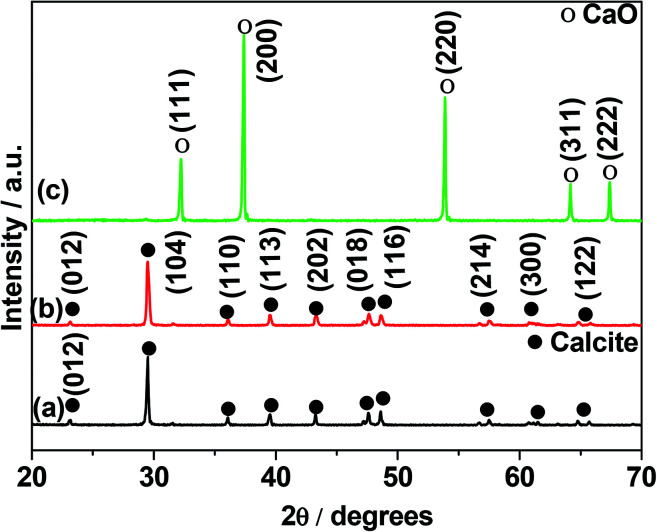
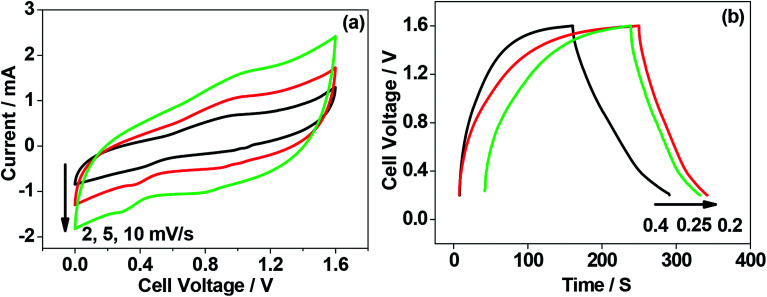
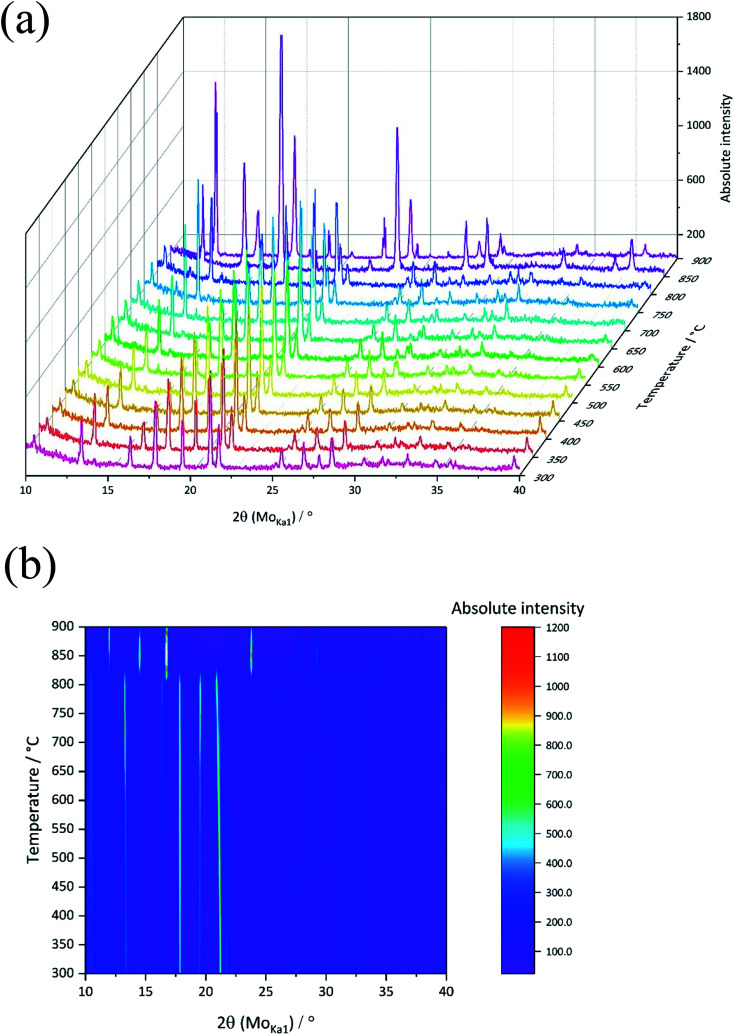
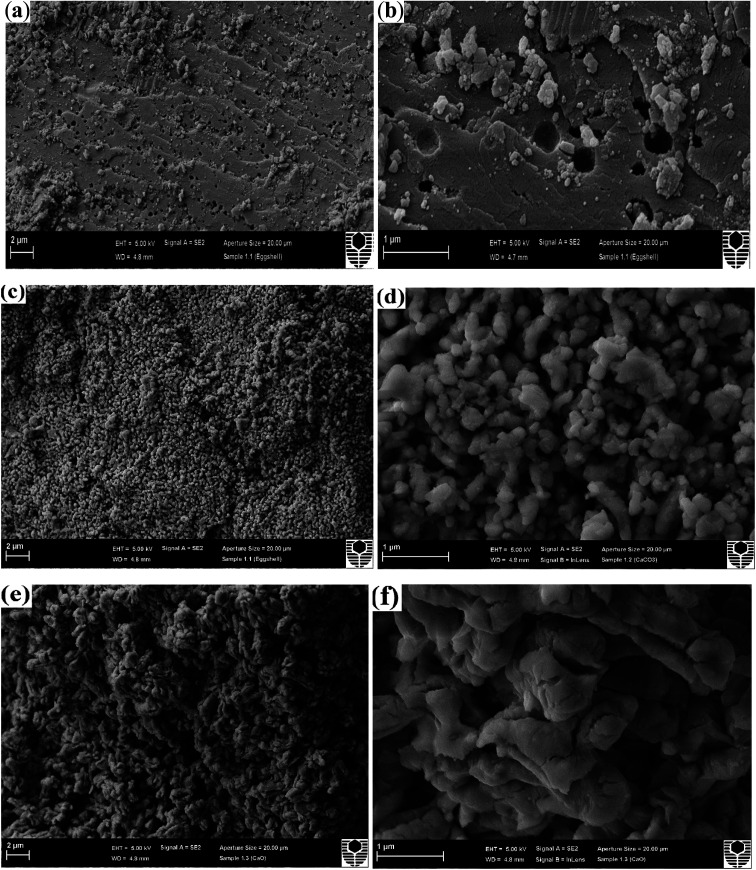
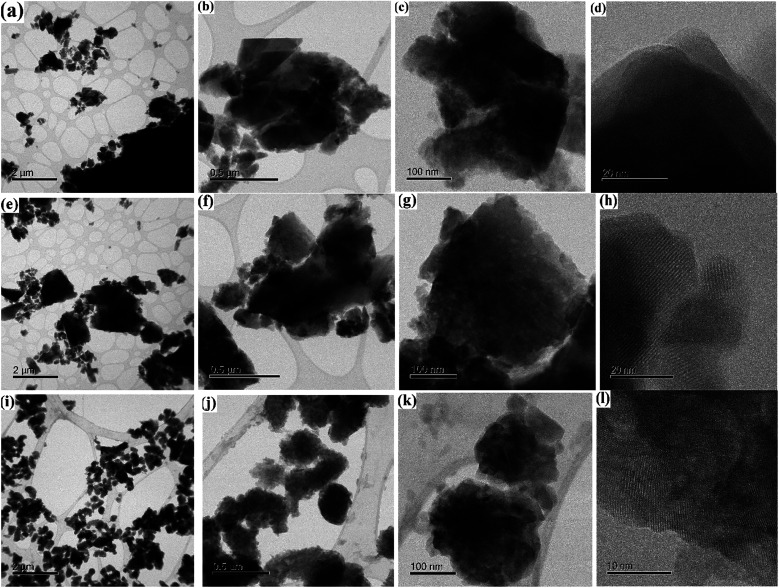
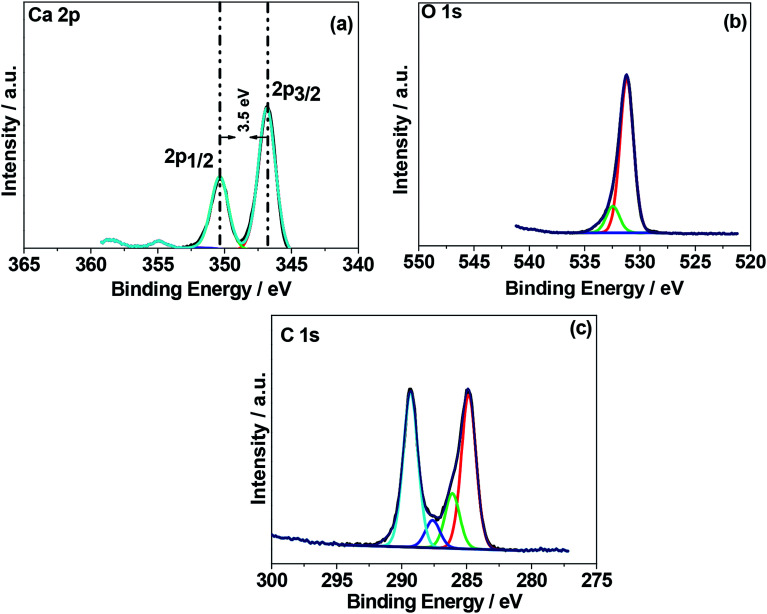
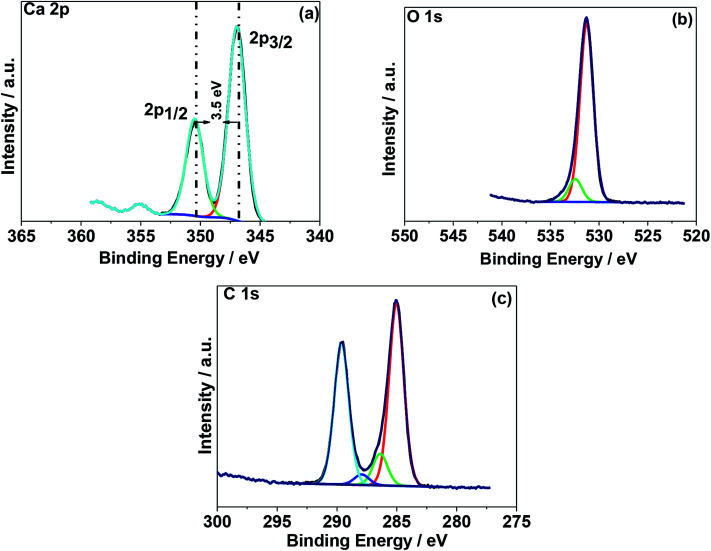
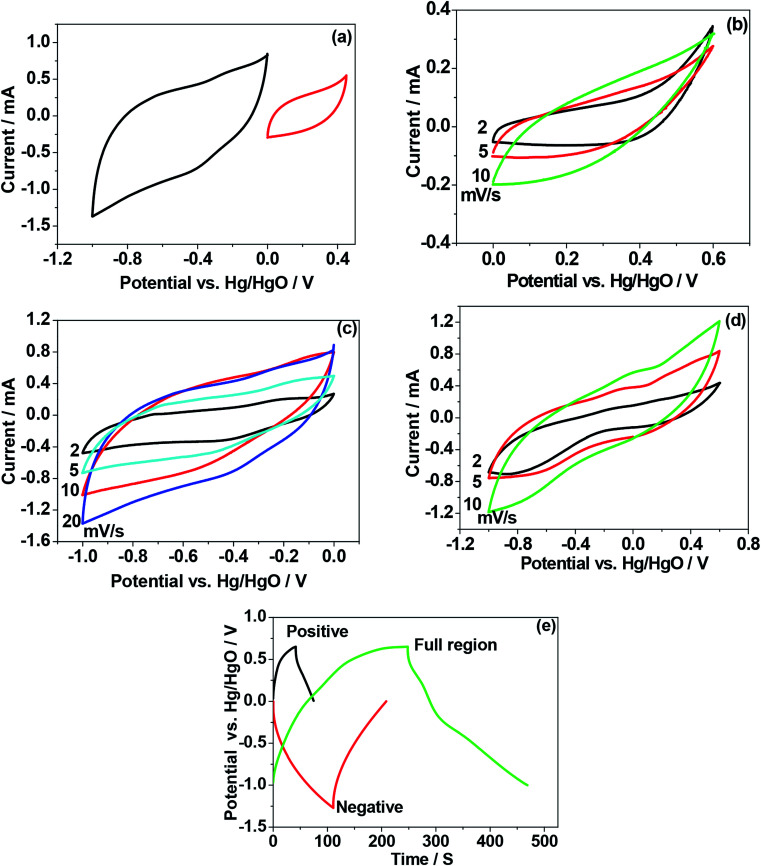
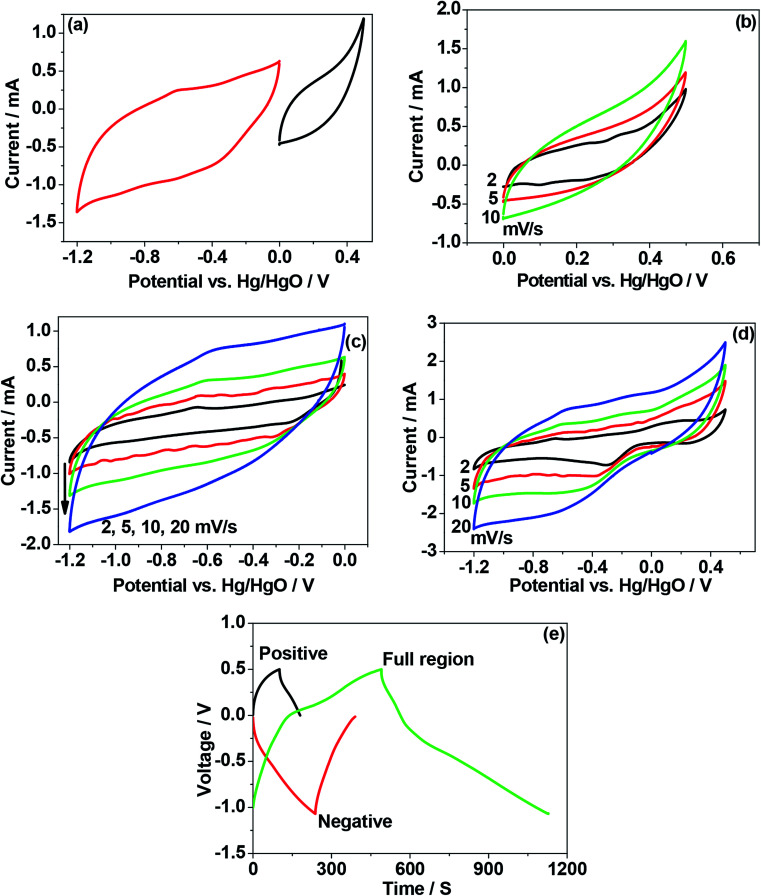
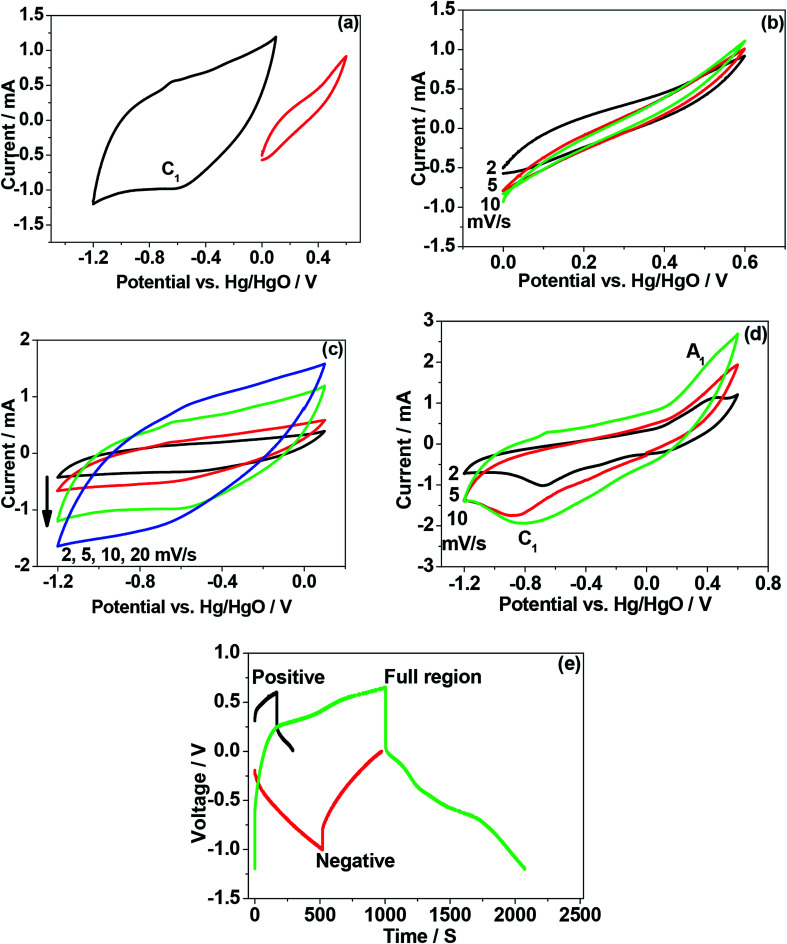
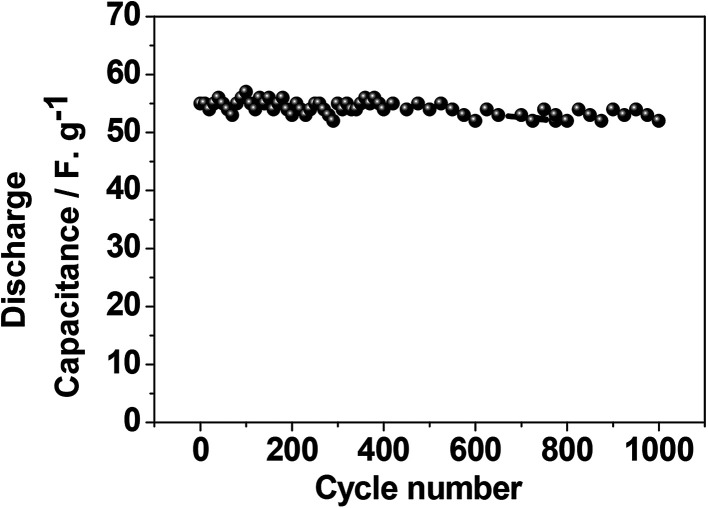
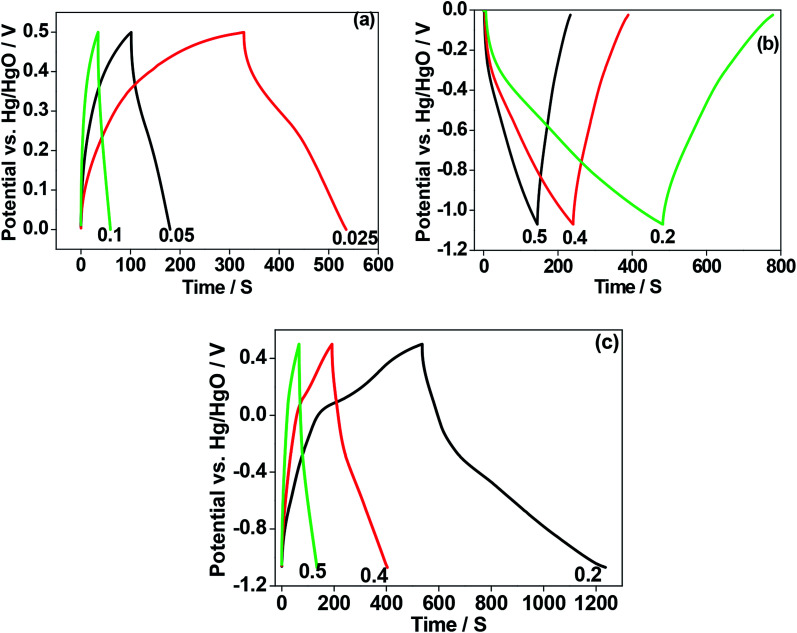
Biowaste eggshell can be used as a cathode while in its calcined form and it is found to be suitable as an anode in an electrochemical cell. This not only enables energy to be stored reversibly but also achieves waste management and sustainability goals by redirecting material away from landfill. Biowaste eggshell comprises 94% calcium carbonate (CaCO; calcite), an attractive divalent ion source as a viable option for energy storage. X-ray diffraction and electron microscopy coupled with energy dispersive analyses of the calcined (thermally decomposed) biowaste eggshell show that CaO has been formed and the reaction is topotactic. Field emission scanning electron microscopy (FESEM) images of the textural relationship show that the thermal decomposition of calcite resulted in a change in morphology. High-resolution XPS spectra of the C 1s core level from the CaCO and CaO shows that there is a chemical difference in the carbon environments and the total atomic fraction of Ca for each sample with that of carbonate and oxygen varies. In a three-electrode configuration, a working electrode of CaCO is found to be electrochemically active in the positive region, whereas a CaO electrode is active in the negative region. This indicates the potential use of eggshell-derived materials for both cathode and anode. Both the electrodes exhibited a quasi-box-shaped potentiostatic curve implying a capacitor-type behaviour. The CaCO cathode possesses a modest discharge capacitance of 10 F g but the CaO anode showed excellent capacitance value of 47.5 F g. The CaO electrode in both positive and negative regions, at a current density of 0.15 A g exhibited 55 F g with a retention of nearly 100% after 1000 cycles. At a very low sweep rate of 0.5 mV s, the CaO electrode showed typical redox-type behaviour with well-defined peaks illustrating battery-type behaviour. The outcome of the calcite/CaO transformation, exhibiting technological importance for energy storage applications, may help to re-evaluate biowaste before throwing it away. The current work explores the viability of eggshell derived materials as a cathode/anode for use in batteries and capacitors.
生物废料蛋壳在煅烧后可用作阴极,并且发现它适合在电化学电池中用作阳极。这不仅能使能量可逆存储,还能通过将材料从垃圾填埋场转移来实现废物管理和可持续发展目标。生物废料蛋壳含有94%的碳酸钙(CaCO₃;方解石),这是一种有吸引力的二价离子源,是能量存储的可行选择。对煅烧(热分解)后的生物废料蛋壳进行X射线衍射、电子显微镜以及能量色散分析表明,已形成CaO,且该反应是拓扑化学的。场发射扫描电子显微镜(FESEM)图像显示的结构关系表明,方解石的热分解导致了形态变化。CaCO₃和CaO的C 1s核心能级的高分辨率XPS光谱表明,碳环境存在化学差异,并且每个样品中Ca的总原子分数与碳酸盐和氧的不同。在三电极配置中,发现CaCO₃工作电极在正区域具有电化学活性,而CaO电极在负区域具有活性。这表明蛋壳衍生材料在阴极和阳极方面都有潜在用途。两个电极都呈现出准盒形恒电位曲线,这意味着具有电容器型行为。CaCO₃阴极具有适度的10 F g⁻¹放电电容,但CaO阳极显示出优异的47.5 F g⁻¹电容值。CaO电极在正、负区域,在0.15 A g⁻¹的电流密度下,表现出55 F g⁻¹的电容,在1000次循环后保留率接近100%。在0.5 mV s⁻¹的极低扫描速率下,CaO电极表现出典型的氧化还原型行为,具有明确的峰,说明具有电池型行为。方解石/CaO转变的结果对能量存储应用具有技术重要性,这可能有助于在丢弃生物废料之前对其进行重新评估。当前的工作探索了蛋壳衍生材料作为电池和电容器的阴极/阳极的可行性。