Walsh Kevin J, Bierhaus Edward B, Lauretta Dante S, Nolan Michael C, Ballouz Ronald-Louis, Bennett Carina A, Jawin Erica R, Barnouin Olivier S, Berry Kevin, Burke Keara N, Brodbeck Bella, Burns Rich, Clark Benton C, Clark Beth E, Cambioni Saverio, Connolly Harold C, Daly Michael G, Delbo Marco, DellaGiustina Daniella N, Dworkin Jason P, Enos Heather L, Emery Josh P, Gay Pamela, Golish Dathon R, Hamilton Victoria E, Hoover Rachel, Lujan Michael, McCoy Timothy, Mink Ronald G, Moreau Michael C, Nolau Jennifer, Padilla Jacob, Pajola Maurizio, Polit Anjani T, Robbins Stuart J, Ryan Andrew J, Selznick Sanford H, Stewart Stephanie, Wolner Catherine W V
Southwest Research Institute, Boulder, CO USA.
Lockheed Martin Space, Littleton, CO USA.
Space Sci Rev. 2022;218(4):20. doi: 10.1007/s11214-022-00887-2. Epub 2022 Apr 19.
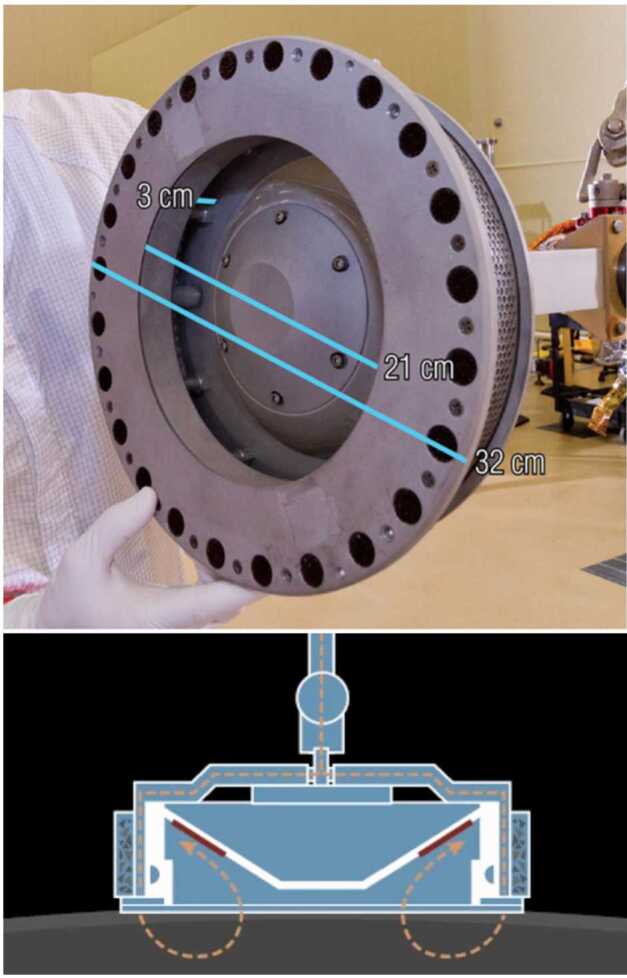
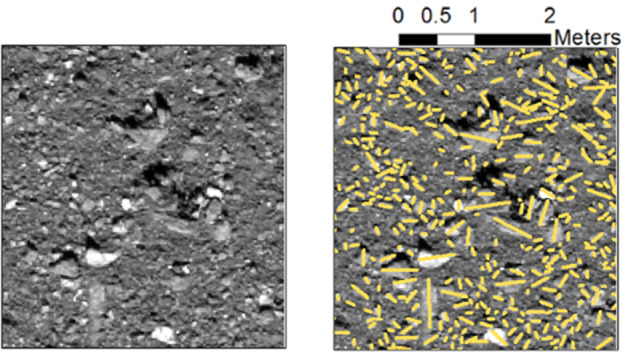
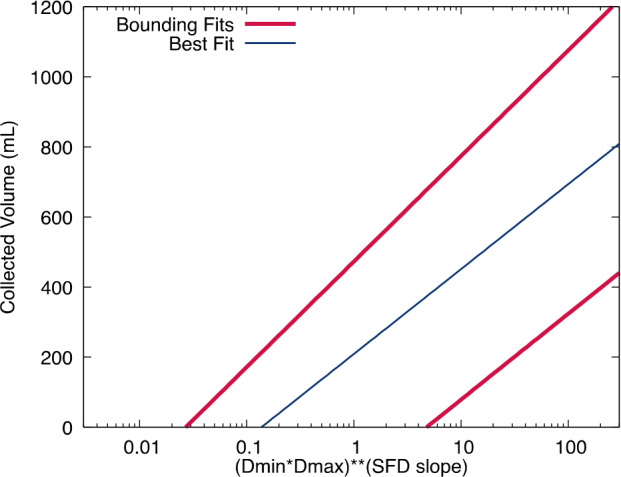
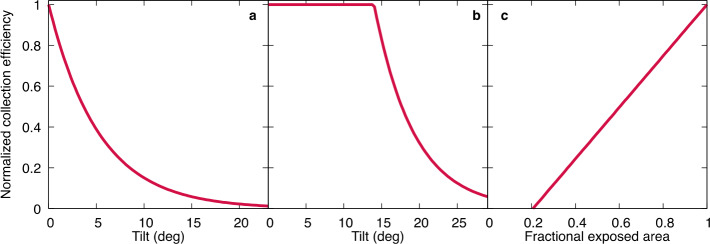
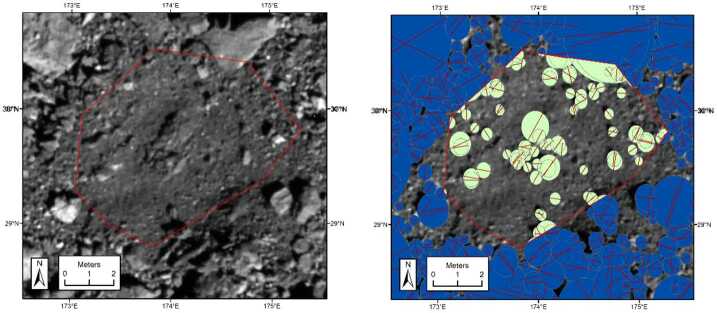
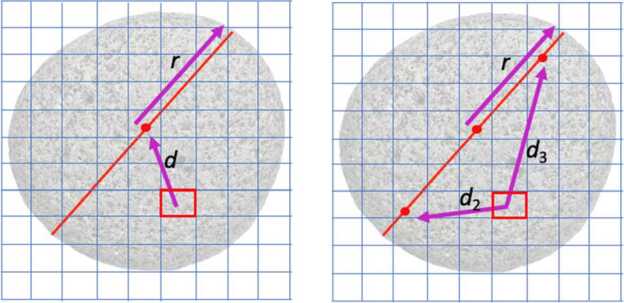
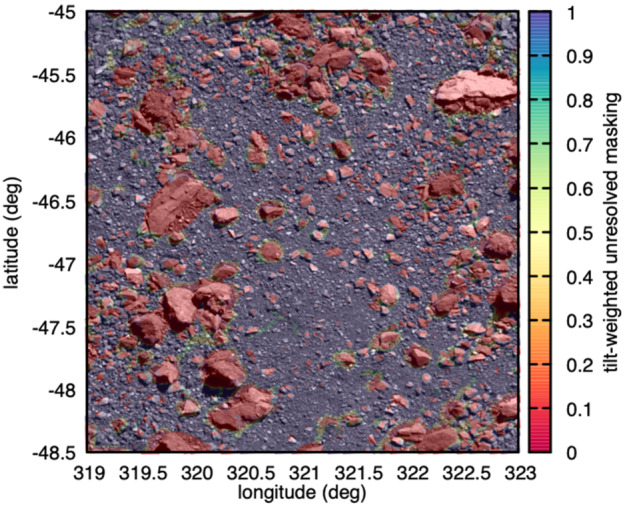
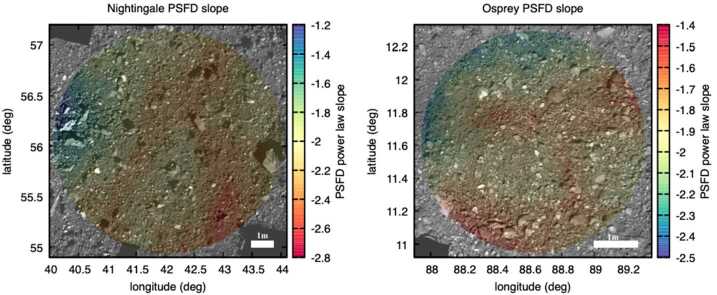
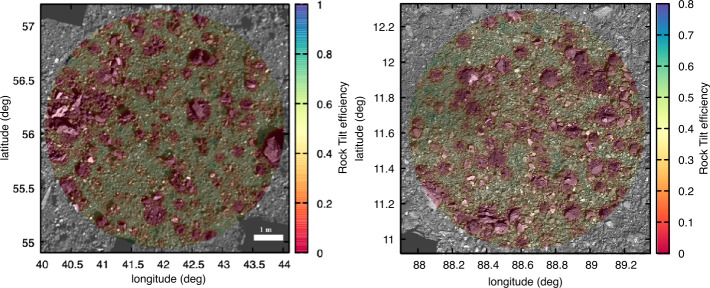
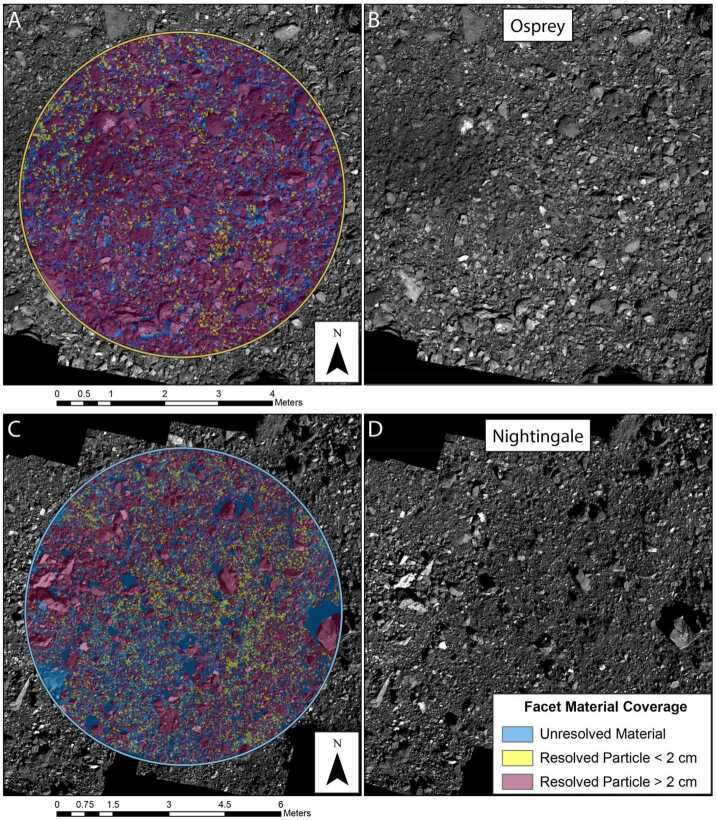
NASA's first asteroid sample return mission, OSIRIS-REx, collected a sample from the surface of near-Earth asteroid Bennu in October 2020 and will deliver it to Earth in September 2023. Selecting a sample collection site on Bennu's surface was challenging due to the surprising lack of large ponded deposits of regolith particles exclusively fine enough ( diameter) to be ingested by the spacecraft's Touch-and-Go Sample Acquisition Mechanism (TAGSAM). Here we describe the Sampleability Map of Bennu, which was constructed to aid in the selection of candidate sampling sites and to estimate the probability of collecting sufficient sample. "Sampleability" is a numeric score that expresses the compatibility of a given area's surface properties with the sampling mechanism. The algorithm that determines sampleability is a best fit functional form to an extensive suite of laboratory testing outcomes tracking the TAGSAM performance as a function of four observable properties of the target asteroid. The algorithm and testing were designed to measure and subsequently predict TAGSAM collection amounts as a function of the minimum particle size, maximum particle size, particle size frequency distribution, and the tilt of the TAGSAM head off the surface. The sampleability algorithm operated at two general scales, consistent with the resolution and coverage of data collected during the mission. The first scale was global and evaluated nearly the full surface. Due to Bennu's unexpected boulder coverage and lack of ponded regolith deposits, the global sampleability efforts relied heavily on additional strategies to find and characterize regions of interest based on quantifying and avoiding areas heavily covered by material too large to be collected. The second scale was site-specific and used higher-resolution data to predict collected mass at a given contact location. The rigorous sampleability assessments gave the mission confidence to select the best possible sample collection site and directly enabled successful collection of hundreds of grams of material.
美国国家航空航天局(NASA)的首个小行星样本返回任务——奥西里斯-雷克斯(OSIRIS-REx),于2020年10月从近地小行星贝努(Bennu)的表面采集了样本,并将于2023年9月将其送回地球。在贝努表面选择样本采集地点颇具挑战性,因为令人惊讶的是,几乎没有足够细(直径)的风化层颗粒形成大的堆积沉积物,以供航天器的“触即走”样本采集机制(TAGSAM)采集。在此,我们描述了贝努的可采样性地图,其构建目的是协助选择候选采样地点,并估计采集到足够样本的概率。“可采样性”是一个数值分数,用于表示给定区域的表面特性与采样机制的兼容性。确定可采样性的算法是对一系列广泛的实验室测试结果的最佳拟合函数形式,这些测试跟踪了TAGSAM的性能与目标小行星的四个可观测属性的关系。该算法和测试旨在测量并随后预测TAGSAM的采集量与最小颗粒尺寸、最大颗粒尺寸、颗粒尺寸频率分布以及TAGSAM头部与表面的倾斜度之间的函数关系。可采样性算法在两个一般尺度上运行,这与任务期间收集的数据的分辨率和覆盖范围一致。第一个尺度是全局尺度,评估几乎整个表面。由于贝努意外的巨石覆盖以及缺乏堆积的风化层沉积物,全局可采样性工作严重依赖于其他策略,即通过量化和避开被太大而无法采集的物质严重覆盖的区域,来寻找和表征感兴趣的区域。第二个尺度是特定地点尺度,使用更高分辨率的数据来预测给定接触位置的采集质量。严格的可采样性评估使该任务有信心选择最佳的样本采集地点,并直接促成了数百克物质的成功采集。