Department of Medicine Solna, Division of Infectious Diseases, Karolinska Institutet, Department of Infectious Diseases, Karolinska University Hospital, Center for Molecular Medicine, Stockholm, Sweden.
Department of Medical Microbiology and Infectious Diseases, University of Manitoba, Winnipeg, Canada.
PLoS Pathog. 2022 May 9;18(5):e1010494. doi: 10.1371/journal.ppat.1010494. eCollection 2022 May.
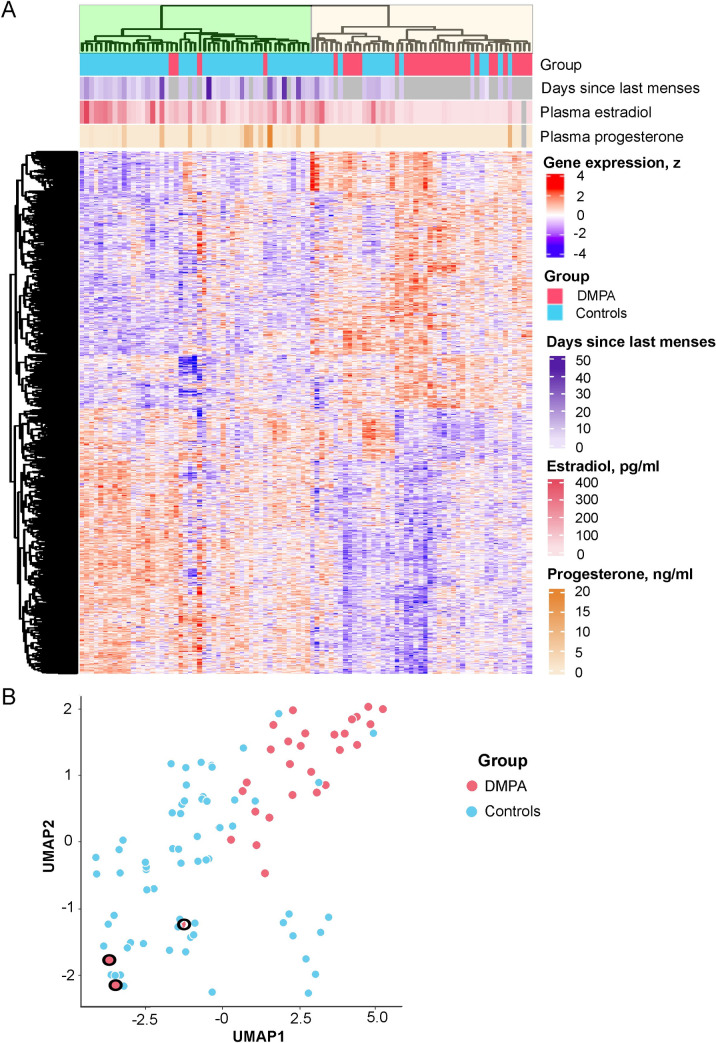
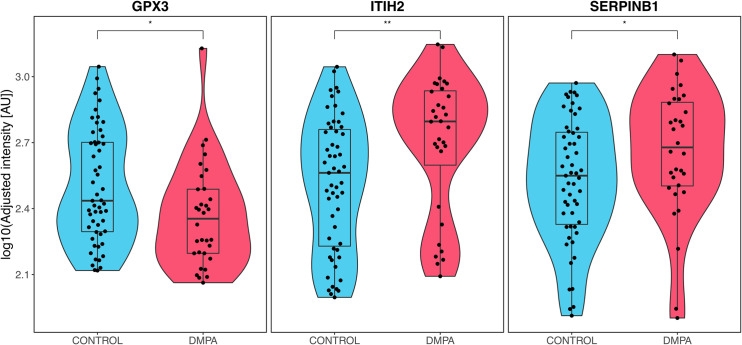
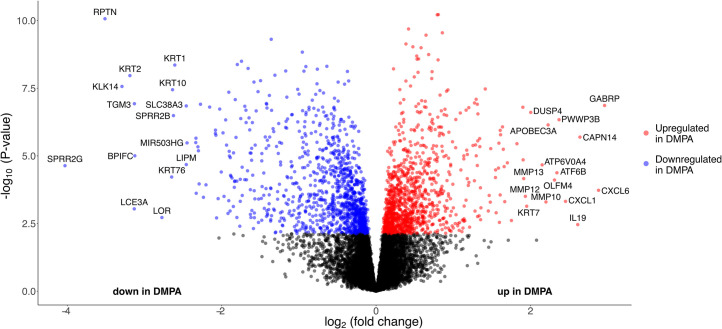
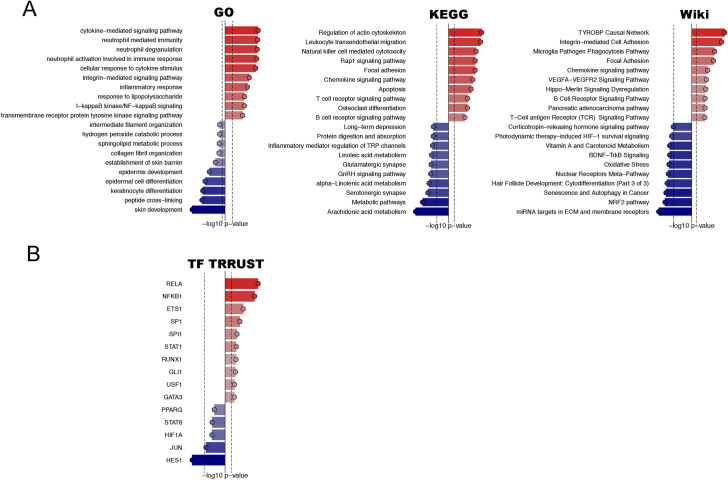
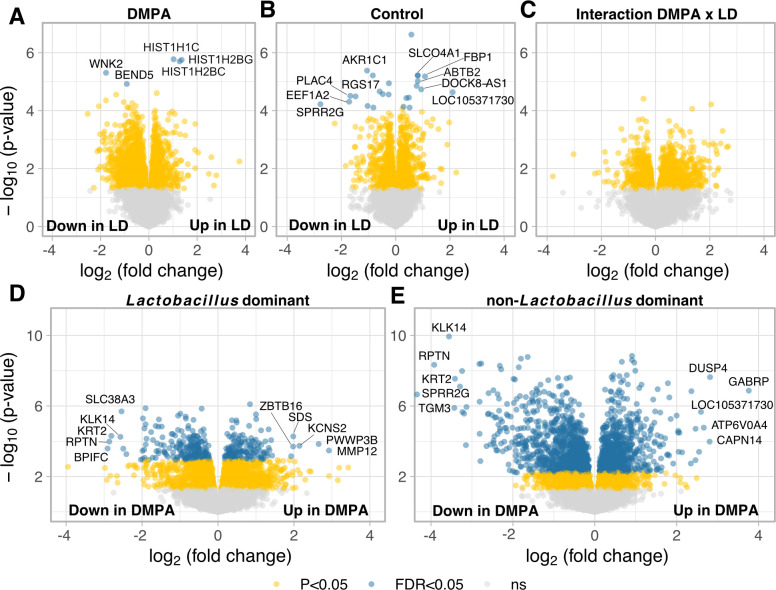
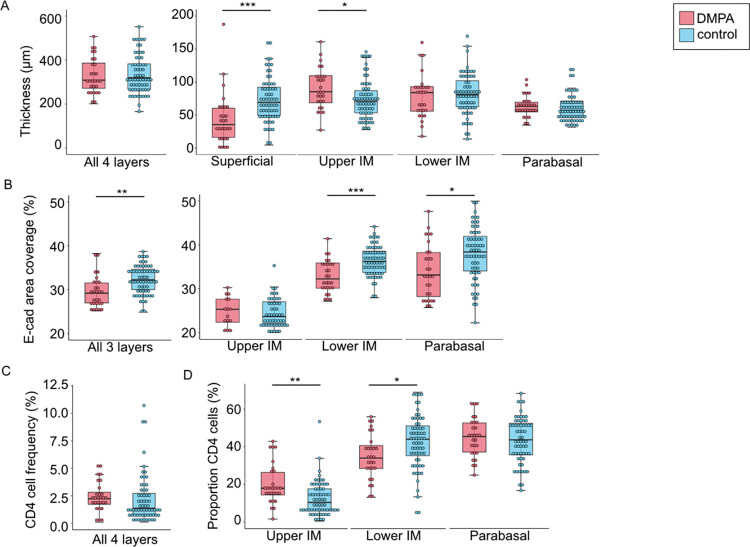
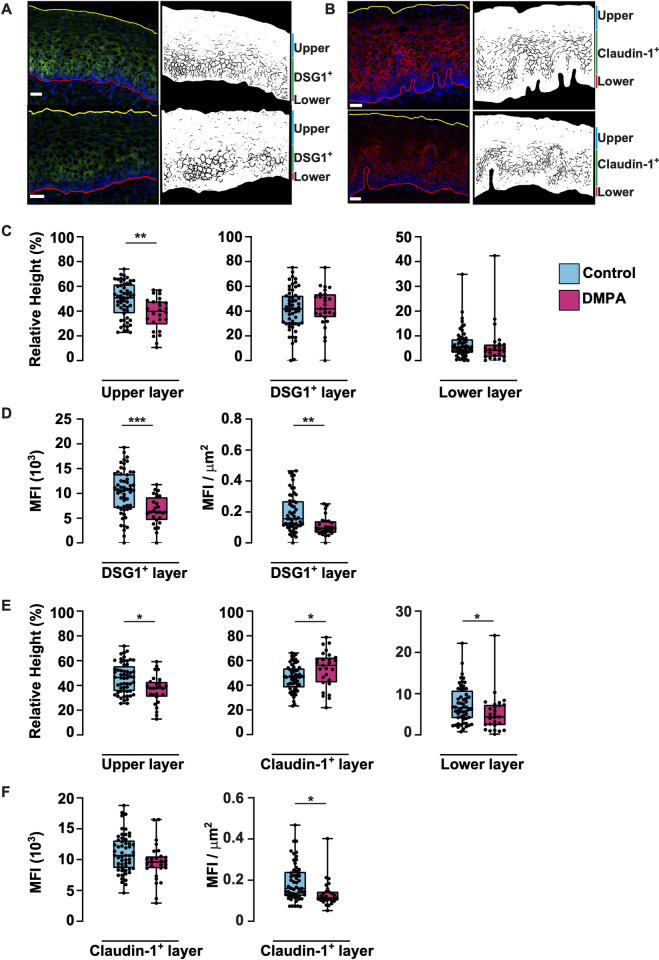
Depot medroxyprogesterone acetate (DMPA) is an injectable hormonal contraceptive used by millions of women worldwide. However, experimental studies have associated DMPA use with genital epithelial barrier disruption and mucosal influx of human immunodeficiency virus (HIV) target cells. We explored the underlying molecular mechanisms of these findings. Ectocervical biopsies and cervicovaginal lavage (CVL) specimens were collected from HIV-seronegative Kenyan sex workers using DMPA (n = 32) or regularly cycling controls (n = 64). Tissue samples were assessed by RNA-sequencing and quantitative imaging analysis, whereas protein levels were measured in CVL samples. The results suggested a DMPA-associated upregulation of genes involved in immune regulation, including genes associated with cytokine-mediated signaling and neutrophil-mediated immunity. A transcription factor analysis further revealed DMPA-associated upregulation of RELA and NFKB1 which are involved in several immune activation pathways. Several genes significantly downregulated in the DMPA versus the control group were involved in epithelial structure and function, including genes encoding keratins, small proline-rich proteins, and cell-cell adhesion proteins. Pathway analyses indicated DMPA use was associated with immune activation and suppression of epithelium development, including keratinization and cornification processes. The cervicovaginal microbiome composition (Lactobacillus dominant and non-Lactobacillus dominant) had no overall interactional impact on the DMPA associated tissue gene expression. Imaging analysis verified that DMPA use was associated with an impaired epithelial layer as illustrated by staining for the selected epithelial junction proteins E-cadherin, desmoglein-1 and claudin-1. Additional staining for CD4+ cells revealed a more superficial location of these cells in the ectocervical epithelium of DMPA users versus controls. Altered protein levels of SERPINB1 and ITIH2 were further observed in the DMPA group. Identification of specific impaired epithelial barrier structures at the gene expression level, which were verified at the functional level by tissue imaging analysis, illustrates mechanisms by which DMPA adversely may affect the integrity of the genital mucosa.
醋酸甲羟孕酮长效避孕针(DMPA)是一种被全球数百万女性使用的可注射荷尔蒙避孕药。然而,实验研究表明,DMPA 的使用与生殖道上皮屏障破坏和人免疫缺陷病毒(HIV)靶细胞的黏膜内流有关。我们探索了这些发现的潜在分子机制。我们使用 DMPA(n=32)或定期循环对照(n=64)从肯尼亚性工作者的宫颈阴道灌洗液(CVL)标本中收集宫颈阴道活检组织样本。通过 RNA 测序和定量成像分析评估组织样本,而 CVL 样本中的蛋白水平则通过测量得出。结果表明,DMPA 相关的免疫调节基因上调,包括与细胞因子介导的信号和中性粒细胞介导的免疫相关的基因。转录因子分析进一步表明,DMPA 相关的 RELA 和 NFKB1 上调,这些基因参与多种免疫激活途径。DMPA 组与对照组相比,多个基因下调,这些基因参与上皮结构和功能,包括编码角蛋白、小脯氨酸丰富蛋白和细胞-细胞粘附蛋白的基因。通路分析表明,DMPA 的使用与免疫激活和上皮发育抑制有关,包括角化和角质化过程。阴道微生物组组成(以乳杆菌为主和不以乳杆菌为主)对 DMPA 相关组织基因表达没有整体相互作用。成像分析验证了 DMPA 的使用与上皮层受损有关,这表现在对所选上皮连接蛋白 E-钙粘蛋白、桥粒蛋白-1 和紧密连接蛋白-1 的染色中。对 CD4+细胞的额外染色显示,与对照组相比,DMPA 使用者的宫颈上皮中这些细胞的位置更浅。还观察到 DMPA 组中 SERPINB1 和 ITIH2 的蛋白水平发生改变。在基因表达水平上鉴定出特定的上皮屏障结构受损,这通过组织成像分析在功能水平上得到验证,说明了 DMPA 可能对生殖道黏膜完整性产生不利影响的机制。