Division of Infectious Diseases and Vaccinology, School of Public Health, University of California, Berkeley, Berkeley, CA, 94720-3370, USA; Instituto de Medicina Tropical, Faculdade de Medicina da Universidade de São Paulo, São Paulo, SP, 05403000, Brazil.
Division of Infectious Diseases and Vaccinology, School of Public Health, University of California, Berkeley, Berkeley, CA, 94720-3370, USA.
Antiviral Res. 2022 Jul;203:105330. doi: 10.1016/j.antiviral.2022.105330. Epub 2022 May 6.
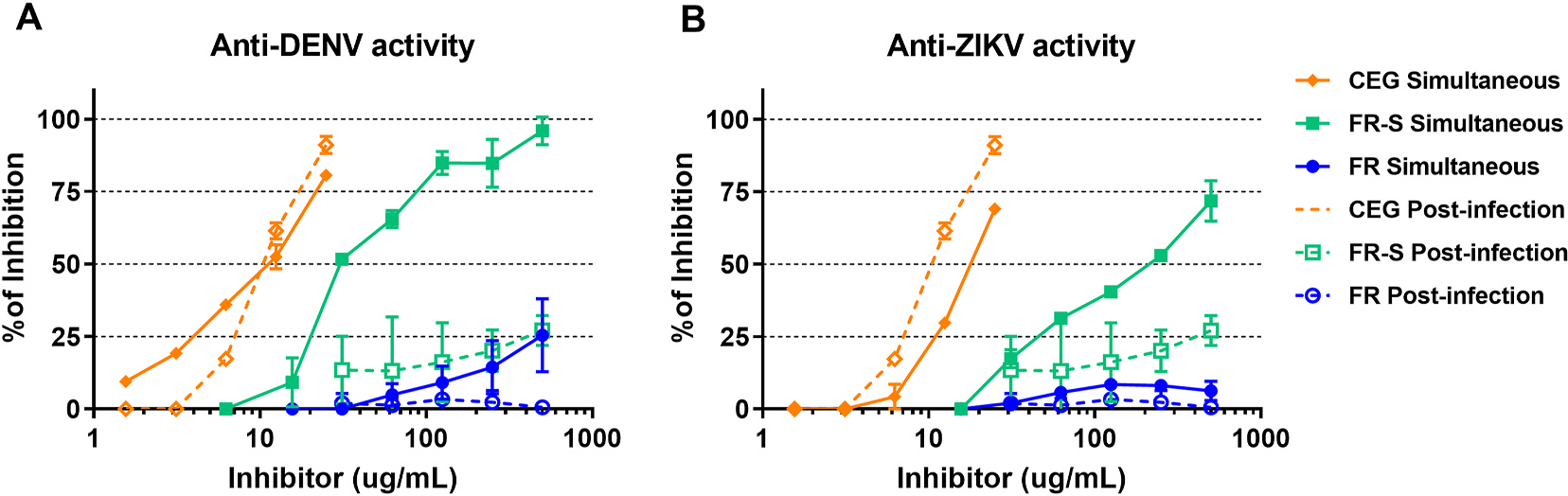
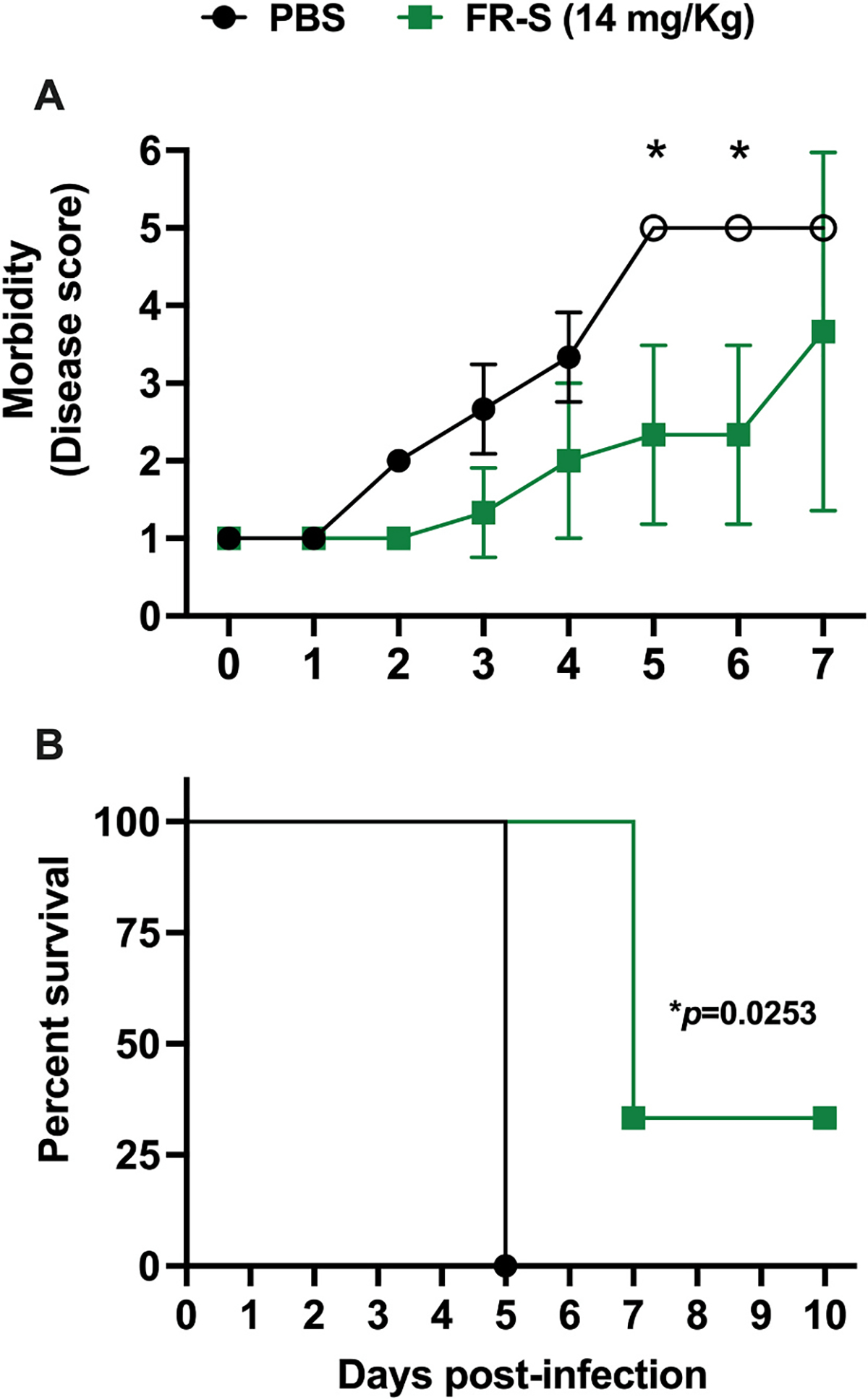
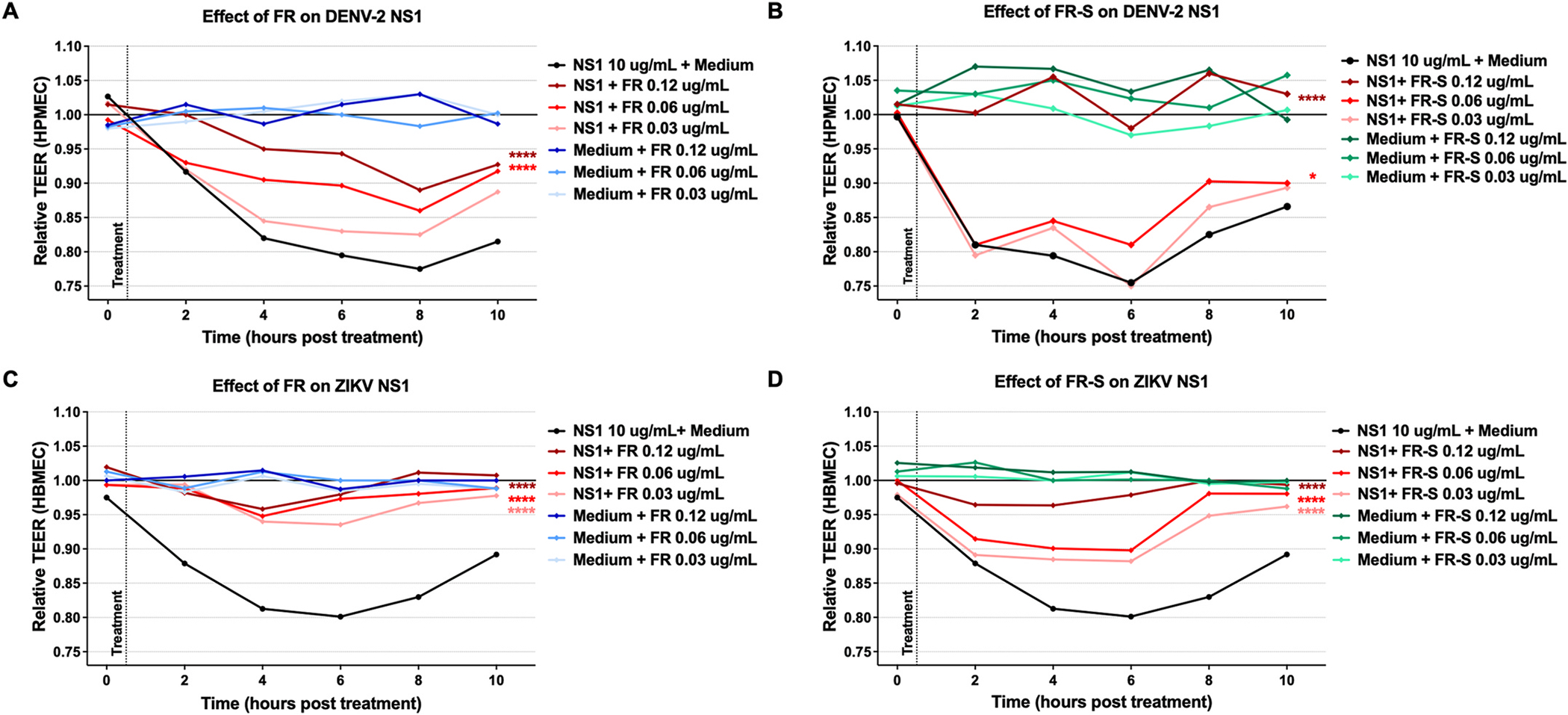
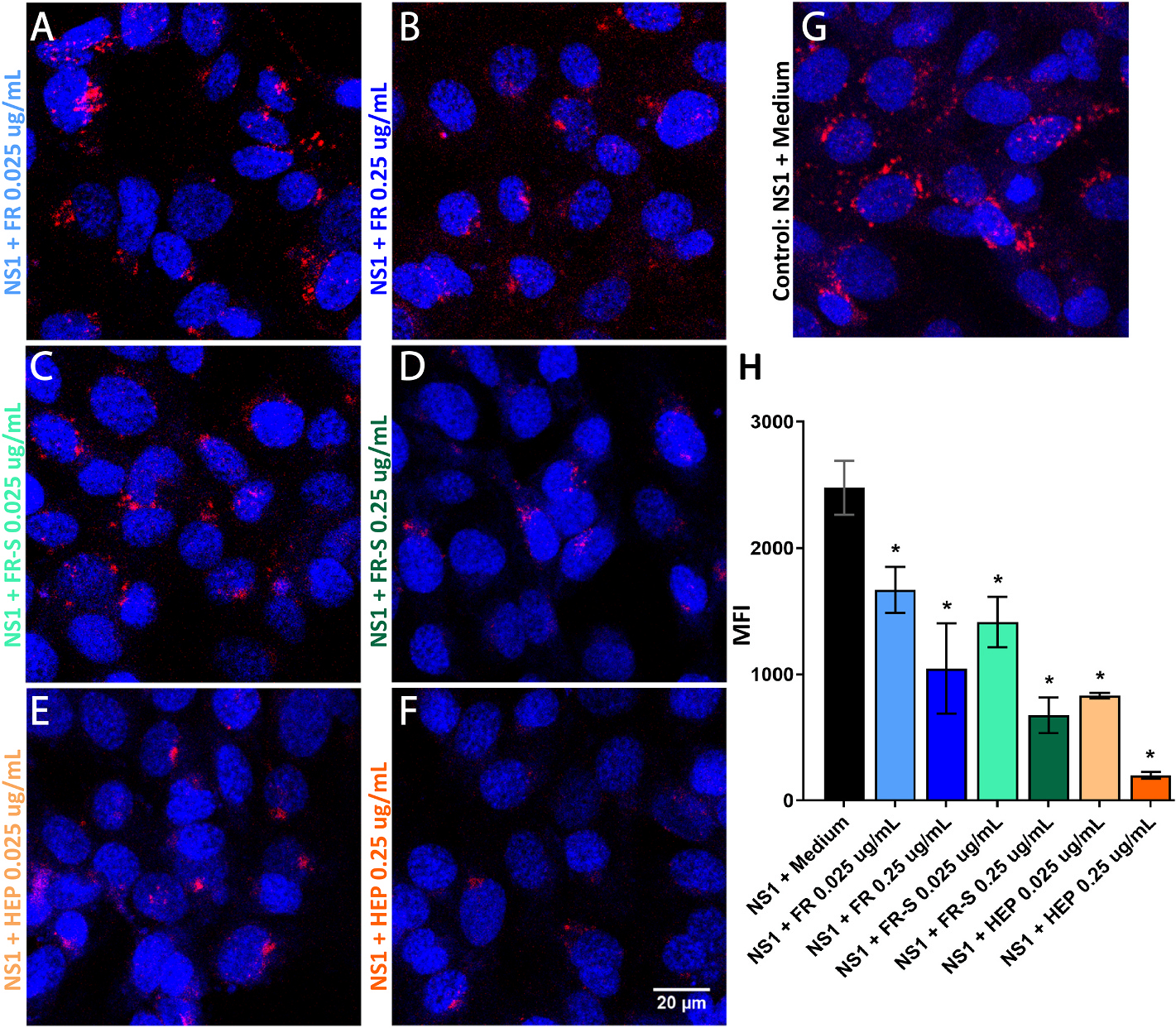
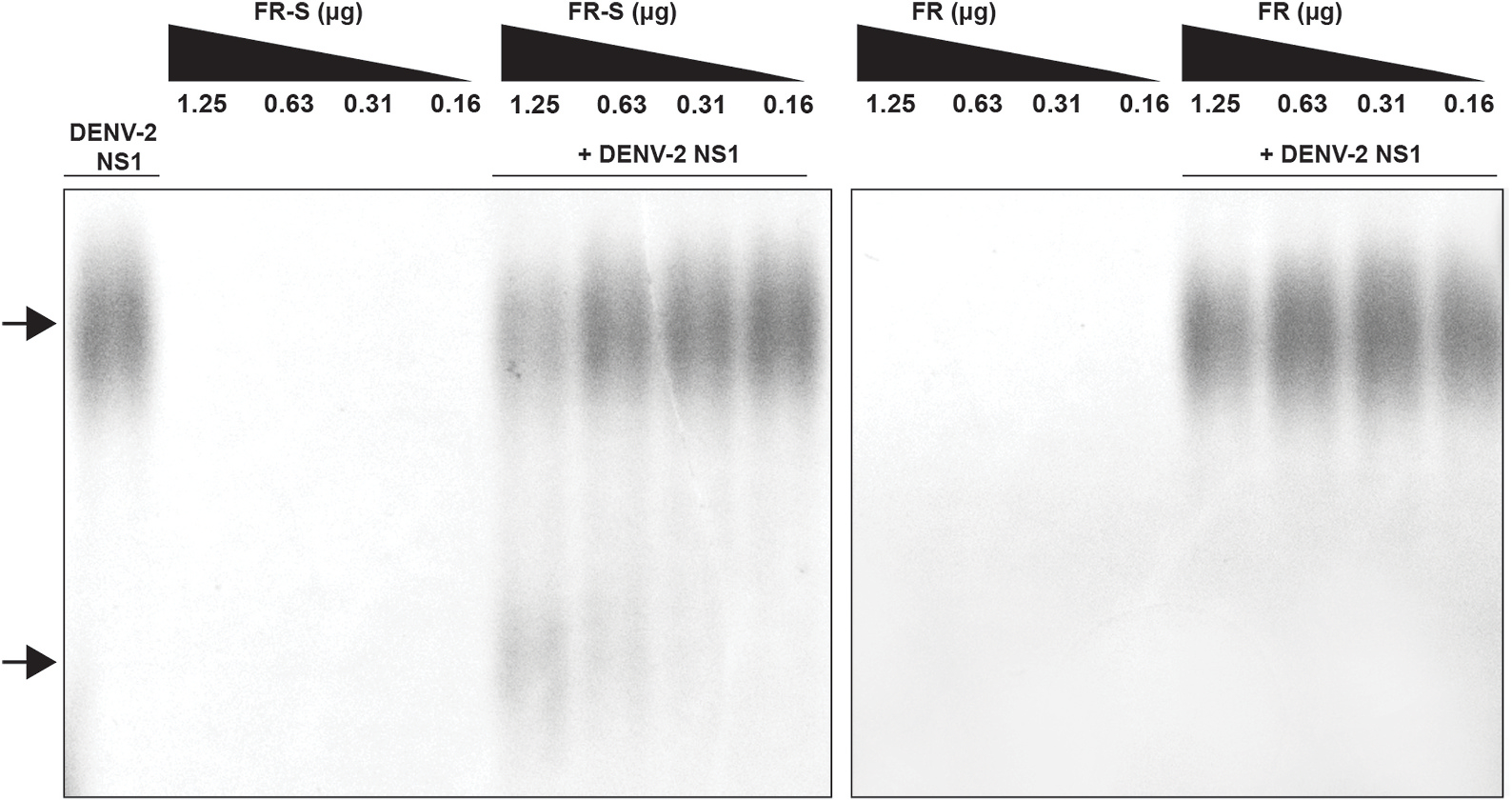
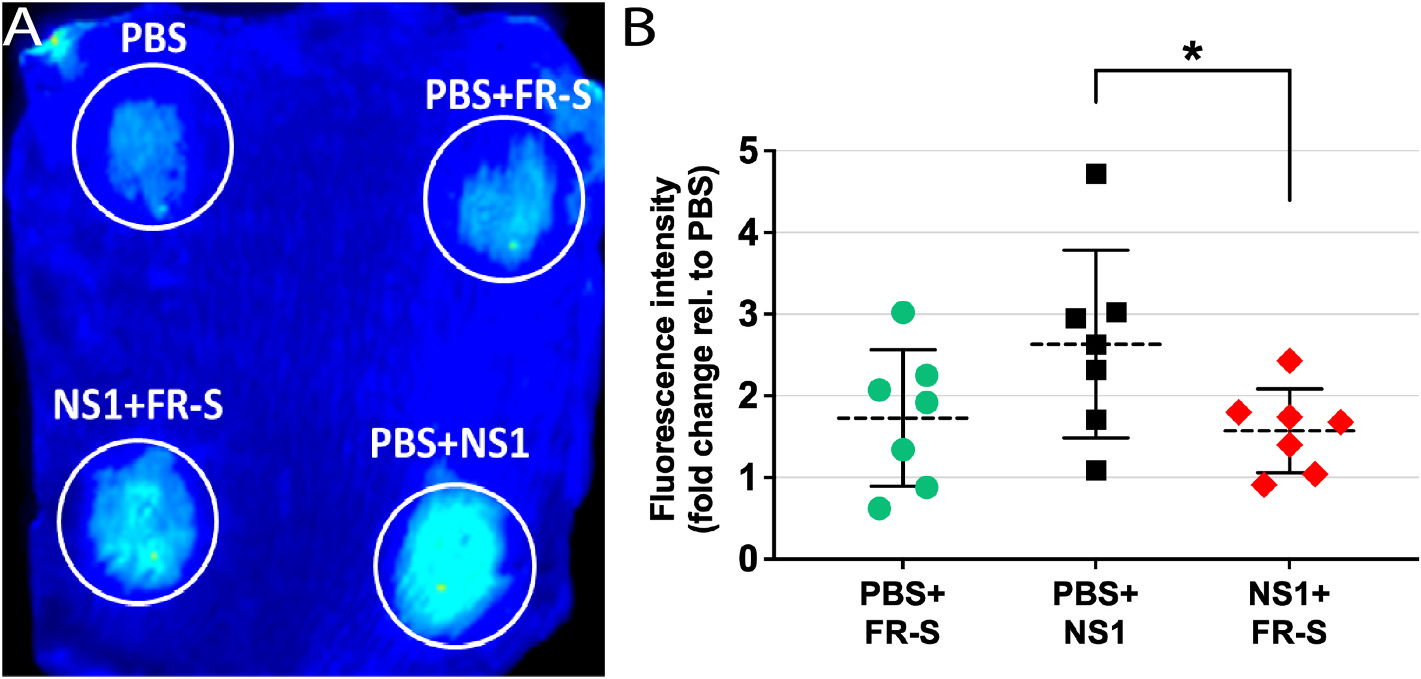
Despite substantial morbidity and mortality, no therapeutic agents exist for treatment of dengue or Zika, and the currently available dengue vaccine is only recommended for dengue virus (DENV)-immune individuals. Thus, development of therapeutic and/or preventive drugs is urgently needed. DENV and Zika virus (ZIKV) nonstructural protein 1 (NS1) can directly trigger endothelial barrier dysfunction and induce inflammatory responses, contributing to vascular leak in vivo. Here we evaluated the efficacy of the (1-6,1-3)-β-D-glucan isolated from Agaricus subrufescens fruiting bodies (FR) and its sulfated derivative (FR-S) against DENV-2 and ZIKV infection and NS1-mediated pathogenesis. FR-S, but not FR, significantly inhibited DENV-2 and ZIKV replication in human monocytic cells (EC = 36.5 and 188.7 μg/mL, respectively) when added simultaneously with viral infection. No inhibitory effect was observed when FR or FR-S were added post-infection, suggesting inhibition of viral entry as a mechanism of action. In an in vitro model of endothelial permeability using human pulmonary microvascular endothelial cells (HPMECs), FR and FR-S (0.12 μg/mL) inhibited DENV-2 NS1- and ZIKV NS1-induced hyperpermeability by 50% and 100%, respectively, as measured by Trans-Endothelial Electrical Resistance. Treatment with 0.25 μg/mL of FR and FR-S inhibited DENV-2 NS1 binding to HPMECs. Further, FR-S significantly reduced intradermal hyperpermeability induced by DENV-2 NS1 in C57BL/6 mice and protected against DENV-induced morbidity and mortality in a murine model of dengue vascular leak syndrome. Thus, we demonstrate efficacy of FR-S against DENV and ZIKV infection and NS1-induced endothelial permeability in vitro and in vivo. These findings encourage further exploration of FR-S and other glycan candidates for flavivirus treatment alone or in combination with compounds with different mechanisms of action.
尽管登革热和寨卡病毒的发病率和死亡率很高,但目前还没有治疗这些疾病的药物,而且现有的登革热疫苗仅推荐用于登革热病毒(DENV)免疫个体。因此,迫切需要开发治疗和/或预防药物。登革热病毒和寨卡病毒(ZIKV)非结构蛋白 1(NS1)可直接触发内皮屏障功能障碍并诱导炎症反应,导致体内血管渗漏。在这里,我们评估了从红平菇子实体中分离得到的(1-6,1-3)-β-D-葡聚糖(FR)及其硫酸化衍生物(FR-S)对 DENV-2 和 ZIKV 感染和 NS1 介导的发病机制的疗效。当与病毒感染同时添加时,FR-S 而非 FR 可显著抑制人单核细胞(EC = 36.5 和 188.7 μg/mL)中的 DENV-2 和 ZIKV 复制。当在感染后添加 FR 或 FR-S 时,未观察到抑制作用,这表明抑制病毒进入是一种作用机制。在使用人肺微血管内皮细胞(HPMECs)的内皮通透性体外模型中,FR 和 FR-S(0.12 μg/mL)分别抑制 DENV-2 NS1 和 ZIKV NS1 诱导的高通透性 50%和 100%,如跨内皮电阻测量所示。用 0.25 μg/mL 的 FR 和 FR-S 处理可抑制 DENV-2 NS1 与 HPMECs 的结合。此外,FR-S 可显著降低 DENV-2 NS1 在 C57BL/6 小鼠皮内引起的高通透性,并在登革热血管渗漏综合征的小鼠模型中预防 DENV 引起的发病率和死亡率。因此,我们证明了 FR-S 在体外和体内对 DENV 和 ZIKV 感染和 NS1 诱导的内皮通透性的疗效。这些发现鼓励进一步探索 FR-S 和其他糖候选物,以单独或与具有不同作用机制的化合物联合用于黄病毒治疗。