Orthopedic and Traumatology Department, Faculty of Medicine, Sohag University, Sohag, Egypt.
J Orthop Traumatol. 2022 May 10;23(1):24. doi: 10.1186/s10195-022-00643-w.
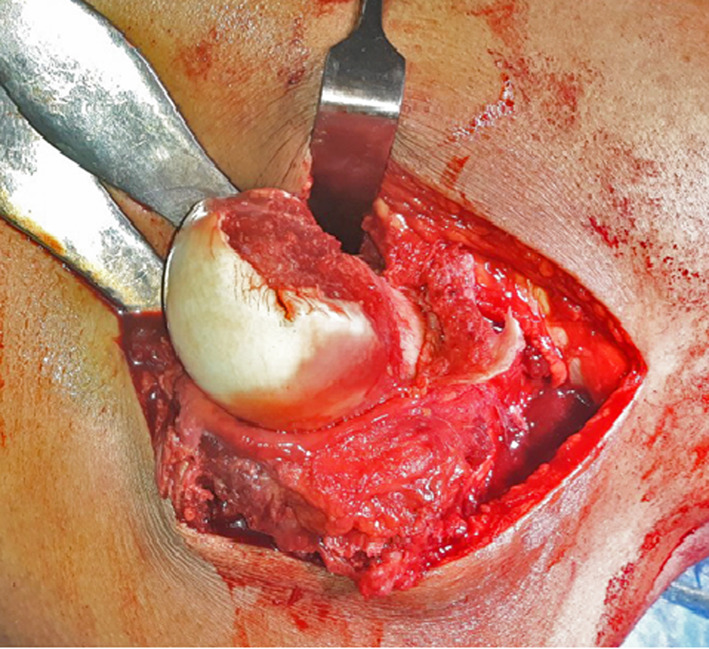
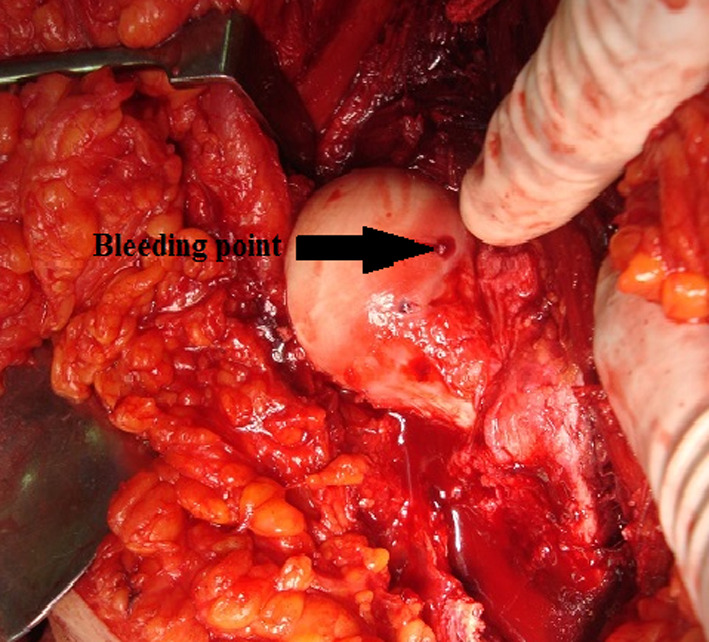
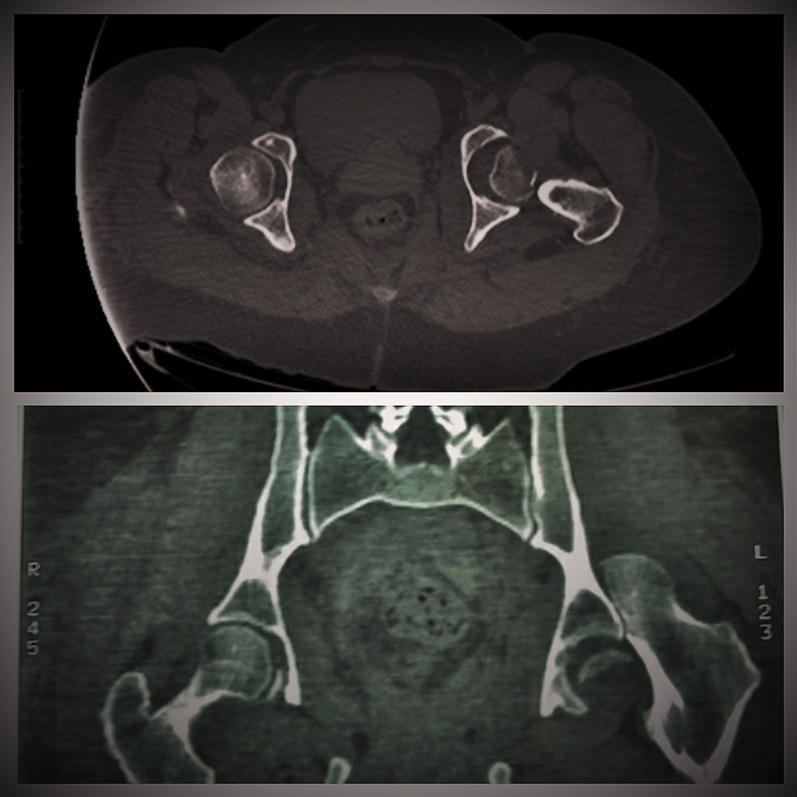
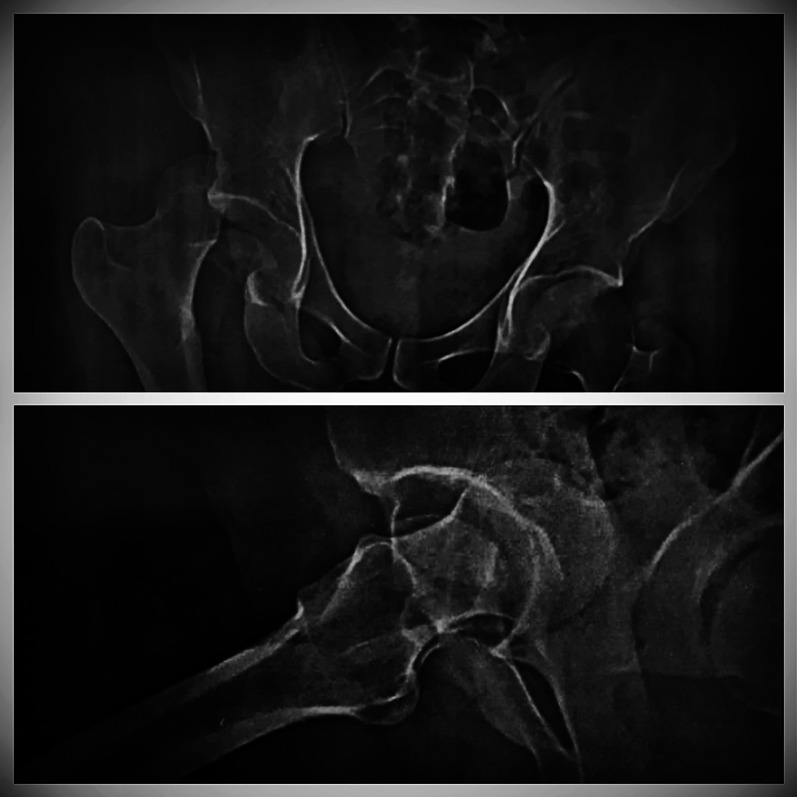
Posterior hip dislocation is the commonest type of hip dislocation. It is associated with femoral head fracture in 7% of cases. Urgent and congruent hip reduction is mandatory to improve clinical outcomes and avoid irreversible complications. The purpose of this study is to assess the safety and functional and radiological outcomes of surgical hip dislocation by Ganz technique for treatment of femoral head fracture.
In this retrospective study, 18 cases of femoral head fracture were included. Six cases had Pipkin type I and 12 had Pipkin type II fracture. They were treated through surgical hip dislocation. All cases were followed up for at least 24 months. Matta's criteria were used for radiological evaluation (plain radiographs). Functional evaluation was done using Harris Hip Score and modified Merle d'Aubigne and Postel score at final follow-up.
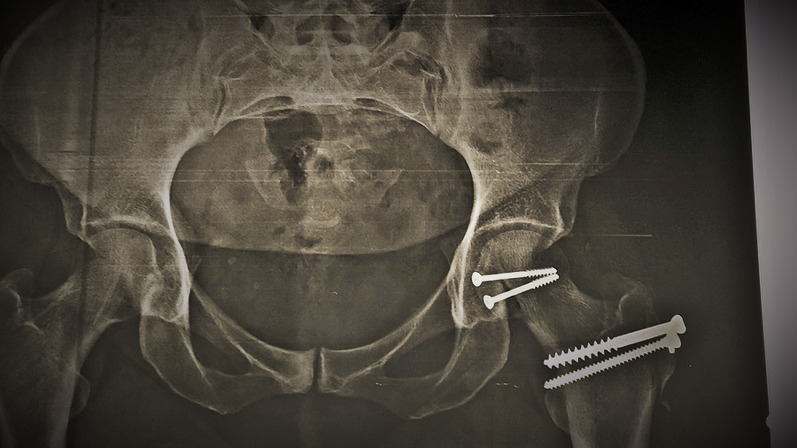
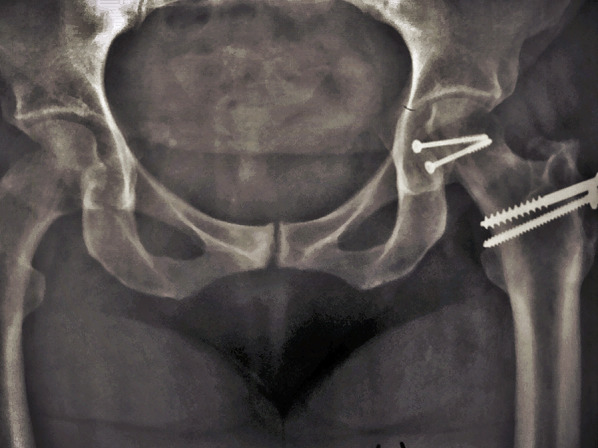
No patients were lost during the follow-up period. No signs of infection or wound dehiscence were noted in this study. There was one case of osteonecrosis. All cases had labral injury, which was debrided. None of our cases needed suture anchor repair of the labrum. Radiographical evaluation according to Matta's criteria yielded anatomic fracture reduction in 17 patients but imperfect in 1 patient. According to Harris Hip Score, four Pipkin type I cases were rated as excellent and two as good. Among cases of Pipkin type II fracture, six were rated as excellent, four as good, one as fair, and one as poor. According to modified Merle d'Aubigne and Postel score, 11 cases had excellent results, 5 cases were rated as good, one as fair, while one case had poor results.
Open reduction and internal fixation of femoral head fracture using surgical hip dislocation through Ganz approach is a viable treatment option and provides satisfactory results with low complication rate.
髋关节后脱位是最常见的髋关节脱位类型。在 7%的病例中,它与股骨头骨折有关。为了改善临床结果并避免不可逆转的并发症,必须进行紧急和一致的髋关节复位。本研究的目的是评估通过 Ganz 技术行髋关节脱位治疗股骨头骨折的安全性以及功能和影像学结果。
在这项回顾性研究中,共纳入 18 例股骨头骨折患者。6 例为 Pipkin Ⅰ型,12 例为 Pipkin Ⅱ型。所有患者均通过手术髋关节脱位进行治疗。所有病例均至少随访 24 个月。采用 Matta 标准进行影像学评估(普通 X 线片)。在最终随访时,使用 Harris 髋关节评分和改良的 Merle d'Aubigne 和 Postel 评分进行功能评估。
在随访期间,没有患者丢失。本研究中没有感染或伤口裂开的迹象。有 1 例发生骨坏死。所有病例均有盂唇损伤,均进行了清创。我们的病例均无需盂唇缝合锚修复。根据 Matta 标准的影像学评估,17 例患者获得解剖复位,但 1 例患者复位不完全。根据 Harris 髋关节评分,4 例 Pipkin Ⅰ型病例评为优秀,2 例评为良好。在 Pipkin Ⅱ型骨折病例中,6 例评为优秀,4 例评为良好,1 例评为可,1 例评为差。根据改良的 Merle d'Aubigne 和 Postel 评分,11 例结果为优秀,5 例为良好,1 例为可,1 例为差。
通过 Ganz 入路行髋关节切开复位内固定治疗股骨头骨折是一种可行的治疗选择,具有并发症发生率低、效果满意的优点。