Sukumaran Sri Devi, Faraj Fadhil Lafta, Lee Vannajan Sanghiran, Othman Rozana, Buckle Michael J C
Department of Pharmacy, Faculty of Medicine, University of Malaya 50603 Kuala Lumpur Malaysia
Drug Design and Development Research Group (DDDRG), University of Malaya 50603 Kuala Lumpur Malaysia.
RSC Adv. 2018 Feb 19;8(14):7818-7831. doi: 10.1039/c7ra11872d. eCollection 2018 Feb 14.
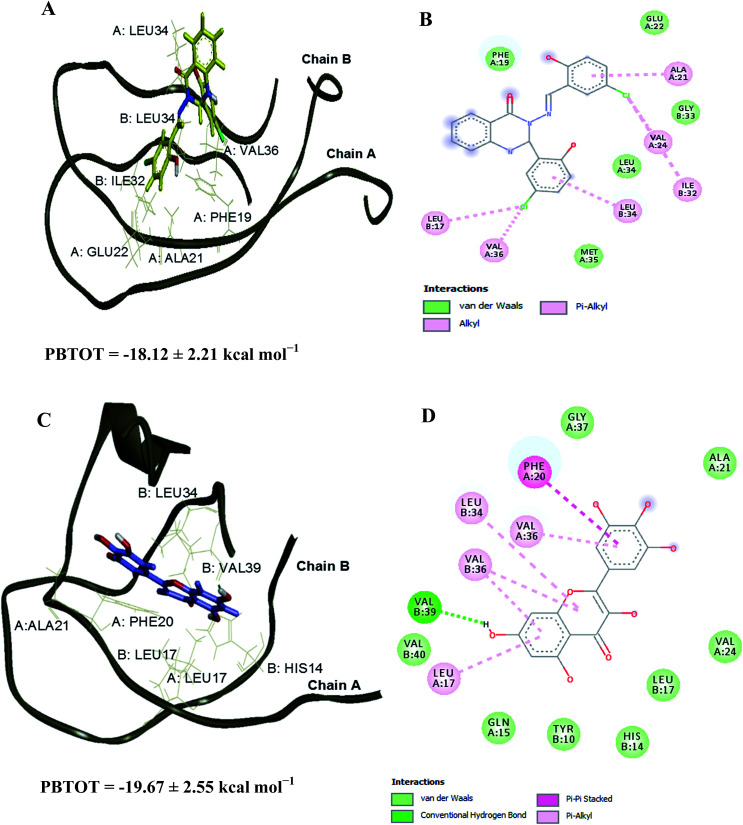
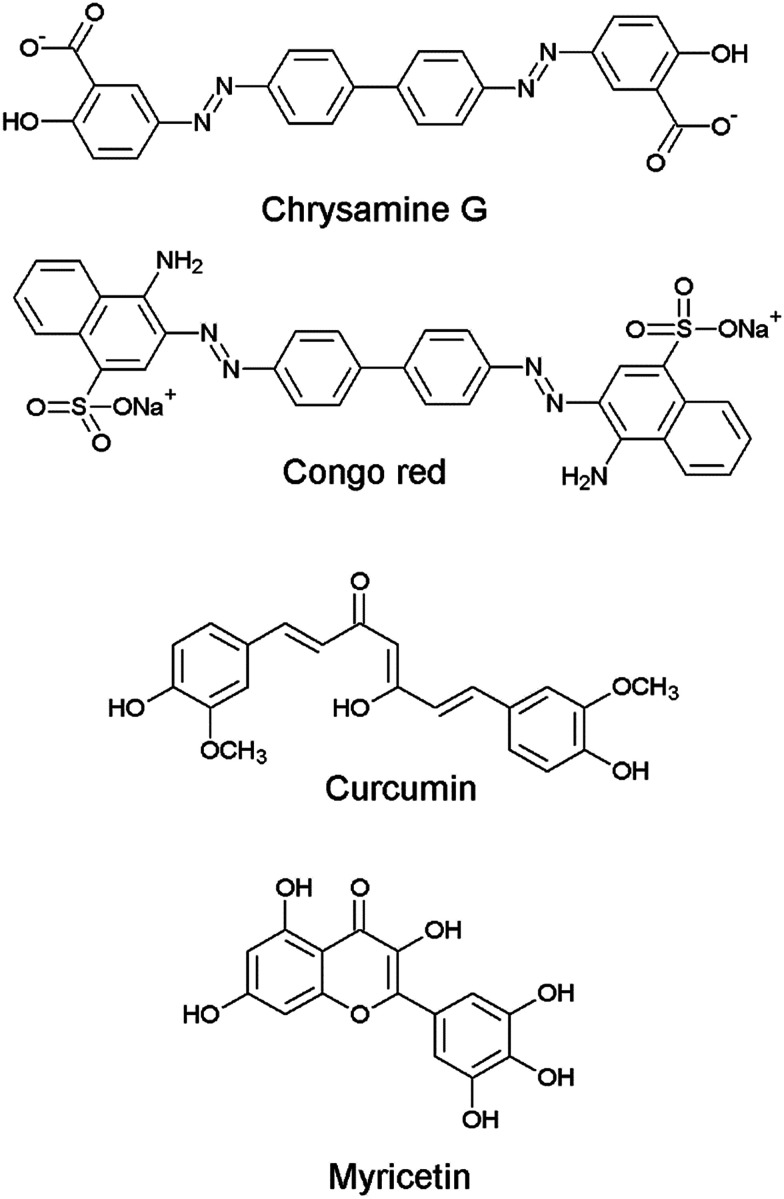
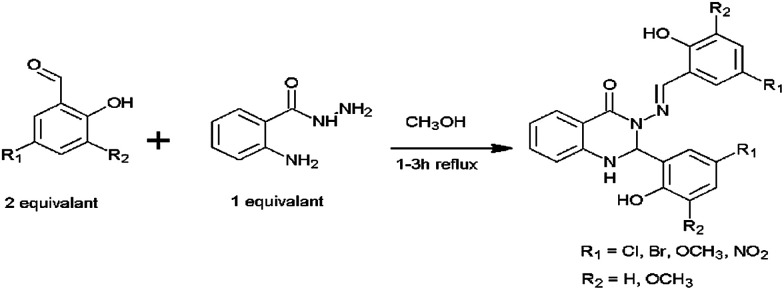
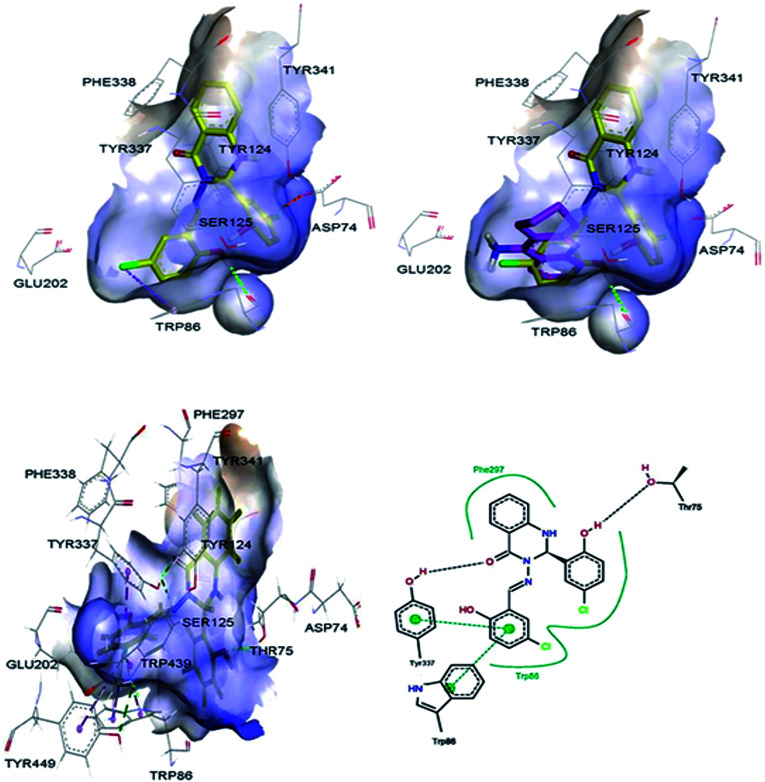
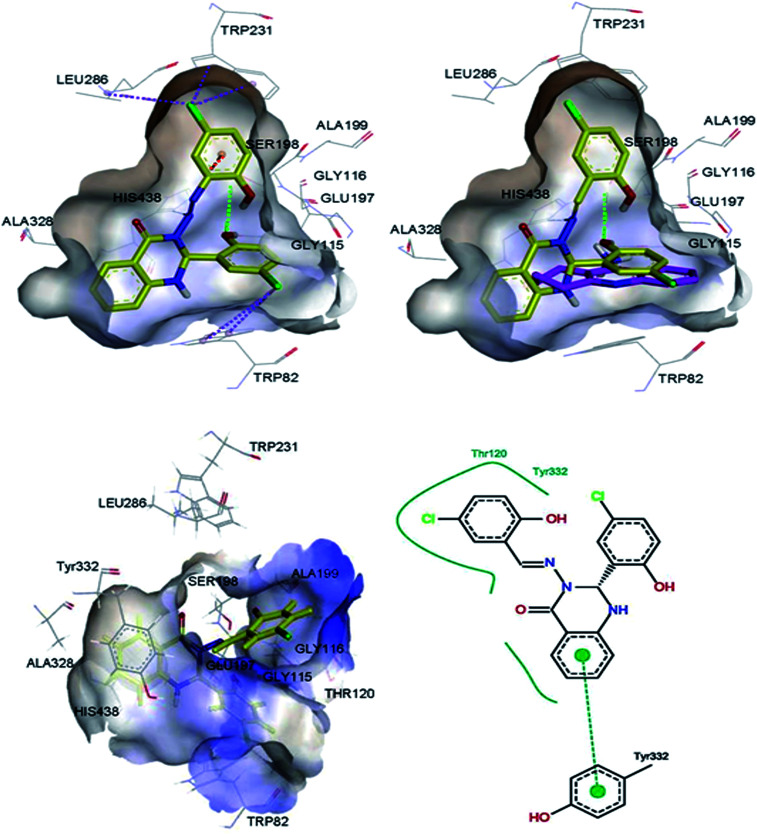
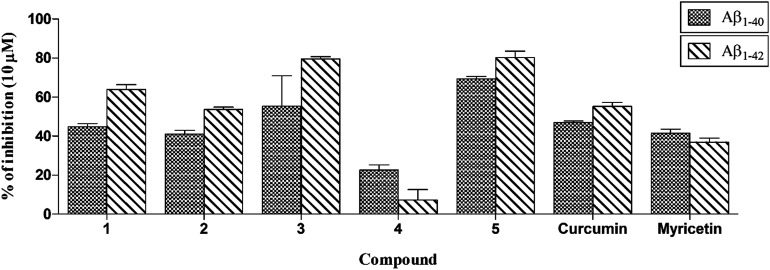
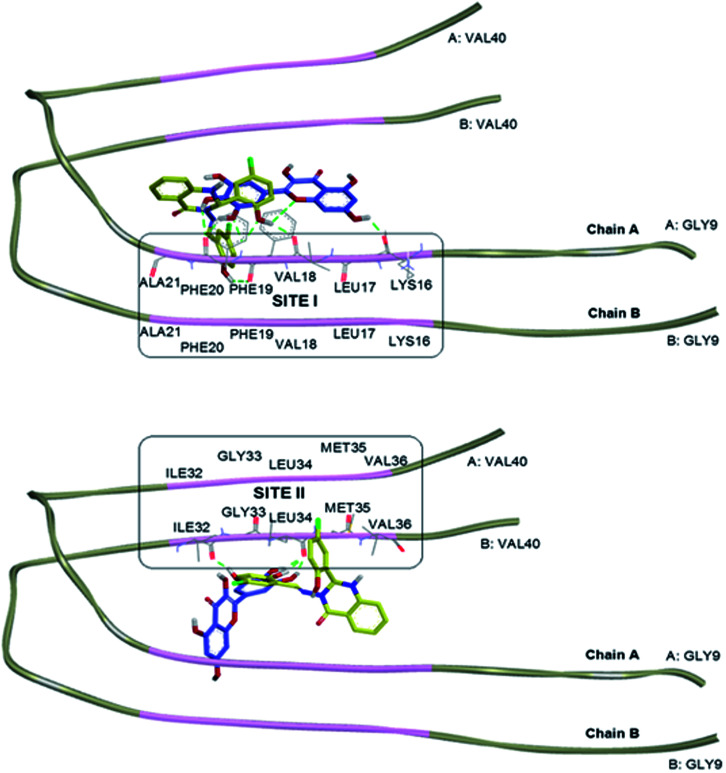
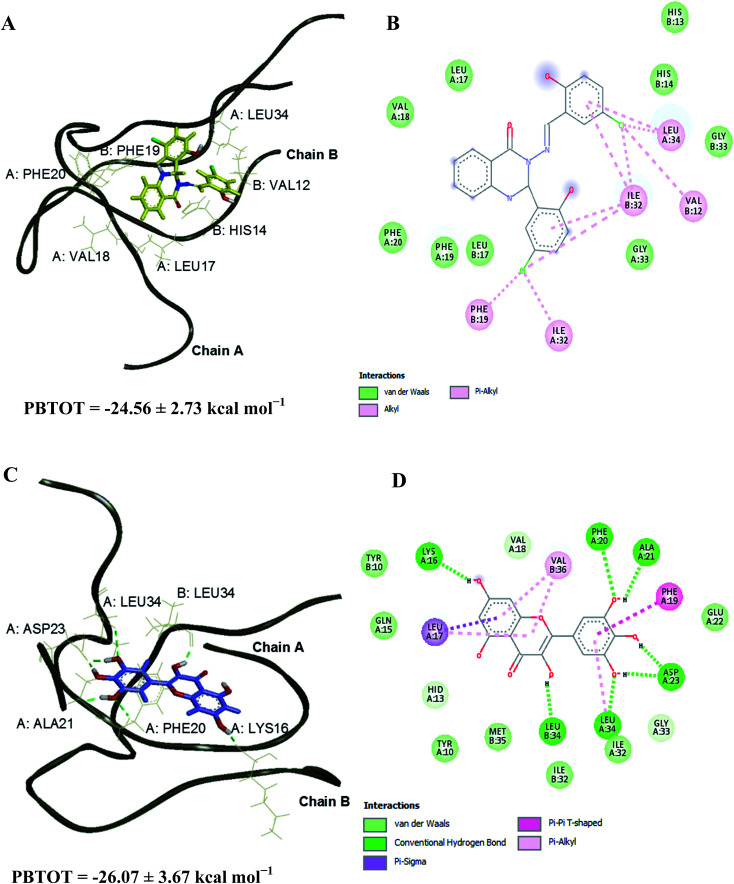
A series of 2-aryl-3-(arylideneamino)-1,2-dihydroquinazoline-4(3)-ones were evaluated as inhibitors of acetylcholinesterase (AChE), butyrylcholinesterase (BuChE) and self-induced β-amyloid (Aβ) aggregation. All the compounds were found to inhibit both forms of cholinesterase (IC in the range 4-32 μM) with some selectivity for BuChE. Most of the compounds also showed self-induced Aβ aggregation inhibitory activities, which were comparable or higher than those obtained for reference compounds, curcumin and myricetin. Docking and molecular dynamics (MD) simulation experiments suggested that the compounds are able to disrupt the dimer form of Aβ.
对一系列2-芳基-3-(亚芳基氨基)-1,2-二氢喹唑啉-4(3)-酮进行了评估,以确定它们作为乙酰胆碱酯酶(AChE)、丁酰胆碱酯酶(BuChE)抑制剂以及对自身诱导的β-淀粉样蛋白(Aβ)聚集的抑制作用。发现所有化合物均能抑制两种形式的胆碱酯酶(IC范围为4-32 μM),对BuChE具有一定的选择性。大多数化合物还表现出自身诱导的Aβ聚集抑制活性,与参考化合物姜黄素和杨梅素相当或更高。对接和分子动力学(MD)模拟实验表明,这些化合物能够破坏Aβ的二聚体形式。