Wang Jun-Fang, Huang Li-Yuan, Bu Jian-Hua, Li Shao-Yong, Qin Su, Xu Yao-Wei, Liu Jun-Min, Su Cheng-Yong
Fu Xing Hospital, Capital Medical University Beijing 100038 China.
School of Materials Science and Engineering, School of Chemistry, Sun Yat-sen University Guangzhou 510275 China
RSC Adv. 2018 Jun 20;8(40):22530-22535. doi: 10.1039/c8ra02146e. eCollection 2018 Jun 19.
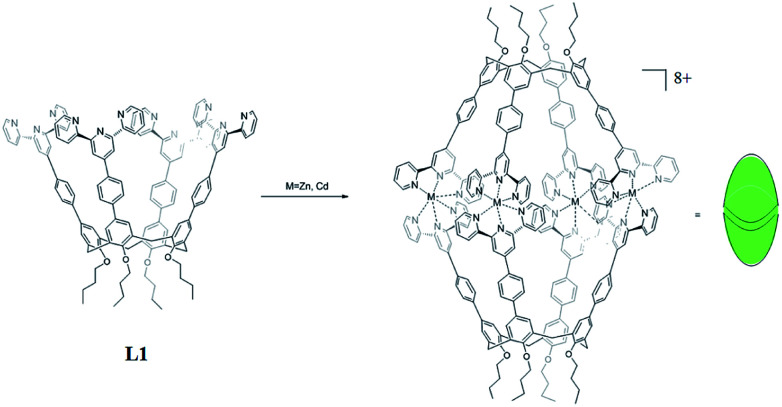
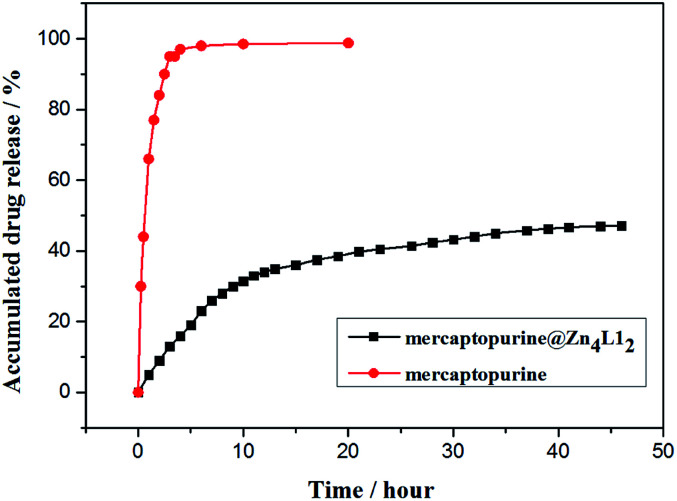
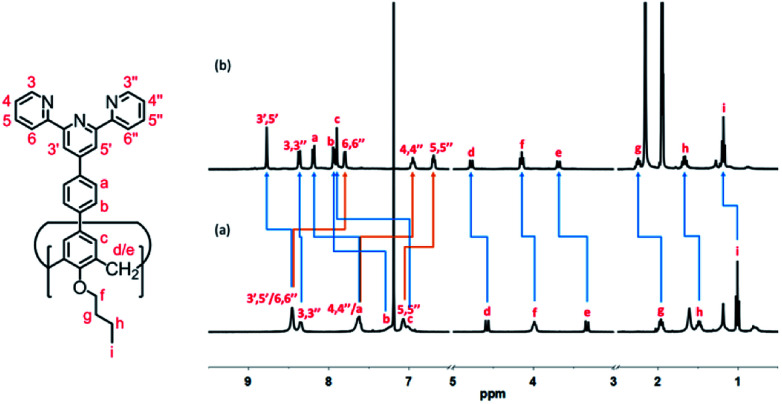
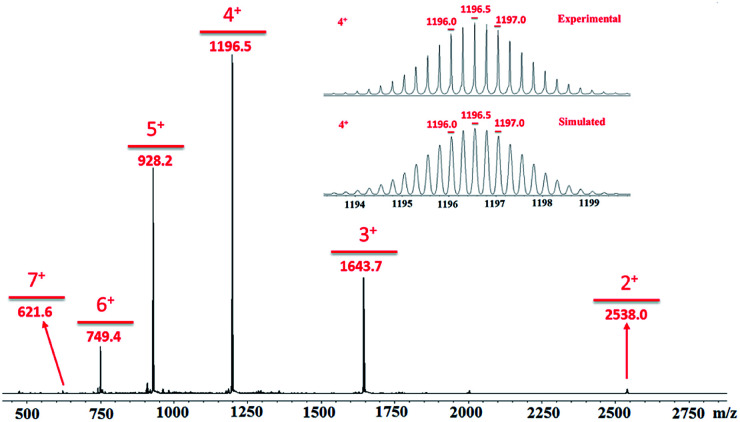
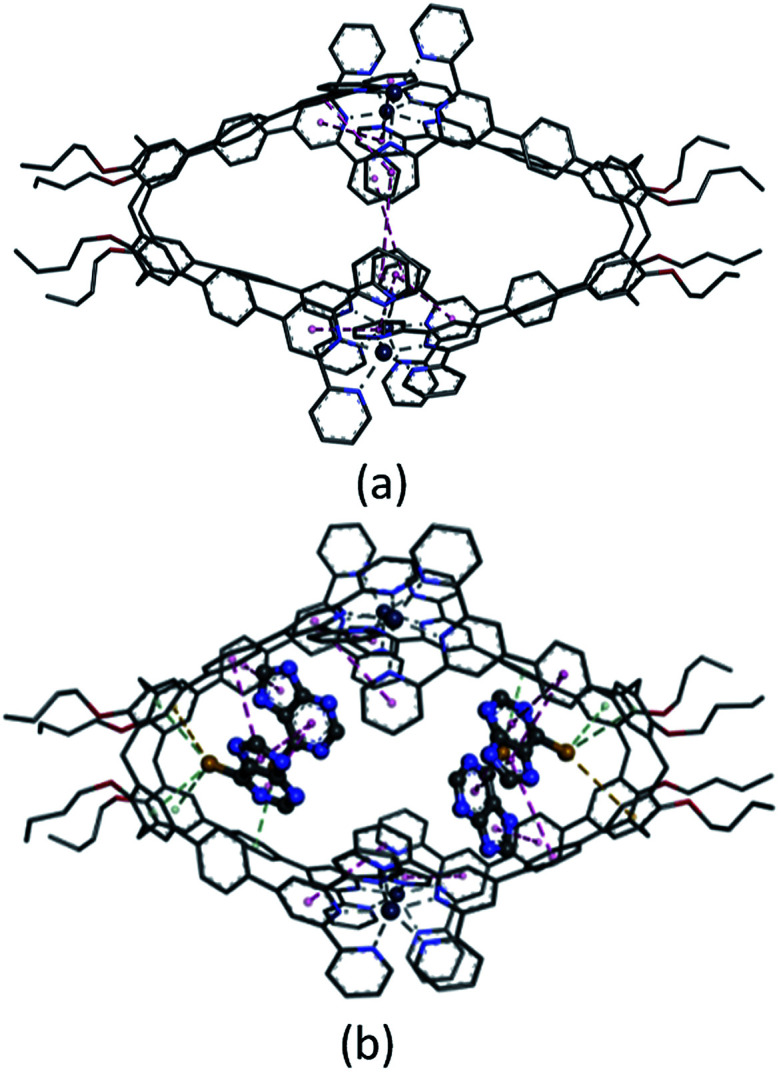
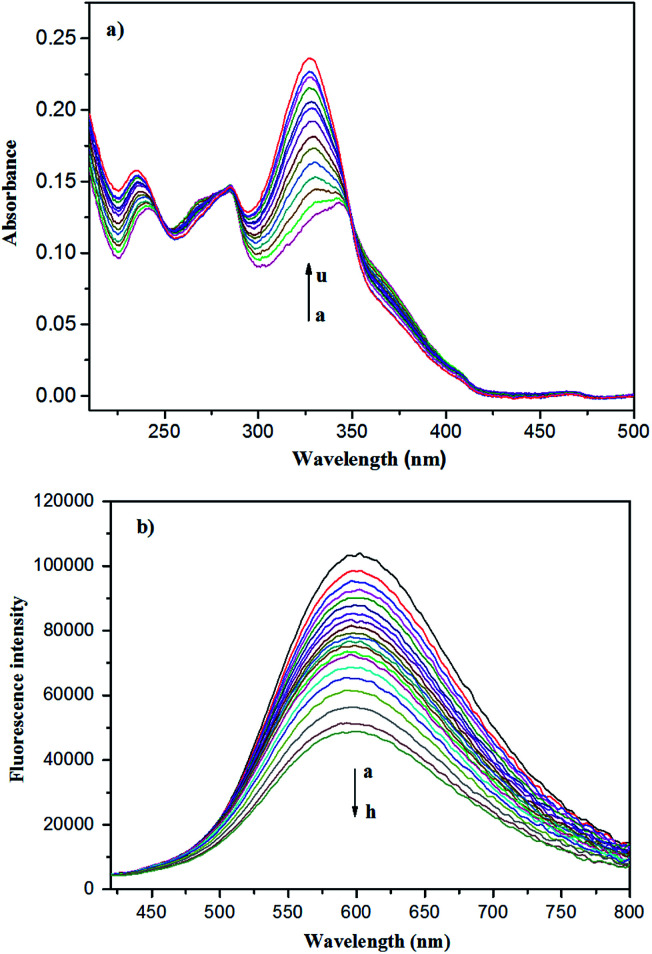
Two analogues of capsule-like fluorescent cages have been constructed by dimerization of terpyridine-containing calixarene derivatives utilizing a M-terpyridine (M = Zn and Cd) interaction. H NMR spectral studies show that the self-assembled molecular capsules ZnL1 and CdL1 have a highly symmetrical -structure. The encapsulation of the anticancer drug mercaptopurine in their cavities has been documented by NMR, ESI-TOF-MS, fluorescence switching, and molecular simulation, indicating that strong S-π and π-π interactions between drug and cage are of importance for the host-guest binding. The nanoscale cages exhibit excellent behaviors to control the release of mercaptopurine in phosphate buffered saline solution (pH = 7.4). These results further highlight the potential of self-assembled ZnL1 cages for drug-carrier applications.
利用M-三联吡啶(M = Zn和Cd)相互作用,通过含三联吡啶的杯芳烃衍生物二聚化构建了两种胶囊状荧光笼类似物。1H NMR光谱研究表明,自组装分子胶囊ZnL1和CdL1具有高度对称的结构。通过NMR、ESI-TOF-MS、荧光开关和分子模拟记录了抗癌药物巯嘌呤在其腔内的包封情况,表明药物与笼之间强烈的S-π和π-π相互作用对于主客体结合很重要。纳米级笼子在磷酸盐缓冲盐水溶液(pH = 7.4)中表现出优异的控制巯嘌呤释放的行为。这些结果进一步突出了自组装ZnL1笼子在药物载体应用方面的潜力。