Gc Keshav, To Davidnhan, Jayalath Kumudie, Abeysirigunawardena Sanjaya
Department of Chemistry and Biochemistry, Kent State University Kent OH 44240 USA
RSC Adv. 2019 Dec 4;9(69):40268-40276. doi: 10.1039/c9ra07812f. eCollection 2019 Dec 3.
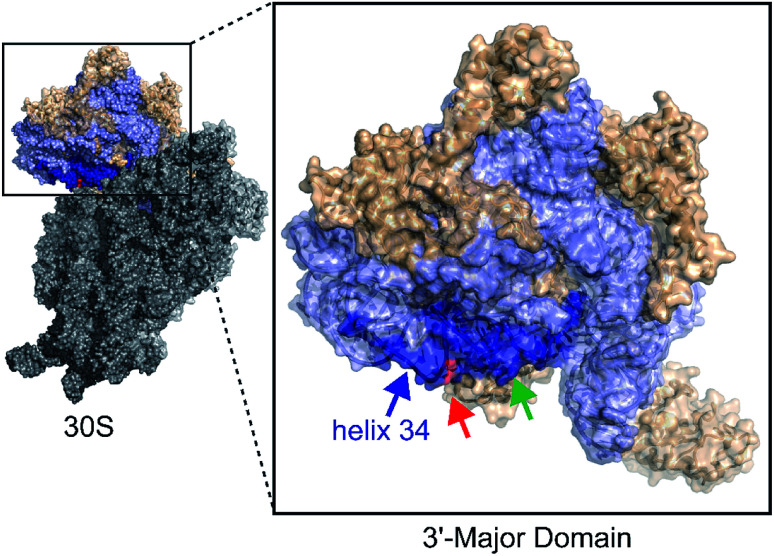
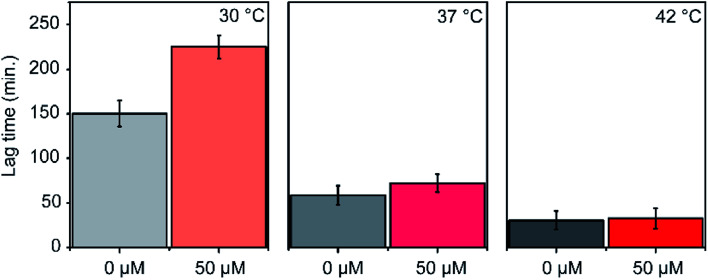
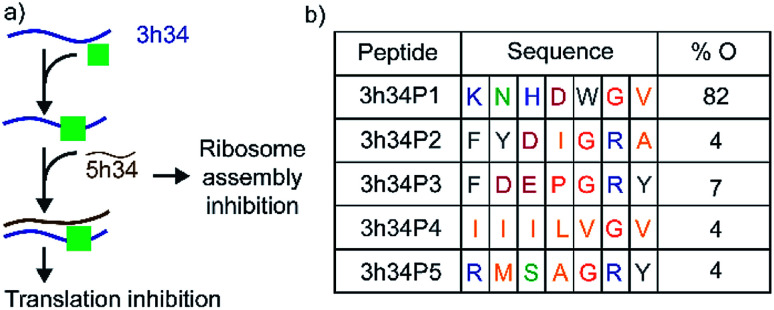
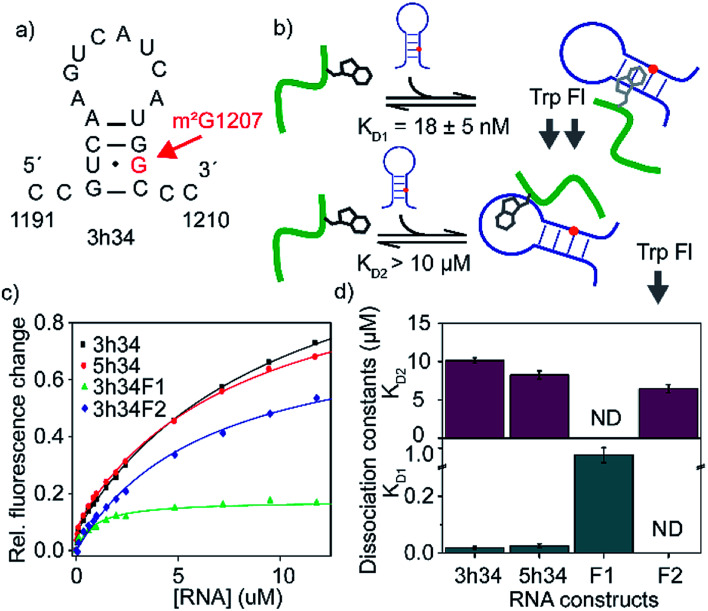
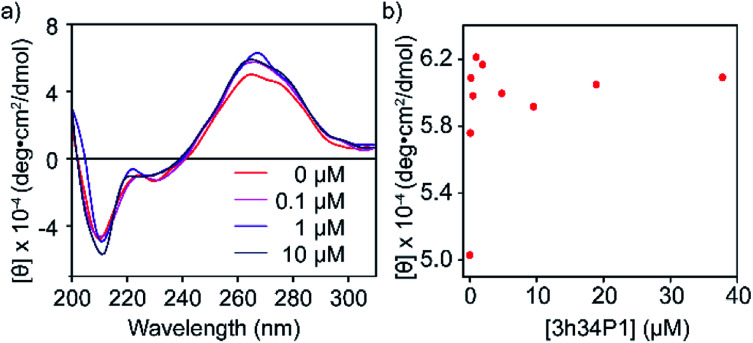
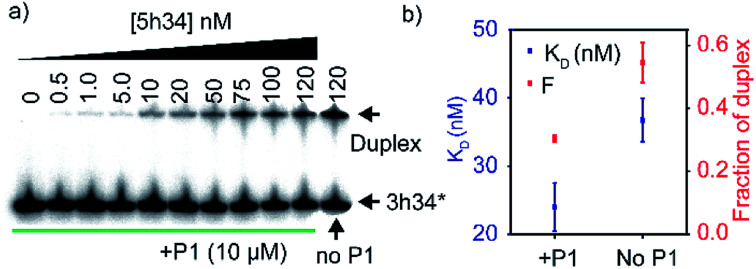
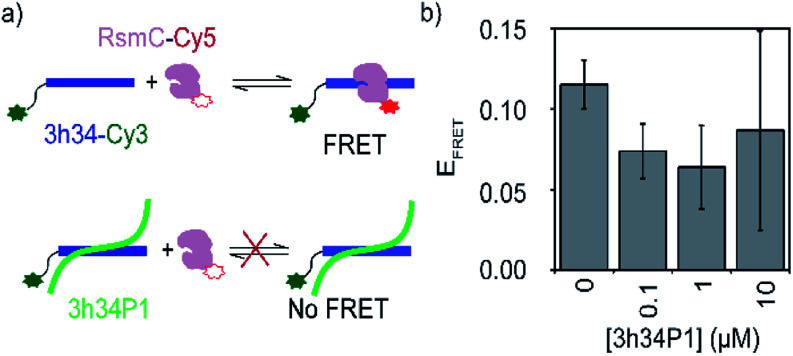
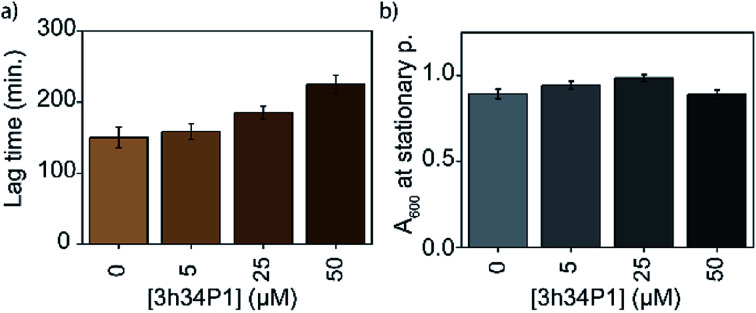
Despite the advances in modern medicine, antibiotic resistance is a persistent and growing threat to the world. Thus, the discovery and development of novel antibiotics have become crucial to combat multi-drug resistant pathogens. The goal of our research is to discover a small molecular peptide that can disrupt the synthesis of new ribosomes. Using the phage display technique, we have discovered a 7-mer peptide that binds to the second strand of 16S h34 RNA with a dissociation constant in the low micromolar range. Binding of the peptide alters RNA structure and inhibits the binding of the ribosomal RNA small subunit methyltransferase C (RsmC) enzyme that methylates the exocyclic amine of G1207. The addition of this peptide also increases the lag phase of bacterial growth. Introduction of chemical modifications to increase the binding affinity of the peptide to RNA, its uptake and stability can further improve the efficacy of the peptide as an antibiotic agent against pathogenic bacteria.
尽管现代医学取得了进步,但抗生素耐药性仍是全球持续存在且不断加剧的威胁。因此,新型抗生素的发现和开发对于对抗多重耐药病原体至关重要。我们研究的目标是发现一种能够干扰新核糖体合成的小分子肽。利用噬菌体展示技术,我们发现了一种7聚体肽,它与16S h34 RNA的第二条链结合,解离常数处于低微摩尔范围。该肽的结合改变了RNA结构,并抑制了核糖体RNA小亚基甲基转移酶C(RsmC)对G1207环外胺进行甲基化的酶的结合。添加这种肽还会延长细菌生长的延迟期。引入化学修饰以提高肽与RNA的结合亲和力、其摄取和稳定性,可以进一步提高该肽作为抗病原菌抗生素的疗效。