Liu Lu, Pu Xiaolin, Tao Huaizhi, Deng Qing, Luo Ang
State Key Laboratory of Oil and Gas Reservoir Geology and Exploitation, Southwest Petroleum University Chengdu 610500 China
Drilling & Production Technology Research Institute, CNPC Sichuan Petroleum Guanghan Sichuan 618300 China.
RSC Adv. 2018 Mar 22;8(21):11424-11435. doi: 10.1039/c7ra13255g. eCollection 2018 Mar 21.
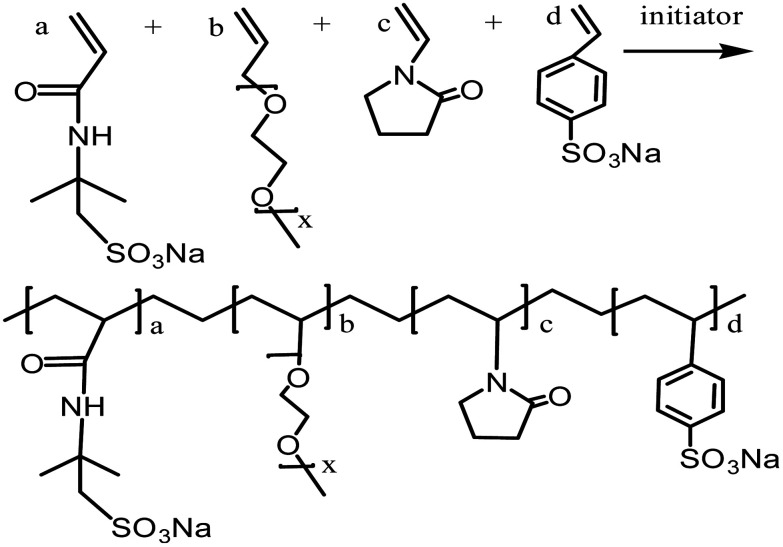
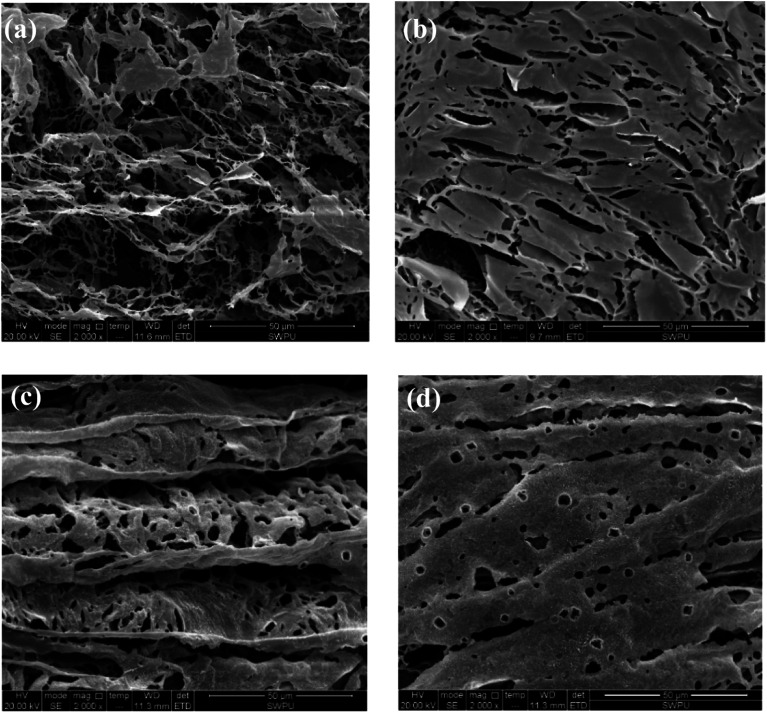
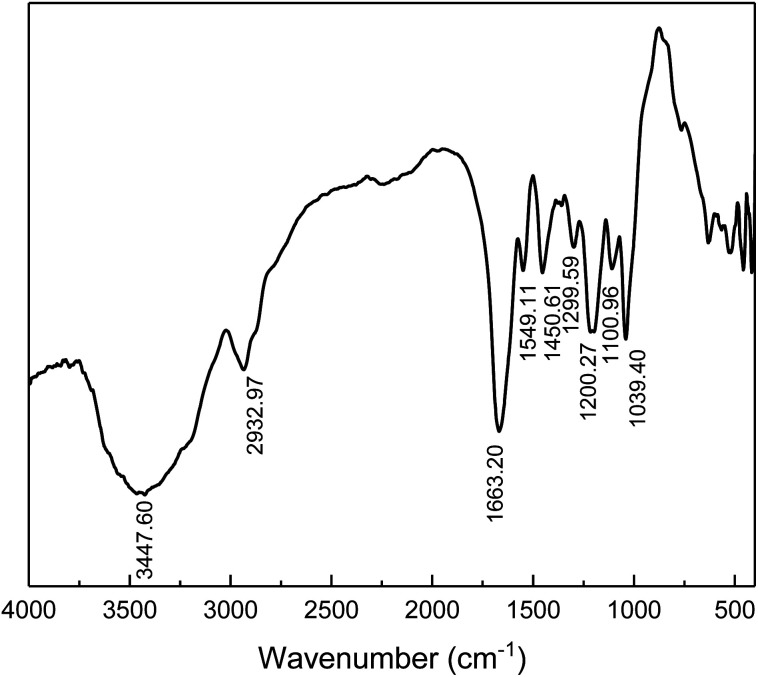
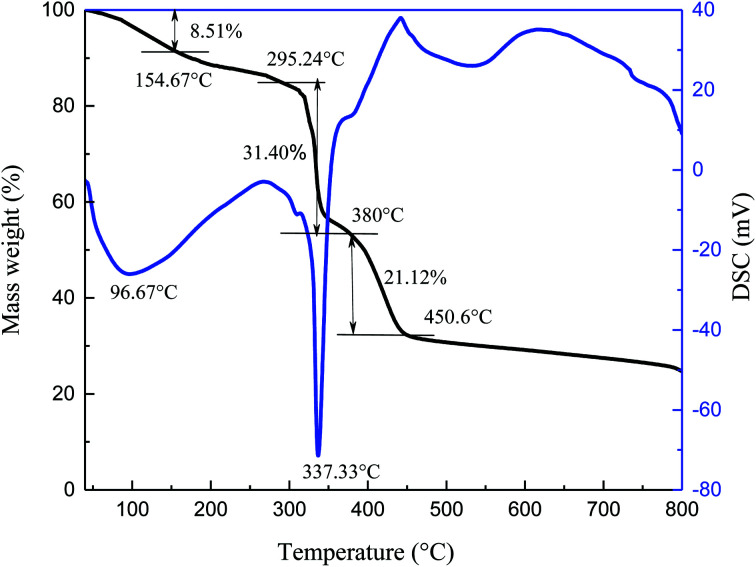
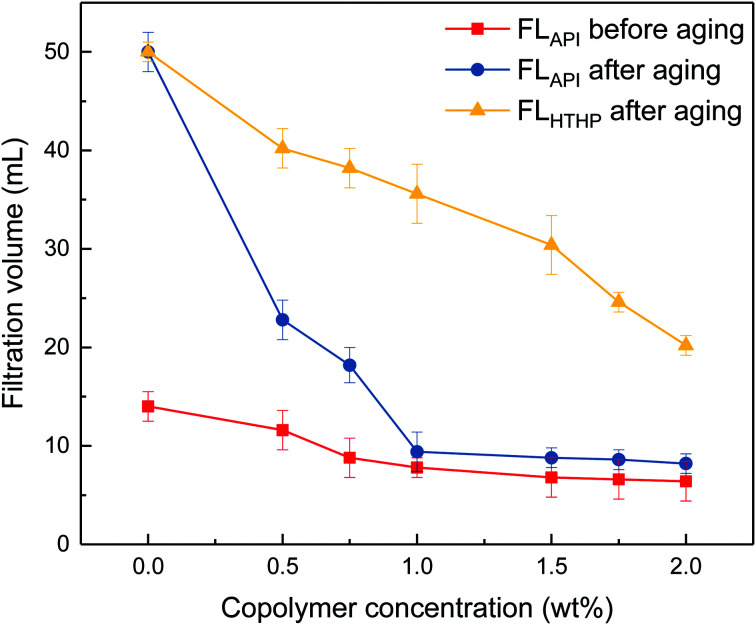
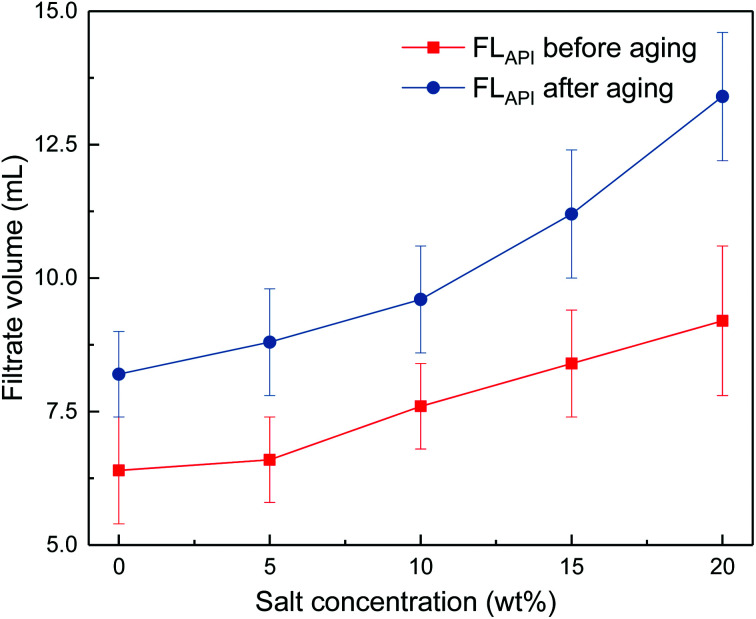
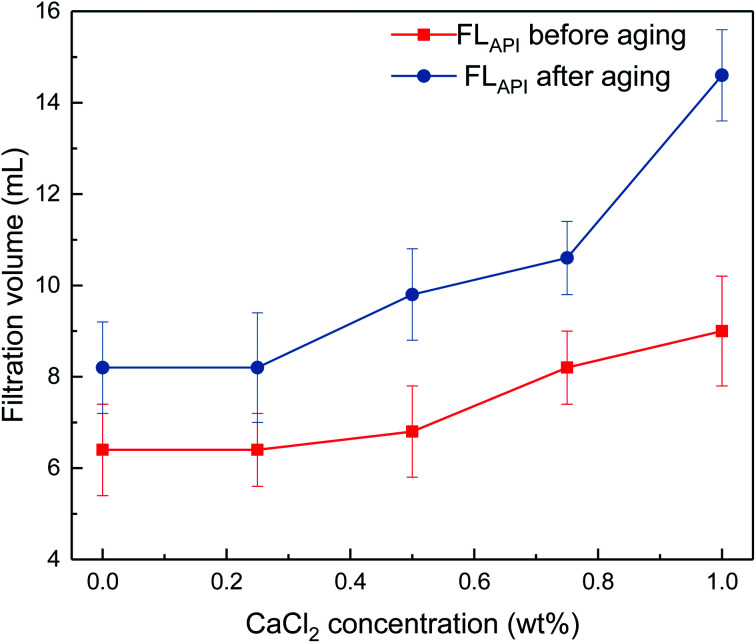
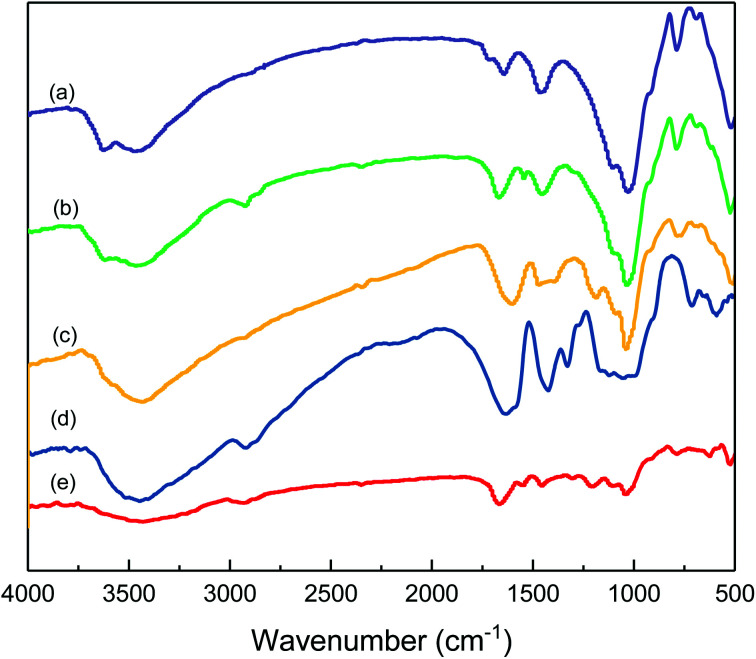
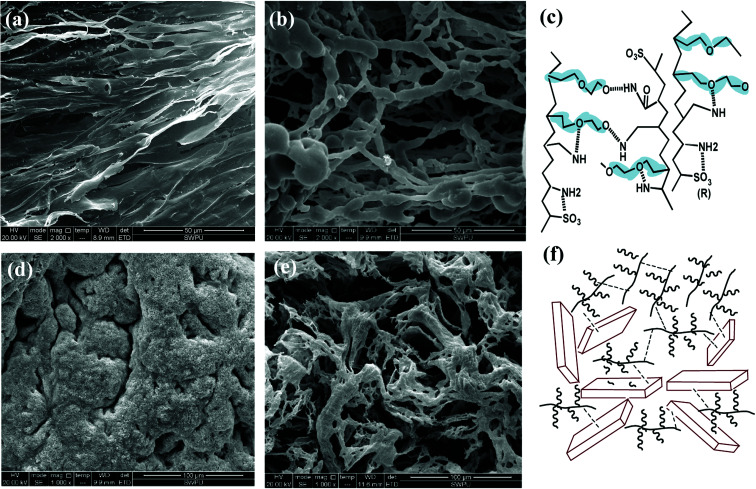
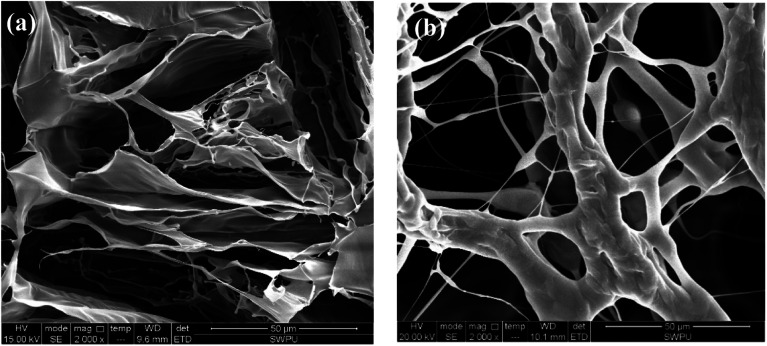
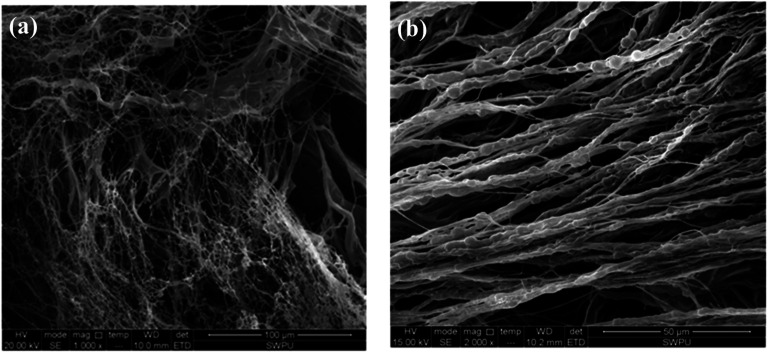
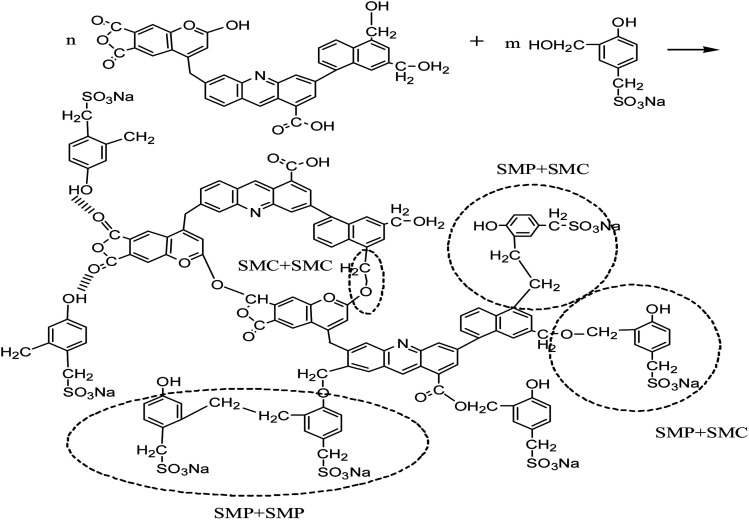
A comb-shaped copolymer of 2-acrylamide-2-methyl propane sulfonic acid (AMPS), allyl polyoxyethylene ether (APEG), -vinyl-2-pyrrolidone (NVP) and sodium styrene sulfonate (SSS) was synthesized by free-radical polymerization. The structure of the comb-shaped copolymer was characterized by Fourier transform infrared (FTIR) spectroscopy, and its molecular weight was determined by gel permeation chromatography (GPC). FTIR measurements and environmental scanning electron microscopy (ESEM) analysis were used to characterize the working mechanism of different filtrate loss reducers. Thermogravimetry and differential scanning calorimetry (TG-DSC) results showed that thermal degradation of the copolymer was significant only after 295.24 °C. The comb-shaped copolymer helped reduce filtration, while maintaining the rheological properties of the drilling fluid at high temperature and high salinity conditions as long PEG chains sterically stabilized colloids by protruding into the suspension. The filtration control of the comb-shaped copolymer was comparable to that of the sulfonated phenolic resin (SMP) mixture and outperformed AM/AMPS/NVP/SSS (NS-1) and polymeric product PAC in terms of high-temperature resistance and rheological advantages. The morphology of the comb-shaped copolymer was found with a compact 3-D film structure due to the intramolecular and intermolecular association by hydrogen bonding in the side chains. Small curly debris at high temperature and salinity remained capable of filtration control. The NS-1 had a lower temperature resistance, as large areas of flaky films thermally degraded into a small chain structure at 180 °C. Only separated filiform and coarse lines were found in PAC with a linear structure that makes the drilling fluid more viscous. Compact and structured films were formed with the SMP mixture at high temperature and salinity.
通过自由基聚合反应合成了一种由2-丙烯酰胺-2-甲基丙磺酸(AMPS)、烯丙基聚氧乙烯醚(APEG)、N-乙烯基-2-吡咯烷酮(NVP)和苯乙烯磺酸钠(SSS)组成的梳状共聚物。采用傅里叶变换红外光谱(FTIR)对梳状共聚物的结构进行了表征,并用凝胶渗透色谱法(GPC)测定了其分子量。利用FTIR测量和环境扫描电子显微镜(ESEM)分析来表征不同降滤失剂的作用机理。热重分析和差示扫描量热法(TG-DSC)结果表明,该共聚物在295.24℃后才发生显著的热降解。由于长PEG链通过伸入悬浮液中在空间上稳定了胶体,梳状共聚物有助于降低滤失量,同时在高温高盐条件下保持钻井液的流变性能。梳状共聚物的降滤失性能与磺化酚醛树脂(SMP)混合物相当,在耐高温性和流变性能方面优于AM/AMPS/NVP/SSS(NS-1)和聚合物产品PAC。由于侧链中通过氢键形成的分子内和分子间缔合,发现梳状共聚物的形态具有致密的三维薄膜结构。在高温和高盐条件下,小的卷曲碎片仍能控制滤失。NS-1的耐温性较低,因为大片的片状薄膜在180℃时热降解为小链结构。在具有线性结构的PAC中只发现了分离的丝状和粗线条,这使得钻井液更粘稠。在高温和高盐条件下,SMP混合物形成了致密且有结构的薄膜。