Lopes da Silva Amison Rick, Jhones Dos Santos Alexsandro, Martínez-Huitle Carlos Alberto
Laboratório de Eletroquímica Ambiental e Aplicada (LEAA), Institute of Chemistry, Federal University of Rio Grande do Norte Lagoa Nova CEP 59078-970 Natal RN Brazil
UNESP, National Institute for Alternative Technologies of Detection, Toxicological Evaluation and Removal of Micropollutants and Radioactives (INCT-DATREM), Institute of Chemistry P.O. Box 355 14800-900 Araraquara SP Brazil.
RSC Adv. 2018 Jan 16;8(7):3483-3492. doi: 10.1039/c7ra12257h.
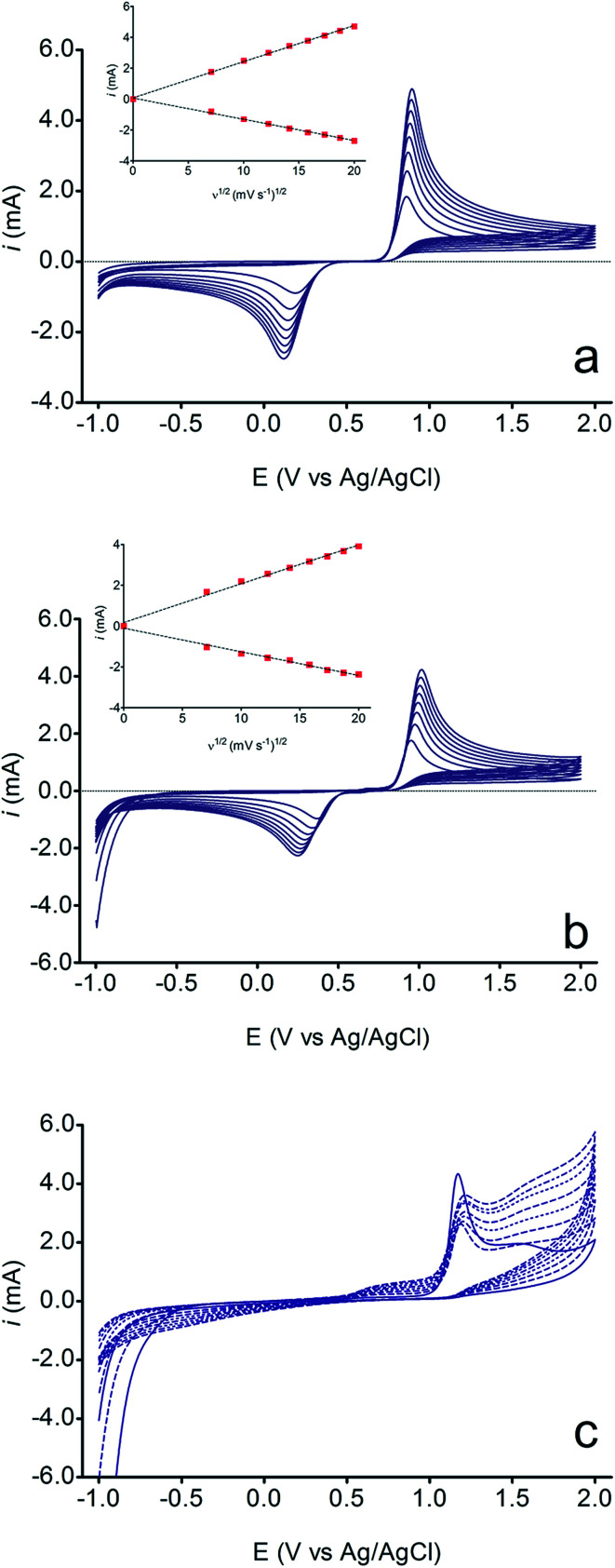
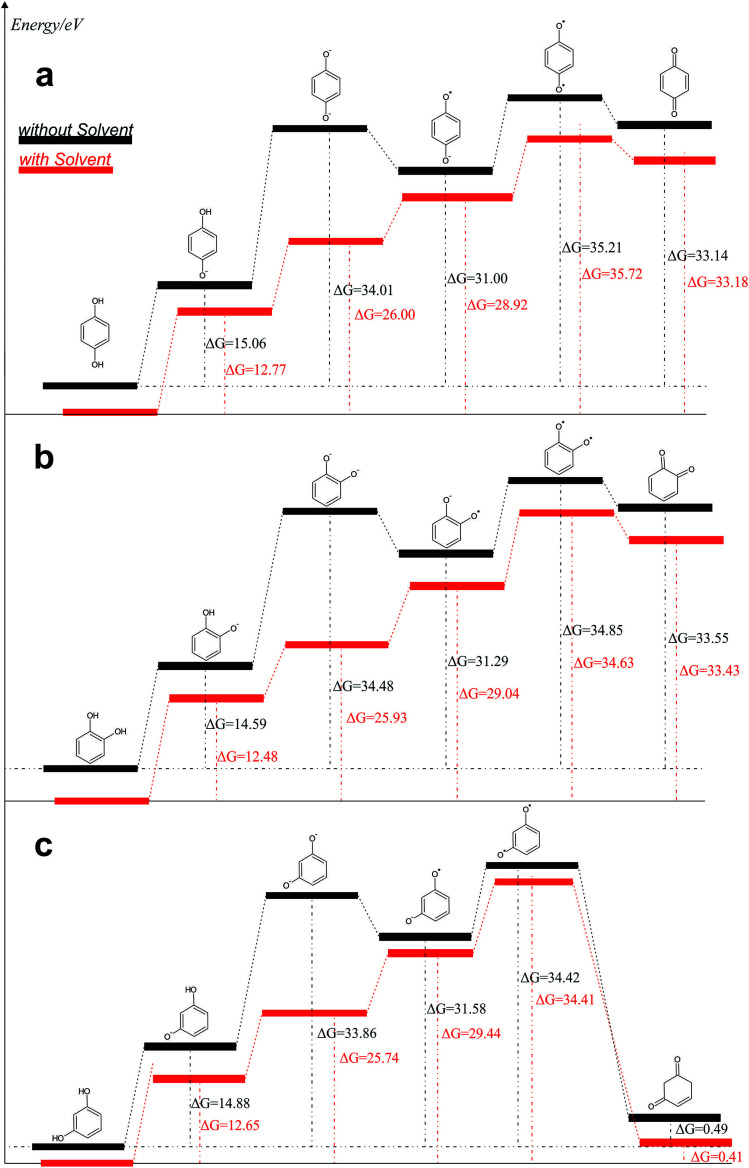
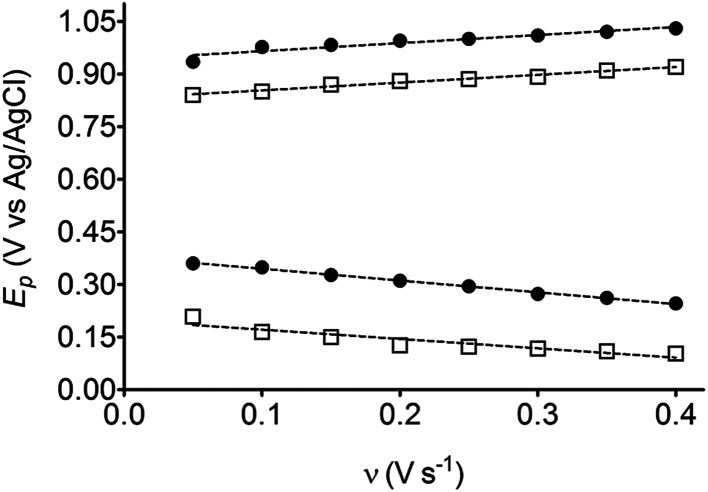
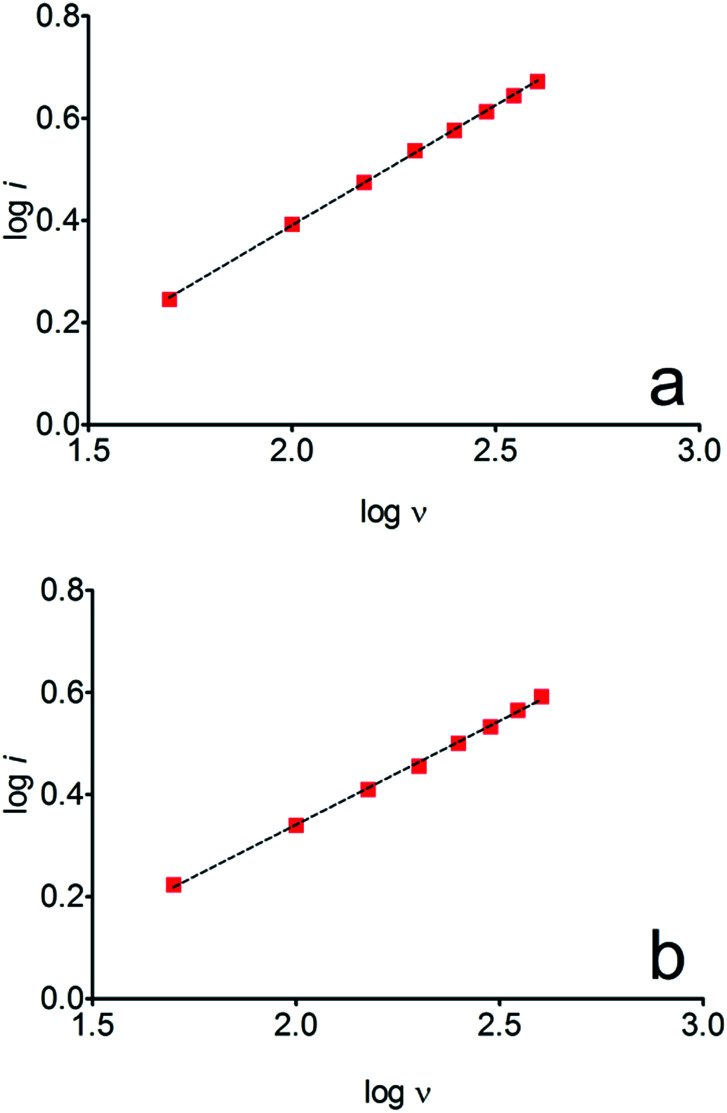
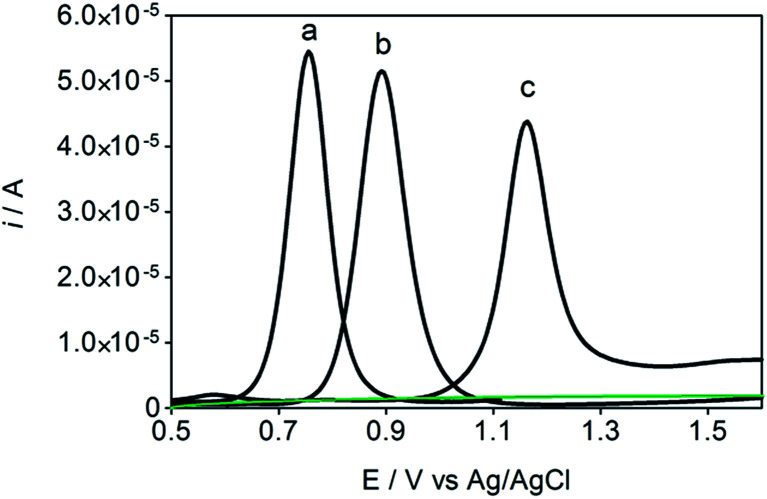
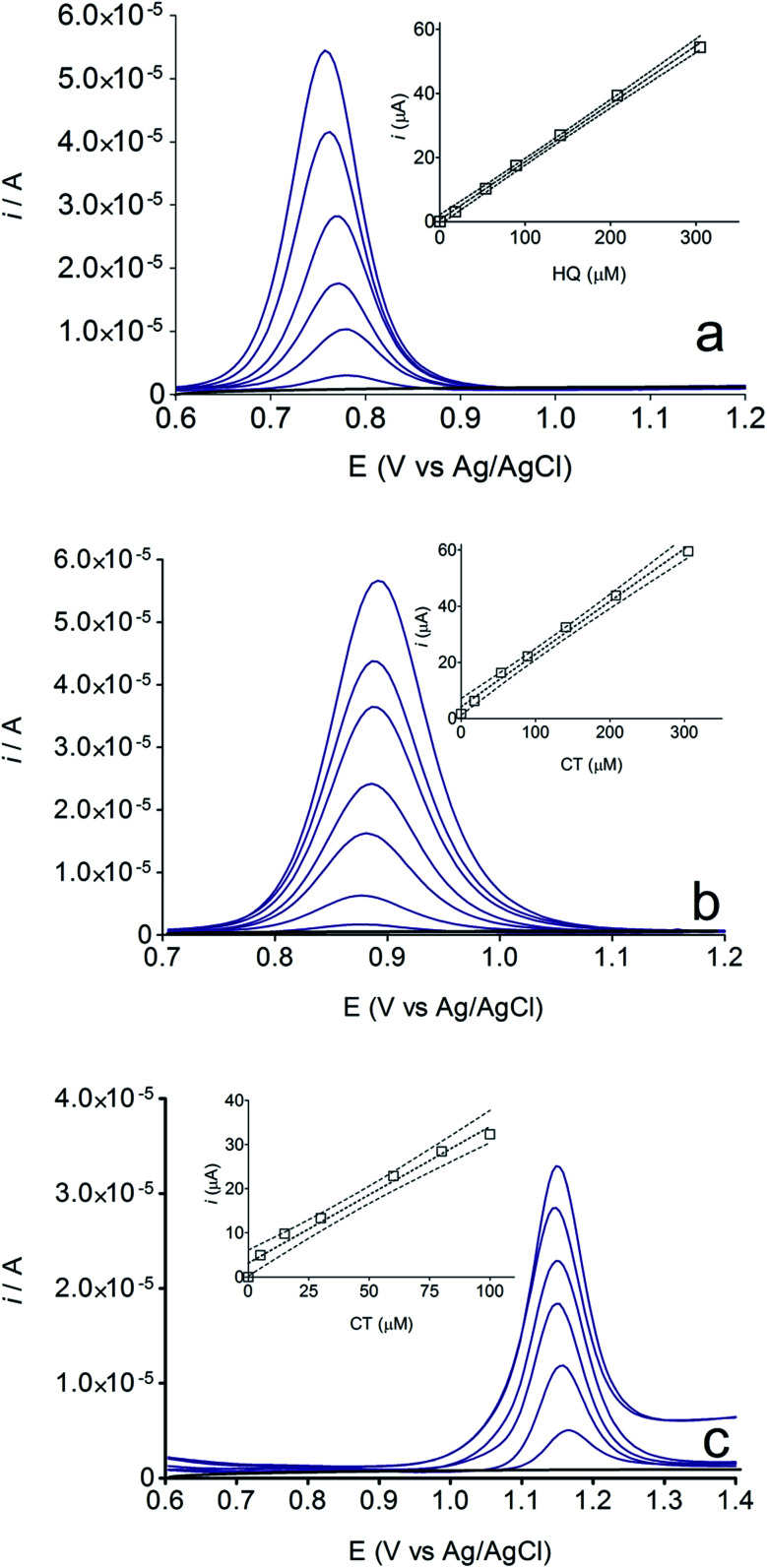
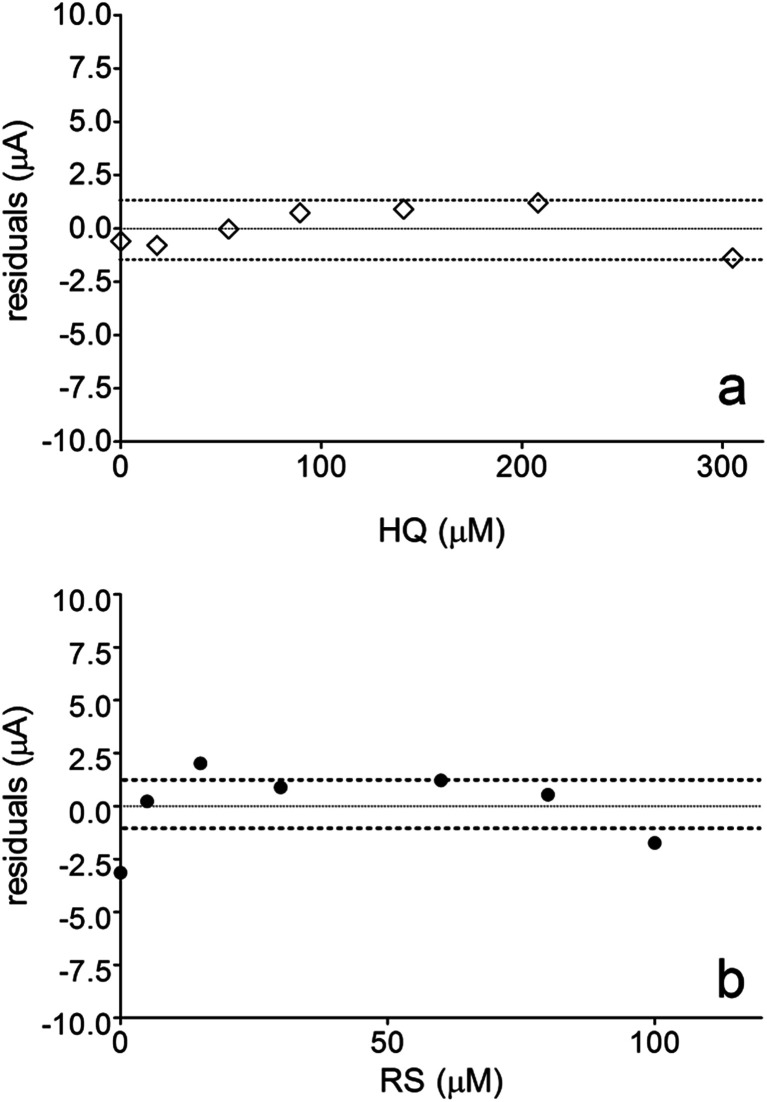
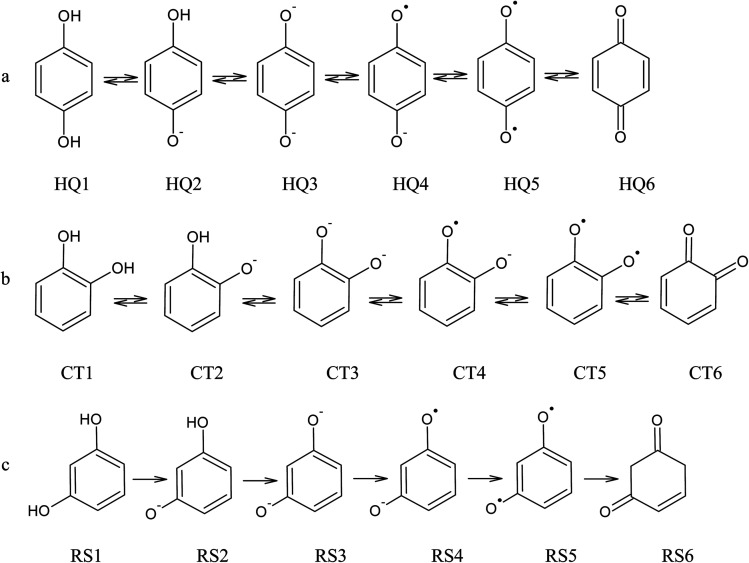
Using electrochemical techniques (cyclic voltammetry (CV) and differential pulse voltammetry (DPV)) with a boron-doped diamond (BDD) electrode it was possible to study the behavior of hydroquinone (HQ), catechol (CT) and resorcinol (RS), in aqueous solutions as well as to associate the electrochemical profiles with computational simulations. It led to understanding the factors that influence the direct electrooxidation of HQ, CT and RS on the BDD surface. Theoretical calculations demonstrated that the compounds with lower HOMO energy and high ionization potential (IP) are more stable, showing a higher , denoting that HOMO energies and IP are related to the difficulty of oxidizing (losing an electron) a specific compound. Analyzing the electro-oxidation reactions of HQ, CT and RS by using computational calculations, it was possible to verify the reversibility behavior, direct oxidation pathway and the possible intermediates formed during electron-transfer. The results clearly demonstrated that the reversibility was attained for HQ and CT, while this behavior is not feasible, thermodynamically speaking, for RS and this was confirmed by DFT calculations. For direct oxidation mechanisms, HQ and CT are quickly oxidized, but RS produces stable intermediates. These experimental and theoretical results also explain the behavior when the compounds were analyzed by electroanalytical techniques, suggesting that the interactions by direct electron-transfer determine the stability of response (sensitivity) as well as the limit of detection. The results are described and discussed in light of the existing literature.
使用电化学技术(循环伏安法(CV)和差分脉冲伏安法(DPV))以及硼掺杂金刚石(BDD)电极,能够研究对苯二酚(HQ)、邻苯二酚(CT)和间苯二酚(RS)在水溶液中的行为,并将电化学曲线与计算模拟相关联。这有助于理解影响HQ、CT和RS在BDD表面直接电氧化的因素。理论计算表明,具有较低最高占据分子轨道(HOMO)能量和高电离电位(IP)的化合物更稳定,显示出更高的 ,这表明HOMO能量和IP与特定化合物氧化(失去一个电子)的难易程度有关。通过计算分析HQ、CT和RS的电氧化反应,可以验证其可逆性行为、直接氧化途径以及电子转移过程中可能形成的中间体。结果清楚地表明,HQ和CT可实现可逆性,而从热力学角度讲,RS则不可行,这一点通过密度泛函理论(DFT)计算得到了证实。对于直接氧化机制,HQ和CT能快速氧化,但RS会产生稳定的中间体。这些实验和理论结果也解释了用电分析技术分析这些化合物时的行为,表明直接电子转移相互作用决定了响应的稳定性(灵敏度)以及检测限。将根据现有文献对结果进行描述和讨论。