Lu Hua Rong, Kreir Mohamed, Karel Van Ammel, Tekle Fetene, Geyskens Danny, Teisman Ard, Gallacher David J
Global Safety Pharmacology, Predictive, Investigative and Translational Toxicology, Nonclinical Safety, Beerse, Belgium.
Discovery and Nonclinical Safety Statistics, Statistics and Decision Sciences, Quantitative Sciences, Janssen R&D, A Division of Janssen Pharmaceutica NV, Beerse, Belgium.
Front Physiol. 2022 Apr 25;13:838435. doi: 10.3389/fphys.2022.838435. eCollection 2022.
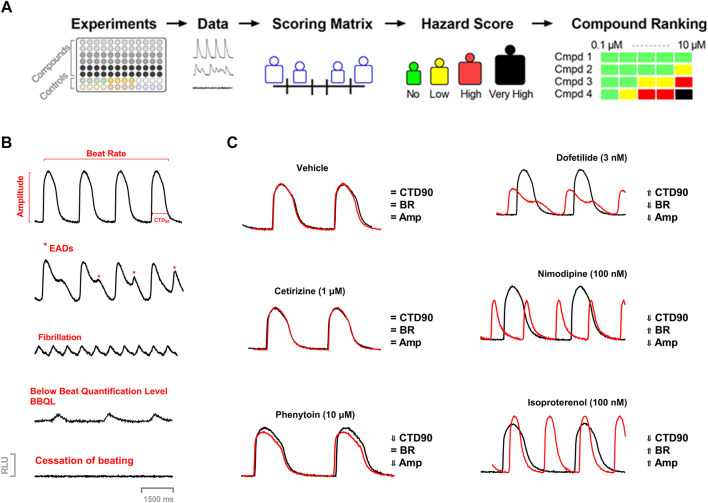
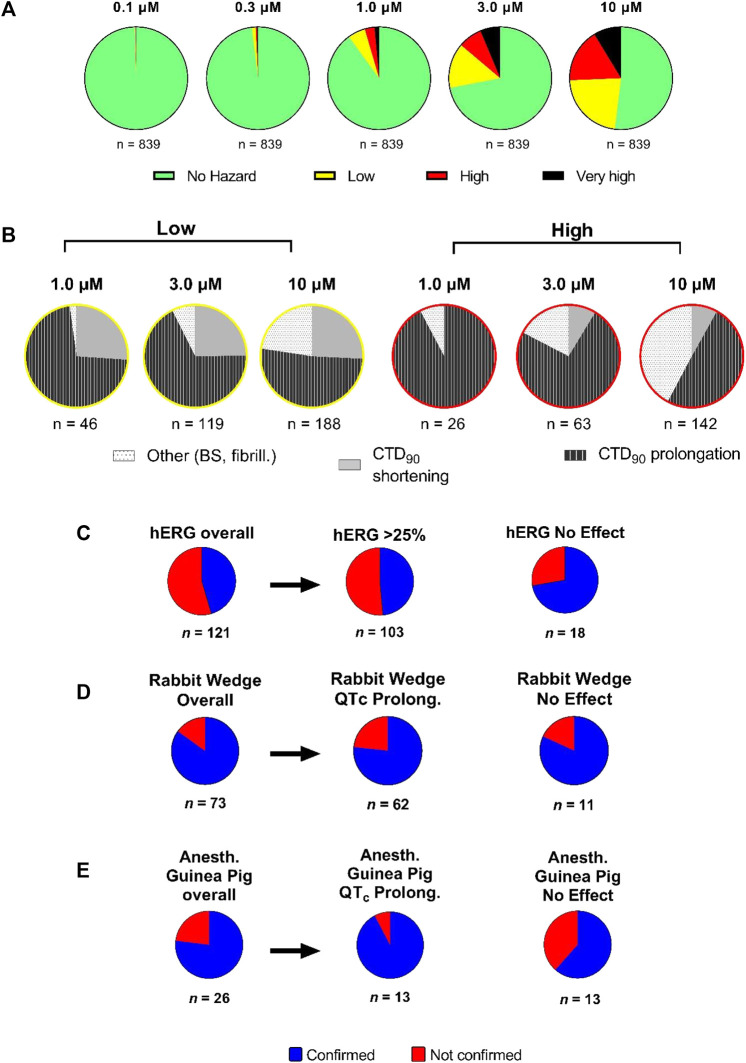
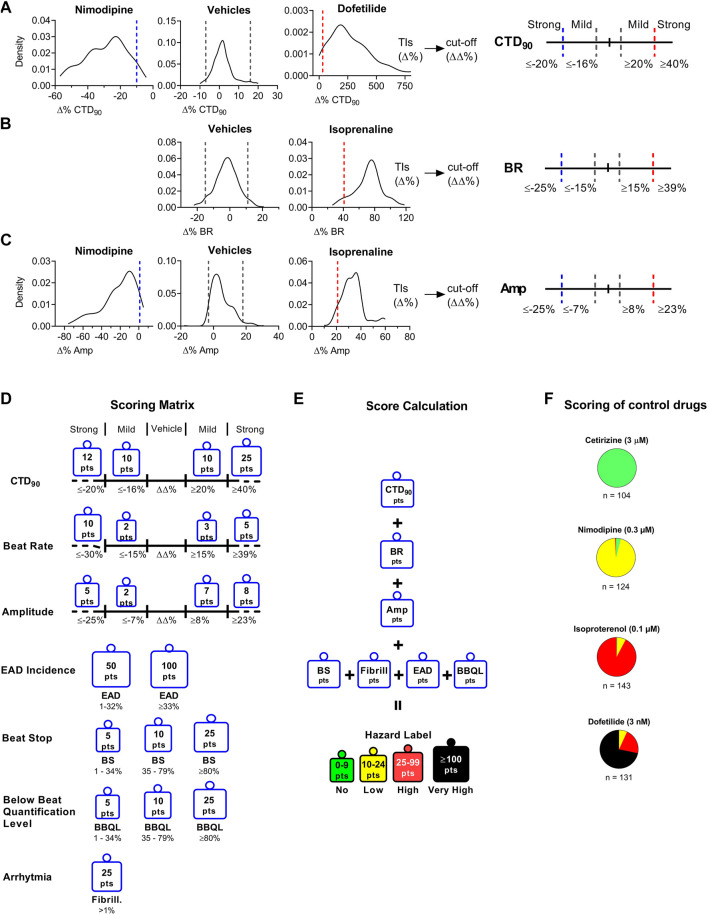
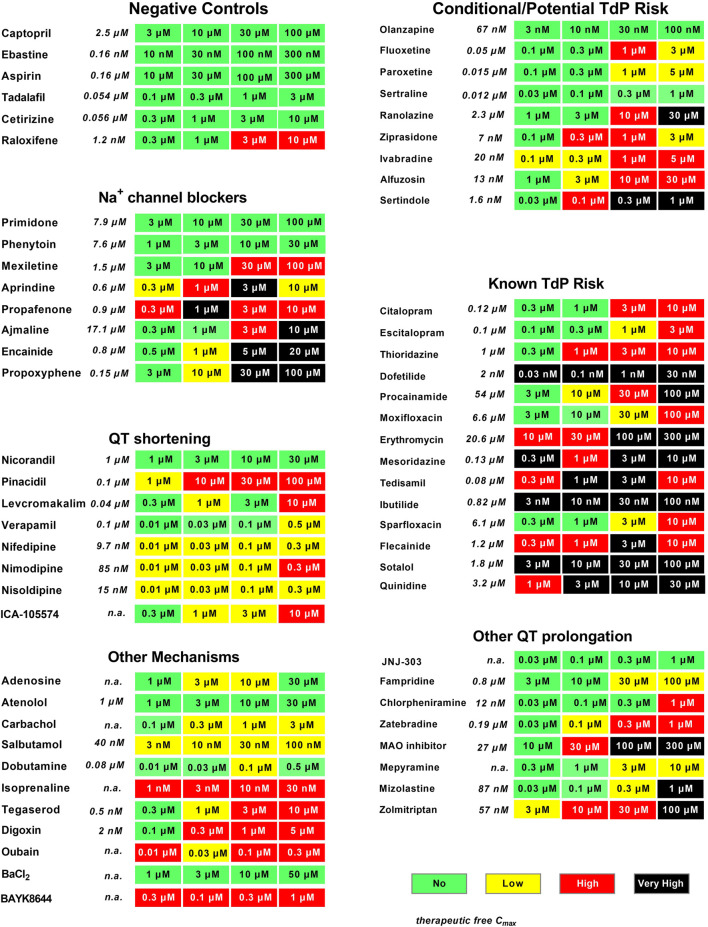
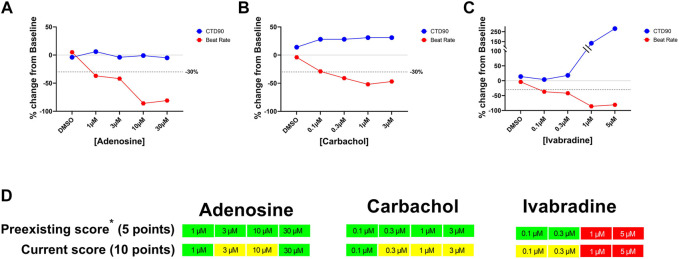
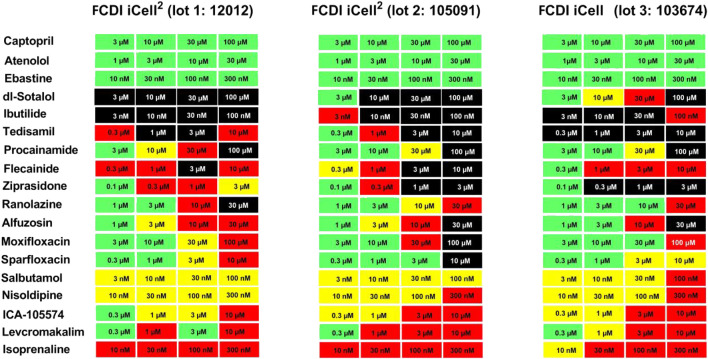
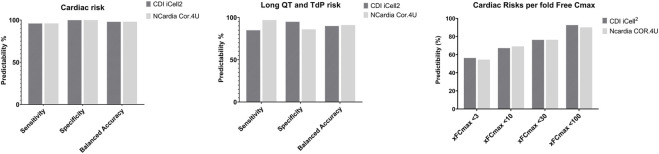
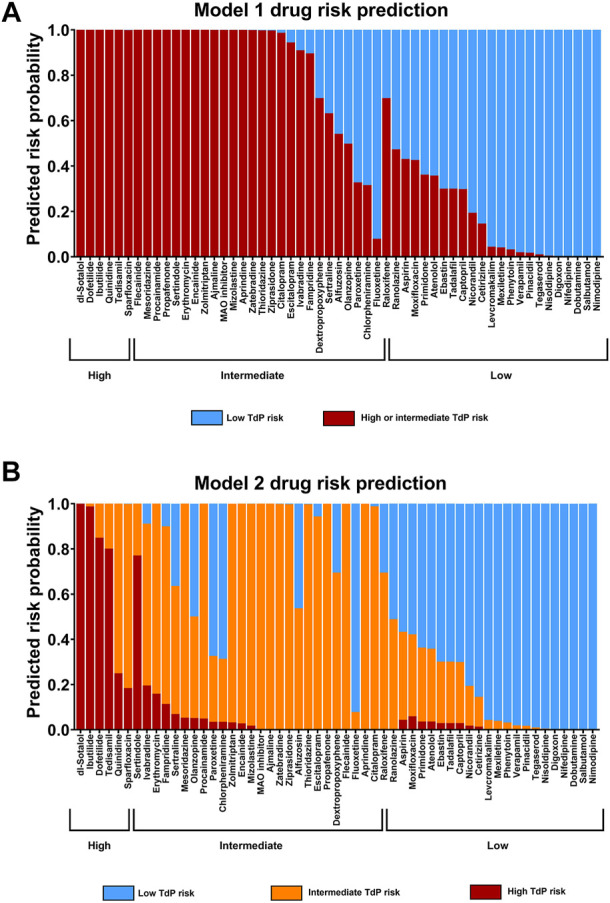
Early identification of cardiac risk is essential for reducing late-stage attrition in drug development. We adapted the previously published cardiac hazard risk-scoring system using a calcium transient assay in human stem cell-derived CMs for the identification of cardiac risks recorded from the new hiPSC-CM line and investigated its predictivity and translational value based on the screening of a large number of reference and proprietary compounds. Evaluation of 55 reference drugs provided the translation of various pharmacological effects into a single hazard label (no, low, high, or very high hazard) using a Ca-sensitive fluorescent dye assay recorded by -by FDSS/µCell Functional Drug Screening System (Hamamatsu on hiPSC-CM line (FCDI iCell Cardiomyocytes). Application of the adapted hazard scoring system in the Ca transient assay, using a second hiPS-CM line, provided comparable scoring results and predictivity of hazard, to the previously published scoring approach, with different pharmacological drug classes, as well as screening new chemical entities (NCE's) using a single hazard label from four different scoring levels (no, low, high, or very high hazard). The scoring system results also showed minimal variability across three different lots of hiPSC-CMs, indicating good reproducibility of the cell line. The predictivity values (sensitivity and specificity) for drug-induced acute cardiac risk for QT-interval prolongation and Torsade de pointes (TdPs) were >95% and statistical modeling confirmed the prediction of proarrhythmic risk. The outcomes of the NCEs also showed consistency with findings in other well-established and cardiac risk assays. Evaluation of a large list of reference compounds and internal NCEs has confirmed the applicability of the adaptations made to the previously published novel scoring system for the hiPSC-CMs. The validation also established the predictivity for drug-induced cardiac risks with good translation to other established preclinical and assays, confirming the application of this novel scoring system in different stem cell-CM lines for early cardiac hazard identification.
早期识别心脏风险对于减少药物开发后期的损耗至关重要。我们采用人干细胞衍生心肌细胞中的钙瞬变分析方法,对先前发表的心脏风险评分系统进行了调整,以识别从新的人诱导多能干细胞衍生心肌细胞(hiPSC-CM)系记录的心脏风险,并基于对大量参考化合物和专利化合物的筛选研究其预测性和转化价值。使用FDSS/µCell功能药物筛选系统(滨松公司,用于hiPSC-CM系(FCDI iCell心肌细胞))记录的钙敏荧光染料分析,对55种参考药物进行评估,将各种药理作用转化为单一风险标签(无、低、高或非常高风险)。使用第二个hiPS-CM系,在钙瞬变分析中应用调整后的风险评分系统,对于不同药理药物类别以及使用来自四个不同评分水平(无、低、高或非常高风险)的单一风险标签筛选新化学实体(NCE),提供了与先前发表的评分方法相当的评分结果和风险预测性。评分系统结果还显示,在三个不同批次的hiPSC-CM之间变异性极小,表明细胞系具有良好的重现性。药物诱导的QT间期延长和尖端扭转型室速(TdP)急性心脏风险的预测值(敏感性和特异性)>95%,统计建模证实了对心律失常风险的预测。NCE的结果也与其他成熟的心脏风险分析结果一致。对大量参考化合物和内部NCE的评估证实了对先前发表的针对hiPSC-CM的新型评分系统所做调整的适用性。验证还确立了药物诱导心脏风险的预测性,并能很好地转化为其他既定的临床前分析,证实了这种新型评分系统在不同干细胞衍生心肌细胞系中用于早期心脏风险识别的应用。