Le Bao T, Hughes Quintin, Rakesh Shilpa, Baker Ross, Jørgensen Per T, Wengel Jesper, Veedu Rakesh N
Centre for Comparative Genomics, Murdoch University Perth Australia-6150.
Perron Institute for Neurological and Translational Science Perth Australia-6009.
RSC Adv. 2018 Sep 21;8(57):32770-32774. doi: 10.1039/c8ra06050a. eCollection 2018 Sep 18.
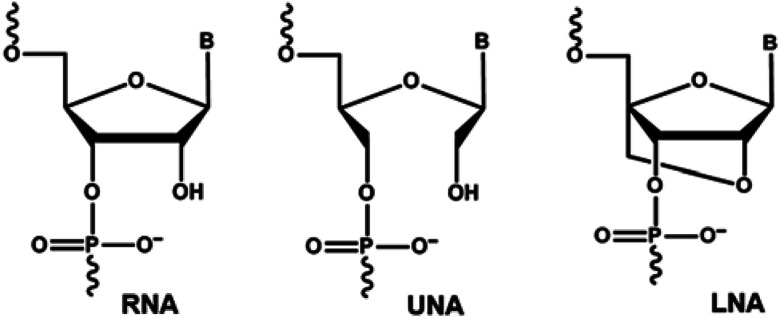
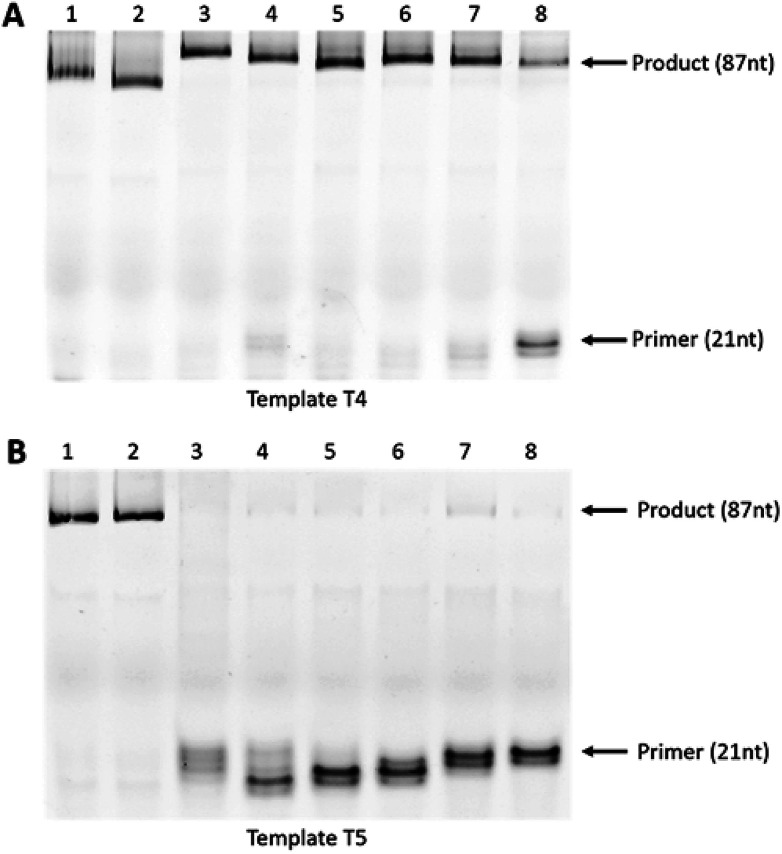
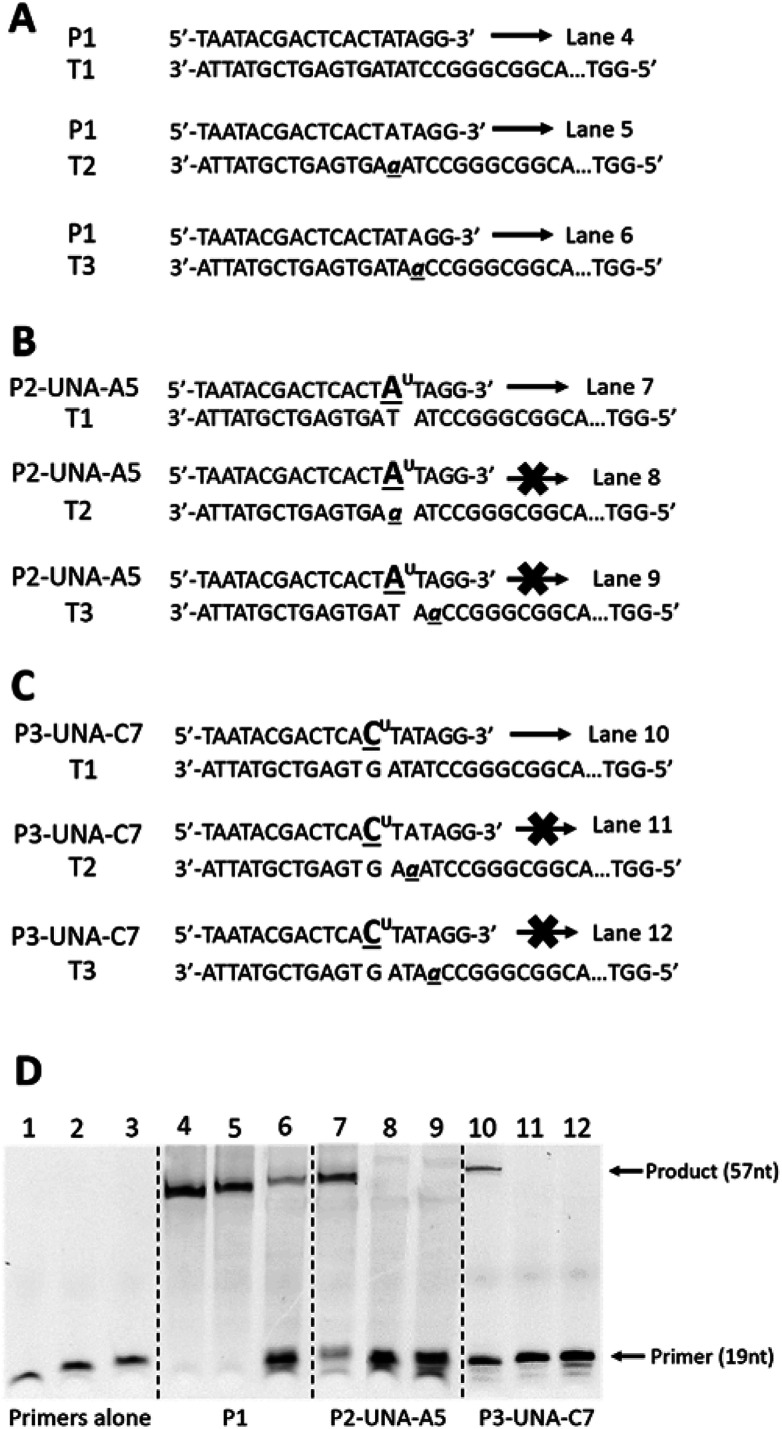
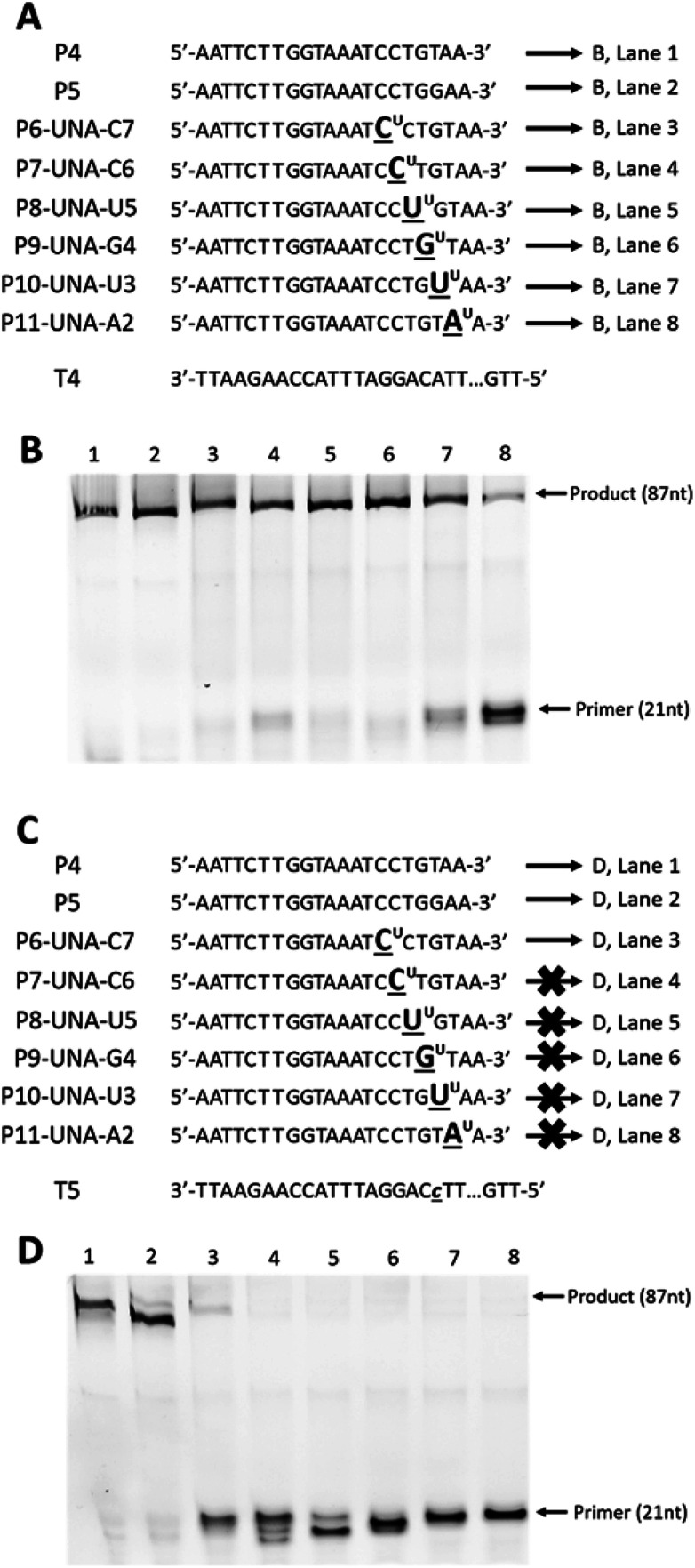
Accurate detection of single nucleotide polymorphisms (SNPs) is paramount for the appropriate therapeutic intervention of debilitating diseases associated with SNPs. However, in some cases current nucleic acid probes fail to detect allele-specific mutations, for example, human platelet antigens, HPA-15a (TCC) and HPA-15b (TAC) alleles associated with neonatal alloimmune thrombocytopenia. Towards this, it is necessary to develop a novel assay for detection of allele-specific mutations. In this study, we investigated the potential of unlocked nucleic acid (UNA)-modified primers in SNP detection utilising an enzymatic polymerisation-based approach. Our results of primer extension and asymmetric polymerase chain reaction by KOD XL DNA polymerase revealed that UNA-modified primers achieved excellent allele-specificity in discriminating the human platelet antigen DNA template, whereas the DNA control primers were not able to differentiate between the normal and mutant alleles, demonstrating the scope of this novel UNA-based enzymatic approach as a robust methodology for efficient detection of allele-specific mismatches. Although further evaluation is required for other disease conditions, we firmly believe that our findings offer a great promise for the diagnosis of neonatal alloimmune thrombocytopenia and other SNP-related diseases.
准确检测单核苷酸多态性(SNP)对于与SNP相关的衰弱性疾病的适当治疗干预至关重要。然而,在某些情况下,目前的核酸探针无法检测到等位基因特异性突变,例如,与新生儿同种免疫性血小板减少症相关的人类血小板抗原HPA - 15a(TCC)和HPA - 15b(TAC)等位基因。为此,有必要开发一种用于检测等位基因特异性突变的新方法。在本研究中,我们利用基于酶促聚合的方法研究了解锁核酸(UNA)修饰引物在SNP检测中的潜力。我们通过KOD XL DNA聚合酶进行引物延伸和不对称聚合酶链反应的结果表明,UNA修饰引物在区分人类血小板抗原DNA模板方面具有出色的等位基因特异性,而DNA对照引物无法区分正常和突变等位基因,这证明了这种基于UNA的新型酶促方法作为有效检测等位基因特异性错配的强大方法的应用范围。尽管其他疾病情况还需要进一步评估,但我们坚信我们的发现为新生儿同种免疫性血小板减少症和其他SNP相关疾病的诊断带来了巨大希望。