Yang Lilong, Zhou Xiang, Zhang Kewei, Zeng Fanhua, Wang Zhouhua
Petroleum Systems Engineering, Faculty of Engineering and Applied Science, University of Regina Regina Saskatchewan S4S 0A2 Canada
Guangzhou Marine Geological Survey Guangzhou Guangdong 510075 China.
RSC Adv. 2018 Oct 2;8(59):33798-33816. doi: 10.1039/c8ra06678g. eCollection 2018 Sep 28.
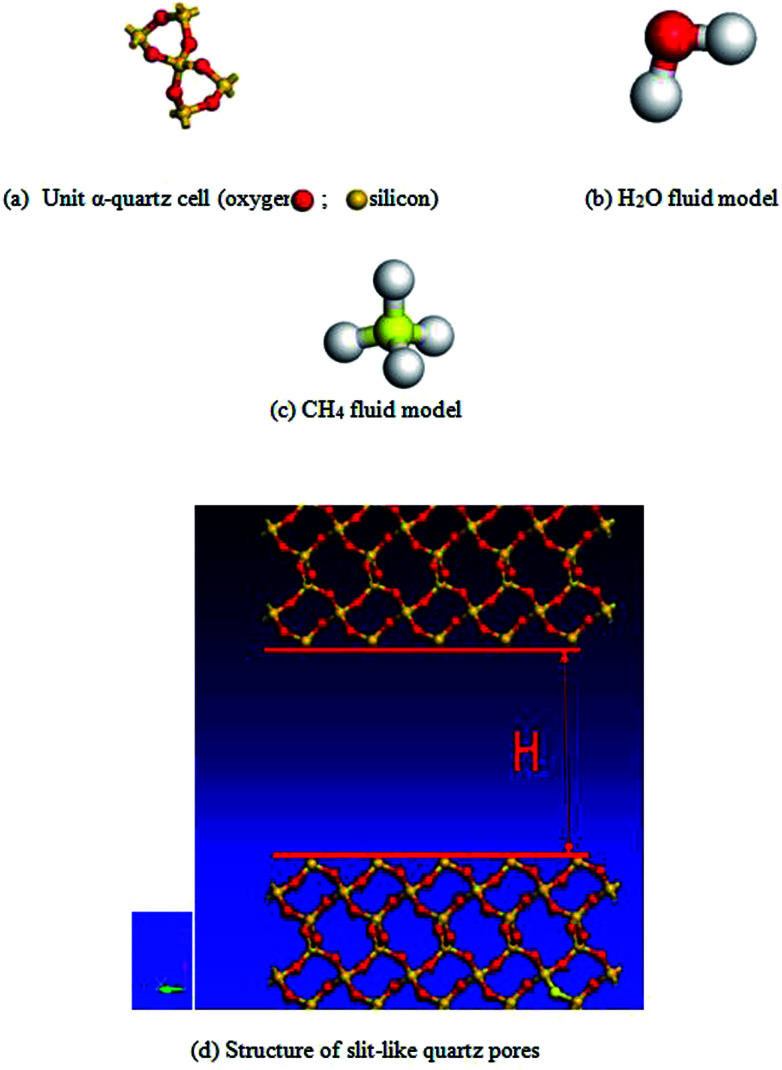
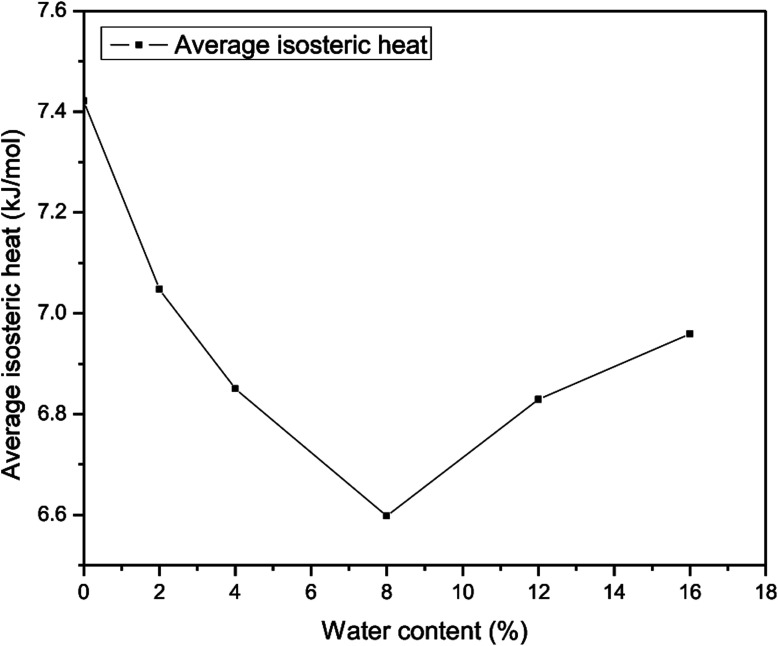
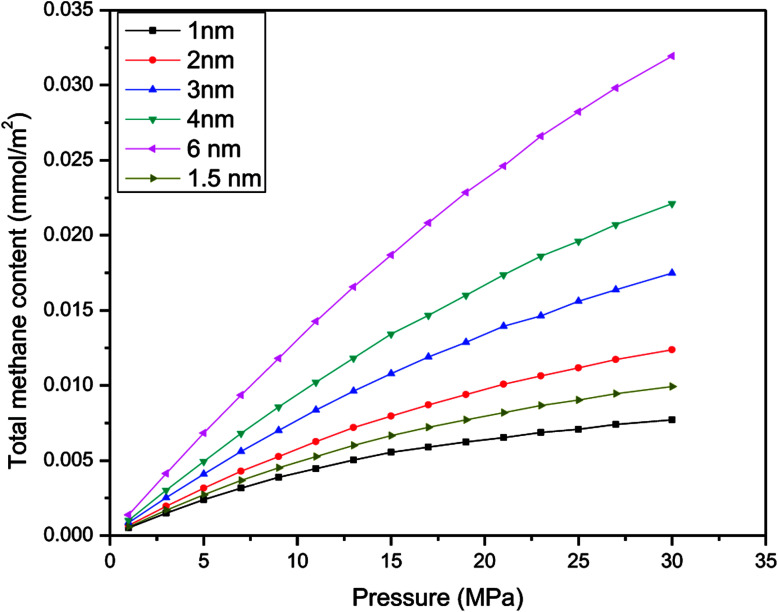
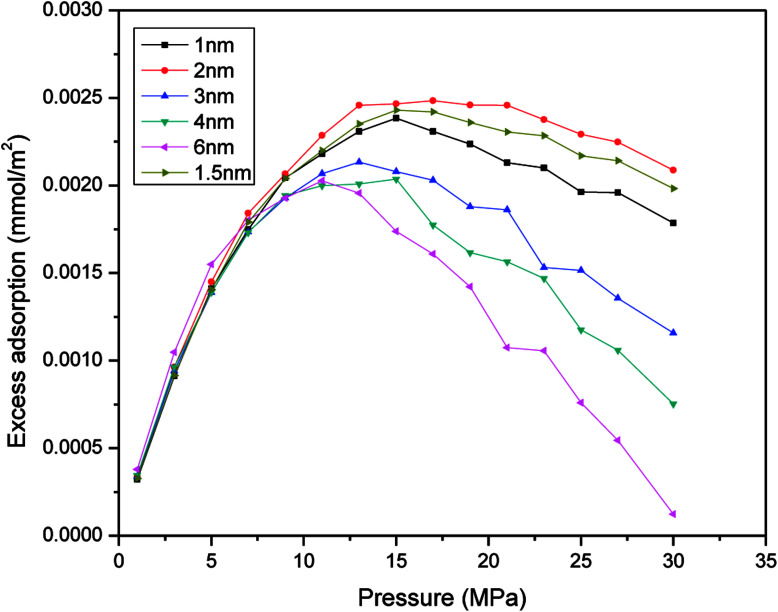
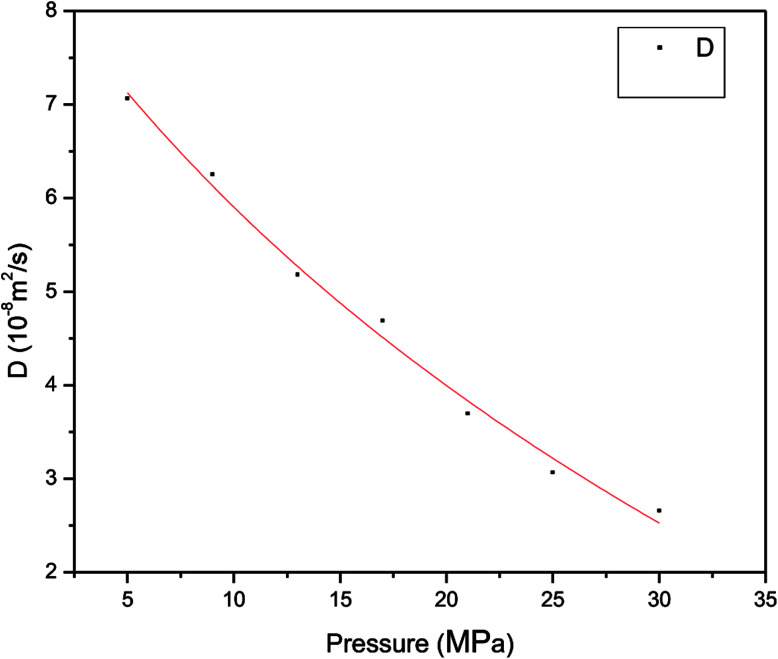
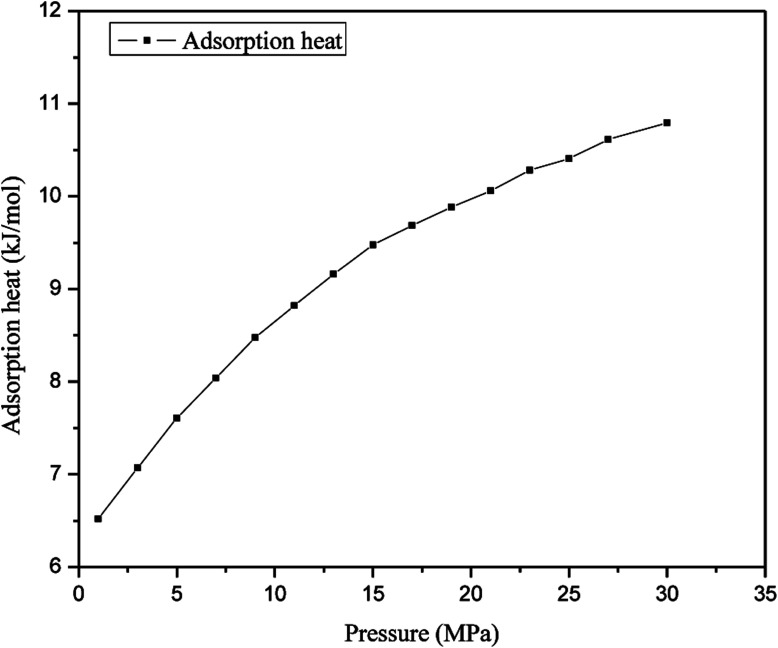
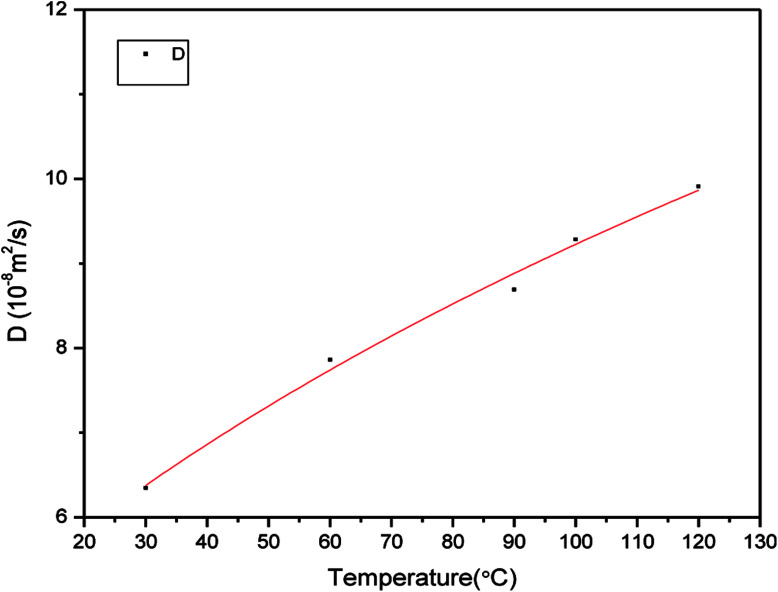
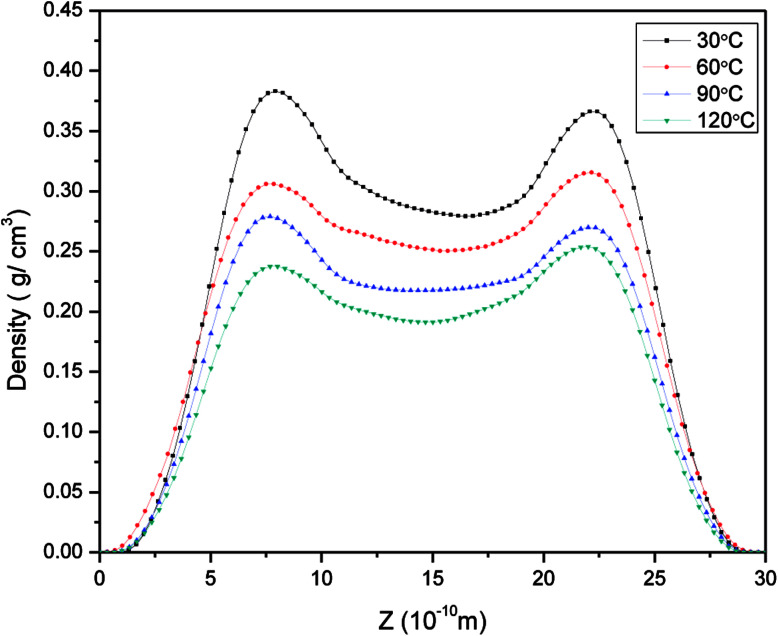
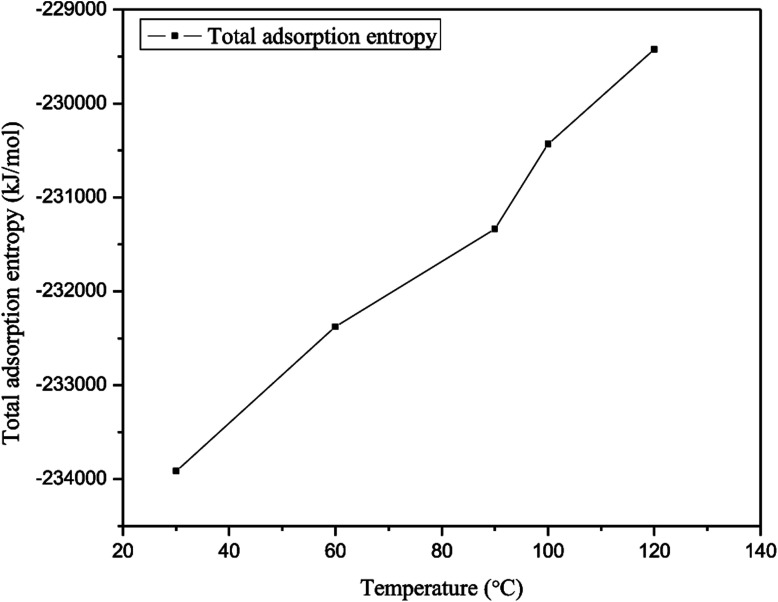
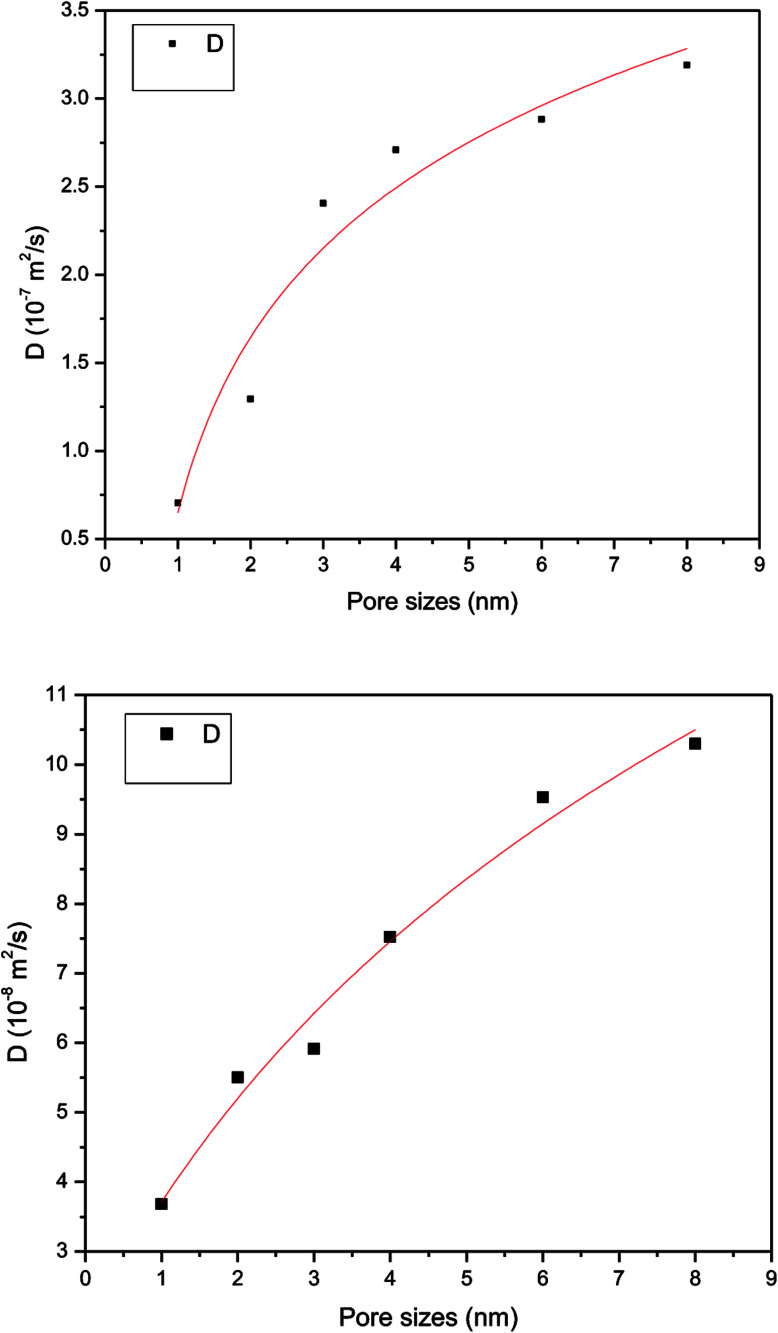
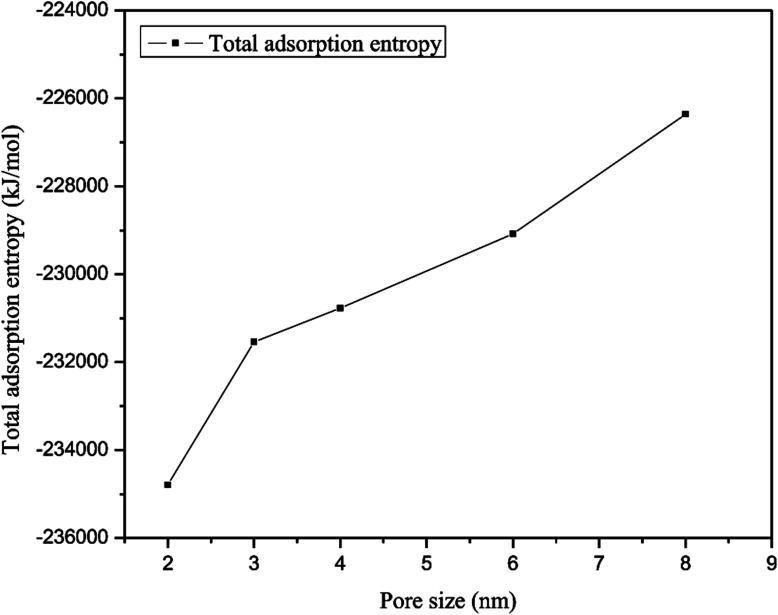
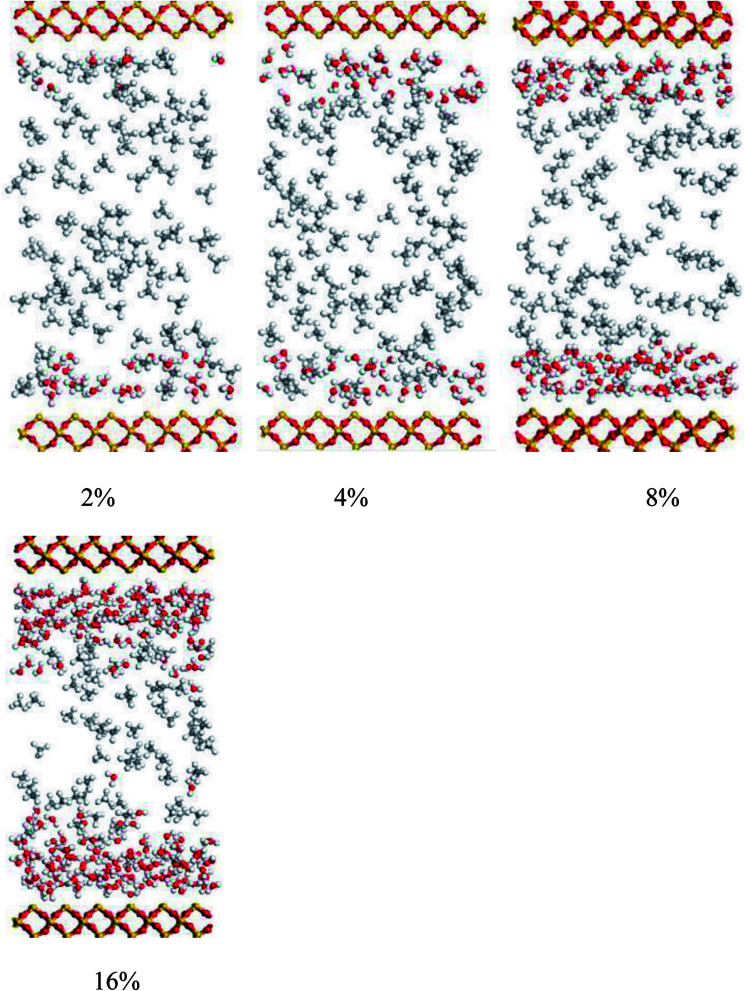
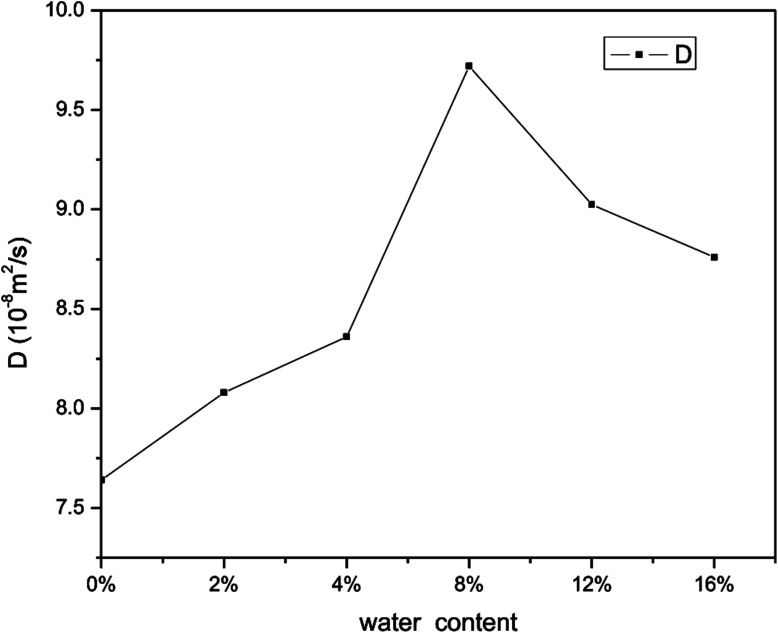
The dynamical properties of adsorption media confined in micropores play an important role in the adsorptive separation of fluids. However, a problem is that it is difficult to directly use approaches based on experimental measurements. Molecular simulation has been an effective tool for investigating the diffusion of fluids on the microscale in recent years. In this work, the diffusion properties of methane in quartz were mainly investigated from a microscale viewpoint using MD (molecular dynamics) methods, and this paper primarily discusses the influence of parameters such as pressure, temperature, pore size and water content on the diffusion and thermodynamic parameters of methane in slit-like quartz pores. The results demonstrate that the transport ability of quartz pores decreases with an increase in pressure in pores of a fixed size at a certain temperature and increases with an increase in pore size or temperature at a fixed pressure, which is related to changes in the interaction between methane molecules and quartz. In the pressure range used in the simulation, the average isosteric heat of adsorption of methane increases with an increase in pressure and is in the range of 6.52-10.794 kJ mol. Therefore, the gas adsorption behavior is classed as physical adsorption because the heat of adsorption is significantly lower than the minimum heat of gas adsorption for chemisorption. The increase in the total adsorption entropy is caused by an increase in temperature due to an increase in internal energy, which brings about a reduction in the interactions between gas molecules and walls of quartz. However, with an increase in pore size the total adsorption entropy increases, for which an explanation may be that in pores of a larger size methane molecules are adsorbed at higher-energy sites and generate a higher isosteric heat, which causes a reduction in interactions between the adsorbate and adsorbent. Regarding the influence of different water contents on the diffusion of methane, it was demonstrated that with an increase in moisture the mobility of methane molecules initially increases and then decreases, which is related to the distance between gas molecules.
限制在微孔中的吸附介质的动力学性质在流体的吸附分离中起着重要作用。然而,一个问题是难以直接采用基于实验测量的方法。近年来,分子模拟已成为研究流体在微观尺度上扩散的有效工具。在这项工作中,主要从微观尺度的角度使用分子动力学(MD)方法研究了甲烷在石英中的扩散性质,本文主要讨论了压力、温度、孔径和含水量等参数对甲烷在狭缝状石英孔隙中扩散和热力学参数的影响。结果表明,在一定温度下,固定尺寸孔隙中石英孔隙的传输能力随压力增加而降低,在固定压力下随孔径或温度升高而增加,这与甲烷分子和石英之间相互作用的变化有关。在模拟使用的压力范围内,甲烷的平均等量吸附热随压力增加而增加,范围为6.52 - 10.794 kJ/mol。因此,气体吸附行为归类为物理吸附,因为吸附热明显低于化学吸附的气体最低吸附热。总吸附熵的增加是由于内能增加导致温度升高,这使得气体分子与石英壁之间的相互作用减少。然而,随着孔径增大,总吸附熵增加,其原因可能是在较大尺寸的孔隙中,甲烷分子吸附在高能位点并产生更高的等量吸附热,这导致吸附质与吸附剂之间的相互作用减少。关于不同含水量对甲烷扩散的影响,结果表明随着湿度增加,甲烷分子的迁移率最初增加然后降低,这与气体分子之间的距离有关。