Kapur Arvinder, Mehta Pooja, Simmons Aaron D, Ericksen Spencer S, Mehta Geeta, Palecek Sean P, Felder Mildred, Stenerson Zach, Nayak Amruta, Dominguez Jose Maria Ayuso, Patankar Manish, Barroilhet Lisa M
Department of Obstetrics and Gynecology, University of Wisconsin-Madison, Madison, WI 53705, USA.
Department of Materials Science and Engineering, University of Michigan, Ann Arbor, MI 48109, USA.
Cancers (Basel). 2022 May 5;14(9):2297. doi: 10.3390/cancers14092297.
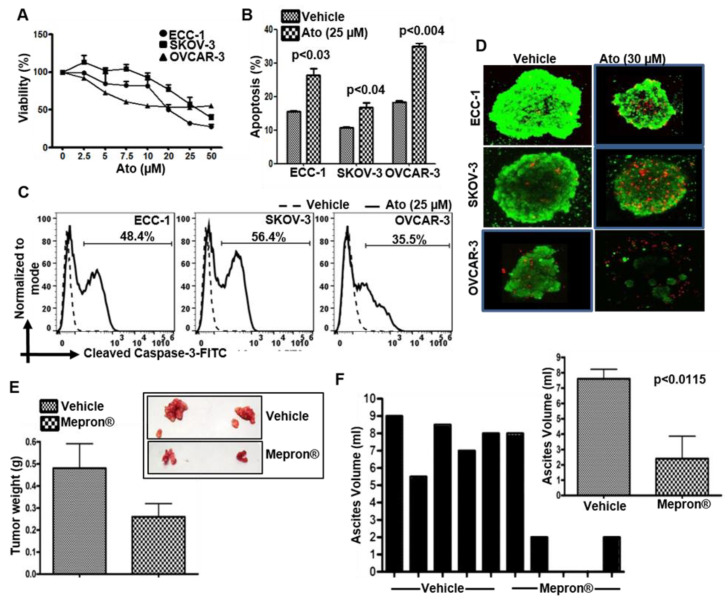
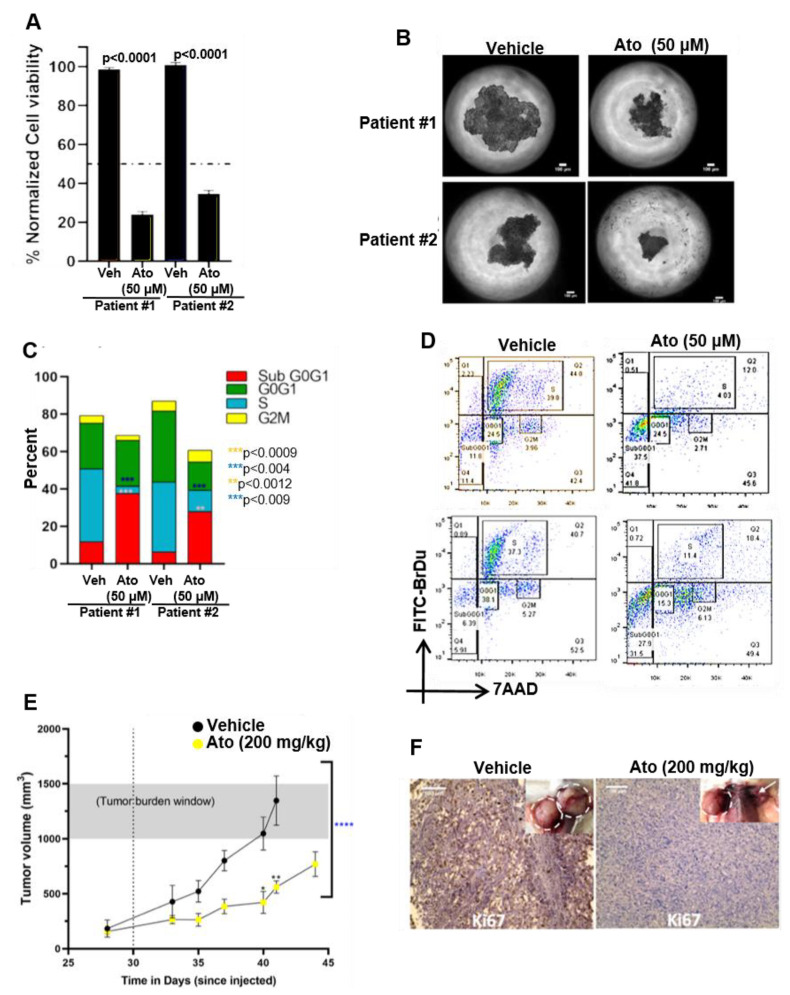
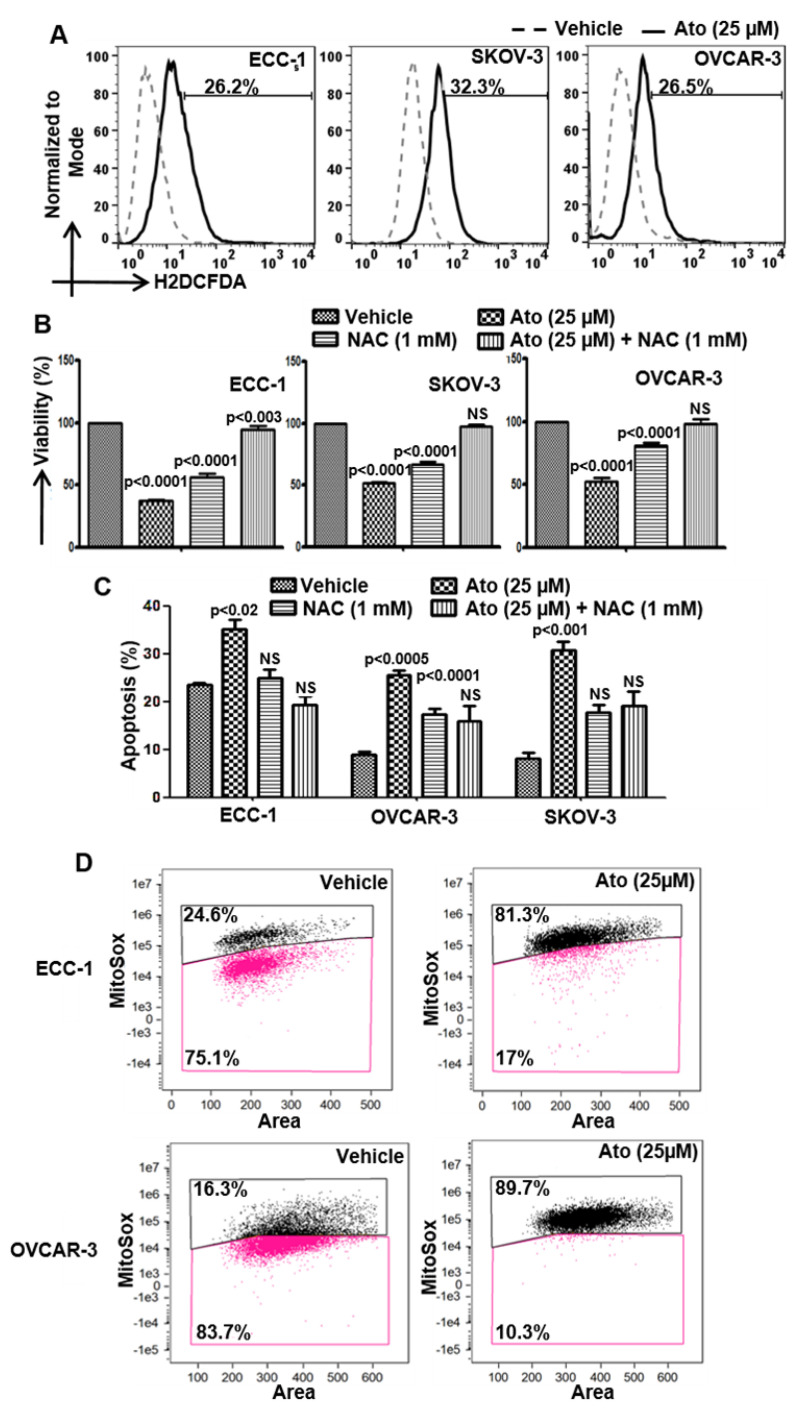
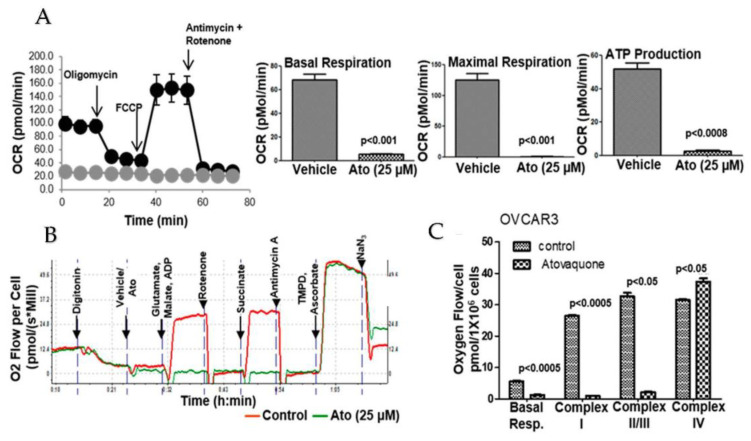
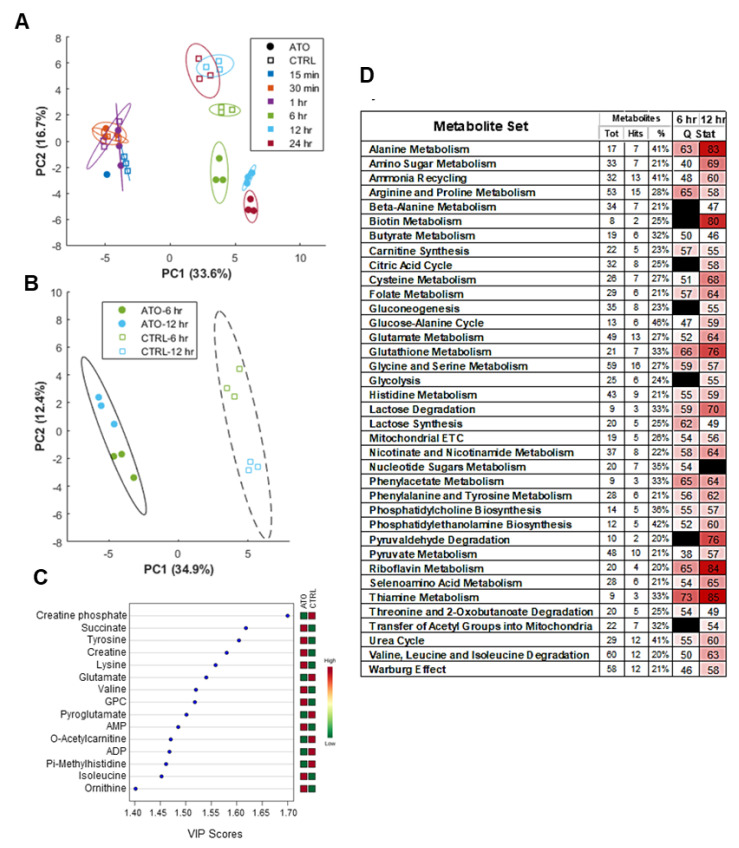
Oxidative phosphorylation is an active metabolic pathway in cancer. Atovaquone is an oral medication that inhibits oxidative phosphorylation and is FDA-approved for the treatment of malaria. We investigated its potential anti-cancer properties by measuring cell proliferation in 2D culture. The clinical formulation of atovaquone, Mepron, was given to mice with ovarian cancers to monitor its effects on tumor and ascites. Patient-derived cancer stem-like cells and spheroids implanted in NSG mice were treated with atovaquone. Atovaquone inhibited the proliferation of cancer cells and ovarian cancer growth in vitro and in vivo. The effect of atovaquone on oxygen radicals was determined using flow and imaging cytometry. The oxygen consumption rate (OCR) in adherent cells was measured using a Seahorse XFe96 Extracellular Flux Analyzer. Oxygen consumption and ATP production were inhibited by atovaquone. Imaging cytometry indicated that the majority of the oxygen radical flux triggered by atovaquone occurred in the mitochondria. Atovaquone decreased the viability of patient-derived cancer stem-like cells and spheroids implanted in NSG mice. NMR metabolomics showed shifts in glycolysis, citric acid cycle, electron transport chain, phosphotransfer, and metabolism following atovaquone treatment. Our studies provide the mechanistic understanding and preclinical data to support the further investigation of atovaquone's potential as a gynecologic cancer therapeutic.
氧化磷酸化是癌症中一种活跃的代谢途径。阿托伐醌是一种口服药物,可抑制氧化磷酸化,且已获美国食品药品监督管理局(FDA)批准用于治疗疟疾。我们通过测量二维培养中的细胞增殖来研究其潜在的抗癌特性。将阿托伐醌的临床制剂美普明给予患有卵巢癌的小鼠,以监测其对肿瘤和腹水的影响。用阿托伐醌处理植入NSG小鼠体内的患者来源的癌症干细胞样细胞和球体。阿托伐醌在体外和体内均抑制癌细胞的增殖和卵巢癌的生长。使用流式细胞术和成像细胞术测定阿托伐醌对氧自由基的影响。使用海马XFe96细胞外通量分析仪测量贴壁细胞中的氧消耗率(OCR)。阿托伐醌抑制氧消耗和ATP生成。成像细胞术表明,阿托伐醌触发的大部分氧自由基通量发生在线粒体中。阿托伐醌降低了植入NSG小鼠体内的患者来源的癌症干细胞样细胞和球体的活力。核磁共振代谢组学显示,阿托伐醌处理后糖酵解、柠檬酸循环、电子传递链、磷酸转移和代谢发生了变化。我们的研究提供了机制理解和临床前数据,以支持进一步研究阿托伐醌作为妇科癌症治疗药物的潜力。