
高龋活性的年轻成年人的饮食摄入和膳食模式:一项横断面研究。
Dietary intake and meal patterns among young adults with high caries activity: a cross-sectional study.
机构信息
Department of Pediatrics, Institute of Clinical Sciences, Sahlgrenska Academy, Gothenburg, Sweden.
Department of Behavioral and Community Dentistry, Institute of Odontology, Sahlgrenska Academy, University of Gothenburg, P.O. Box 450, 40530, Gothenburg, Sweden.
出版信息
BMC Oral Health. 2022 May 19;22(1):190. doi: 10.1186/s12903-022-02227-w.
BACKGROUND
Dental caries is a multifactorial disease that is highly dependent on diet, where a lower consumption and intake frequency of sugar would be favorable. The aims were (i) to examine dietary intake and meal patterns, more specifically sugar intake and foods high in sugar, among young adults with high caries activity, and (ii) to investigate the association between dietary and meal patterns consumption, and level of caries activity.
METHODS
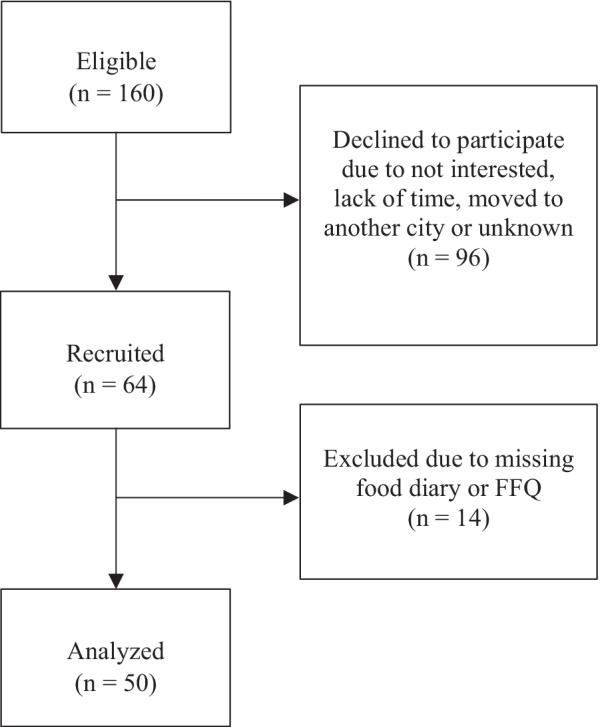
This study presents baseline data from an ongoing randomized controlled trial. A total of 50 young adults (aged 23.0 ± 3.0 years) with ≥ 2 decayed tooth surfaces were included. Dietary intake was captured with a 59-item food frequency questionnaire (FFQ) and a three-day food diary. Adherence to dietary guidelines was analyzed by comparing the dietary intake to the Nordic Nutritional Recommendations (NNR) 2012 and by using the Healthy Dietary Adherence score (HDAS). Participants were categorized into two groups: (i) the Caries group with 2-4 decayed surfaces, and (ii) the High caries group with ≥ 5 decayed surfaces.
RESULTS
The High caries group reported a statistically significantly higher snack and total meal intake compared to the Caries group, as well as a sugar intake exceeding the Nordic nutritional recommendations. The majority of the participants reported a high intake frequency (> 2.5/day) of sweet foods and drinks and less than one intake of fruit and vegetables, respectively, per day. Similar results were found when analyzing adherence by using the HDAS, where the lowest adherence according to dietary guidelines was shown for the food groups of sugar, whole meal products, and fruit and vegetables.
CONCLUSION
The results indicated a high intake of sugar and low intake of fruit, vegetables, and fiber in high caries-active individuals.
背景
龋齿是一种多因素疾病,高度依赖于饮食,较低的糖摄入量和摄入频率更为有利。本研究的目的是:(i)调查高龋活性的年轻成年人的饮食摄入和膳食模式,特别是糖摄入量和高糖食物;(ii)研究饮食和膳食模式的消耗与龋病活动水平之间的关系。
方法
本研究展示了一项正在进行的随机对照试验的基线数据。共纳入 50 名年龄在 23.0±3.0 岁、有≥2 个龋齿表面的年轻成年人。饮食摄入通过 59 项食物频率问卷(FFQ)和三天食物日记来捕获。通过将饮食摄入与北欧营养建议(NNR)2012 进行比较,并使用健康饮食依从性评分(HDAS)来分析饮食指南的依从性。参与者被分为两组:(i)有 2-4 个龋齿表面的龋齿组,(ii)有≥5 个龋齿表面的高龋组。
结果
高龋组报告的零食和总餐摄入量明显高于龋齿组,糖摄入量也超过了北欧营养建议。大多数参与者报告每天摄入高频率(>2.5/天)的甜食和饮料,而水果和蔬菜的摄入量分别低于 1 份。当使用 HDAS 分析依从性时,也得到了类似的结果,其中根据饮食指南,糖、全麦产品和水果和蔬菜这几类食物的依从性最低。
结论
结果表明,高龋活性个体的糖摄入量较高,而水果、蔬菜和纤维的摄入量较低。
 Zotero 插件